Cost To Replace Water Heater Element

A faulty water heater element can leave you with cold showers and a frustratingly inefficient appliance. Replacing it is a common repair, but the cost can vary depending on several factors. This guide provides a comprehensive overview of the cost to replace a water heater element, helping you understand the expenses involved and make informed decisions.
Understanding Water Heater Elements
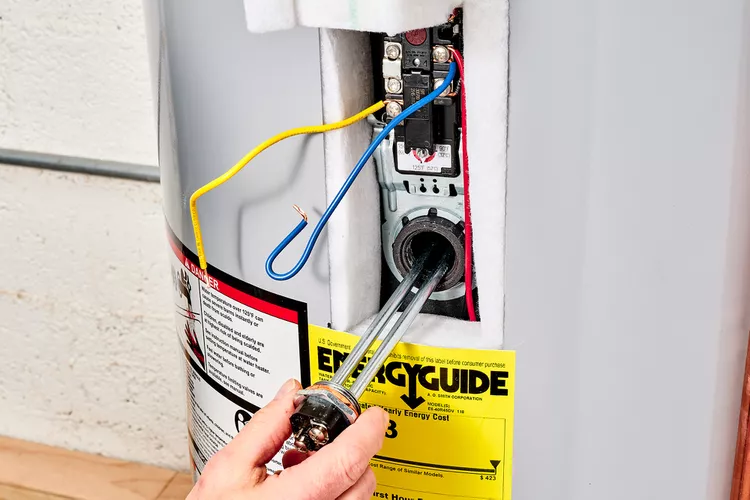
Before diving into the costs, let's clarify what a water heater element is and what it does. Water heaters, primarily electric models, use elements to heat the water inside the tank. These elements are essentially large resistors that heat up when electricity passes through them. Think of them like the coils in a toaster, but submerged in water.
Most electric water heaters have two elements: an upper element and a lower element. They typically operate sequentially, with the upper element heating the top portion of the tank first, followed by the lower element heating the rest. If either element fails, your hot water supply will be significantly reduced or nonexistent.
Factors Affecting the Cost of Replacement
The cost to replace a water heater element isn't a fixed price. Several variables influence the final amount you'll pay.
1. Type of Element
Water heater elements come in different wattages and materials. The most common types are:
- Standard Resistance Elements: These are the most common and generally the least expensive.
- Ultra-Low Watt Density (ULWD) Elements: These elements have a larger surface area and operate at a lower temperature, reducing scale buildup and extending their lifespan. They are more expensive than standard elements.
- Incoloy Elements: Made from a high-nickel alloy, these elements are more resistant to corrosion and are ideal for areas with hard water. They are also more expensive.
The type of element you choose will directly impact the cost. A basic standard element will be cheaper than a ULWD or Incoloy element.
2. Number of Elements Replaced
As mentioned, most electric water heaters have two elements. If both elements have failed, you'll need to replace both, doubling the cost of the parts. It's generally recommended to replace both elements at the same time, even if only one has failed, to ensure consistent performance and prevent future issues.
3. Accessibility and Complexity of the Job
The location of the water heater can affect the labor costs. If the water heater is easily accessible, such as in a garage or utility room, the labor costs will likely be lower. However, if the water heater is located in a tight crawl space, attic, or requires maneuvering around obstacles, the labor costs will increase.
Furthermore, if the old element is heavily corroded or stuck, the plumber may need to spend extra time and effort to remove it, increasing the labor costs.
4. Labor Costs
Labor costs vary significantly depending on your location and the plumber's hourly rate. Plumbers in major metropolitan areas typically charge more than those in smaller towns. Licensed and experienced plumbers will generally charge more than handymen or less experienced individuals.
Always get quotes from multiple plumbers to compare their rates and services. Ask for a detailed breakdown of the costs, including the cost of the parts and the labor charges.
5. Additional Repairs or Issues
During the element replacement, the plumber may discover other issues with your water heater, such as a leaking tank, corroded wiring, or a faulty thermostat. These issues will require additional repairs, which will increase the overall cost. It's crucial to address these issues promptly to prevent further damage and ensure the safe and efficient operation of your water heater.
6. Permits and Inspections
In some areas, a permit may be required to replace a water heater element. The cost of the permit will vary depending on your location. Additionally, an inspection may be required after the replacement to ensure that the work was done correctly and complies with local building codes. Factor these potential costs into your budget.
Average Cost Breakdown
Here's a general breakdown of the average costs associated with replacing a water heater element:
- Element Cost: $15 - $60 per element (depending on type and wattage)
- Labor Cost: $100 - $300 (depending on location, accessibility, and complexity)
- Permit Cost (if required): $50 - $150
Therefore, the total cost to replace a water heater element typically ranges from $115 to $450. This is just an estimate, and the actual cost may vary depending on the specific factors mentioned above.
DIY vs. Hiring a Professional
Replacing a water heater element is a task that some homeowners may feel comfortable tackling themselves. However, it involves working with electricity and water, so it's crucial to proceed with caution and follow safety precautions. Consider the following:
DIY Considerations
- Cost Savings: You'll save on labor costs.
- Risk of Electric Shock: Working with electricity can be dangerous if you're not careful. Always disconnect the power to the water heater at the circuit breaker before starting any work.
- Risk of Water Damage: Draining the tank incorrectly or failing to properly seal the element can lead to leaks and water damage.
- Warranty Void: DIY repairs may void the warranty on your water heater.
- Time and Effort: The project may take several hours, especially if you're not experienced.
Hiring a Professional Considerations
- Expertise and Experience: Licensed plumbers have the knowledge and experience to safely and correctly replace the element.
- Warranty on Workmanship: Plumbers typically offer a warranty on their workmanship, providing peace of mind.
- Proper Tools and Equipment: Plumbers have the necessary tools and equipment to handle the job efficiently.
- Time Savings: A plumber can complete the job much faster than a DIYer.
- Higher Cost: You'll pay for labor costs, which can be significant.
Recommendation: If you're not comfortable working with electricity or water, or if you're unsure about any aspect of the repair, it's best to hire a licensed plumber. The cost of professional installation is often worth the peace of mind and assurance that the job is done correctly and safely.
How to Save Money on Water Heater Element Replacement
While replacing a water heater element can be a necessary expense, there are several ways to potentially save money:
- Get Multiple Quotes: Obtain quotes from at least three different plumbers to compare their rates and services.
- Ask About Discounts: Some plumbers offer discounts for seniors, veterans, or first-time customers.
- Consider Replacing Both Elements: If one element has failed, consider replacing both to prevent future issues and potentially save on labor costs in the long run.
- Maintain Your Water Heater: Regularly flushing your water heater can help prevent sediment buildup, which can damage the elements and shorten their lifespan.
- Check for Warranty Coverage: Your water heater may still be under warranty, which could cover the cost of the element replacement.
- Consider a More Efficient Model: If your water heater is old or inefficient, consider replacing it with a newer, more energy-efficient model. While this is a more significant investment upfront, it can save you money on your energy bills in the long run.
Signs of a Failing Water Heater Element
Recognizing the signs of a failing water heater element can help you address the issue promptly and prevent further damage. Common signs include:
- No Hot Water: This is the most obvious sign of a problem.
- Lukewarm Water: The water may be warm, but not hot enough.
- Limited Hot Water: You may only have hot water for a short period of time before it runs out.
- Cloudy or Rusty Water: This could indicate corrosion inside the tank or on the element.
- Popping or Rumbling Noises: These noises are often caused by sediment buildup on the elements.
- Higher Energy Bills: A failing element may cause the water heater to work harder, resulting in higher energy bills.
If you notice any of these signs, it's essential to inspect your water heater and determine if the element needs to be replaced. Consult with a qualified plumber for diagnosis and repair.
Preventative Measures
While water heater element failure can happen, taking preventative measures can help extend the lifespan of your elements and reduce the likelihood of problems:
- Flush Your Water Heater Regularly: Flushing removes sediment buildup, which can damage the elements and reduce their efficiency. It's generally recommended to flush your water heater at least once a year.
- Use a Water Softener: If you have hard water, consider installing a water softener to reduce mineral buildup.
- Lower the Thermostat Setting: Setting the thermostat to 120°F (49°C) can help reduce energy consumption and prevent scalding.
- Insulate Your Water Heater: Insulating your water heater can help reduce heat loss and improve energy efficiency.
- Inspect the Anode Rod: The anode rod protects the tank from corrosion. Have it inspected periodically and replaced as needed.
By following these preventative measures, you can prolong the life of your water heater elements and avoid costly repairs.
Conclusion
Replacing a water heater element is a common repair that can range in cost from $115 to $450, depending on various factors. Understanding these factors, such as the type of element, labor costs, and potential additional repairs, will help you budget for the expense and make informed decisions. Whether you choose to tackle the project yourself or hire a professional, prioritize safety and ensure that the repair is done correctly to avoid further damage and ensure the reliable operation of your water heater. Remember to obtain multiple quotes, consider preventative maintenance, and consult with a qualified plumber if you have any doubts or concerns. Investing in regular water heater maintenance can save you money in the long run and ensure a consistent supply of hot water for your home.