
Critical Temperature And Pressure Of Air
.PNG)
Understanding the properties of air is crucial for effective HVAC (Heating, Ventilation, and Air Conditioning) system design and operation. While we often take air for granted, its behavior under varying temperatures and pressures significantly impacts how well our heating and cooling systems function. This article delves into the critical temperature and pressure of air, explaining their importance and how they relate to HVAC performance and efficiency. We'll also explore practical considerations for homeowners, real estate investors, and contractors.
What are Critical Temperature and Critical Pressure?
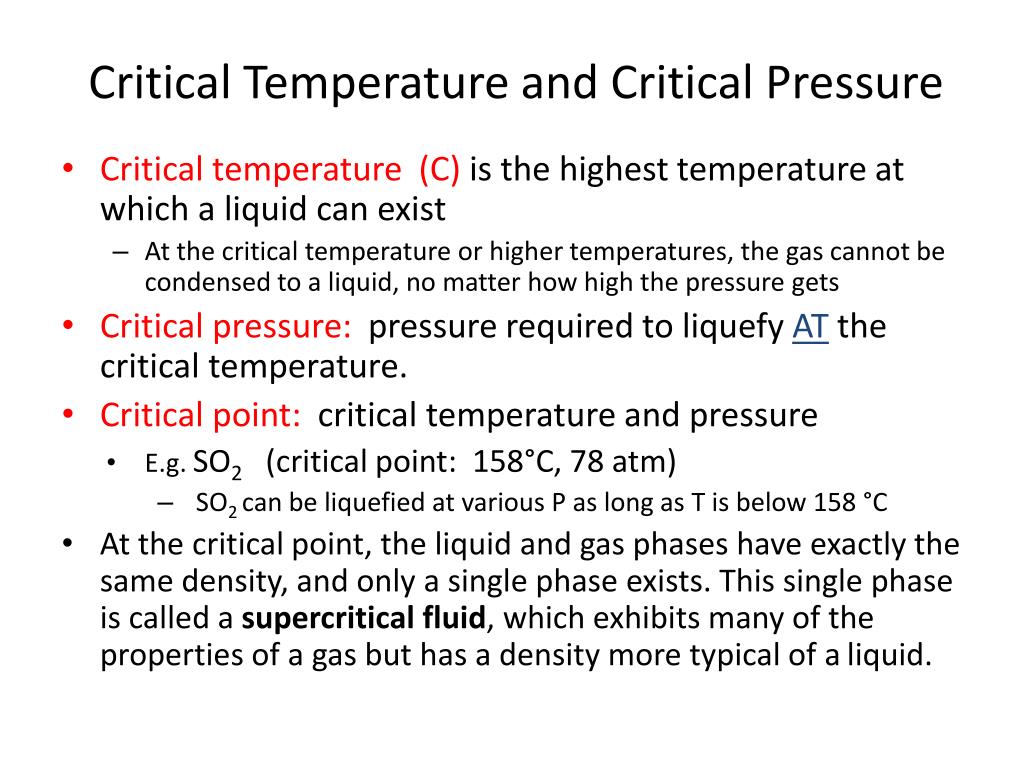
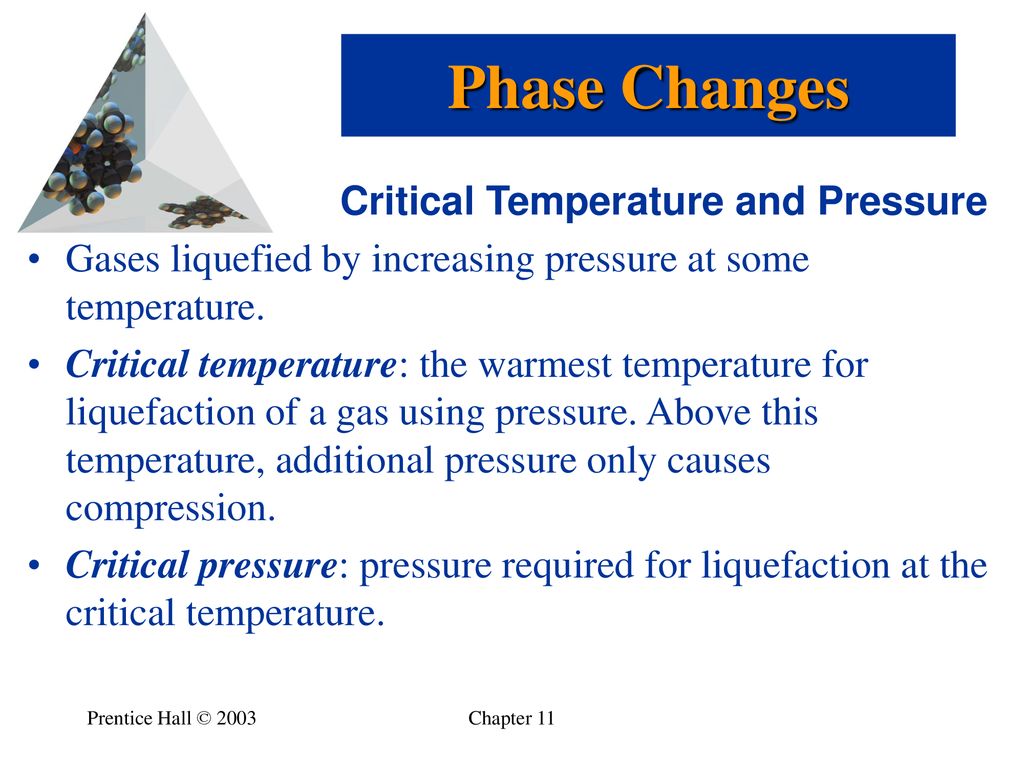
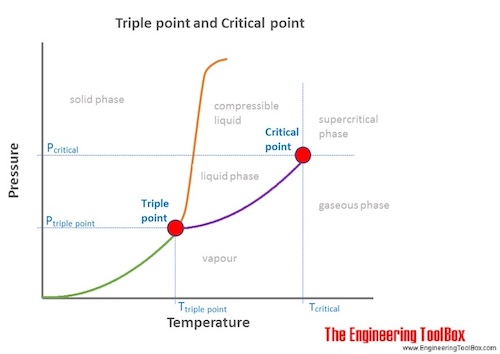
In thermodynamics, critical temperature is the temperature above which a gas cannot be liquefied, no matter how much pressure is applied. Above this temperature, the substance exists only as a gas. The critical pressure is the pressure required to liquefy a gas at its critical temperature.
For air, which is a mixture of gases (primarily nitrogen and oxygen), these values are complex and depend on the exact composition. However, for practical HVAC purposes, we can consider the following:
- Critical Temperature of Air: Approximately -140.6 °C (-221.1 °F).
- Critical Pressure of Air: Approximately 37.2 bar (540 psi).
It's important to note that these are not values we typically encounter in standard HVAC operation. However, understanding these limits helps us grasp the behavior of refrigerants, which are the working fluids in air conditioning and heat pump systems. Refrigerants undergo phase changes (liquid to gas and vice versa) to transfer heat, and their critical temperatures and pressures are relevant to their performance.
Why are Critical Temperature and Pressure Important for HVAC?
While we don't directly deal with the critical temperature and pressure of air in standard HVAC applications, the underlying principles are crucial for understanding how refrigerants work and how HVAC systems are designed. Here's why:
Refrigerant Behavior
HVAC systems rely on refrigerants to absorb and release heat. These refrigerants change phase (boil and condense) within the system. The thermodynamic properties of refrigerants, including their critical temperature and pressure, determine their effectiveness. Refrigerants with appropriate critical temperatures and pressures are chosen to operate efficiently within the expected temperature ranges of heating and cooling cycles.
System Design
HVAC engineers consider the critical properties of refrigerants when designing systems. The operating pressures and temperatures within the compressor, condenser, evaporator, and expansion valve are all carefully calculated to ensure optimal performance and prevent system failures. Exceeding the design limits, which are related to the refrigerant's critical properties, can lead to compressor damage, leaks, and reduced efficiency.
Compressor Performance
The compressor is the heart of an air conditioning or heat pump system. It compresses the refrigerant, increasing its temperature and pressure. Understanding the relationship between pressure, temperature, and refrigerant phase is vital for proper compressor operation. Compressors are designed to work within specific pressure ranges, which are dictated by the refrigerant's properties.
Practical Implications for Homeowners and Contractors
Although homeowners and even some contractors may not directly calculate critical temperatures and pressures, understanding the underlying principles allows for better decision-making regarding HVAC systems.
Choosing the Right Refrigerant
Different refrigerants have different properties. Older refrigerants like R-22 are being phased out due to environmental concerns (ozone depletion). Newer refrigerants like R-410A and R-32 offer improved efficiency and are more environmentally friendly, but they also have different operating pressures and temperatures. When replacing an HVAC system, it's crucial to choose a system that uses a refrigerant that is appropriate for the climate and application.
Proper Maintenance
Regular maintenance is essential for maintaining the efficiency and lifespan of an HVAC system. Dirty filters, blocked coils, and refrigerant leaks can all negatively impact performance. Leaks, in particular, can reduce the refrigerant charge, leading to reduced cooling capacity and increased compressor stress. Addressing these issues promptly ensures the system operates within its design parameters.
System Sizing
Properly sizing an HVAC system is crucial for optimal performance and efficiency. An undersized system will struggle to maintain the desired temperature, while an oversized system can lead to short cycling and reduced dehumidification. A professional HVAC contractor will perform a load calculation to determine the appropriate size system for a given building. This calculation considers factors such as the building's insulation, window area, and climate.
HVAC System Ratings: SEER, AFUE, and HSPF
When comparing different HVAC systems, it's important to consider their efficiency ratings. These ratings provide a measure of how efficiently the system converts energy into heating or cooling.
- SEER (Seasonal Energy Efficiency Ratio): Measures the cooling efficiency of an air conditioner. A higher SEER rating indicates better efficiency. Modern air conditioners typically have SEER ratings ranging from 13 to 25 or higher.
- AFUE (Annual Fuel Utilization Efficiency): Measures the heating efficiency of a furnace. A higher AFUE rating indicates better efficiency. Modern furnaces typically have AFUE ratings ranging from 80% to 98%.
- HSPF (Heating Seasonal Performance Factor): Measures the heating efficiency of a heat pump. A higher HSPF rating indicates better efficiency. Modern heat pumps typically have HSPF ratings ranging from 8 to 13 or higher.
When choosing an HVAC system, consider the climate and heating/cooling needs of your location. In warmer climates, a higher SEER air conditioner may be more beneficial. In colder climates, a higher AFUE furnace or HSPF heat pump may be more important. A heat pump can be a good option in moderate climates, providing both heating and cooling.
Popular HVAC Brands and Models
Several reputable HVAC brands offer a wide range of systems with varying efficiency ratings and features. Here are a few popular options:
Carrier
Carrier is a well-known brand with a long history of innovation in the HVAC industry. They offer a wide range of air conditioners, furnaces, and heat pumps with high SEER, AFUE, and HSPF ratings. Carrier's Infinity series features advanced controls and smart home integration. Carrier systems are known for their reliability and performance, but they can be more expensive than some other brands.
Trane
Trane is another reputable brand known for its durable and reliable HVAC systems. They offer a wide range of air conditioners, furnaces, and heat pumps with varying efficiency ratings. Trane's XV series features variable-speed compressors and advanced controls for improved comfort and efficiency. Trane systems are a popular choice for homeowners looking for long-lasting performance.
Lennox
Lennox offers a range of high-efficiency HVAC systems, including air conditioners, furnaces, and heat pumps. Their Signature series features some of the highest SEER and AFUE ratings available. Lennox systems are known for their quiet operation and energy-saving features.
Goodman
Goodman offers more affordable HVAC systems without sacrificing quality and reliability. They offer a range of air conditioners, furnaces, and heat pumps with decent SEER, AFUE, and HSPF ratings. Goodman is a good option for budget-conscious homeowners.
Mitsubishi Electric
Mitsubishi Electric specializes in ductless mini-split systems, which are a popular choice for homes without existing ductwork or for adding heating and cooling to specific rooms. These systems offer high efficiency and individual zone control. Mitsubishi Electric systems are known for their quiet operation and precise temperature control.
Warranties and Maintenance
Most HVAC systems come with a manufacturer's warranty that covers parts and labor for a certain period. It's important to understand the terms of the warranty before purchasing a system. Regular maintenance is crucial for keeping your HVAC system running efficiently and extending its lifespan. This includes changing air filters regularly, cleaning coils, and having a professional HVAC technician inspect the system annually.
Example Warranty: A typical warranty might include a 10-year limited warranty on parts and a 1-year warranty on labor. Some manufacturers offer extended warranties for an additional cost. Proper documentation and regular maintenance are often required to maintain the validity of the warranty.
Conclusion
While homeowners and contractors may not directly work with the critical temperature and pressure of air on a daily basis, understanding these fundamental thermodynamic principles provides valuable insight into how HVAC systems operate. By considering factors such as refrigerant properties, system efficiency ratings (SEER, AFUE, HSPF), and proper maintenance practices, you can make informed decisions about your heating and cooling needs and ensure optimal performance and longevity of your HVAC system. Always consult with a qualified HVAC professional for expert advice and installation.



+is+the+temperature+above+which+the+gas+cannot+be+made+to+liquefy%2C+no+matter+how+great+the+applied+pressure.This+is+also+the+highest+temperature+at+which+a+substance+can+exist+as+liquid..jpg)

