Cut To Size Air Conditioner Filters

Maintaining a clean air conditioner filter is crucial for the efficiency and longevity of your HVAC system. A dirty filter restricts airflow, forcing your unit to work harder, which can lead to higher energy bills, poor cooling performance, and even system failure. While standard size filters are readily available, sometimes you need a custom fit. This is where cut-to-size air conditioner filters come in handy. Let's explore the world of these adaptable filters, covering everything from choosing the right material to safely installing them.
Understanding Cut-To-Size Air Conditioner Filters
Cut-to-size AC filters offer a flexible solution when standard sizes don't fit your HVAC system. They typically come in large sheets or rolls of filter media that you trim to the specific dimensions required for your unit. This is particularly useful for older homes, unconventional HVAC setups, or situations where custom filter sizes are needed.
Benefits of Using Cut-To-Size Filters
- Custom Fit: Tailored exactly to your AC unit, preventing air bypass.
- Cost-Effective: Often more economical than ordering custom-sized filters online.
- Convenience: Readily available at most hardware stores and online retailers.
- Versatility: Can be used for various applications beyond standard HVAC systems, like window AC units or air purifiers.
Choosing the Right Filter Material
The effectiveness of your cut-to-size filter depends heavily on the material you select. Here’s a breakdown of common options:
- Fiberglass Filters: These are the most basic and least expensive option. They primarily protect the HVAC equipment from large particles like dust and lint but offer minimal filtration for allergens or smaller pollutants. MERV rating typically 1-4.
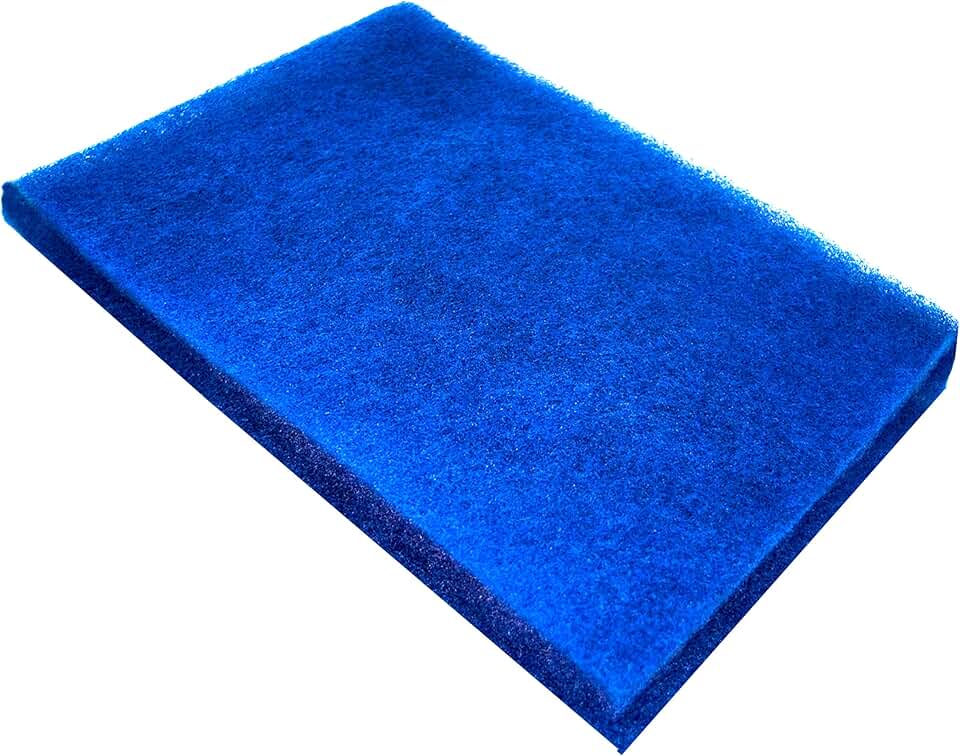
- Polyester Filters: A step up from fiberglass, polyester filters offer slightly better filtration and are more durable. They are also washable and reusable, making them a more eco-friendly choice. MERV rating typically 5-8.
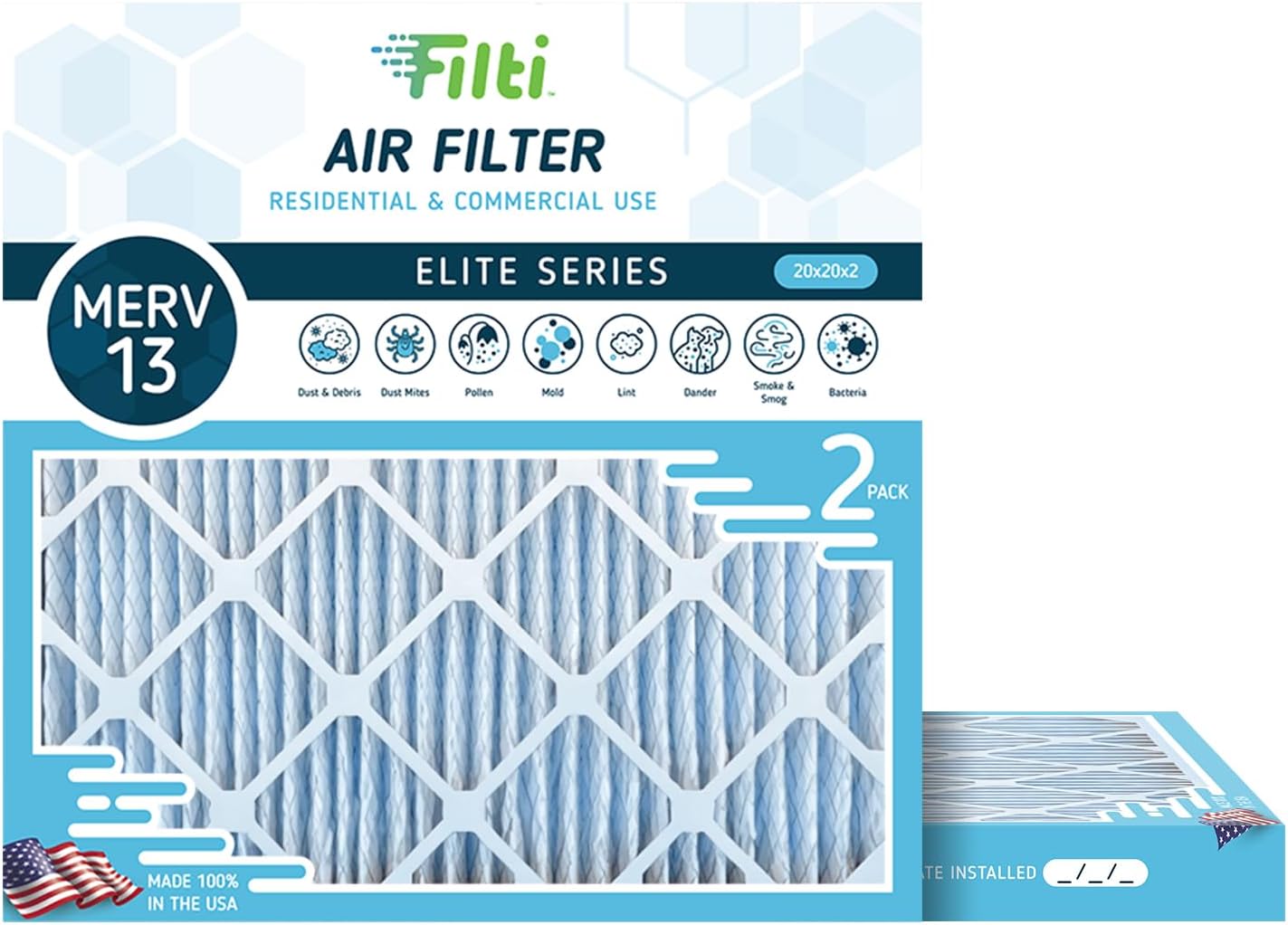
- Pleated Filters: These filters have a folded design that increases the surface area, allowing them to capture more particles. Pleated filters are available in various materials, including cotton, polyester, and synthetic blends. They offer a good balance between filtration efficiency and airflow. MERV rating typically 6-12.
- Electrostatic Filters: These filters use an electrostatic charge to attract and trap particles. They are very effective at capturing small particles like pollen, mold spores, and pet dander. MERV rating typically 8-13.
- HEPA Filters: High-Efficiency Particulate Air (HEPA) filters are the gold standard in air filtration. They are designed to capture at least 99.97% of particles 0.3 microns in size. While highly effective, HEPA filters can restrict airflow, so it's essential to ensure your HVAC system can handle them. MERV rating typically 17-20. Consult a professional before using HEPA filters in a standard HVAC system.
When choosing a filter material, consider your budget, the level of filtration you need, and your HVAC system's capabilities. A higher MERV rating generally means better filtration, but it can also reduce airflow. Always consult your HVAC system's manual to determine the recommended filter type and MERV rating.
Tools and Materials You'll Need
- Cut-to-Size Filter Material: Choose the appropriate material and size.
- Measuring Tape: Accurate measurements are crucial.
- Scissors or Utility Knife: For cutting the filter material. A sharp blade is safer.
- Filter Frame (if needed): If your old filter frame is damaged, you might need a replacement.
- Gloves: To protect your hands from dust and debris.
- Safety Glasses: To protect your eyes from airborne particles.
- Marker or Pen: For marking cutting lines.
Step-by-Step Guide to Cutting and Installing
- Measure Your Filter Opening: Carefully measure the length, width, and depth of the filter opening in your HVAC unit. Double-check your measurements to ensure accuracy.
- Prepare the Filter Material: Lay the filter material on a clean, flat surface. Use your measurements to mark the cutting lines on the material with a marker or pen.
- Cut the Filter Material: Using scissors or a utility knife, carefully cut along the marked lines. Ensure clean and straight cuts for a proper fit.
- Install the Filter: Slide the cut filter into the filter opening of your HVAC unit. Make sure it fits snugly and doesn't have any gaps around the edges.
- Replace the Filter Frame (if necessary): If you replaced the filter frame, ensure it is securely in place before operating the HVAC system.
Safety First
- Turn Off the HVAC System: Always turn off the HVAC system at the thermostat and the breaker before working on it.
- Wear Protective Gear: Gloves and safety glasses are essential to protect yourself from dust, debris, and sharp objects.
- Handle Sharp Tools Carefully: Use caution when using scissors or a utility knife. A sharp blade is safer than a dull one.
- Dispose of Old Filters Properly: Used filters can contain dust, allergens, and other contaminants. Dispose of them in a sealed bag to prevent these particles from spreading.
Troubleshooting Common Issues
- Filter Doesn't Fit: Double-check your measurements and ensure you cut the filter accurately. If it's slightly too large, trim it down gradually until it fits.
- Airflow is Restricted: Ensure you're using the correct MERV rating for your HVAC system. A filter with too high a MERV rating can restrict airflow and damage your unit.
- Filter Collapses: This can happen if the filter is too thin or doesn't have enough support. Consider using a thicker filter material or adding a filter support frame.
- Unusual Noises: Whistling or rattling noises can indicate a poorly fitting filter or a problem with the HVAC system. Inspect the filter installation and consult a professional if the noise persists.
When to Call a Professional
While cutting and installing your own AC filter can be a simple DIY project, there are situations where you should call a professional HVAC technician:
- Complex HVAC Systems: If you have a complex or high-efficiency HVAC system, it's best to leave filter maintenance to a professional.
- Unusual Problems: If you notice unusual noises, poor cooling performance, or other problems after replacing the filter, consult a professional.
- Warranty Concerns: Some HVAC systems have warranty requirements that specify professional maintenance.
- Unsure About the MERV Rating: Selecting the wrong MERV rating can damage your system. Get professional advice if you are not sure.
Cost Considerations
The cost of cut-to-size air conditioner filters can vary depending on the material, size, and quantity. Here's a general cost breakdown:
- Fiberglass Filter Material: $5-$10 per sheet
- Polyester Filter Material: $10-$20 per sheet
- Pleated Filter Material: $15-$30 per sheet
- Electrostatic Filter Material: $20-$40 per sheet
- HEPA Filter Material: $40+ per sheet
- Filter Frame: $5-$15 per frame
- Professional Installation: $50-$150 (including filter)
Keep in mind that these are just estimates, and the actual cost may vary depending on your location and the specific products you choose. Buying in bulk can often save you money in the long run.
Maintaining Your Filter
Regular filter maintenance is essential for the health of your HVAC system and the air quality in your home. Here are some tips for maintaining your cut-to-size air conditioner filter:
- Check the Filter Regularly: Inspect the filter every month, especially during peak cooling season.
- Replace the Filter When Dirty: Replace the filter when it appears dirty or clogged. A good rule of thumb is to replace it every 1-3 months, depending on your environment and usage.
- Consider Washable Filters: If you're using a washable filter, clean it according to the manufacturer's instructions. Allow the filter to dry completely before reinstalling it.
- Keep the Area Around the HVAC Unit Clean: Dust and debris can accumulate around the HVAC unit and contaminate the filter. Clean the area regularly to prevent this.
Conclusion
Cut-to-size air conditioner filters provide a practical and cost-effective solution for maintaining your HVAC system. By understanding the different filter materials, following the proper cutting and installation procedures, and prioritizing safety, you can ensure that your system operates efficiently and provides clean, healthy air for your home. Remember to consult a professional when needed and always prioritize safety when working with HVAC equipment. By taking a proactive approach to filter maintenance, you can extend the life of your HVAC system and enjoy a more comfortable and healthy home environment.