Data Engineering Python Aws Sql Talend
Harnessing Data for Home Energy Savings: Python, AWS, SQL, and Beyond
In today's world, managing energy consumption effectively is no longer just about switching to energy-efficient appliances. It's about understanding your energy usage patterns and leveraging data to optimize your HVAC systems. This article explores how data engineering, combined with powerful tools like Python, AWS, SQL, and platforms like Talend, can unlock significant energy savings for homeowners and businesses alike.
Understanding Your Energy Footprint: The Foundation of Efficiency
Before diving into the technical aspects, let's understand why data is so critical. Consider this: a typical American household spends around $2,000 annually on energy bills, with heating and cooling accounting for nearly half of that. Imagine being able to pinpoint exactly when and where energy is being wasted. That's the power of data.
Data can come from various sources: your smart thermostat, smart plugs monitoring appliance energy consumption, utility smart meters, and even weather data. By collecting and analyzing this data, you can build a comprehensive picture of your energy footprint.
Data Engineering: The Backbone of Energy Insights
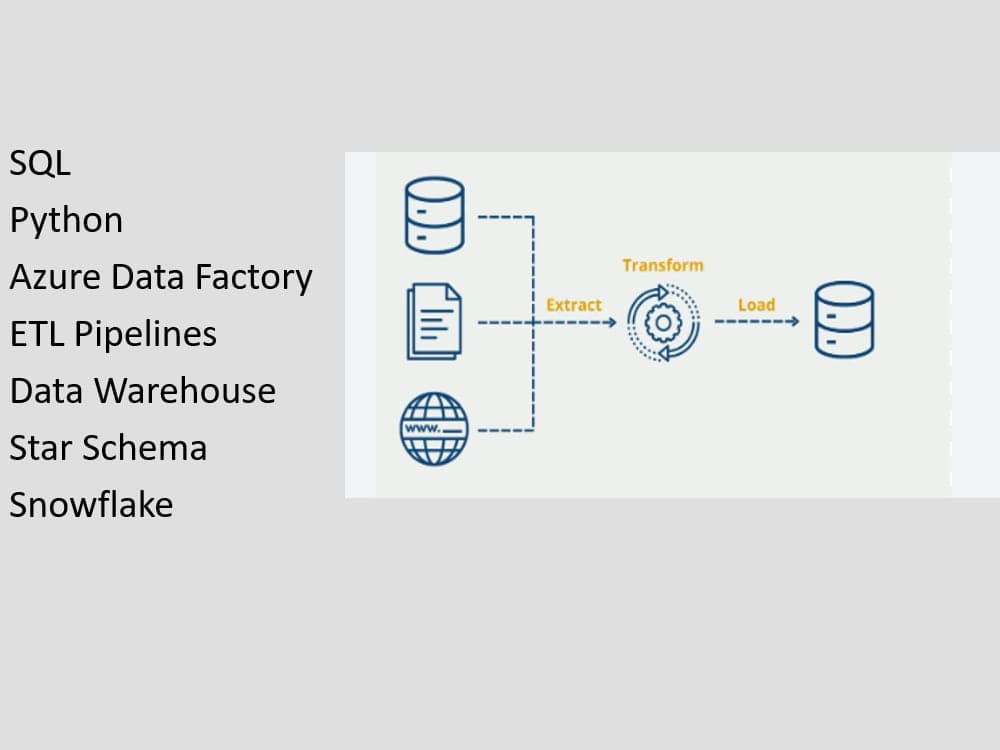
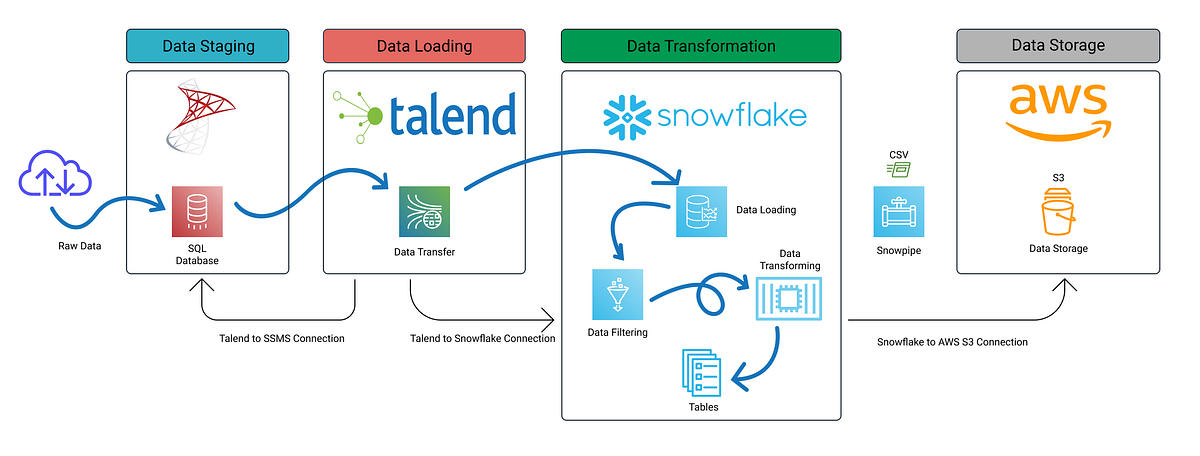
The process of extracting, transforming, and loading (ETL) data from these diverse sources into a usable format is called data engineering. This is where tools like Python and Talend come into play.
- Python: The Versatile Tool: Python, with its rich ecosystem of libraries like Pandas and NumPy, is perfect for cleaning, transforming, and analyzing energy data. You can write scripts to identify peak usage times, correlate energy consumption with weather patterns, and detect anomalies that indicate potential inefficiencies. For example, you could use Python to automatically flag unusually high energy consumption on weekends when the house should be empty.
- Talend: The Enterprise-Grade Solution: For larger organizations with complex data pipelines, Talend offers a robust, user-friendly platform for ETL processes. Its graphical interface allows you to design data workflows without writing code, making it accessible to a wider range of users. Talend can also handle real-time data streams, providing up-to-the-minute insights into energy consumption.
AWS: Cloud Power for Energy Data
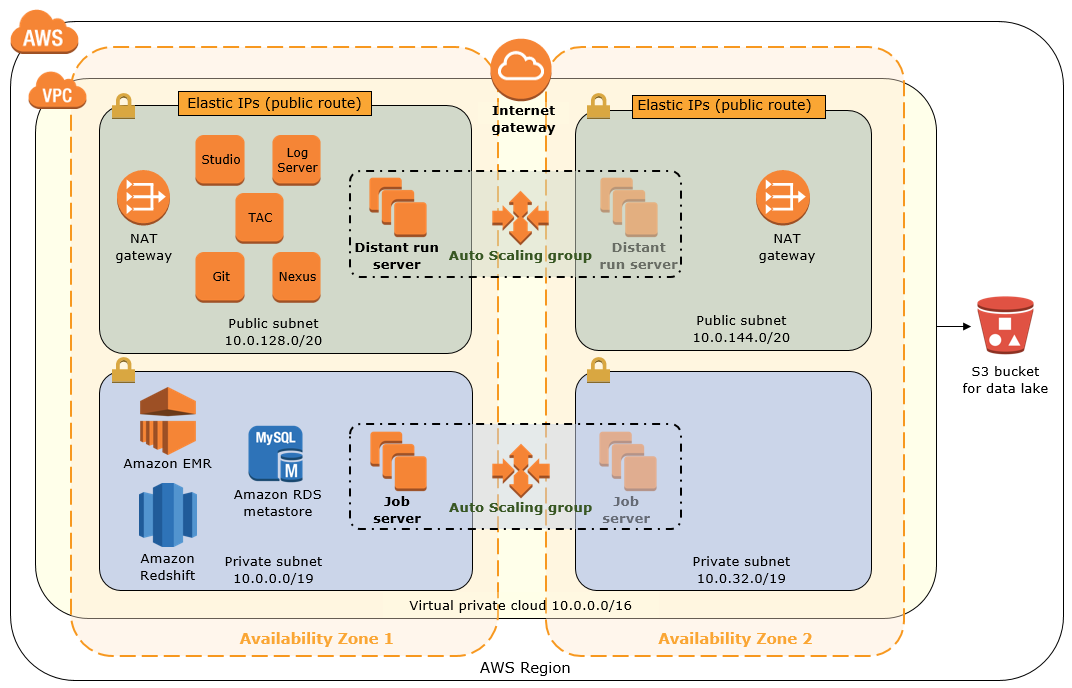
Storing and processing large volumes of energy data requires scalable and reliable infrastructure. Amazon Web Services (AWS) provides a suite of cloud services that are ideally suited for this purpose.
- AWS S3: Affordable Data Storage: AWS S3 (Simple Storage Service) offers cost-effective storage for all your energy data. You can store raw data from your smart meters, transformed data from Python scripts, and even historical weather data.
- AWS EC2: Computing Power on Demand: AWS EC2 (Elastic Compute Cloud) provides virtual servers for running your Python scripts or Talend jobs. You can scale your computing resources up or down as needed, ensuring that you only pay for what you use.
- AWS Redshift: Data Warehousing for Analytics: For advanced analytics, AWS Redshift provides a fast, scalable data warehouse. You can load your transformed energy data into Redshift and use SQL to query and analyze it.
SQL: Querying Your Energy Data
SQL (Structured Query Language) is the standard language for interacting with relational databases. Once your energy data is stored in a database (such as AWS Redshift or a local MySQL instance), you can use SQL to extract valuable insights.
Here are some examples of SQL queries that can help you optimize your energy usage:
SELECT day_of_week, AVG(energy_consumption) FROM energy_data GROUP BY day_of_week;This query calculates the average energy consumption for each day of the week, allowing you to identify days with peak usage.
SELECT hour_of_day, AVG(energy_consumption) FROM energy_data WHERE temperature > 80 GROUP BY hour_of_day;This query calculates the average energy consumption for each hour of the day when the temperature is above 80 degrees Fahrenheit, helping you understand the impact of heat on your cooling system.
Smart HVAC Integration: The Next Level of Efficiency
Integrating your data analysis with a smart HVAC system can automate energy savings. For example, you can use the insights gained from your data to:
- Optimize Thermostat Schedules: Automatically adjust your thermostat schedule based on occupancy patterns and weather forecasts.
- Predictive Maintenance: Use data to predict when your HVAC system is likely to need maintenance, preventing costly breakdowns and ensuring optimal performance.
- Demand Response: Participate in utility demand response programs that reward you for reducing your energy consumption during peak demand periods.
ROI and Energy Savings: The Bottom Line
The initial investment in data engineering tools and infrastructure may seem daunting, but the return on investment (ROI) can be significant. Studies have shown that data-driven energy management can reduce energy consumption by 10-30%. For a homeowner with an annual energy bill of $2,000, this could translate to savings of $200-$600 per year.
For businesses, the potential savings are even greater. A commercial building with an annual energy bill of $100,000 could save $10,000-$30,000 per year by implementing data-driven energy management. Furthermore, these savings can be reinvested in other areas of the business, boosting profitability and competitiveness.
Government Incentives and Rebates
Many government programs and utility companies offer incentives and rebates for energy-efficient upgrades. Energy Star, a joint program of the U.S. Environmental Protection Agency (EPA) and the U.S. Department of Energy (DOE), provides guidelines for energy-efficient appliances and HVAC systems. Look for the Energy Star label when purchasing new equipment to ensure that you are eligible for rebates.
The Database of State Incentives for Renewables & Efficiency (DSIRE) is a comprehensive online resource for information on state, local, federal, and utility incentives for renewable energy and energy efficiency. Check DSIRE to find rebates and tax credits available in your area.
HVAC Contractors: Embracing Data-Driven Solutions
For HVAC contractors, offering data-driven energy management services can be a significant differentiator. By leveraging tools like Python, AWS, and SQL, contractors can provide their clients with valuable insights into their energy usage and recommend targeted solutions to reduce consumption.
This approach can also help contractors build stronger relationships with their clients. By providing data-driven insights, contractors can demonstrate their expertise and build trust, leading to increased customer loyalty and repeat business.
A Step-by-Step Guide to Getting Started
Implementing a data-driven energy management system doesn't have to be complicated. Here's a step-by-step guide to getting started:
- Assess Your Current Energy Usage: Start by gathering data from your utility bills, smart meters, and smart thermostats.
- Identify Your Data Sources: Determine where your energy data is coming from and how you can access it.
- Choose Your Tools: Select the appropriate tools for data engineering, storage, and analysis. Python and AWS are excellent choices for many applications. Talend is an option for larger, more complex data flows.
- Build Your Data Pipeline: Create a process for extracting, transforming, and loading your energy data into a usable format.
- Analyze Your Data: Use SQL or Python to analyze your energy data and identify areas for improvement.
- Implement Energy-Efficient Solutions: Based on your data analysis, implement energy-efficient solutions such as upgrading your HVAC system, optimizing your thermostat schedule, or sealing air leaks.
- Monitor Your Progress: Continuously monitor your energy consumption to track your progress and identify new opportunities for savings.
Conclusion: A Sustainable Future Powered by Data
Data engineering, combined with the power of Python, AWS, SQL, and platforms like Talend, is revolutionizing the way we manage energy consumption. By harnessing the power of data, homeowners and businesses can unlock significant energy savings, reduce their carbon footprint, and create a more sustainable future. Whether you're a homeowner looking to lower your energy bills or a business striving to be more eco-friendly, embracing data-driven energy management is a smart investment that pays off in the long run.
Remember to consult with qualified professionals and take advantage of available resources to ensure that you are making informed decisions about your energy management strategy. With the right tools and knowledge, you can unlock the full potential of your energy data and create a more efficient and sustainable future.