Day And Night Furnace Light Codes

Day & Night Furnace Light Codes: Your Questions Answered
Is your Day & Night furnace blinking at you? Those light codes are your furnace's way of communicating a problem. Understanding these codes can save you time and money. This FAQ will answer your most common questions about Day & Night furnace light codes, helping you diagnose issues and know when to call a professional.
Q1: What are Day & Night furnace light codes and why are they important?
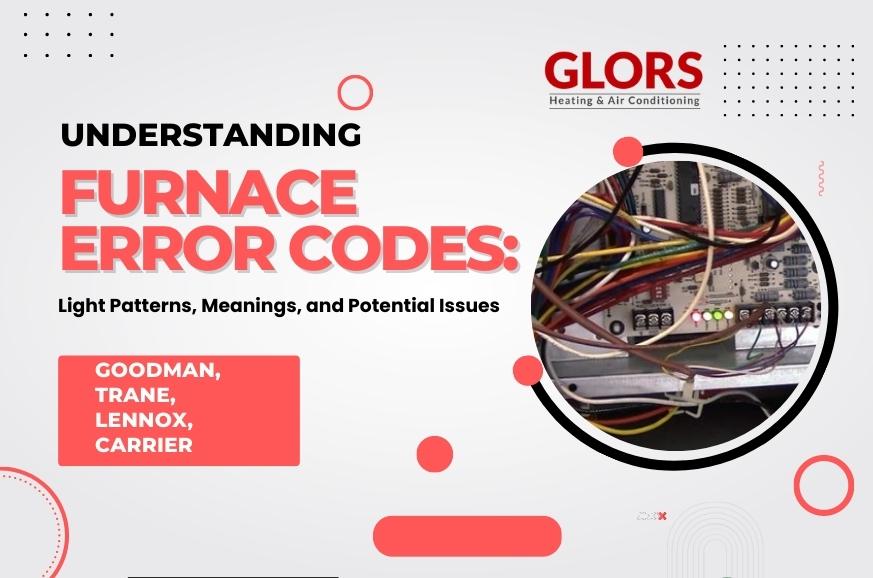
Day & Night furnace light codes are a series of flashes from an LED light on your furnace's control board. These flashes, often a combination of long and short blinks, represent a specific error or issue within the furnace system. The codes are important because they provide a preliminary diagnosis, allowing you to understand the general nature of the problem before calling for service. This can help you communicate the issue more effectively to a technician, potentially saving diagnostic time and costs.
Think of it like your car's check engine light – it doesn't tell you *exactly* what's wrong, but it indicates that something needs attention. Similarly, furnace light codes point you in the right direction.
Q2: Where can I find the meaning of the light codes for my Day & Night furnace?
The light code definitions are usually found in one of three places:
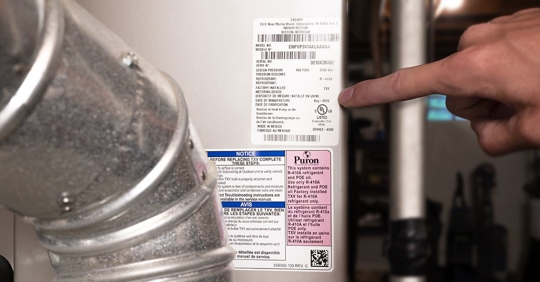
- Inside the furnace access panel: Many Day & Night furnaces have a sticker or a printed card attached to the inside of the access panel. This sticker contains a list of common light codes and their corresponding meanings. This is usually the first place to look.
- Furnace Owner's Manual: The owner's manual that came with your furnace should also include a section dedicated to troubleshooting and light code interpretation. Check the table of contents or the index for "error codes," "fault codes," or "troubleshooting."
- Online Resources: If you can't find the information in the furnace or manual, you can search online. Try searching for "Day & Night furnace light codes [your furnace model number]" on the manufacturer website. Remember to find your exact furnace model number before searching, as codes can vary slightly between models.
Always refer to the official documentation for your specific furnace model for accurate interpretations. Using information from a different model can lead to misdiagnosis.
Q3: How do I read and interpret the Day & Night furnace light codes? What do long and short flashes mean?
Day & Night furnaces typically use a combination of long and short flashes to communicate error codes. Here's a general guideline:
- Long Flash: A long flash usually indicates the first digit or "tens" place of the error code. For example, two long flashes might represent the number "20."
- Short Flash: A short flash typically represents the second digit or "ones" place of the error code. For example, three short flashes might represent the number "3."
Therefore, two long flashes followed by three short flashes would likely indicate error code "23." The pause between the sequence of flashes is also important. A longer pause signifies the beginning of a new code. It’s crucial to count the flashes carefully, paying attention to the length and spacing between them.
Example: Let's say the light flashes two long flashes, a brief pause, and then four short flashes. This likely corresponds to error code 24. You would then need to consult your furnace documentation to determine the meaning of error code 24 for *your specific Day & Night furnace model*.
Note: This is a general explanation. Always confirm the specific interpretation method in your furnace's documentation. Some models may use a different flashing pattern.
Q4: What are some of the most common Day & Night furnace light codes and what do they usually indicate?
Here are a few of the most common Day & Night furnace light codes and their likely meanings. Remember, these are general explanations, and your furnace's documentation should always be consulted for the accurate definition.
- Code 11 or 1 Flash: Flame failure. This usually indicates that the furnace tried to ignite but failed to detect a flame. Possible causes include a faulty flame sensor, gas valve issues, or a problem with the ignition system.
- Code 13 or 3 Flashes: Limit switch open. This means a safety limit switch has tripped, indicating the furnace is overheating. This could be due to a dirty filter, blocked vents, or a faulty blower motor.
- Code 31 or 1 Long Flash, 1 Short Flash: Pressure switch open before inducer motor starts. This suggests a problem with the pressure switch, which monitors the proper airflow through the furnace. Possible causes include a blocked flue, a faulty inducer motor, or a problem with the pressure switch itself.
- Code 34 or 3 Long Flashes, 4 Short Flashes: Igniter circuit problem. This indicates an issue with the igniter, which is responsible for igniting the gas. Possible causes include a faulty igniter, a wiring problem, or a problem with the control board.
- Code 41 or 4 Long Flashes, 1 Short Flash: Blower motor fault. This means there's a problem with the blower motor, which circulates air throughout your home. Possible causes include a faulty motor, a capacitor issue, or a wiring problem.
It's crucial to note that these are simplified explanations. Many factors can contribute to these errors, and proper diagnosis often requires specialized tools and knowledge. Always consult a qualified HVAC technician for complex issues.
Q5: What can I do myself to troubleshoot a Day & Night furnace light code before calling a technician?
Before calling a technician, there are a few basic troubleshooting steps you can take:
- Check the Thermostat: Ensure your thermostat is set to "heat" and the temperature is set above the current room temperature. Make sure the batteries are fresh, if applicable.
- Check the Air Filter: A dirty air filter is a common cause of furnace problems, especially overheating (limit switch open - code 13). Replace the filter with a clean one.
- Check the Gas Supply: Make sure the gas valve to the furnace is turned on. Also, check your other gas appliances to confirm you have gas service.
- Reset the Furnace: Turn off the power to the furnace at the breaker box for a few minutes, then turn it back on. This can sometimes clear temporary errors.
- Check the Vents: Make sure that your supply and return vents are not blocked by furniture, rugs, or other objects. Proper airflow is crucial for furnace operation.
Important Safety Note: Never attempt to repair gas lines or electrical components yourself. These tasks should only be performed by qualified professionals. If you are uncomfortable with any of these steps, or if the problem persists after performing these checks, call a qualified HVAC technician immediately.
Q6: When should I call a professional HVAC technician, even if I've identified the light code?
While understanding light codes can be helpful, there are many situations where calling a professional HVAC technician is essential:
- If you're uncomfortable working with gas or electricity: Gas and electrical systems can be dangerous. If you're not comfortable working with these systems, it's always best to call a professional.
- If the problem involves gas leaks: If you suspect a gas leak (e.g., you smell gas), evacuate the area immediately and call your gas company and a qualified HVAC technician.
- If the light code indicates a serious issue: Some light codes indicate significant problems that require specialized knowledge and tools to diagnose and repair.
- If you've tried troubleshooting and the problem persists: If you've checked the thermostat, filter, gas supply, and reset the furnace, and the light code still appears, it's time to call a professional.
- If you lack the necessary skills or tools: Diagnosing and repairing furnace problems often requires specialized tools, such as a multimeter or manometer, and the knowledge to use them correctly.
- If the furnace is under warranty: Attempting to repair the furnace yourself may void the warranty. Contact the manufacturer or a qualified technician authorized to perform warranty work.
In summary, if you're unsure about the cause of the light code or how to fix it, err on the side of caution and call a qualified HVAC technician. They have the experience, training, and tools to diagnose and repair furnace problems safely and effectively.
Q7: How can I prevent furnace problems and minimize the likelihood of seeing error codes?
Preventative maintenance is key to keeping your Day & Night furnace running smoothly and minimizing the risk of encountering error codes. Here are some essential tips:
- Regularly Replace Air Filters: Change your air filter every 1-3 months, depending on the type of filter and the air quality in your home. A dirty filter restricts airflow and can cause the furnace to overheat.
- Schedule Annual Furnace Maintenance: Have a qualified HVAC technician inspect and service your furnace annually. This includes cleaning burners, checking for gas leaks, testing safety controls, and lubricating moving parts.
- Keep Vents Clear: Ensure that your supply and return vents are not blocked by furniture or other obstructions.
- Monitor for Unusual Noises: Pay attention to any unusual noises coming from your furnace, such as banging, rattling, or squealing. These noises could indicate a potential problem.
- Check the Flue: Ensure the flue (the pipe that vents exhaust gases outside) is clear of obstructions, such as bird nests or debris.
- Consider a Smart Thermostat: A smart thermostat can help you optimize your heating schedule and potentially save energy. Some smart thermostats also provide alerts if they detect unusual furnace behavior.
By following these preventative maintenance tips, you can extend the life of your Day & Night furnace, improve its efficiency, and reduce the likelihood of encountering unexpected problems and error codes. A well-maintained furnace is a safer and more reliable furnace.