Day & Night Furnace Filter Location
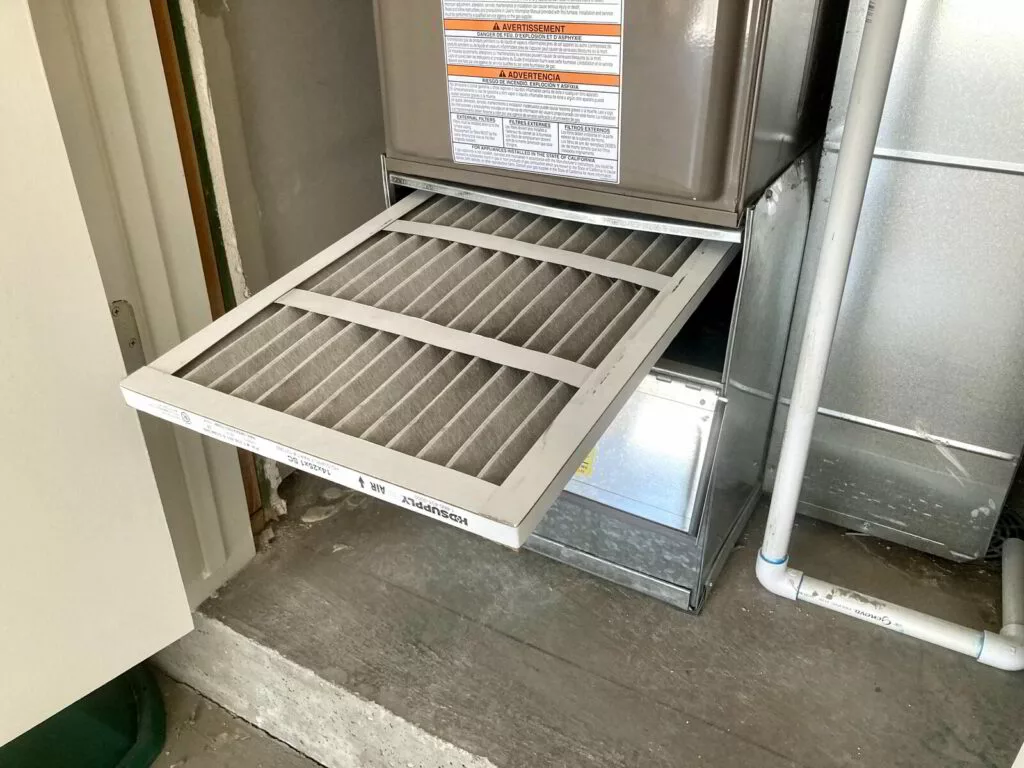
One of the most common, and easily preventable, issues homeowners face with their day & night furnaces is poor performance stemming from a dirty or missing air filter. This seemingly small component plays a crucial role in both the efficiency and longevity of your heating and cooling system. A clogged filter restricts airflow, forcing your furnace to work harder, which can lead to increased energy bills, uneven heating, and even premature breakdowns. Many homeowners either don't know where their filter is located, or neglect to change it regularly. This article will guide you through finding your furnace filter and addressing related issues.
Diagnosing the Problem: Reduced Airflow and Uneven Heating
Before you start tearing things apart, let's confirm that a dirty filter is indeed the likely culprit. Here are some telltale signs that your furnace filter needs attention:
- Reduced airflow: Noticeably weaker airflow from your vents.
- Uneven heating: Some rooms are warmer than others.
- Increased energy bills: A sudden spike in your heating costs.
- Furnace cycles on and off frequently: Short cycling can be a sign of overheating due to restricted airflow.
- Visible dust buildup: Dust accumulating around your vents and in your home.
If you're experiencing one or more of these symptoms, locating and inspecting your furnace filter should be your first step.
Step-by-Step Guide to Finding Your Day & Night Furnace Filter
The location of your furnace filter can vary depending on the model and installation of your Day & Night furnace. However, there are a few common places to check:
Step 1: Safety First – Power Down
Before you begin any troubleshooting, it is absolutely essential to turn off the power to your furnace. Locate the circuit breaker that controls your furnace and switch it to the "OFF" position. This will prevent any accidental electrical shocks while you're working.
Step 2: Check the Furnace Unit Itself
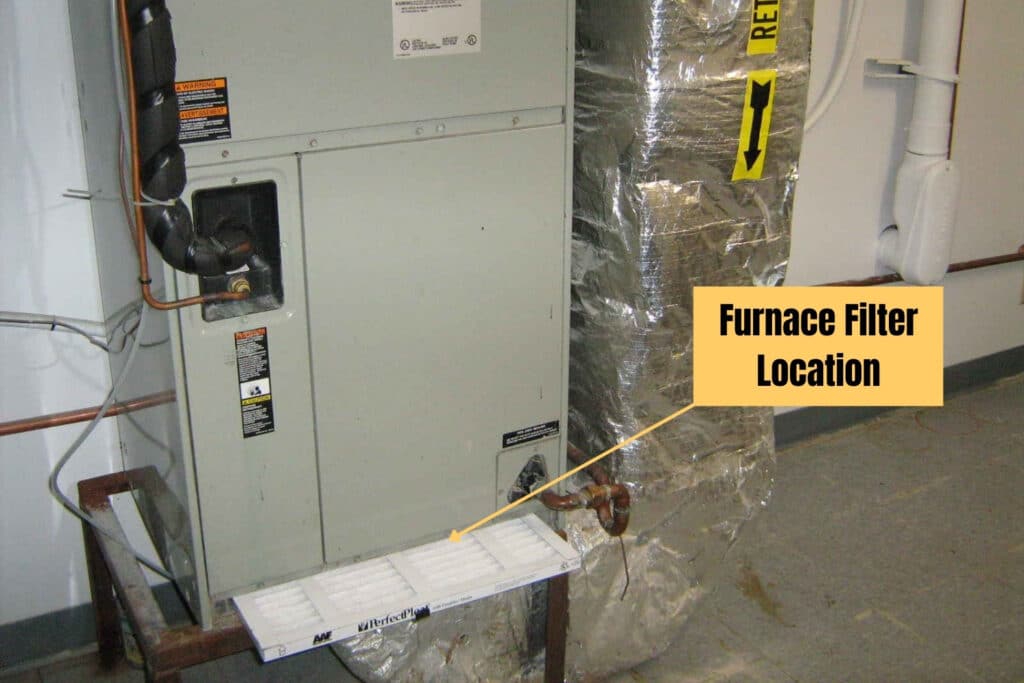
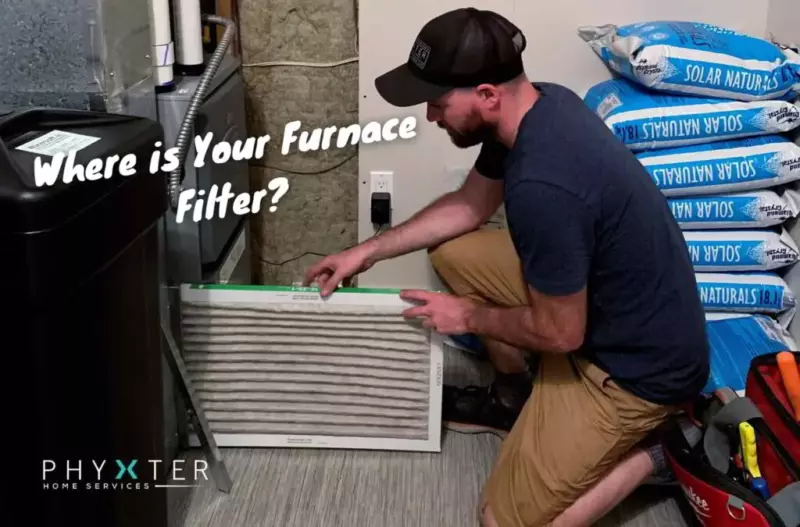
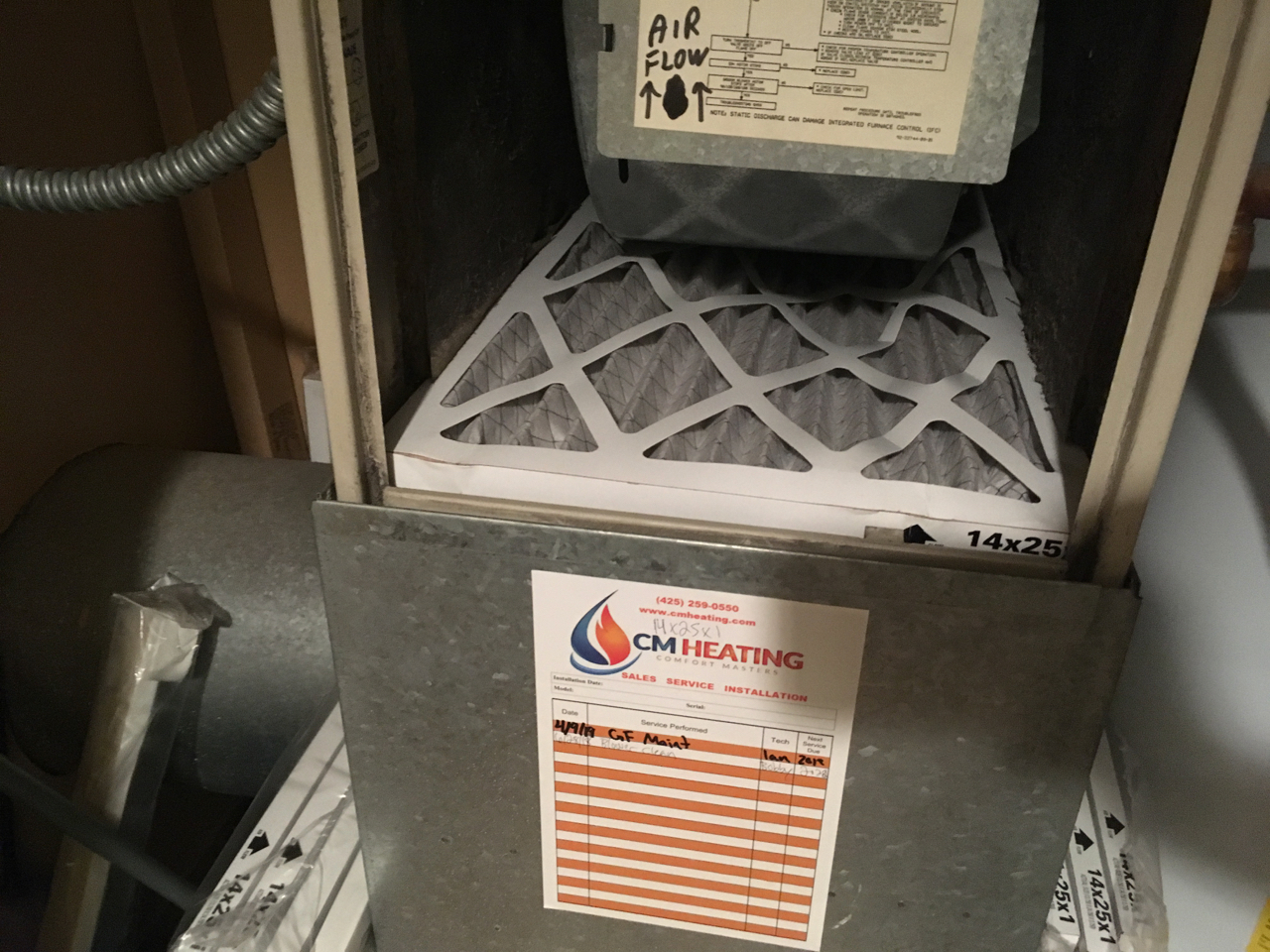
The most common location for the filter is inside the furnace unit itself. Look for a slot or door on the side, top, or bottom of the furnace cabinet. These access points are usually secured with latches, screws, or clips. Here's what to look for based on furnace orientation:
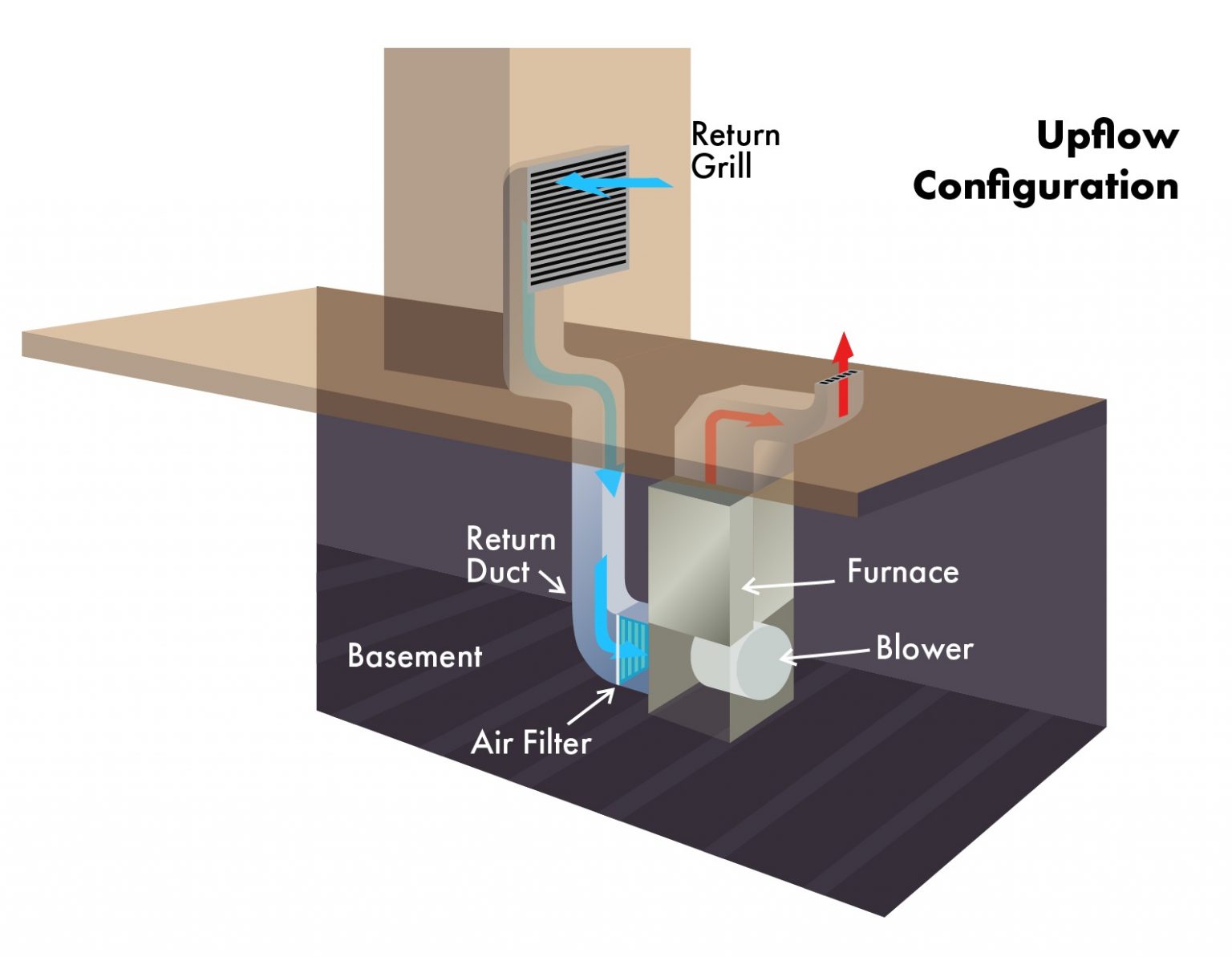
- Upflow Furnaces: These furnaces typically pull air from the bottom and vent it out the top. The filter is usually located at the bottom of the unit, behind a removable panel.
- Downflow Furnaces: These furnaces pull air from the top and vent it out the bottom. The filter is usually located at the top of the unit, behind a removable panel.
- Horizontal Furnaces: These furnaces are typically installed in attics or crawl spaces and blow air horizontally. The filter can be located on either side of the unit, depending on the airflow direction.
Carefully examine the furnace cabinet for any obvious access panels or slots. Look for labels or arrows indicating the filter location.
Step 3: Follow the Return Air Duct
If you can't find the filter on the furnace itself, follow the large return air duct that leads into the furnace. The return air duct is responsible for drawing air from your home back into the furnace for heating or cooling. The filter may be located somewhere along this duct.
- Look for a filter grille on the wall or ceiling: In some homes, the filter is located behind a decorative grille on the wall or ceiling, where the return air duct begins. These grilles are usually held in place with screws or clips.
- Inspect the ductwork near the furnace: Check for a filter housing or slot in the ductwork close to the furnace unit. Some systems have the filter placed within the ductwork itself, just before it enters the furnace.
Step 4: Check Multiple Return Air Grilles
In larger homes with multiple return air grilles, each grille may have its own filter. Check each grille individually for a filter access panel.
Step 5: Consult Your Furnace Manual
If you've exhausted all other options, refer to your Day & Night furnace manual. The manual should provide a diagram or instructions indicating the exact location of the filter for your specific model. If you've misplaced your manual, you can usually find a digital copy online by searching for your furnace model number.
Inspecting and Replacing the Filter: A Simple DIY Fix
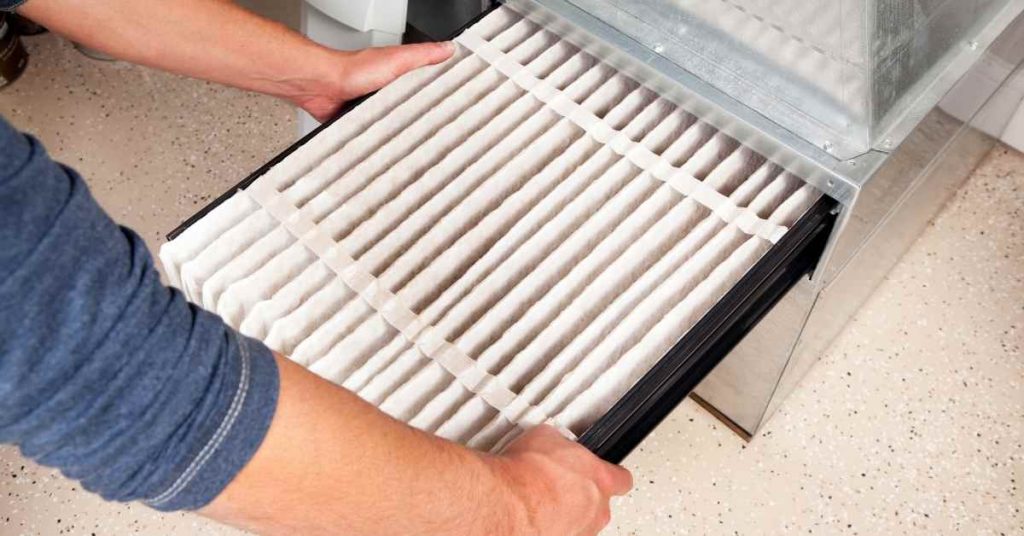
Once you've located the filter, carefully remove it and inspect its condition. A dirty filter will be visibly clogged with dust, dirt, and debris. If the filter is gray or black, it definitely needs to be replaced.
Step 1: Note the Filter Size and Type
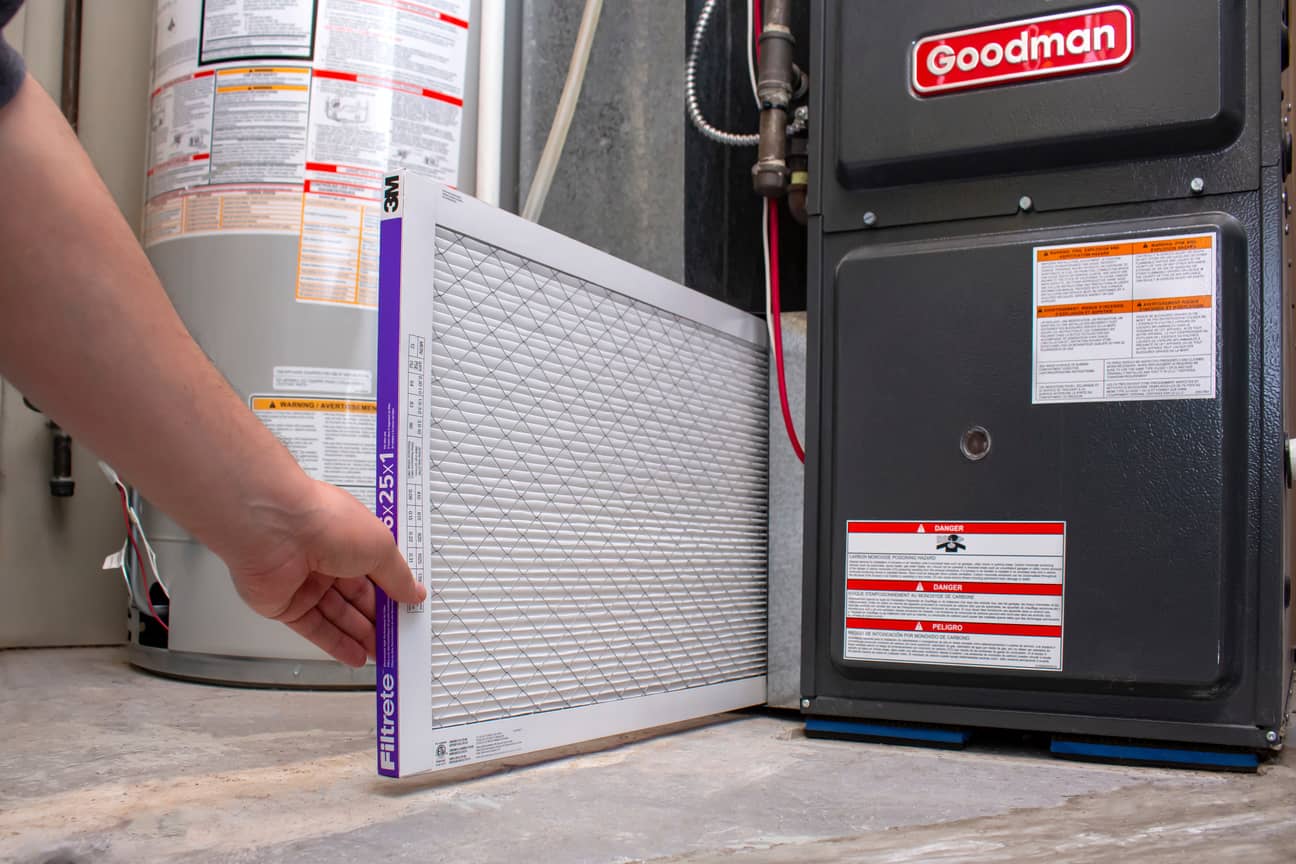
Before you throw away the old filter, take note of its size (length, width, and thickness). This information is usually printed on the filter frame. You'll need this information to purchase a replacement filter of the correct size. Also note the filter type (e.g., fiberglass, pleated, electrostatic). Pleated filters generally offer better filtration and are recommended for most homes.
Step 2: Purchase a Replacement Filter
You can purchase replacement filters at most hardware stores, home improvement centers, and online retailers. When selecting a filter, consider the Minimum Efficiency Reporting Value (MERV) rating. MERV ratings range from 1 to 16, with higher numbers indicating better filtration. A MERV rating of 8-11 is generally recommended for residential use, as it provides a good balance between filtration and airflow.
Step 3: Install the New Filter
Pay close attention to the airflow direction arrow printed on the side of the filter. This arrow indicates the direction of airflow and should point towards the furnace. Insert the new filter into the filter slot or housing, ensuring that the airflow arrow is correctly oriented. Secure the access panel or grille.
Step 4: Power Up and Test
Switch the circuit breaker back to the "ON" position and turn on your furnace. Observe the airflow from your vents. You should notice an immediate improvement in airflow compared to before you replaced the filter. Listen to the furnace; it should sound less strained and cycle more smoothly.
Safe Disposal of Old Filters
Most used furnace filters can be safely disposed of in your regular household trash. However, if you have allergies or asthma, or if the filter is heavily soiled with mold or other contaminants, you may want to double-bag it before disposal to prevent the release of allergens or contaminants into the air.
Preventative Maintenance: Regular Filter Changes
The key to preventing future problems is to change your furnace filter regularly. How often you need to change your filter depends on several factors, including the type of filter, the presence of pets, the level of dust in your home, and the frequency of furnace use. As a general guideline:
- Fiberglass filters: Change every 30 days.
- Pleated filters: Change every 60-90 days.
- Homes with pets or allergies: Change filters more frequently, perhaps every 30-60 days.
A good way to remember to change your filter is to set a reminder on your phone or calendar. You can also subscribe to a filter subscription service that automatically ships you new filters on a regular basis.
When to Call a Professional
While changing your furnace filter is a simple DIY task, there are certain situations where you should call a qualified HVAC technician. Here are some red flags:
- You can't locate the filter: If you've followed all the steps outlined above and still can't find the filter, it's time to call a professional. They can help you locate the filter and ensure that it's properly installed.
- The filter housing is damaged: If the filter housing or access panel is damaged, it may need to be repaired or replaced. A damaged housing can allow unfiltered air to bypass the filter, which can damage your furnace.
- You notice mold or mildew: If you see mold or mildew growth around the filter or in the ductwork, it's important to have it professionally remediated. Mold can cause serious health problems.
- The furnace continues to short cycle after changing the filter: If your furnace continues to cycle on and off frequently after you've replaced the filter, there may be a more serious underlying problem. A technician can diagnose the issue and recommend the appropriate repairs.
- You're uncomfortable working with electricity or gas appliances: If you're not comfortable working with electrical components or gas appliances, it's always best to err on the side of caution and call a professional. Improperly handled electrical or gas appliances can be dangerous.
- Significant Duct Damage: If you identify significant damage to your ductwork (holes, disconnected sections), professional repair is necessary to ensure efficient and safe operation. Don't attempt to patch large breaches yourself.
Ignoring these issues can lead to more serious and costly problems down the road. A qualified HVAC technician has the knowledge, skills, and tools to diagnose and repair furnace problems safely and effectively.
Beyond the Filter: Other Simple Maintenance Steps
While the filter is the most frequent maintenance item, consider these basic checks:
- Clear vents and registers: Make sure furniture and curtains aren't blocking vents, restricting airflow.
- Check for obvious duct leaks: Look for disconnected sections or damage in accessible ductwork. Even small leaks reduce efficiency.
- Carbon Monoxide Detectors: Ensure you have working carbon monoxide detectors installed throughout your home. Test them regularly. This is critical for safety.
By following these simple steps, you can keep your Day & Night furnace running efficiently and safely for years to come. Regular maintenance, including changing your filter, will save you money on energy bills and prevent costly repairs.