Decorating Around Baseboard Heaters
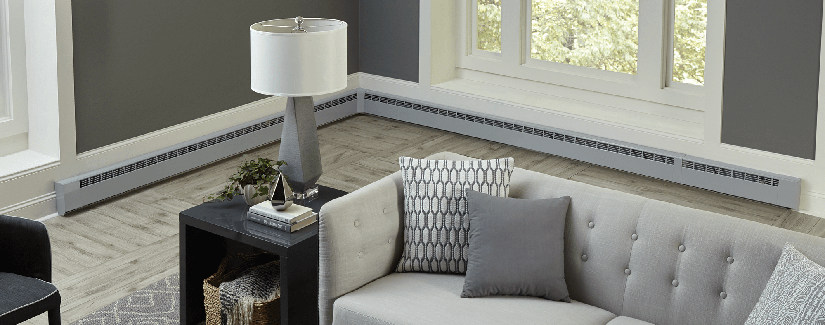
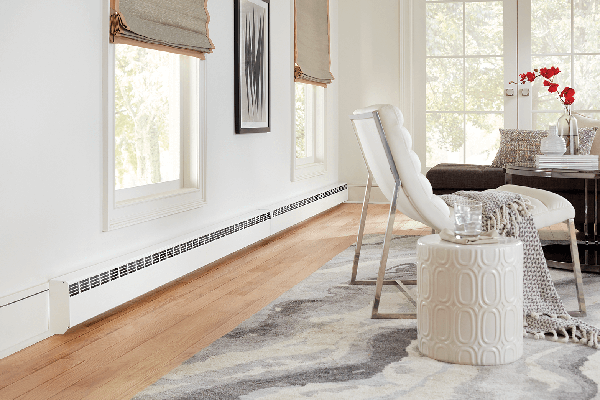
Baseboard heaters offer a cost-effective heating solution, particularly for supplemental heating in specific rooms. However, their placement along walls presents a unique challenge when it comes to interior design. Obstructing them can severely impact their efficiency, leading to higher energy bills and potentially creating safety hazards. This article provides guidance on how to decorate around baseboard heaters effectively, ensuring both style and optimal performance for homeowners, businesses, and HVAC professionals alike.
Understanding Baseboard Heater Efficiency and Safety
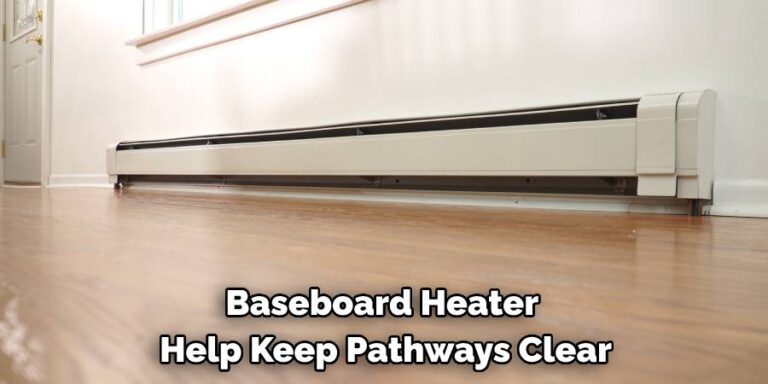
Baseboard heaters operate on the principle of convection. Cool air enters the bottom of the unit, is heated by the internal heating element (electric or hydronic), and rises to circulate throughout the room. Obstructing this airflow reduces the heater's ability to efficiently distribute heat. The U.S. Department of Energy estimates that even a partial blockage can decrease efficiency by as much as 25%. This translates directly into higher energy consumption and increased heating costs. Furthermore, placing flammable materials too close to electric baseboard heaters poses a fire risk. The National Fire Protection Association (NFPA) recommends maintaining a clearance of at least 12 inches around electric baseboard heaters.
Key takeaway: Blocking airflow around baseboard heaters significantly reduces efficiency and poses safety risks.
Practical Decorating Solutions
1. Furniture Placement
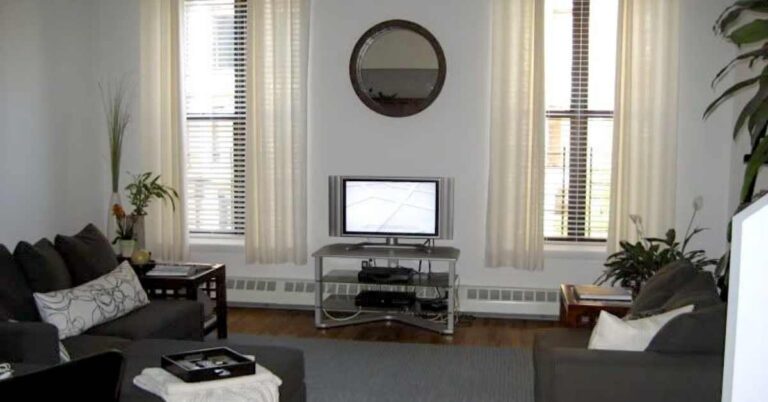
The most common mistake is placing furniture directly in front of baseboard heaters. Couches, chairs, and beds act as barriers, trapping heat and preventing it from circulating. A simple rule of thumb is to leave at least 12 inches of space between furniture and the heater. If space is limited, consider raising furniture on legs to allow airflow beneath. You can also position furniture perpendicular to the heater rather than directly in front of it, diverting airflow around the obstruction. Consider furniture with open bases or frames.
ROI Tip: By optimizing furniture placement, you can reduce your heating bill by up to 10-15% without any additional investment.
2. Window Treatments
Curtains and drapes can also impede airflow if they hang too low. Ensure that curtains end above the baseboard heater or are secured away from it. Options include:
- Short Curtains/Café Curtains: These end at the windowsill, avoiding any obstruction.
- Tiebacks: Use tiebacks to keep curtains pulled away from the heater when it’s in use.
- Lightweight Fabrics: Opt for lightweight, breathable fabrics that allow some heat to pass through. Avoid heavy, insulating materials like velvet or blackout curtains directly in front of heaters.
3. Shelving and Wall Decor
Avoid installing shelves directly above baseboard heaters. The heat rising from the heater can damage items placed on the shelves and may also create a fire hazard depending on the material of the shelf. Maintain a minimum of 6 inches between the top of the heater and any shelves. Similarly, avoid placing flammable wall decorations, such as tapestries or dried flower arrangements, near the heater.
4. Rugs and Flooring
While rugs placed *near* baseboard heaters pose no immediate danger, covering the floor *directly above* hydronic baseboard pipes can reduce their heat output. Ensure that rugs are properly sized, allowing for sufficient space around the heater. For flooring materials, consider those with good thermal conductivity to promote even heat distribution throughout the room. Tile or stone flooring, for example, can absorb and radiate heat efficiently, complementing the baseboard heater's performance.
Creative Concealment and Enhancement
While complete obstruction is detrimental, carefully chosen covers can enhance the aesthetic appeal of baseboard heaters without sacrificing performance.
1. Decorative Baseboard Heater Covers
Several types of covers are available, ranging from simple metal screens to ornate wood or composite designs. The key is to choose covers that allow for ample airflow. Look for covers with large ventilation openings at the top and bottom. Some covers feature integrated reflectors to direct heat into the room. Before purchasing, measure your baseboard heater carefully to ensure a proper fit. Many online retailers offer custom sizing options.
Cost-Benefit Analysis: While decorative covers represent an initial investment, they improve the appearance of the heater and can potentially increase efficiency if designed to direct airflow.
2. Paint and Refurbishment
A fresh coat of paint can revitalize old or unsightly baseboard heaters. Use a heat-resistant paint specifically designed for metal surfaces. Thoroughly clean the heater before painting, removing any rust or debris. Consider painting the heater the same color as the wall to help it blend in. Disconnect electric heaters from their power source before any cleaning or painting.
DIY Tip: Use a wire brush to remove rust before painting for a longer-lasting finish.
Integrating Smart Home Technology
Smart thermostats and sensors can significantly enhance the efficiency of baseboard heaters, providing more precise temperature control and reducing energy waste. Several models are compatible with baseboard heaters, allowing you to schedule heating cycles, adjust temperatures remotely, and monitor energy consumption.
1. Smart Thermostats
Smart thermostats for baseboard heaters offer individual zone control, allowing you to heat only the rooms you are using. Some models learn your heating preferences and automatically adjust the temperature to optimize energy savings. Look for thermostats that are Energy Star certified, indicating that they meet strict energy efficiency guidelines. Consider models that offer integration with voice assistants like Amazon Alexa or Google Assistant for hands-free control.
2. Smart Sensors
Smart sensors can be placed throughout your home to monitor temperature and occupancy. These sensors communicate with your smart thermostat, adjusting the heating output based on real-time conditions. For example, if a room is unoccupied, the sensor can signal the thermostat to lower the temperature. Some sensors can also detect open windows or doors, automatically turning off the heater to prevent energy waste.
ROI Example: Smart thermostats can reduce heating costs by 10-20%, paying for themselves within a year or two.
Working with HVAC Professionals
For optimal energy efficiency and safety, consult with a qualified HVAC professional. They can assess your heating needs, recommend appropriate baseboard heater models, and ensure proper installation and maintenance. They can also advise on the best smart home integration options for your specific setup. Furthermore, qualified contractors are often aware of local rebates and incentives for energy-efficient upgrades, which can further reduce your upfront costs.
1. Energy Audits
A professional energy audit can identify areas in your home where energy is being wasted, including inefficient heating systems. The auditor will assess your insulation, windows, doors, and HVAC system, providing recommendations for improvements. Many utility companies offer rebates or incentives for energy audits.
2. Professional Installation and Maintenance
Proper installation is crucial for the safe and efficient operation of baseboard heaters. A qualified HVAC technician can ensure that the heater is properly sized for the room, wired correctly, and vented adequately (for hydronic systems). Regular maintenance, such as cleaning the heating elements and checking for leaks, can also extend the lifespan of your heater and prevent costly repairs.
Contractor Tip: Promote energy-efficient baseboard heater models and smart home integration solutions to attract environmentally conscious customers.
Conclusion
Decorating around baseboard heaters requires a thoughtful approach that balances aesthetics with functionality. By understanding the principles of convection heating, following the guidelines outlined above, and leveraging smart home technology, homeowners and businesses can create a comfortable and energy-efficient environment. Working with qualified HVAC professionals ensures that your heating system operates safely and optimally, maximizing your return on investment and reducing your carbon footprint. Remember to always prioritize safety and airflow when making decorating decisions.