Dew Point And Wet Bulb Temperature
Understanding your indoor climate goes beyond just knowing the temperature. Two key factors often overlooked, yet crucial for energy efficiency and comfort, are dew point and wet bulb temperature. Grasping these concepts can unlock significant energy savings, improve your HVAC system's performance, and even enhance your health and well-being.
What is Dew Point?
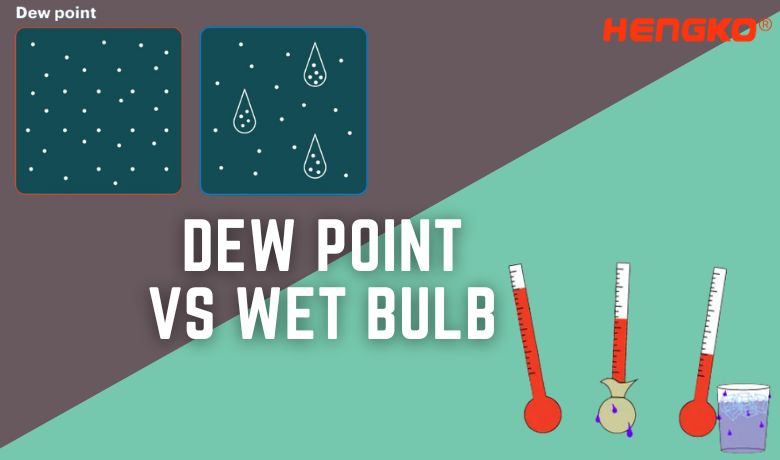
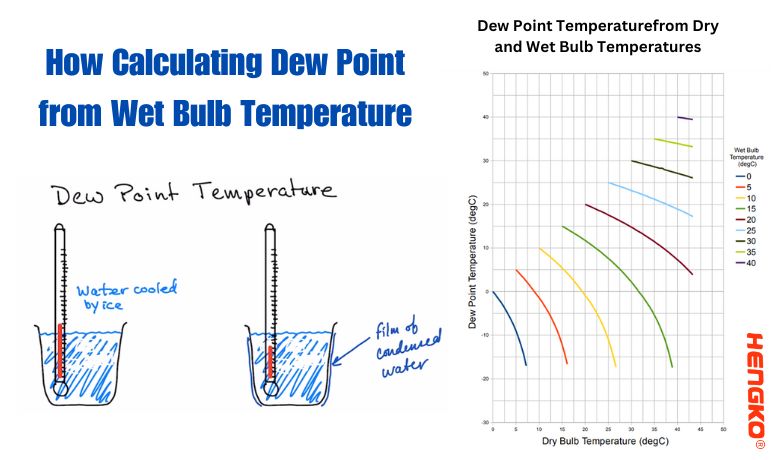
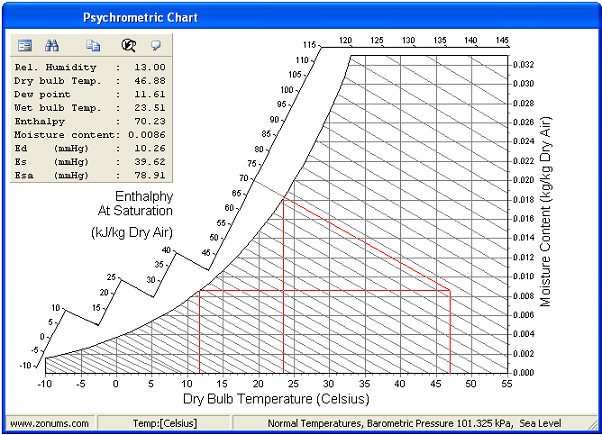
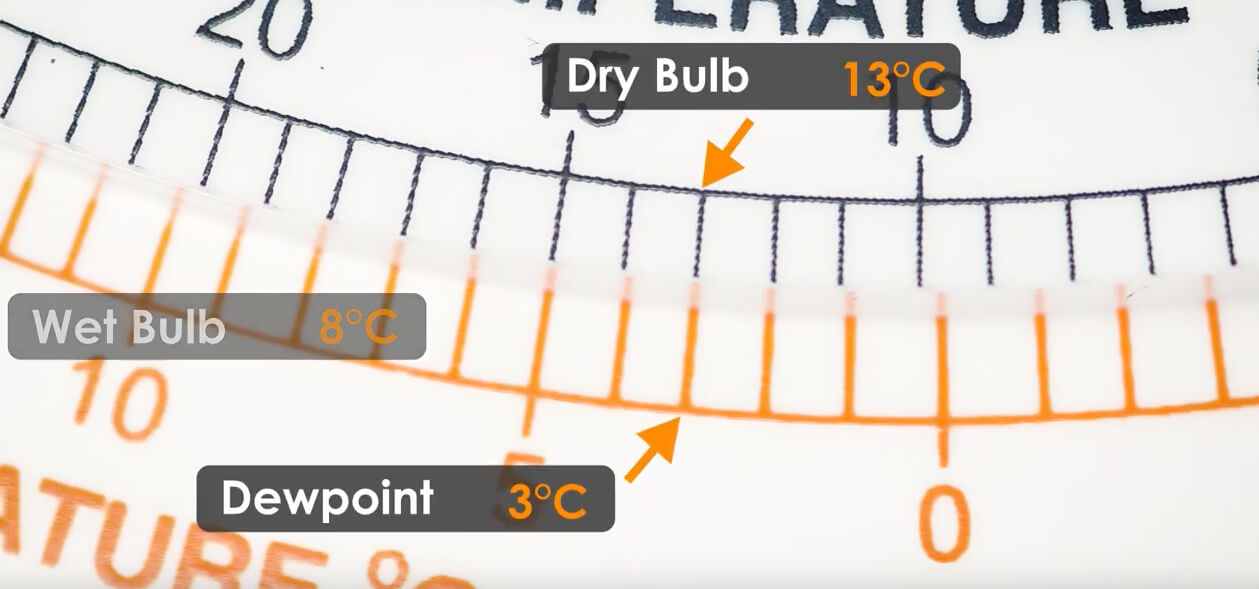
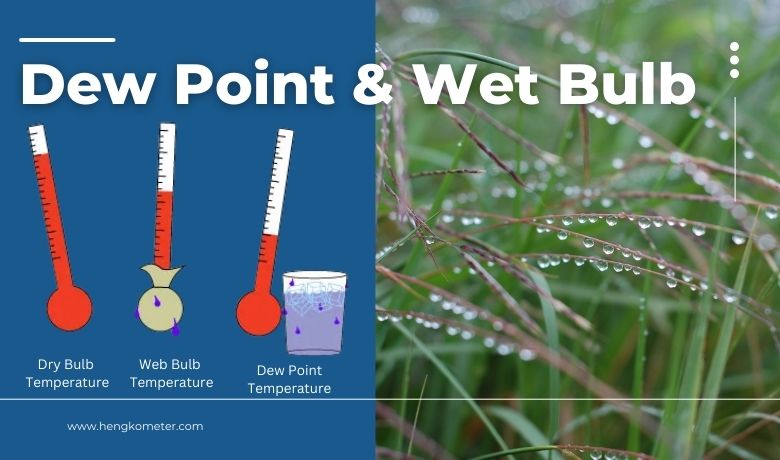
The dew point is the temperature at which the air becomes saturated with water vapor, and condensation begins to form. Think of it as the "point of no return" for humidity. A higher dew point indicates more moisture in the air, making it feel stickier and more uncomfortable. A lower dew point signifies drier air. For example, a dew point of 70°F feels oppressively humid, while a dew point of 40°F feels dry and comfortable. This is because the air simply cannot hold any more moisture at that point, and it turns to liquid. Dew point is a direct measure of humidity and is not affected by the actual air temperature.
How it Affects You: A high dew point means your air conditioner has to work harder to remove moisture from the air, consuming more energy. If your HVAC system isn't efficient at dehumidifying, you'll feel uncomfortable even at a moderate temperature, leading you to lower the thermostat further, increasing energy consumption.
Understanding Wet Bulb Temperature
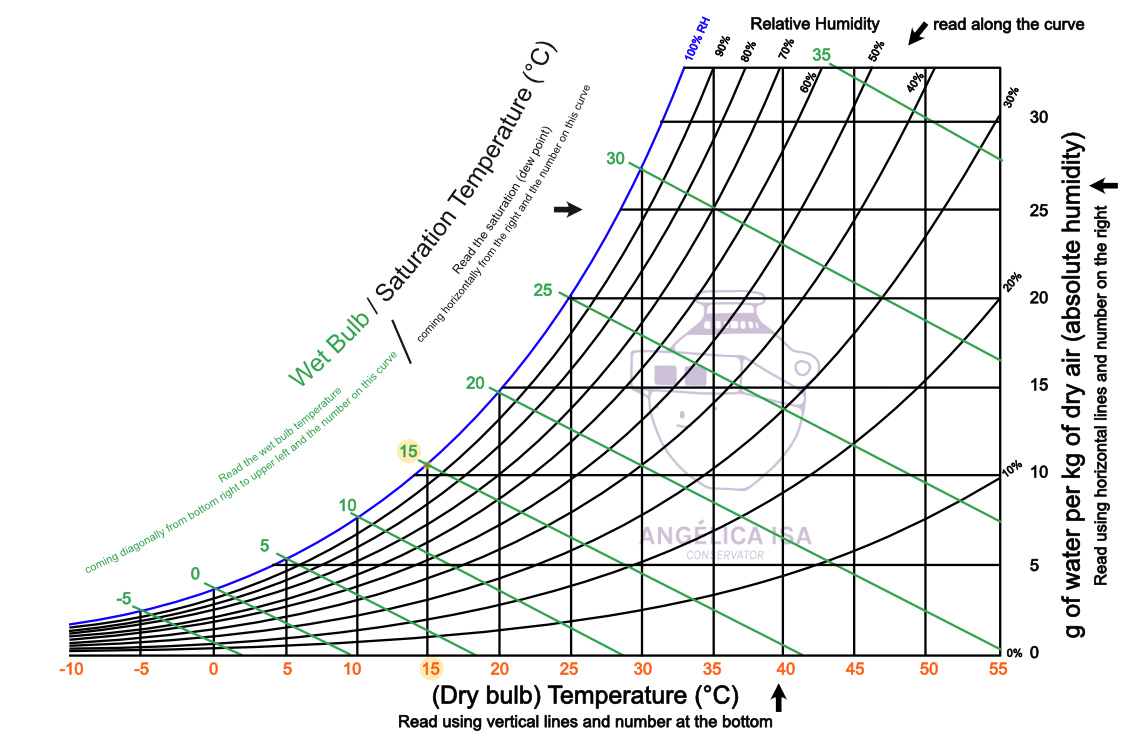
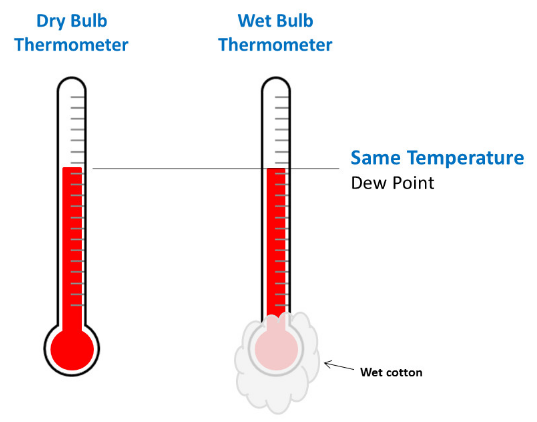
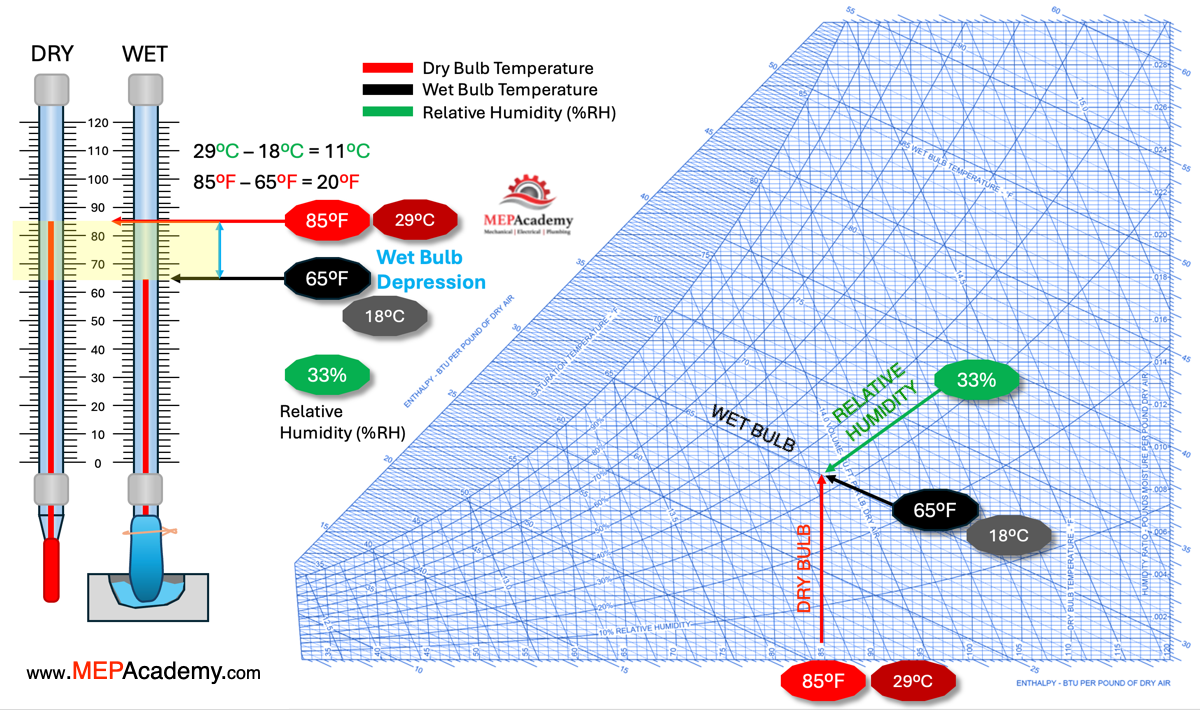
Wet bulb temperature is the temperature read by a thermometer covered in a water-soaked cloth over which air is passed. It represents the temperature a parcel of air would have if cooled to saturation (100% humidity) by the evaporation of water into it. It's always lower than or equal to the dry-bulb temperature (the normal air temperature) but will be nearly identical if the air is already saturated (100% humidity). The difference between wet and dry bulb temperatures provides an indication of the humidity in the air.
Think of it this way: Imagine sweating on a hot day. As sweat evaporates, it cools your skin. The wet bulb temperature is essentially measuring that cooling effect. The drier the air, the faster the evaporation, and the lower the wet bulb temperature will be.
How it Affects You: Wet bulb temperature is a critical factor in determining the effectiveness of evaporative cooling systems, sometimes called "swamp coolers". These systems work best in dry climates where the wet bulb temperature is significantly lower than the dry bulb temperature. In humid climates, evaporative cooling is much less effective.
Why Dew Point and Wet Bulb Matter for Energy Efficiency
Both dew point and wet bulb temperature play a significant role in how efficiently your HVAC system operates. Ignoring these factors can lead to:
- Higher Energy Bills: An overworked AC struggling to dehumidify air with a high dew point consumes considerably more energy.
- Reduced Comfort: You might feel cold and clammy, or sticky and uncomfortable, even with the thermostat set at a reasonable temperature.
- HVAC System Strain: Constant overwork can shorten the lifespan of your air conditioner or heat pump.
- Mold and Mildew Growth: High humidity levels, indicated by a high dew point, can create a breeding ground for mold and mildew.
By understanding these concepts, you can make informed decisions about your HVAC settings and potentially invest in solutions that address humidity specifically, such as dehumidifiers or whole-house ventilation systems.
Strategies for Managing Humidity and Improving Efficiency
Here are several strategies to help you manage humidity and improve your HVAC system's efficiency:
1. Monitor Humidity Levels
Invest in a hygrometer or a smart thermostat that displays both temperature and humidity levels (dew point is even better!). Aim for indoor humidity levels between 30% and 50%. Many smart thermostats now integrate with humidity sensors to automatically adjust the cooling based on the dew point.
2. Use Your Air Conditioner Wisely
Set your thermostat to a reasonable temperature and avoid drastically lowering it in an attempt to compensate for high humidity. Instead, consider running your AC fan on "auto" to allow it to cycle and remove moisture more effectively. Some newer AC units have a "dehumidify" mode that prioritizes moisture removal.
3. Consider a Dehumidifier
If you live in a humid climate or have a damp basement, a dehumidifier can significantly improve comfort and reduce energy consumption. Choose an Energy Star-certified model for optimal efficiency. Portable units are great for individual rooms, while whole-house dehumidifiers integrate with your HVAC system for comprehensive humidity control.
4. Improve Ventilation
Proper ventilation helps remove excess moisture from your home. Use exhaust fans in bathrooms and kitchens to vent moisture-laden air outdoors. Consider a heat recovery ventilator (HRV) or energy recovery ventilator (ERV) for whole-house ventilation. HRVs are best for colder climates, while ERVs are better suited for warmer, humid climates as they also manage humidity. These systems exchange stale indoor air with fresh outdoor air while minimizing energy loss.
5. Seal Air Leaks
Air leaks can allow humid air to enter your home, increasing the load on your AC. Seal cracks and gaps around windows, doors, and pipes with caulk or weather stripping. Proper insulation also helps maintain consistent temperatures and reduces the potential for condensation.
6. Consider a Smart Thermostat with Dew Point Monitoring
Advanced smart thermostats can measure and respond to the dew point, not just the temperature. They can adjust the AC's run time to prioritize dehumidification, saving you energy and improving comfort. Some models even provide alerts if humidity levels are too high, indicating a potential problem.
7. Optimize Your HVAC System
Ensure your HVAC system is properly sized for your home. An oversized system may cool the air quickly but not effectively remove moisture. Schedule regular maintenance to ensure your system is running efficiently. Clean or replace air filters regularly, and have a professional inspect your system for leaks or other issues.
Evaporative Cooling (Swamp Coolers) and Wet Bulb Temperature
Evaporative coolers are an alternative to traditional air conditioning that are effective in dry climates where the wet bulb temperature is significantly lower than the dry bulb temperature. They work by passing air over water-soaked pads, causing the water to evaporate and cool the air. The effectiveness of evaporative cooling depends on the humidity level. The drier the air (lower wet bulb temperature), the more effective the cooling. In humid climates, evaporative coolers are generally not effective because the air is already saturated with moisture.
Government Programs and Rebates
Many government programs and utility companies offer rebates and incentives for energy-efficient HVAC equipment and home improvements. Check with your local utility company and the Energy Star website (www.energystar.gov) for information on available programs. Investing in Energy Star-certified appliances and HVAC systems can qualify you for significant savings. Additionally, many states offer tax credits for energy-efficient home improvements.
Real-World Examples and ROI
Let's consider a homeowner in Atlanta, Georgia, a humid subtropical climate. By investing in a smart thermostat that monitors dew point and automatically adjusts the AC settings, they could potentially reduce their cooling costs by 15-20%. This translates to hundreds of dollars in savings per year. Furthermore, adding a whole-house dehumidifier can improve indoor air quality, reduce the risk of mold growth, and further enhance comfort.
For a business owner upgrading their HVAC system, investing in a high-efficiency system with advanced humidity control can lead to even greater savings. A commercial building in Phoenix, Arizona might use an evaporative cooler for shoulder seasons when the wet bulb temperature is low. Not only that but upgrading to a system that has a high Seasonal Energy Efficiency Ratio (SEER) can also lower utility costs.
These upgrades also add value to a building, which can be beneficial during sales.
Working with HVAC Professionals
Consulting with a qualified HVAC professional is crucial for assessing your specific needs and recommending the best solutions. They can perform a load calculation to ensure your HVAC system is properly sized, evaluate your home's insulation and ventilation, and provide expert advice on humidity control options. A good HVAC contractor can also help you navigate available rebates and incentives.
In conclusion, understanding dew point and wet bulb temperature is essential for optimizing energy efficiency and comfort in your home or business. By monitoring humidity levels, implementing appropriate strategies for humidity control, and working with qualified HVAC professionals, you can save money on energy bills, improve indoor air quality, and extend the lifespan of your HVAC system. Embrace the knowledge and take control of your indoor climate!