Diagram Of Electric Hot Water Heater
Understanding the Electric Hot Water Heater: A Detailed Diagram and Guide
The electric hot water heater, a staple in many homes and buildings, provides a reliable source of hot water for various needs. While seemingly simple, its internal workings are crucial for efficient operation and troubleshooting. This article provides a comprehensive breakdown of the electric hot water heater, including a detailed diagram and explanations suitable for homeowners, HVAC technicians, and facility managers.
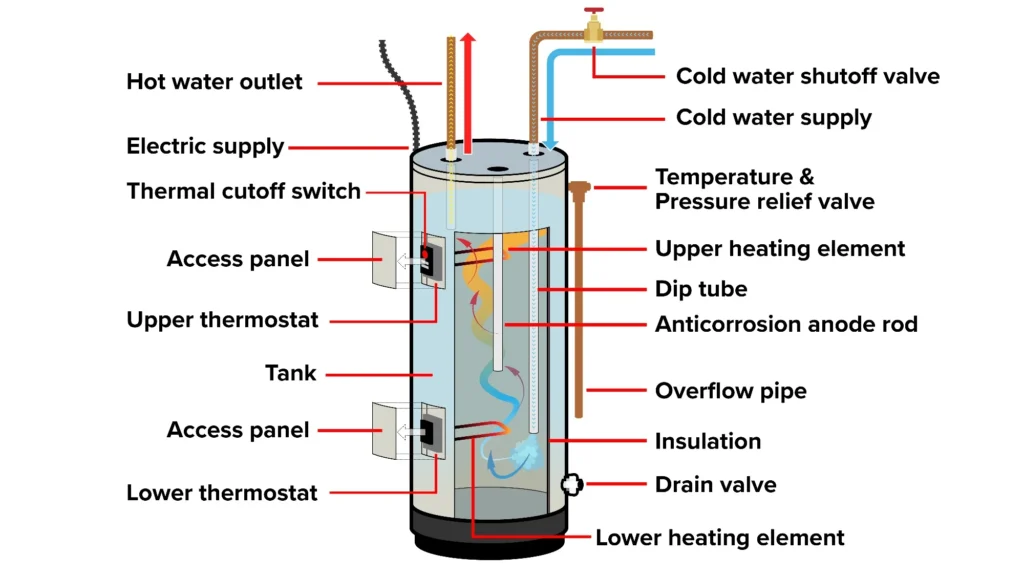
Components of an Electric Hot Water Heater
Let's start by examining the key components that make up a typical electric hot water heater.
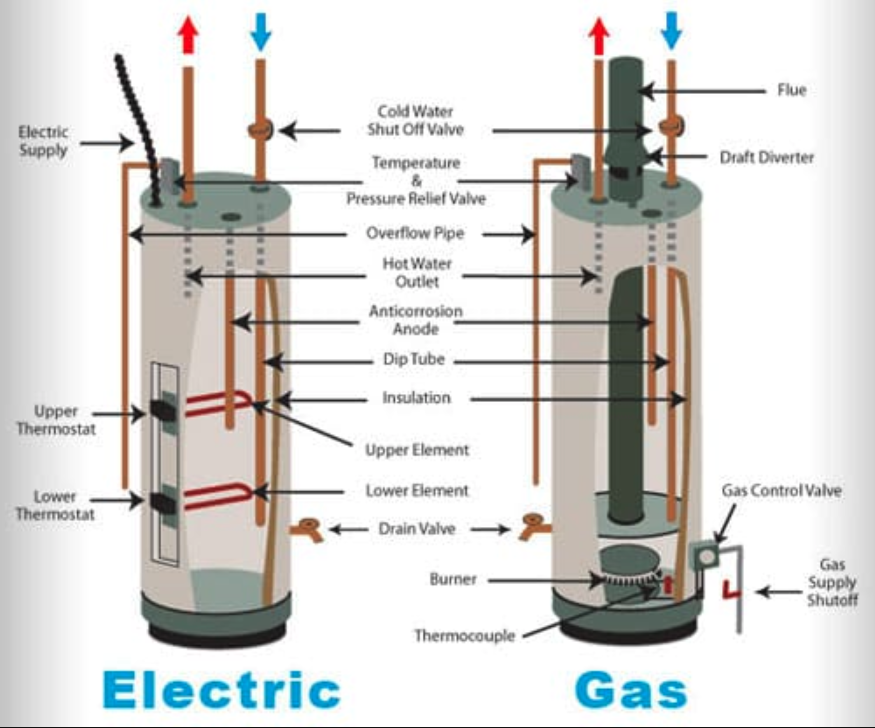
- Tank: The insulated tank holds the water to be heated. Tank size varies depending on demand, ranging from 20 gallons for small apartments to 80 gallons or more for larger households.
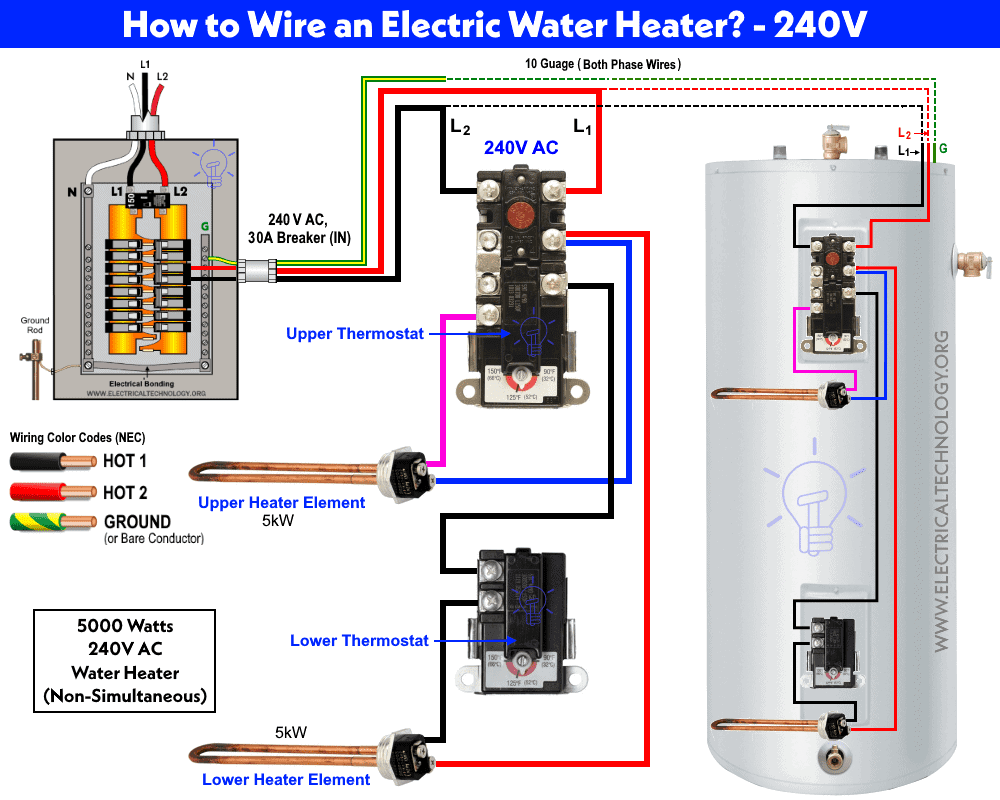
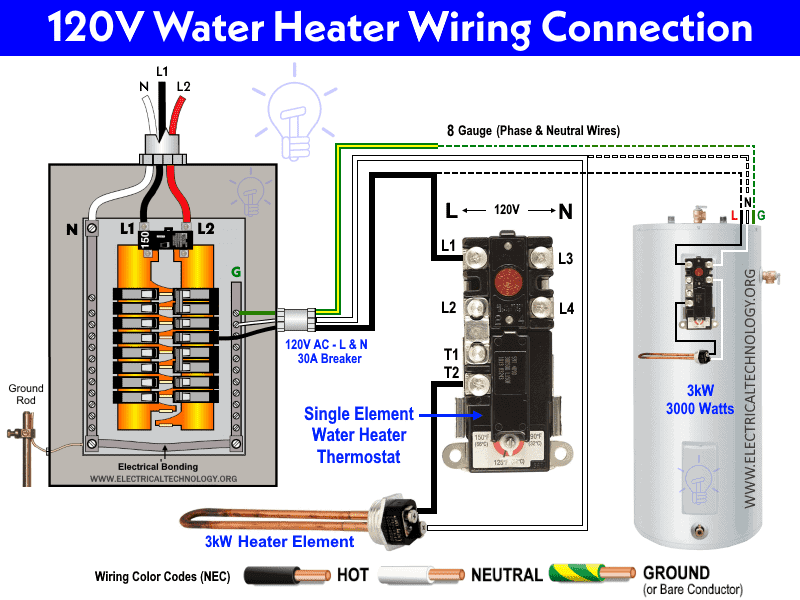
- Heating Elements: These are the heart of the electric heater. Typically, there are two elements: an upper and a lower. Each element is a high-resistance coil that heats up when electricity passes through it, transferring heat to the surrounding water.
- Thermostats: Each heating element has a corresponding thermostat to regulate the water temperature. The upper thermostat typically controls the upper element and initiates the heating process, while the lower thermostat ensures the entire tank reaches the set temperature.
- Dip Tube: The dip tube is a pipe that extends from the top of the tank to near the bottom. It directs cold water entering the tank to the bottom, preventing it from immediately mixing with the already heated water at the top. This maximizes efficiency and ensures a consistent supply of hot water.
- Anode Rod: The anode rod is a sacrificial metal rod (usually magnesium or aluminum) that attracts corrosive elements in the water. By corroding instead of the tank itself, the anode rod extends the lifespan of the water heater.
- Pressure Relief Valve (TPR Valve): This valve is a safety device that automatically releases pressure if it exceeds a safe limit. This prevents the tank from rupturing due to excessive pressure.
- Drain Valve: Located at the bottom of the tank, the drain valve allows you to drain the tank for maintenance, sediment removal, or when the heater is not in use for an extended period.
- Insulation: The tank is heavily insulated to minimize heat loss, improving energy efficiency. Modern water heaters often use foam insulation for optimal performance.
- Temperature/Pressure (T/P) Relief Valve Discharge Pipe: A pipe connected to the TPR valve that directs released hot water and steam safely away from the tank.
Electric Hot Water Heater Diagram and Explanation
Imagine a cylindrical tank standing upright. The cold water inlet is typically located at the top, where it connects to the dip tube. The hot water outlet is also at the top, allowing the hottest water to be drawn from the tank. The heating elements are positioned at different levels within the tank, with the thermostats located nearby to sense the water temperature.
When hot water is used, cold water enters the tank through the dip tube. This triggers the upper thermostat to activate the upper heating element. As the water heats, it rises to the top of the tank. Once the upper portion of the tank reaches the set temperature, the upper thermostat shuts off the upper element. The lower thermostat then takes over, ensuring the entire tank reaches the desired temperature. The anode rod is usually positioned near the top of the tank, protecting it from corrosion.
How an Electric Hot Water Heater Works
The operation of an electric hot water heater is relatively straightforward. When you turn on a hot water faucet, hot water is drawn from the top of the tank. This creates a vacuum, causing cold water to enter the tank through the dip tube. As the cold water enters, it triggers the heating elements to turn on and heat the water. The thermostats regulate the temperature, ensuring that the water is heated to the desired setting. The insulated tank minimizes heat loss, keeping the water hot for an extended period.
Maintenance Tips for Electric Hot Water Heaters
Regular maintenance is essential to prolong the lifespan and maintain the efficiency of your electric hot water heater.
- Flush the Tank Annually: Sediment buildup can reduce efficiency and shorten the lifespan of the heater. Flushing the tank removes sediment and helps maintain optimal performance. To do this, turn off the power and water supply to the heater. Connect a hose to the drain valve and run the water until it runs clear.
- Inspect the Anode Rod: The anode rod should be inspected every few years and replaced when it is significantly corroded. This prevents corrosion of the tank itself.
- Test the TPR Valve: Test the TPR valve annually to ensure it is functioning properly. Carefully lift the lever on the valve to release some water. If the valve doesn't reseal properly, it needs to be replaced.
- Check for Leaks: Regularly inspect the tank and connections for any signs of leaks. Address any leaks promptly to prevent further damage.
- Maintain Proper Temperature Setting: Setting the temperature too high can waste energy and increase the risk of scalding. A temperature of 120°F (49°C) is generally recommended for residential use.
Troubleshooting Common Problems
Here are some common problems that can occur with electric hot water heaters and how to troubleshoot them.
- No Hot Water: Check the circuit breaker to ensure the heater is receiving power. If the breaker is tripped, reset it. If it trips again, there may be a short circuit. Also, check the heating elements and thermostats. A faulty element or thermostat may need to be replaced.
- Not Enough Hot Water: This could be due to a faulty heating element, a thermostat set too low, or sediment buildup in the tank. Flush the tank and check the heating elements and thermostats.
- Water Too Hot: The thermostat may be set too high or may be malfunctioning. Adjust the thermostat or replace it if necessary.
- Leaking Tank: A leaking tank usually indicates corrosion and requires replacement. Minor leaks from connections can often be repaired by tightening the fittings.
- Noisy Water Heater: Rumbling or popping noises can be caused by sediment buildup in the tank. Flushing the tank can often resolve this issue.
Comparing Electric Hot Water Heaters to Other Options
Electric hot water heaters are just one option for heating water. Other options include gas water heaters, tankless water heaters, and heat pump water heaters. Here's a brief comparison:
- Electric vs. Gas: Electric water heaters are generally less expensive to purchase and install, but gas water heaters typically have lower operating costs due to the lower cost of natural gas. Gas heaters also heat water faster than electric models.
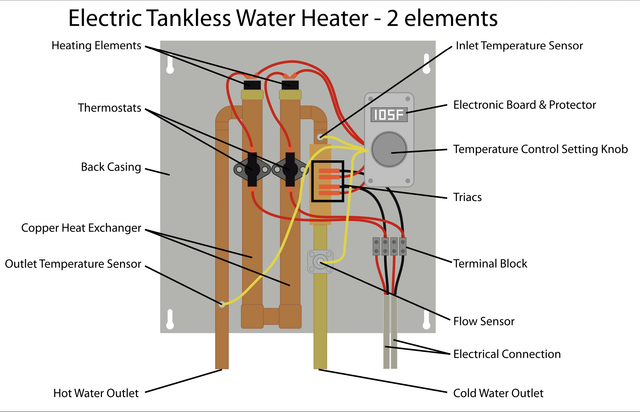
- Tank vs. Tankless: Tankless water heaters heat water on demand, eliminating the need for a storage tank. This can save energy, but tankless heaters typically have higher upfront costs and may require professional installation.
- Heat Pump Water Heaters: Heat pump water heaters are highly energy-efficient, using electricity to move heat from the surrounding air to the water. They have higher upfront costs but can save significant energy over their lifespan. Consider this option if you are replacing an existing electric heater and energy efficiency is a priority.
Cost, Efficiency, and Lifespan
Understanding the costs, efficiency ratings, and lifespan of electric hot water heaters is crucial for making informed decisions.
- Cost: The purchase price of an electric hot water heater typically ranges from $300 to $1000, depending on the size and features. Installation costs can vary depending on the complexity of the job, but generally range from $100 to $500.
- Efficiency: The energy efficiency of an electric hot water heater is measured by its Energy Factor (EF). A higher EF indicates greater efficiency. Look for models with an EF of 0.90 or higher. ENERGY STAR certified models meet even stricter efficiency standards.
- Lifespan: With proper maintenance, an electric hot water heater can last 10-15 years. Replacing the anode rod regularly and flushing the tank annually can significantly extend its lifespan.
Choosing the Right Electric Hot Water Heater
Selecting the right electric hot water heater depends on several factors, including your hot water needs, budget, and space constraints. Consider the following:
- Tank Size: Choose a tank size that meets your household's hot water demand. A smaller tank may be sufficient for a single person, while a larger family will need a larger tank.
- Energy Efficiency: Look for models with a high Energy Factor (EF) to minimize energy consumption and lower your utility bills.
- Features: Consider features such as digital displays, self-cleaning functions, and vacation modes to enhance convenience and efficiency.
- Warranty: Check the warranty offered by the manufacturer. A longer warranty provides greater peace of mind.
In conclusion, understanding the components, operation, maintenance, and troubleshooting of electric hot water heaters empowers homeowners, HVAC technicians, and facility managers to ensure efficient and reliable hot water supply. By considering the cost, efficiency, and lifespan of different models, you can make an informed decision that meets your specific needs.