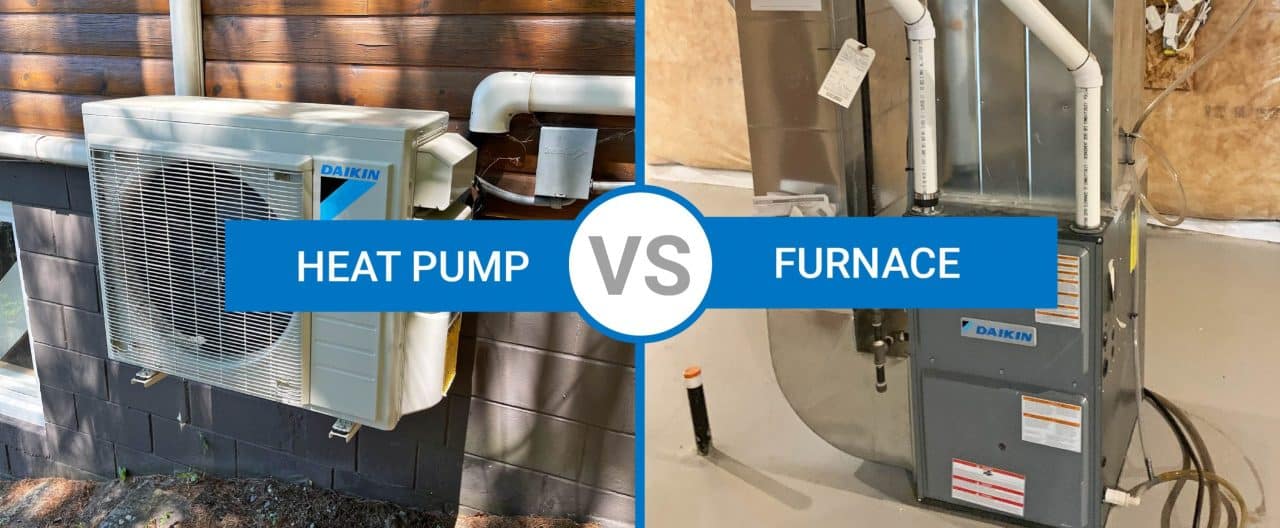
Difference Between A Furnace And A Heat Pump
Furnace vs. Heat Pump: Understanding the Key Differences in Heating Systems
Choosing the right heating system for your home or building is a critical decision that impacts comfort, energy consumption, and overall costs. Two of the most common options are furnaces and heat pumps, each with its own set of advantages and disadvantages. This article provides a comprehensive comparison to help homeowners, HVAC technicians, and facility managers make informed decisions.
The Furnace: Combustion-Based Heating
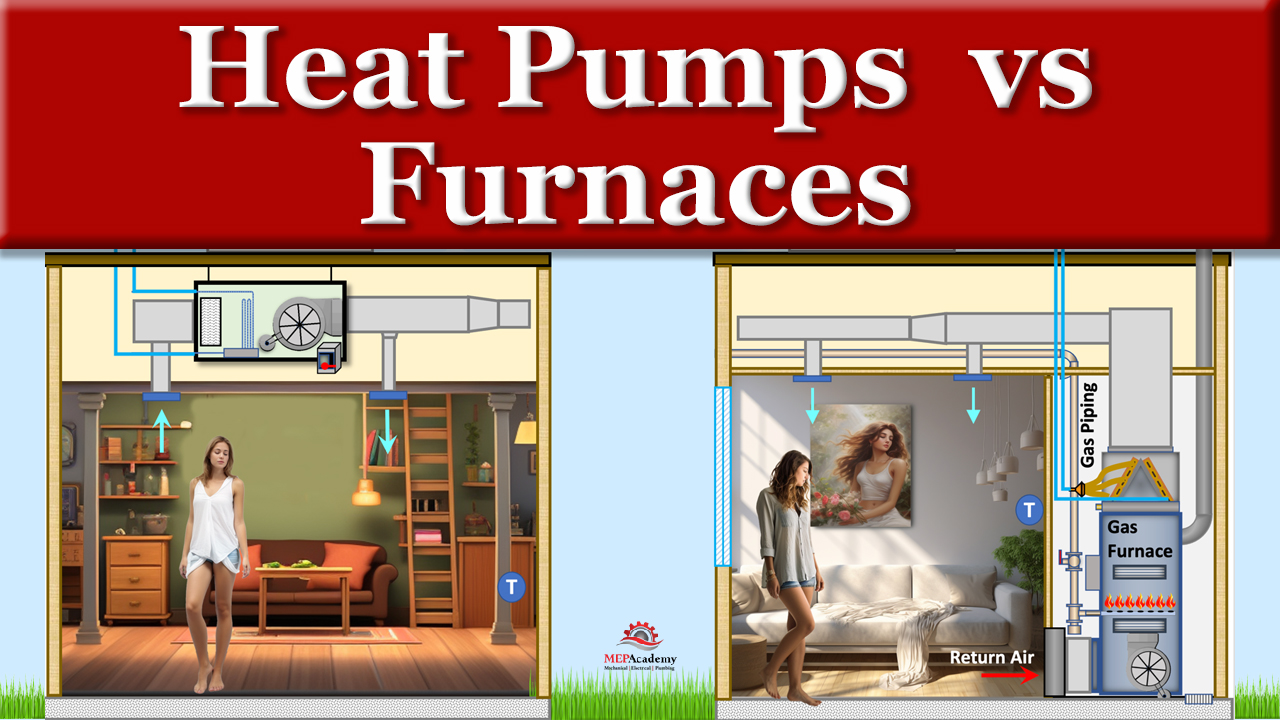
A furnace is a heating appliance that generates heat by burning fuel, typically natural gas, propane, or oil. Modern furnaces are significantly more efficient than older models, but the basic principle remains the same: fuel combustion creates heat, which is then transferred to the air and distributed throughout the building via a ductwork system.
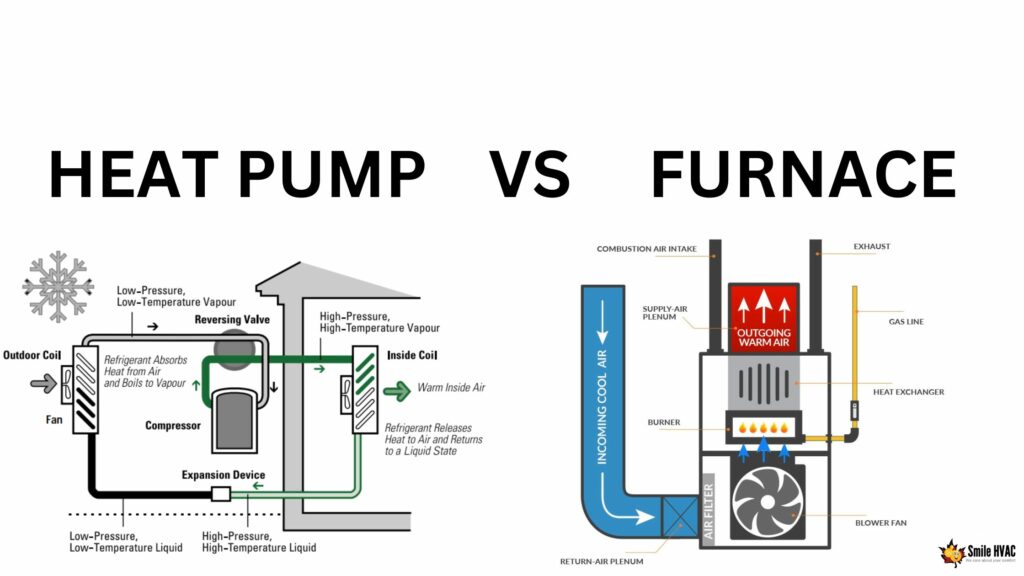
How a Furnace Works:
- Fuel Intake: The furnace receives fuel (natural gas, propane, or oil) from a supply line or tank.
- Combustion: The fuel is mixed with air and ignited in a combustion chamber.
- Heat Exchanger: The hot combustion gases pass through a heat exchanger, a series of metal tubes or chambers.
- Air Circulation: A blower fan forces air across the heat exchanger, warming the air.
- Distribution: The heated air is then distributed throughout the building via a network of ducts.
- Exhaust: The combustion gases are vented outside through a flue.
The Heat Pump: Transferring Heat, Not Generating It
A heat pump, unlike a furnace, doesn't generate heat directly. Instead, it transfers heat from one place to another. Think of it like an air conditioner working in reverse. In heating mode, a heat pump extracts heat from the outside air (even in cold temperatures) and moves it indoors. In cooling mode, it reverses the process, removing heat from inside and releasing it outside. This makes it a dual-purpose appliance for both heating and cooling.
How a Heat Pump Works:
- Refrigerant Cycle: A refrigerant circulates through the system, absorbing and releasing heat.
- Evaporator: In heating mode, the outdoor coil acts as an evaporator, absorbing heat from the outside air. The refrigerant evaporates into a gas.
- Compressor: The gaseous refrigerant is compressed, increasing its temperature.
- Condenser: The hot, high-pressure refrigerant flows to the indoor coil, where it releases its heat into the air circulating through the ductwork. The refrigerant condenses back into a liquid.
- Expansion Valve: The refrigerant passes through an expansion valve, reducing its pressure and temperature before returning to the outdoor coil to repeat the cycle.
Key Differences Summarized
"The fundamental difference lies in how heat is produced. Furnaces burn fuel, while heat pumps transfer existing heat."
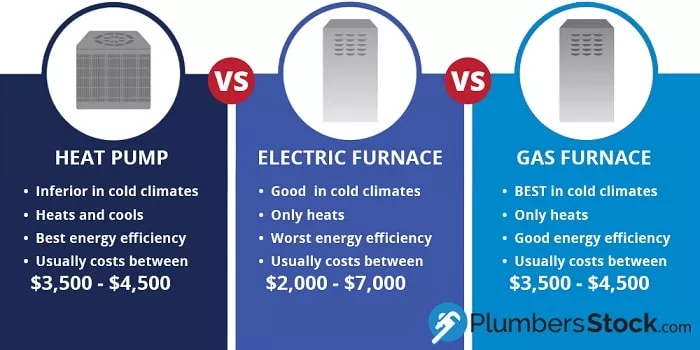
Here's a breakdown of the key differences between furnaces and heat pumps:
| Feature | Furnace | Heat Pump |
|---|---|---|
| Heat Source | Fuel Combustion (natural gas, propane, oil) | Heat Transfer (from outside air) |
| Heating Efficiency | Measured by AFUE (Annual Fuel Utilization Efficiency). Higher AFUE = higher efficiency. | Measured by HSPF (Heating Seasonal Performance Factor). Higher HSPF = higher efficiency. Also uses SEER for cooling efficiency. |
| Cooling Capability | Requires a separate air conditioning unit. | Provides both heating and cooling. |
| Operating Cost | Dependent on fuel prices; can be higher in areas with expensive fuel. | Dependent on electricity prices; generally more efficient in moderate climates. |
| Installation Cost | Generally lower upfront cost. | Can be higher upfront cost, especially for geothermal heat pumps. |
| Lifespan | 15-20 years (with proper maintenance). | 10-15 years (with proper maintenance). |
| Best Climate | Works well in all climates, especially those with very cold winters. | Most efficient in moderate climates with mild winters. Performance can decrease in very cold climates unless paired with auxiliary heat. |
| Environmental Impact | Produces greenhouse gas emissions from fuel combustion. | Lower emissions overall, especially when powered by renewable energy sources. |
Efficiency Ratings: AFUE vs. HSPF
Understanding efficiency ratings is crucial when comparing heating systems.
- AFUE (Annual Fuel Utilization Efficiency): This rating applies to furnaces and represents the percentage of fuel converted into usable heat. For example, an 80% AFUE furnace converts 80% of the fuel it burns into heat, while the remaining 20% is lost through the flue. Modern high-efficiency furnaces can have AFUE ratings of 90% or higher.
- HSPF (Heating Seasonal Performance Factor): This rating applies to heat pumps and measures the total heating output of a heat pump during a normal heating season, divided by the total electrical energy input during the same period. A higher HSPF indicates greater heating efficiency. Current ENERGY STAR standards require a minimum HSPF of 8.2 for air-source heat pumps.
- SEER (Seasonal Energy Efficiency Ratio): This rating applies to heat pumps and air conditioners, measuring cooling efficiency. It is the ratio of cooling output over a typical cooling season to the energy used in watt-hours.
Cost Considerations: Upfront and Operational
The cost of a heating system includes both the upfront installation cost and the ongoing operational costs. While furnaces generally have a lower initial cost, heat pumps can be more cost-effective in the long run, especially in moderate climates.
Installation Costs:
- Furnaces: Typically less expensive to install than heat pumps, especially if ductwork is already in place.
- Heat Pumps: Installation costs can be higher due to the complexity of the system and the need for specialized installation. Geothermal heat pumps have the highest upfront costs due to the extensive underground piping required.
Operational Costs:
- Furnaces: Operational costs depend on fuel prices. In areas with low natural gas prices, furnaces can be more economical.
- Heat Pumps: Operational costs depend on electricity prices. In moderate climates, heat pumps can be more efficient than furnaces, leading to lower energy bills.
Climate Considerations: Where Each System Shines
The climate in which you live plays a significant role in determining the best heating system for your needs.
- Furnaces: Perform reliably in all climates, including those with very cold winters. They can quickly and efficiently heat a home, even when outdoor temperatures are extremely low.
- Heat Pumps: Most effective in moderate climates with mild winters. In very cold climates, their efficiency decreases, and they may require auxiliary electric resistance heating to maintain comfort. However, advancements in cold-climate heat pump technology are expanding their viability in colder regions.
Lifespan and Maintenance
With proper maintenance, both furnaces and heat pumps can provide reliable heating for many years.
- Furnaces: Typically last 15-20 years. Regular maintenance includes changing air filters, inspecting the burner and heat exchanger, and cleaning the blower fan.
- Heat Pumps: Typically last 10-15 years. Regular maintenance includes cleaning the coils, inspecting the refrigerant lines, and checking the electrical connections.
Choosing the Right System: A Checklist
Before making a decision, consider the following factors:
- Climate: What are the typical winter temperatures in your area?
- Fuel and Electricity Costs: What are the current prices for natural gas, propane, oil, and electricity?
- Installation Costs: Obtain quotes from multiple HVAC contractors to compare installation costs.
- Energy Efficiency: Consider the AFUE or HSPF ratings of different models.
- Long-Term Costs: Factor in operational costs and maintenance expenses.
- Environmental Impact: Consider the environmental impact of each system.
Consulting with an HVAC professional is always recommended to determine the best heating system for your specific needs and circumstances. They can assess your home's insulation, ductwork, and energy usage to provide tailored recommendations.