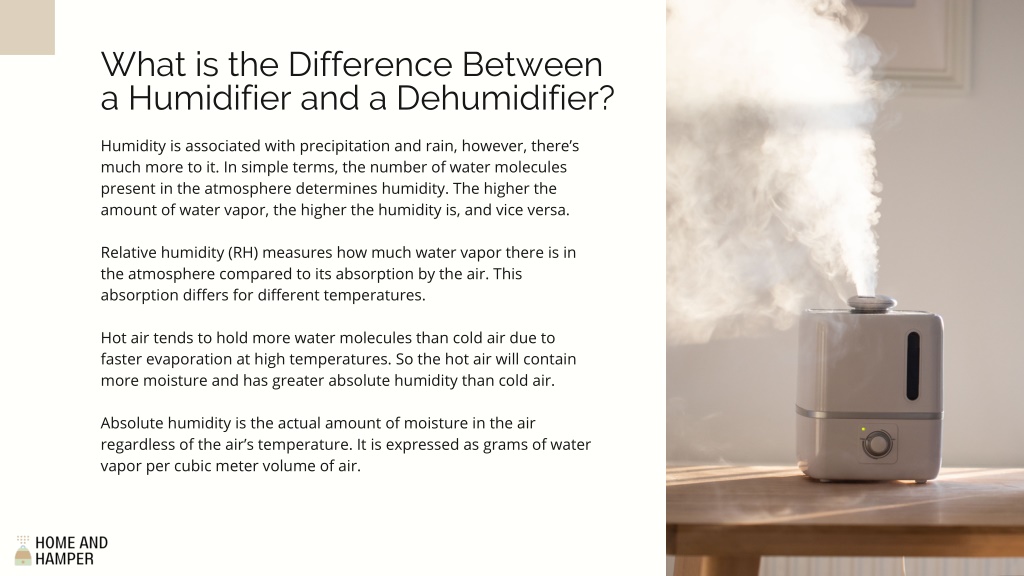
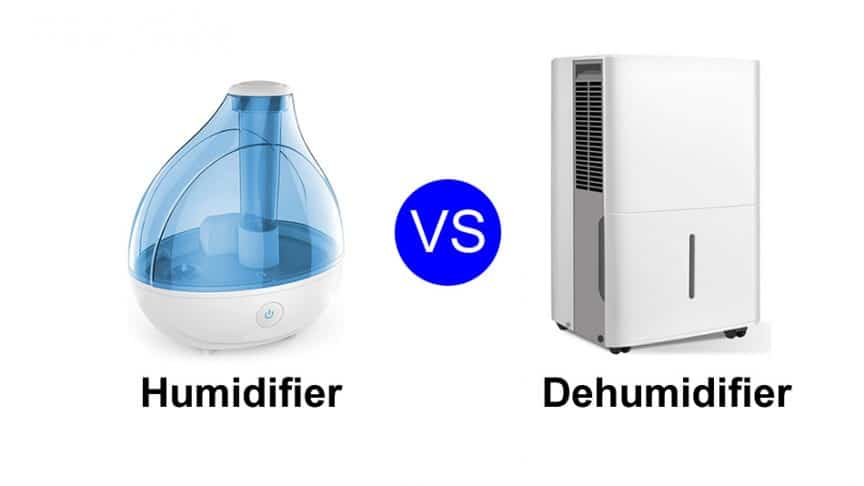
Difference Between A Humidifier And Dehumidifier

Frequently Asked Questions: Humidifiers vs. Dehumidifiers
Maintaining the right humidity level in your home or facility is crucial for comfort, health, and even the preservation of your belongings. But what's the difference between a humidifier and a dehumidifier, and which one do you need? This FAQ provides clear answers to common questions, helping you make the best choice for your specific needs.
Q1: What's the basic difference between a humidifier and a dehumidifier?
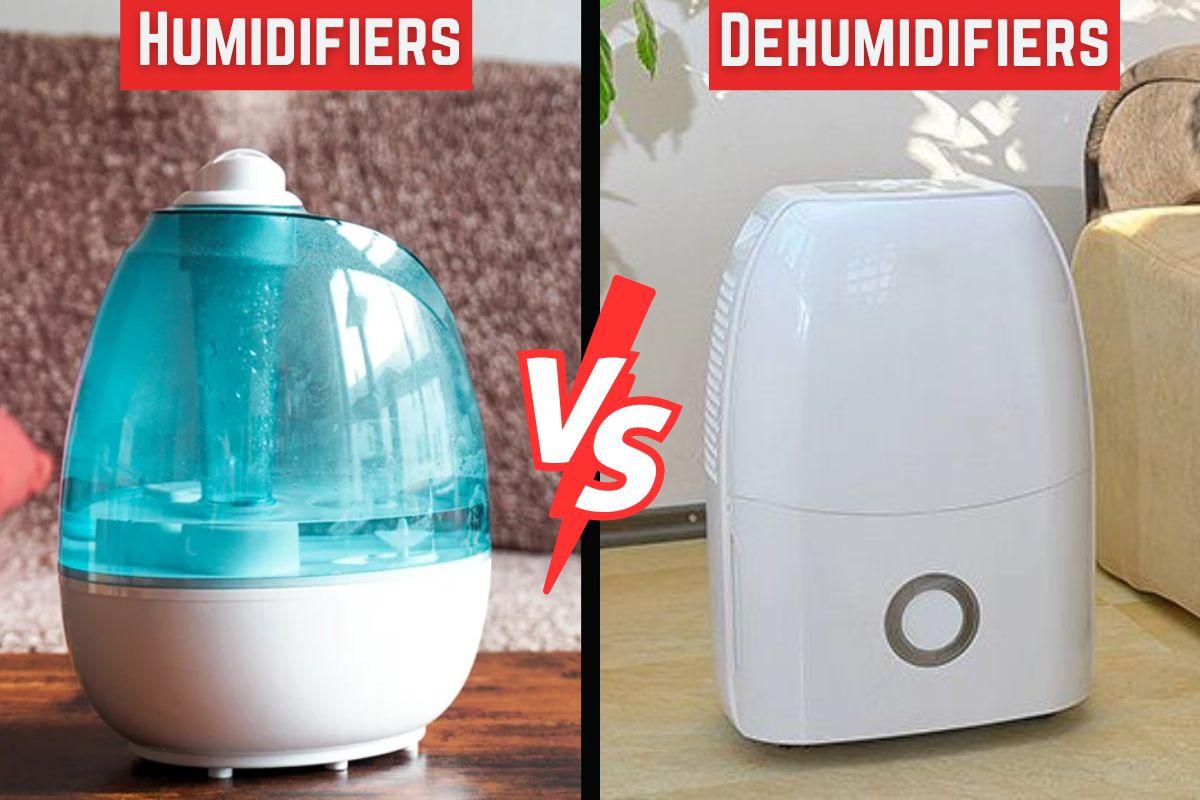
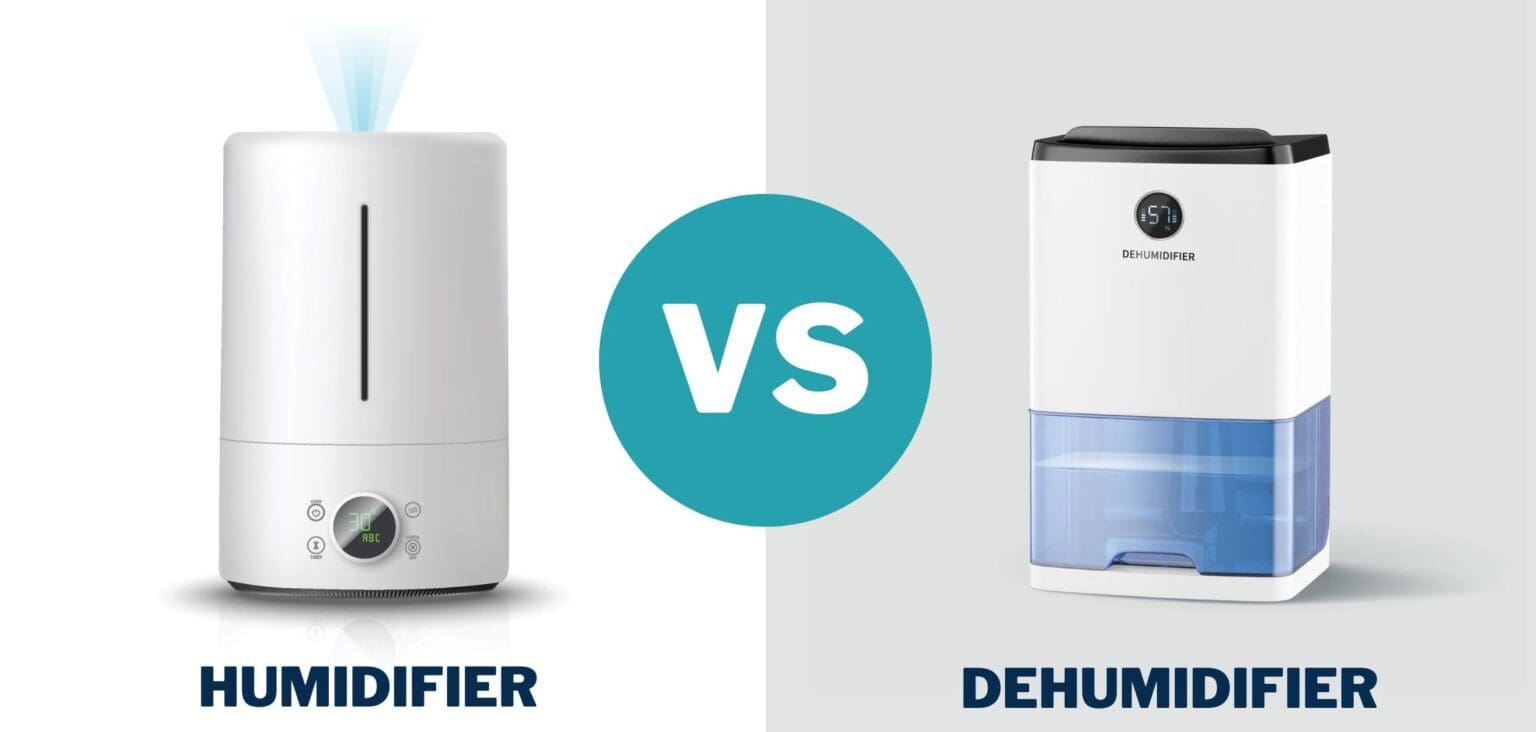
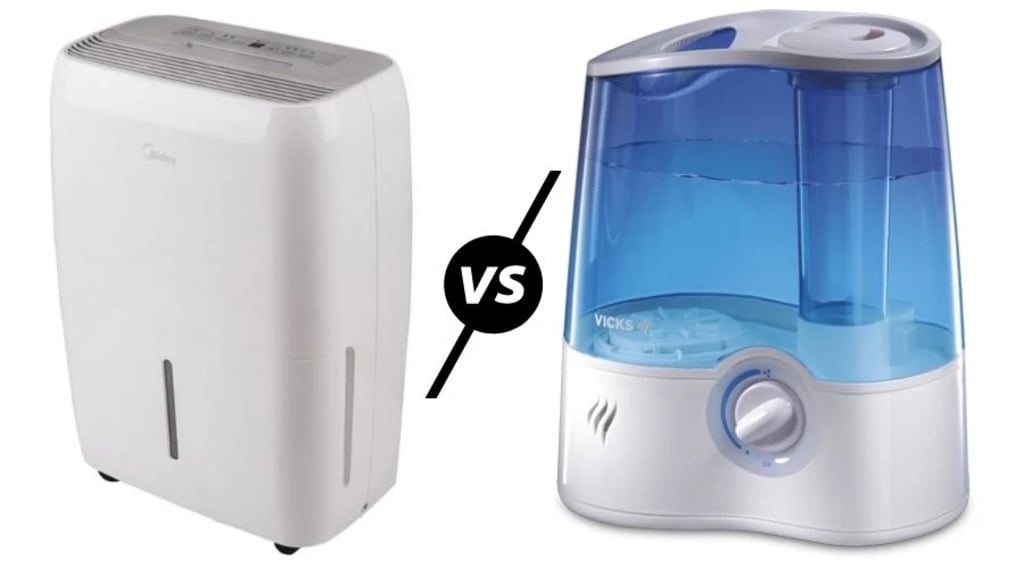
The fundamental difference is their purpose. A humidifier adds moisture to the air, while a dehumidifier removes moisture from the air. Think of it like this: a humidifier combats dryness, while a dehumidifier combats dampness.
In more detail:
- Humidifier: Increases the humidity level in a room or building.
- Dehumidifier: Decreases the humidity level in a room or building.
Q2: How do I know if I need a humidifier or a dehumidifier? What are the signs?
The decision depends on your indoor environment and the symptoms you're experiencing. Here are some common indicators:
Signs you might need a Humidifier:
- Dry Skin and Hair: If your skin feels itchy, dry, or flaky, and your hair is brittle, the air might be too dry.
- Chapped Lips and Dry Throat: These are classic symptoms of low humidity.
- Static Electricity: Frequent static shocks are a sign of very dry air.
- Cracked Wood Furniture or Floors: Low humidity can damage wood, causing it to crack or warp.
- Aggravated Respiratory Issues: Dry air can irritate nasal passages and worsen conditions like asthma or allergies.
- Low Humidity Readings: Use a hygrometer to measure the humidity level in your home. A level below 30% is generally considered too low.
Signs you might need a Dehumidifier:
- Mold and Mildew Growth: These thrive in damp environments, often appearing in bathrooms, basements, and closets.
- Musty Odors: A persistent musty smell is a strong indicator of excess moisture.
- Condensation on Windows and Walls: Water droplets forming on surfaces indicate high humidity.
- Allergies and Respiratory Problems: Mold and dust mites, which flourish in humid conditions, can trigger allergies and respiratory issues.
- Sticky or Clammy Feeling: High humidity makes the air feel heavy and uncomfortable.
- High Humidity Readings: Use a hygrometer to measure the humidity level in your home. A level above 60% is generally considered too high.
- Water Stains on Walls or Ceilings: These could indicate leaks combined with high humidity, worsening the problem.
In short, assess your symptoms and use a hygrometer to get an accurate reading of your home's humidity level. This will help you determine which appliance, if either, is right for you.
Q3: What are the different types of humidifiers and dehumidifiers?
Both humidifiers and dehumidifiers come in various types, each with its own advantages and disadvantages.
Types of Humidifiers:
- Cool Mist Humidifiers:
- Evaporative: Use a wick filter to absorb water, which is then evaporated by a fan.
- Ultrasonic: Use high-frequency sound vibrations to create a fine mist.
- Warm Mist Humidifiers: Boil water to create steam, which is then cooled before being released into the air.
- Central Humidifiers: Integrated into a home's HVAC system to humidify the entire house.
Types of Dehumidifiers:
- Refrigerant Dehumidifiers: Use a cooled coil to condense moisture from the air. This is the most common type.
- Desiccant Dehumidifiers: Use a moisture-absorbing material (like silica gel) to draw moisture from the air. They are generally more effective at lower temperatures.
- Whole-House Dehumidifiers: Integrated into a home's HVAC system to dehumidify the entire house.
Choosing the right type depends on the size of the area you need to humidify or dehumidify, your budget, and your specific needs. For example, warm mist humidifiers can help relieve congestion, while desiccant dehumidifiers are better suited for colder environments like basements.
Q4: Are there any health risks associated with using humidifiers or dehumidifiers?
Yes, both humidifiers and dehumidifiers can pose health risks if not used and maintained properly.
Humidifier Risks:
- Mold and Bacteria Growth: If not cleaned regularly, humidifiers can become breeding grounds for mold and bacteria, which can then be dispersed into the air. This can trigger allergies, asthma, and other respiratory problems.
- Mineral Dust: Some humidifiers can release mineral dust into the air if tap water is used. This dust can irritate the lungs. Always use distilled or demineralized water.
- Over-Humidification: Too much humidity can create a breeding ground for dust mites and mold, exacerbating allergies and respiratory issues. The ideal humidity level is between 30% and 50%.
Dehumidifier Risks:
- Dry Air: Over-dehumidifying can lead to dry skin, irritated nasal passages, and other discomforts associated with dry air.
- Refrigerant Leaks: Refrigerant dehumidifiers use chemicals that can be harmful if leaked into the air. Ensure the dehumidifier is properly sealed and maintained.
- Fire Hazard: Older or poorly maintained dehumidifiers can pose a fire risk due to electrical faults.
To minimize these risks, follow these guidelines:
- Clean humidifiers and dehumidifiers regularly according to the manufacturer's instructions.
- Use distilled or demineralized water in humidifiers.
- Monitor humidity levels with a hygrometer.
- Ensure proper ventilation.
- Choose energy star rated appliances.
Q5: Can I use a humidifier and a dehumidifier at the same time?
Generally, it's not recommended to use a humidifier and a dehumidifier in the same room at the same time. They essentially work against each other, wasting energy and potentially creating an unstable environment. However, there might be specific situations where it could be considered, but it's rare and should be done with careful monitoring.
Here's why it's usually a bad idea:
- Wasted Energy: The humidifier will try to add moisture, while the dehumidifier will try to remove it, resulting in a constant battle and increased energy consumption.
- Ineffective Operation: Neither appliance will be able to effectively achieve its intended purpose.
- Potential Damage: Constantly fluctuating humidity levels can damage furniture, floors, and other belongings.
Exceptions (Rare and with Caution):
- Specific Medical Conditions: In very rare cases, a doctor might recommend using both appliances in separate areas of a home to address specific medical needs. For example, someone with severe allergies might need a dehumidified bedroom and a humidified living room.
- Temporary Solutions: If you have a short-term issue with both high and low humidity, you might use one appliance temporarily to correct the imbalance before switching to the other.
In almost all cases, it's better to address the underlying cause of the humidity imbalance rather than trying to counteract it with both a humidifier and a dehumidifier simultaneously.
Q6: Are humidifiers and dehumidifiers expensive to run?
The running cost of a humidifier or dehumidifier depends on several factors, including the type of appliance, its size, its energy efficiency, and how often you use it.
Factors Affecting Running Costs:
- Appliance Type: Refrigerant dehumidifiers generally consume more energy than desiccant dehumidifiers. Warm mist humidifiers consume more energy than cool mist humidifiers. Central humidifiers and dehumidifiers, while providing whole-house coverage, can have higher upfront costs and potentially higher running costs depending on their efficiency and usage.
- Size and Capacity: Larger appliances generally consume more energy.
- Energy Efficiency: Look for Energy Star-rated appliances, which are designed to be more energy-efficient.
- Usage Frequency: The more you use the appliance, the higher your energy bill will be.
- Electricity Costs: The cost of electricity varies depending on your location.
Estimating Running Costs:
To estimate the running costs, you can use the following formula:
(Wattage / 1000) x Hours of Use x Electricity Cost per kWh = Daily Running Cost
For example, if a dehumidifier uses 300 watts, is used for 8 hours a day, and your electricity costs $0.15 per kWh, the daily running cost would be:
(300 / 1000) x 8 x $0.15 = $0.36
Multiply the daily running cost by the number of days you use the appliance per month to get the monthly running cost.
Tips for Reducing Running Costs:
- Choose Energy Star-rated appliances.
- Use the appliance only when necessary.
- Maintain the appliance properly. Clean filters and coils regularly to improve efficiency.
- Seal windows and doors to prevent air leaks.
- Adjust the humidity setting appropriately. Don't set the humidity level too high or too low.
Q7: What size humidifier or dehumidifier do I need for my space?
Choosing the right size humidifier or dehumidifier is crucial for effective operation and energy efficiency. A unit that's too small won't be able to adequately address the humidity issues, while a unit that's too large will waste energy and may not be necessary.
Humidifier Sizing:
Humidifier capacity is typically measured in gallons per day. The size you need depends on the square footage of the space and how dry the air is.
- Small Rooms (up to 500 sq ft): 1-2 gallon capacity
- Medium Rooms (500-1000 sq ft): 2-4 gallon capacity
- Large Rooms (1000+ sq ft): 4+ gallon capacity or a whole-house humidifier
Consider these factors when choosing a humidifier size:
- Insulation: Poorly insulated rooms will require a larger humidifier.
- Climate: Drier climates will require a larger humidifier.
- Number of People: More people in a room contribute to humidity.
Dehumidifier Sizing:
Dehumidifier capacity is measured in pints of water removed per day. The size you need depends on the square footage of the space and how damp it is.
- Slightly Damp (e.g., bedrooms, living rooms): 30-pint capacity
- Moderately Damp (e.g., basements): 50-pint capacity
- Very Damp (e.g., flooded basements): 70-pint capacity
Consider these factors when choosing a dehumidifier size:
- Severity of Dampness: More dampness requires a larger dehumidifier.
- Square Footage: Larger spaces require a larger dehumidifier.
- Ventilation: Poorly ventilated spaces require a larger dehumidifier.
Always refer to the manufacturer's recommendations for specific sizing guidelines. It's often better to err on the side of a slightly larger unit than a unit that's too small.