Difference Between A Sheave And A Pulley

The world of HVAC (Heating, Ventilation, and Air Conditioning) is filled with specialized terminology and components, each playing a vital role in system operation. Among these, pulleys and sheaves are often discussed together, sometimes causing confusion. While the terms are frequently used interchangeably, especially in everyday conversation, there are subtle yet important distinctions between them. Understanding these nuances is crucial for HVAC technicians, students, and employers alike. This article aims to clarify the difference between sheaves and pulleys, explore their applications in HVAC systems, and discuss their relevance to career paths and industry standards.
Pulleys and Sheaves: Defining the Terms
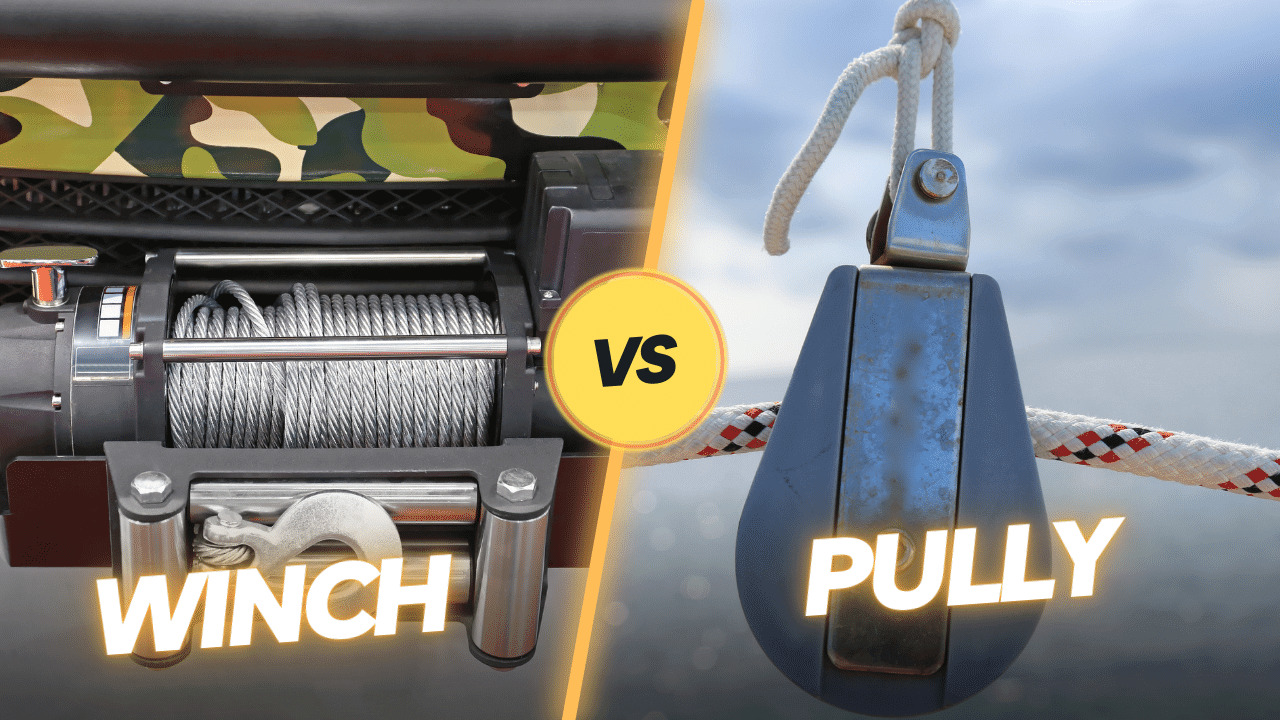
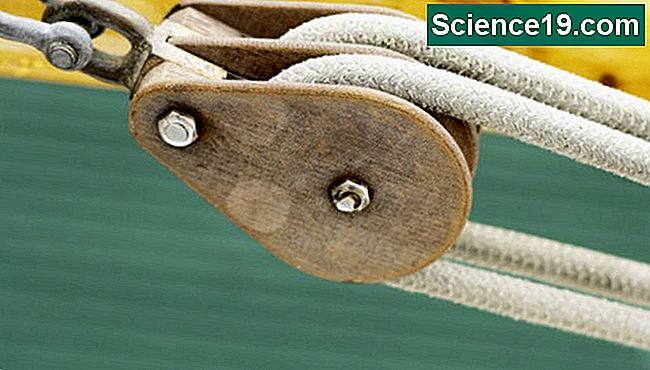
Let's start with the basics. A pulley is a simple machine consisting of a wheel with a grooved rim around which a rope, cable, or belt passes. The primary function of a pulley is to change the direction of a force, making it easier to lift or move objects. In many applications, pulleys can also provide a mechanical advantage, reducing the amount of force needed to accomplish a task.
A sheave, on the other hand, is the grooved wheel itself. It’s the component that the belt or cable rides on. Essentially, the sheave is *part* of the pulley system. You can think of the pulley as the entire assembly, including the wheel, the axle or shaft it rotates on, and any supporting structures. The sheave is just the wheel portion.
So, while a sheave is always part of a pulley system, a pulley is a complete assembly. The distinction becomes more apparent when discussing the selection, maintenance, and replacement of these components in HVAC systems.
Applications in HVAC Systems
Pulleys and sheaves are integral to many HVAC systems, primarily in the fan and blower components. They are used to transmit power from the motor to the fan or blower, controlling the airflow within the system.
- Fan and Blower Drives: In most HVAC systems, the motor's rotational speed needs to be adjusted to achieve the desired airflow. Pulleys and sheaves allow technicians to fine-tune this speed. By changing the size of the pulley on the motor or the fan, the airflow can be increased or decreased.
- Belt-Driven Compressors: While less common in modern residential systems (direct-drive compressors are more prevalent), belt-driven compressors are still found in some commercial and industrial applications. Here, pulleys and sheaves transmit power from the motor to the compressor.
- Damper Systems: In larger HVAC systems, pulleys and cables can be used to control dampers, which regulate airflow to different zones.
Proper selection and maintenance of pulleys and sheaves are crucial for the efficient operation of HVAC systems. Misaligned or worn pulleys can lead to belt slippage, reduced airflow, increased energy consumption, and premature component failure.
Selecting the Right Sheave and Pulley
Choosing the correct sheave and pulley involves several considerations:
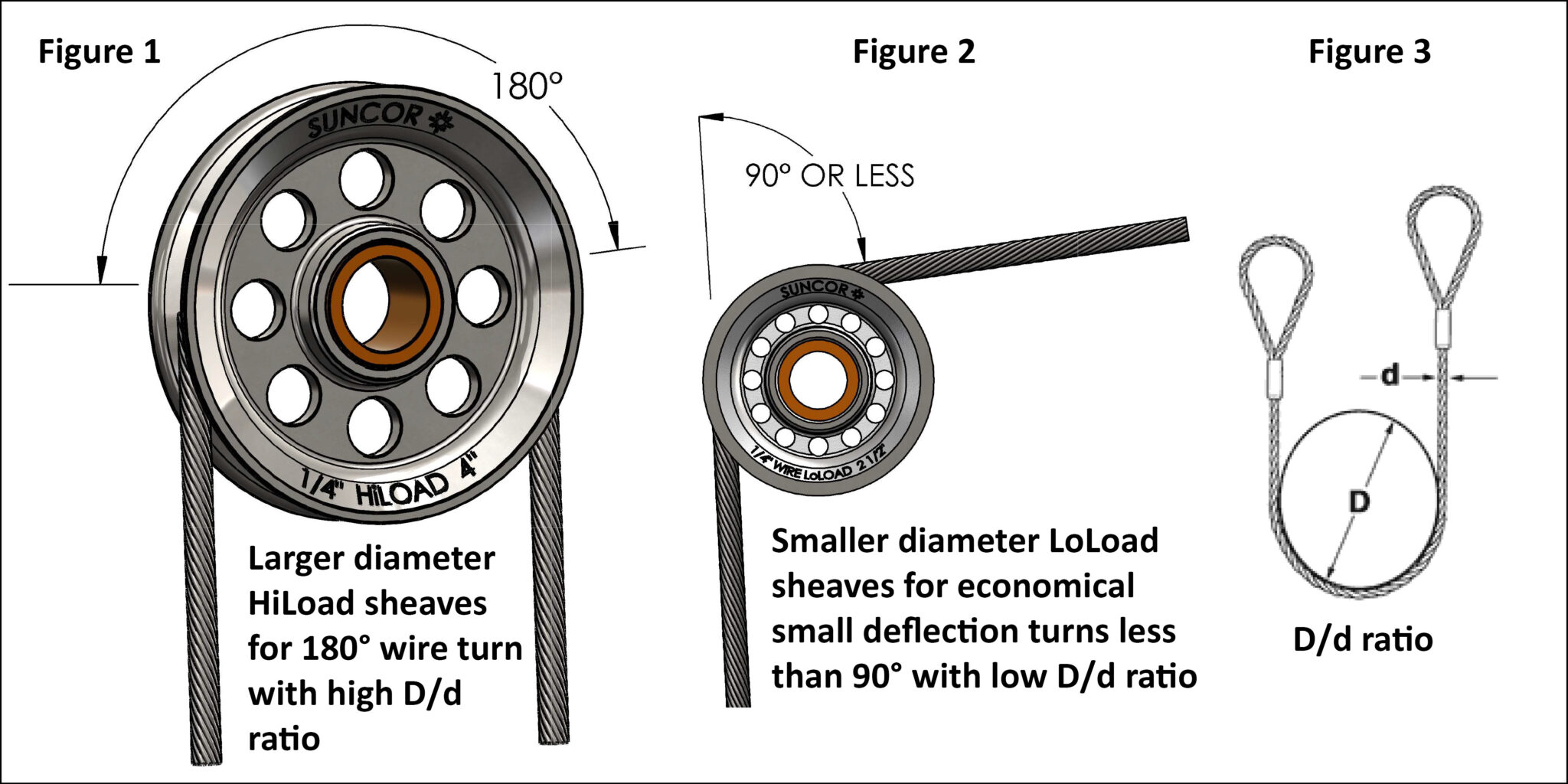
- Diameter: The diameter of the sheave affects the speed ratio between the motor and the driven component.
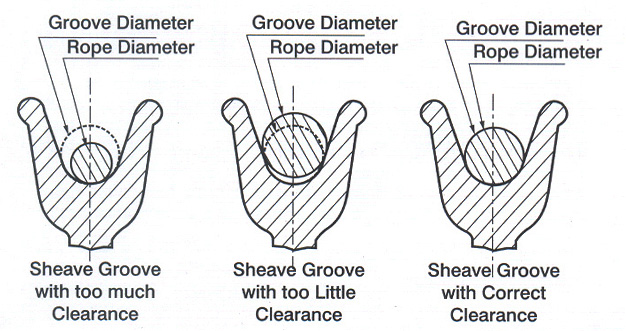
- Groove Type: Sheaves are designed for specific belt types (V-belts, synchronous belts, etc.). Using the wrong groove type can damage the belt and reduce efficiency.
- Material: Sheaves are typically made of cast iron, steel, or aluminum. The material should be chosen based on the application and environmental conditions.
- Bore Size: The bore size must match the shaft diameter of the motor and the driven component.
Technicians must carefully consider these factors when selecting replacement sheaves and pulleys to ensure optimal system performance.
Career Paths and Industry Certifications
A solid understanding of pulleys and sheaves is fundamental for a successful career in HVAC. Here's how this knowledge fits into various career paths:
- HVAC Technician/Installer: Technicians regularly inspect, maintain, and replace pulleys and sheaves as part of routine maintenance and repairs. Diagnosing belt slippage or wear patterns on sheaves is a common task. According to the U.S. Bureau of Labor Statistics, the median annual wage for HVAC mechanics and installers was $59,620 in May 2023. The job outlook is projected to grow 6 percent from 2022 to 2032, about as fast as the average for all occupations.
- HVAC Service Manager: Service managers oversee teams of technicians and are responsible for ensuring that all repairs are performed correctly. They need a strong understanding of all HVAC components, including pulleys and sheaves, to provide technical guidance and troubleshoot complex issues.
- HVAC System Designer/Engineer: Designers and engineers specify the components used in HVAC systems, including pulleys and sheaves. They must consider factors such as load, speed, and environmental conditions to select the appropriate components.
Several industry certifications demonstrate competency in HVAC and related areas. These certifications can enhance career prospects and earning potential:
- NATE (North American Technician Excellence): NATE certification is widely recognized as a mark of excellence in the HVAC industry. While not directly focused on pulleys and sheaves, the NATE exams cover a broad range of HVAC topics, including system components and troubleshooting.
- EPA 608 Certification: Required for technicians who handle refrigerants, EPA 608 certification demonstrates knowledge of safe refrigerant handling practices. While not directly related to pulleys and sheaves, this certification is often a prerequisite for many HVAC jobs.
- HVAC Excellence Certifications: HVAC Excellence offers various certifications, including those focused on specific equipment types and skill sets.
Real-World Example: From Apprentice to HVAC Engineer
Consider the career path of Sarah, who started as an HVAC apprentice. Early in her apprenticeship, she learned the importance of proper belt tension and alignment when working with pulley systems in air handlers. She diligently studied the manufacturer's specifications for different sheave types and learned to identify signs of wear and damage. As she gained experience, Sarah obtained her NATE certification and eventually pursued a degree in mechanical engineering. Today, she works as an HVAC system designer, specifying the optimal pulley and sheave configurations for large commercial buildings.
Maintenance and Troubleshooting
Regular maintenance is essential for ensuring the longevity and efficiency of pulley and sheave systems. Common maintenance tasks include:
- Inspecting belts for wear and damage: Look for cracks, fraying, and signs of stretching. Replace belts as needed.
- Checking belt tension: Too much or too little tension can lead to premature belt wear and reduced efficiency.
- Aligning pulleys: Misaligned pulleys can cause belt slippage and vibration. Use a laser alignment tool for precise alignment.
- Lubricating bearings: Proper lubrication reduces friction and extends the life of the bearings in the pulley assembly.
- Cleaning sheaves: Remove dirt and debris from the sheave grooves to ensure proper belt contact.
Common problems with pulley and sheave systems include:
- Belt Slippage: Often caused by loose belts, misaligned pulleys, or worn sheaves.
- Belt Squealing: Can indicate a loose belt or misaligned pulleys.
- Excessive Vibration: May be caused by misaligned pulleys, worn bearings, or unbalanced components.
- Premature Belt Wear: Can result from improper belt tension, misaligned pulleys, or using the wrong belt type.
Proper diagnosis and repair of these issues are critical for maintaining optimal HVAC system performance. Technicians must be able to identify the root cause of the problem and implement the appropriate corrective action.
Industry Trends and Future Outlook
The HVAC industry is constantly evolving, driven by factors such as technological advancements, energy efficiency regulations, and growing demand for skilled technicians. Some key trends impacting pulleys and sheaves include:
- Variable Frequency Drives (VFDs): VFDs are increasingly used to control the speed of motors in HVAC systems. While VFDs can reduce the reliance on pulley systems for speed adjustment, pulleys and sheaves remain important for transmitting power from the motor to the fan or blower.
- Energy Efficiency: There is a growing emphasis on energy efficiency in HVAC systems. Properly maintained and aligned pulleys and sheaves can help reduce energy consumption by minimizing belt slippage and maximizing airflow.
- Smart HVAC Systems: Smart HVAC systems incorporate sensors and controls to optimize system performance. These systems can monitor belt tension and alignment, providing early warnings of potential problems.
The future of the HVAC industry is bright, with strong demand for skilled technicians and engineers. A thorough understanding of pulleys and sheaves, along with other essential HVAC components, will be crucial for success in this dynamic field.
Conclusion
While the terms pulley and sheave are often used interchangeably, understanding the subtle differences between them is crucial for HVAC professionals. A sheave is the grooved wheel itself, while a pulley is the complete assembly. Their effective application and maintenance are crucial for optimal HVAC performance, and a comprehensive understanding is vital for career advancement. By investing in training, certifications, and a commitment to continuous learning, HVAC professionals can thrive in this rewarding and essential industry. As the industry evolves, staying current on new technologies and best practices will ensure continued success.