Difference Between Absolute And Relative Humidity
Is your home feeling stuffy and uncomfortable, even when your thermostat is set to a reasonable temperature? Or perhaps you're noticing condensation on your windows, or that your skin feels constantly dry and itchy? These are common signs of a humidity imbalance within your home, and understanding the difference between absolute and relative humidity is the first step to fixing it.
Many homeowners mistakenly believe the thermostat is the only factor influencing comfort. However, humidity, the amount of moisture in the air, plays a significant role. This article will walk you through troubleshooting humidity-related comfort problems, focusing on distinguishing between absolute and relative humidity, and providing practical DIY solutions you can try before calling a professional.
Understanding Humidity Basics
Before we dive into troubleshooting, let’s clarify the difference between absolute and relative humidity.
Absolute Humidity
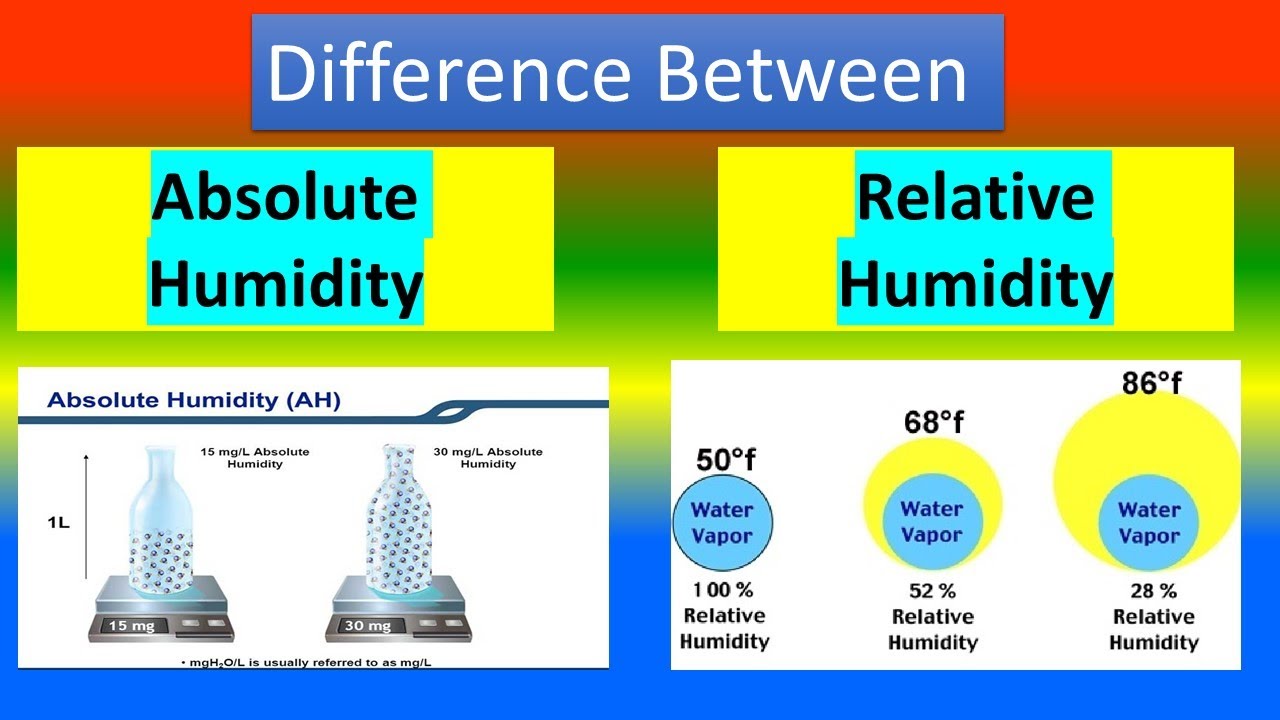
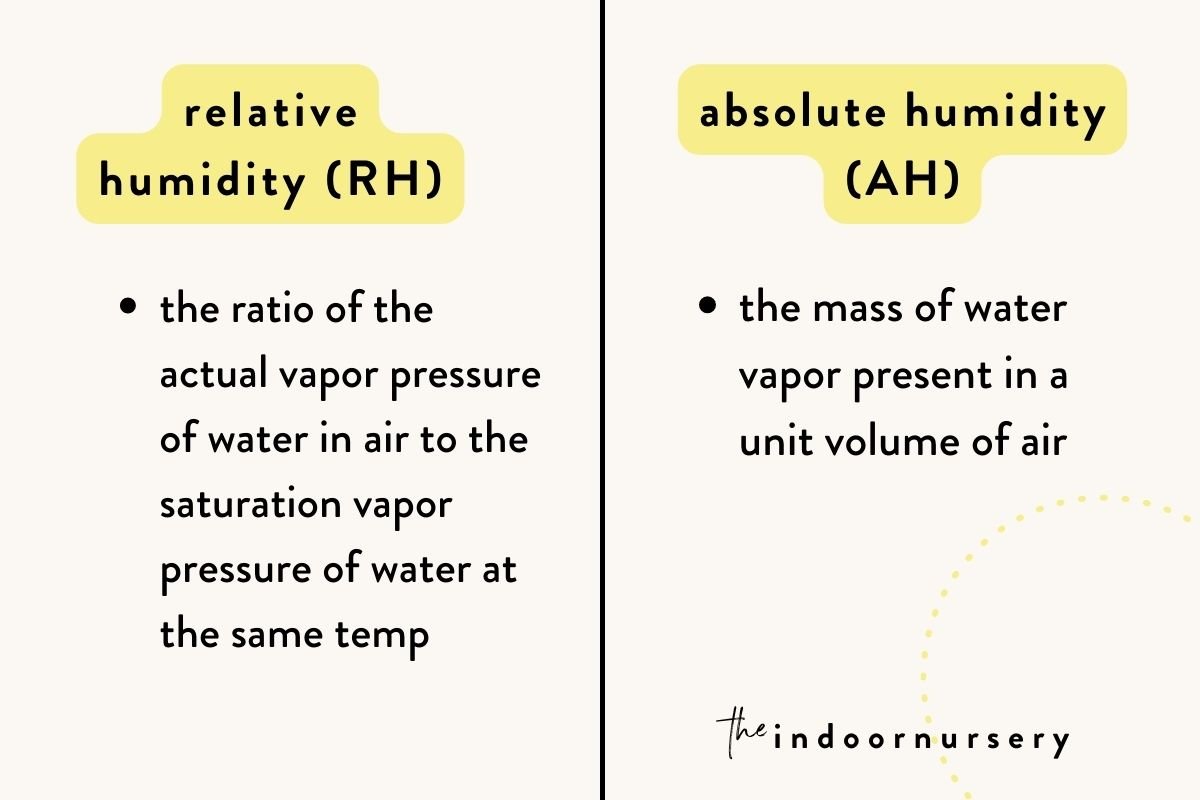
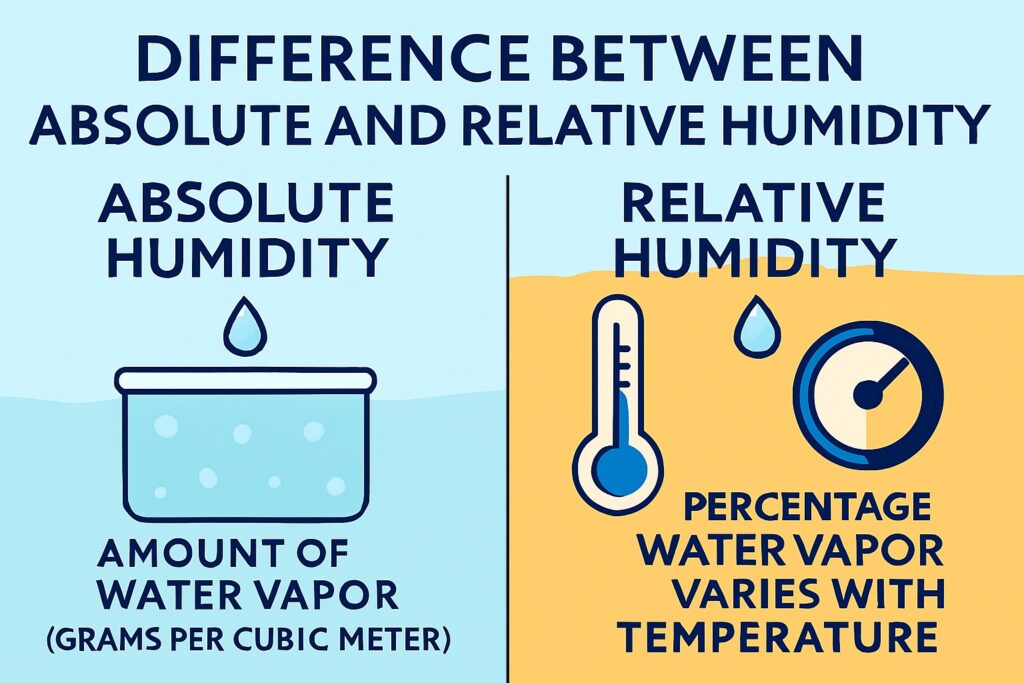
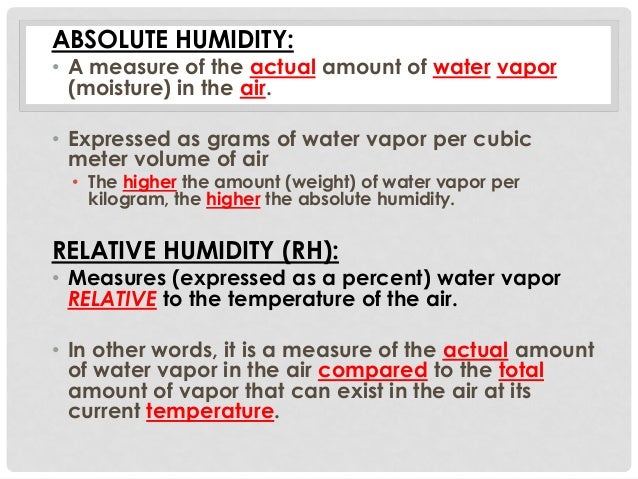
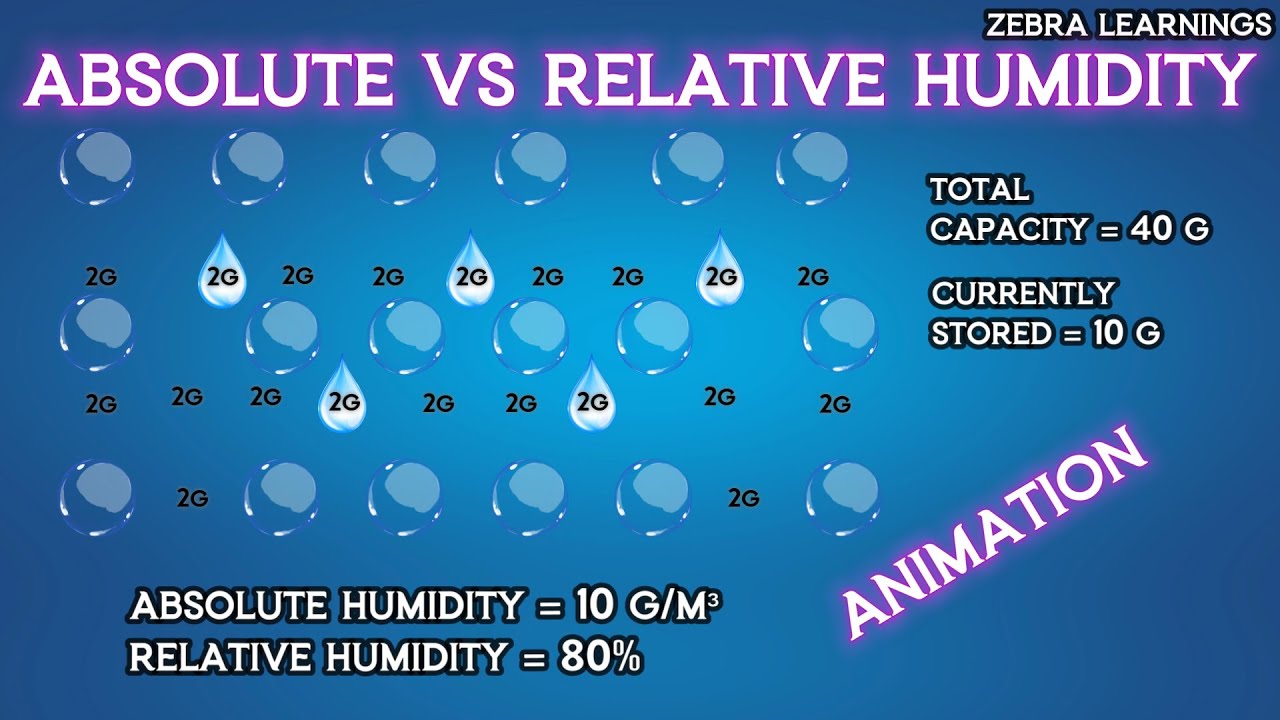
Absolute humidity refers to the actual amount of water vapor present in the air. It's typically measured in grams of water vapor per cubic meter of air (g/m³). Think of it as the total "water content" of the air, regardless of temperature.
Why it matters: While understanding absolute humidity is scientifically relevant, it's not as directly useful for homeowners as relative humidity. Absolute humidity can change due to weather patterns, evaporation, or activities within your home like showering or cooking.
Relative Humidity
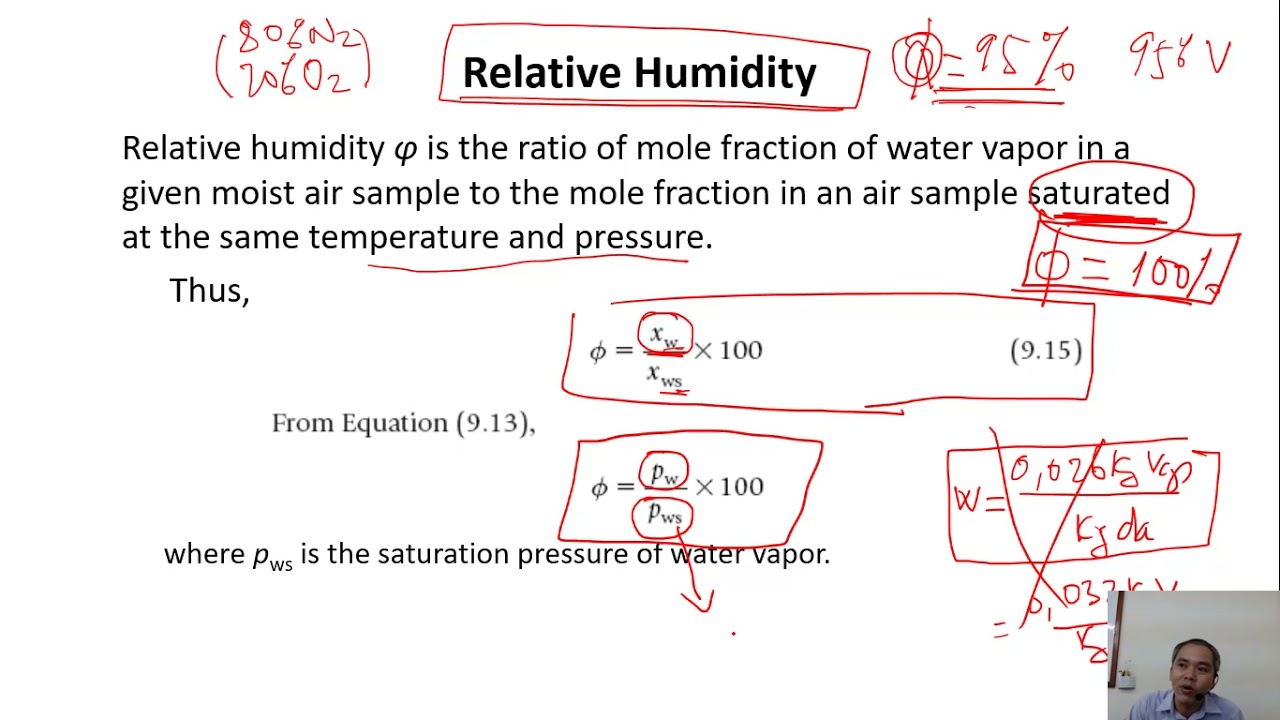
Relative humidity (RH) is the percentage of water vapor the air is holding compared to the maximum amount it *could* hold at a specific temperature. Warm air can hold more moisture than cold air. So, even if the absolute humidity remains the same, the relative humidity will change as the temperature changes.
Why it matters: Relative humidity is what directly impacts your comfort. High relative humidity (above 60%) makes the air feel sticky and can lead to mold growth. Low relative humidity (below 30%) can cause dry skin, chapped lips, and static electricity.
The Relationship: Imagine a glass of water. Absolute humidity is like the *amount* of water in the glass. Relative humidity is like how *full* the glass is, compared to its maximum capacity. As the temperature (glass size) increases, the relative humidity (how full the glass is) decreases, even if the amount of water (absolute humidity) stays the same.
Diagnosing Humidity-Related Issues
Let's address the scenario: You feel uncomfortable in your home, despite setting the thermostat to a comfortable temperature. Here’s a step-by-step approach to diagnose if humidity is the culprit.
Step 1: Observe and Document Symptoms (No Tools Required)Start by carefully observing and documenting the symptoms you're experiencing.
- Feeling too warm or too cold: Does your home feel warmer than the thermostat setting in summer, or colder in winter?
- Stuffiness: Does the air feel heavy and stagnant?
- Condensation: Are you seeing condensation on windows, mirrors, or pipes?
- Mold or Mildew: Do you smell a musty odor, or see visible mold growth (especially in bathrooms, basements, or around windows)?
- Dryness: Are you experiencing dry skin, itchy eyes, sore throat, or frequent static shocks?
- Other Issues: Are wooden floors or furniture creaking excessively, or are paint and wallpaper peeling?
Note *when* these symptoms are most noticeable. Are they worse in the morning, after showering, or during specific seasons?
Step 2: Check Your Thermostat (No Tools Required)Many modern thermostats display both temperature and relative humidity. Check yours. If it doesn't display humidity, proceed to Step 3.
- Ideal Range: Aim for a relative humidity between 30% and 60%.
- Read the Display: What is the current relative humidity reading? Is it consistently above or below the ideal range?
If your thermostat doesn't display humidity, a hygrometer is an inexpensive tool to measure relative humidity. You can purchase one at most hardware stores or online.
- Placement: Place the hygrometer in a central location, away from direct sunlight, drafts, and heat sources.
- Multiple Readings: Take readings at different times of the day and in different rooms, especially in areas where you suspect humidity problems (e.g., bathroom, basement).
- Compare Readings: Compare the readings with the ideal range (30-60%). Are certain areas consistently too humid or too dry?
Try to identify potential sources of excess or insufficient humidity in your home.
Sources of Excess Humidity:
- Poor Ventilation: Inadequate ventilation in bathrooms and kitchens allows moisture to build up.
- Leaky Plumbing: Even small leaks can add significant moisture to the air.
- Basement Moisture: Damp basements are a common source of humidity. Check for cracks in the foundation or water seepage.
- Standing Water: Any standing water, indoors or outdoors near the foundation, will contribute to humidity.
- Overwatering Plants: Indoor plants release moisture into the air.
- Clothes Drying: Drying clothes indoors, especially without ventilation, increases humidity.
- Cooking and Showering: These activities release significant amounts of moisture.
Sources of Insufficient Humidity:
- Forced-Air Heating: Forced-air heating systems can dry out the air, especially during winter.
- Air Leaks: Air leaks allow dry outside air to infiltrate your home.
Air leaks can significantly impact humidity levels. Cold, dry air leaking in winter can drastically reduce relative humidity. Warm, humid air leaking in summer can raise it.
- Check Windows and Doors: Feel for drafts around window and door frames. Look for gaps or cracks.
- Inspect Caulking and Weatherstripping: Make sure caulking around windows and doors is intact. Replace any damaged or missing weatherstripping.
- Check Attic Access: Ensure the attic hatch is properly sealed.
- Inspect Electrical Outlets and Switch Plates: Feel for drafts around electrical outlets and switch plates on exterior walls.
DIY Solutions for Humidity Imbalance
Based on your diagnosis, here are some simple DIY solutions you can try. Remember, if you are uncomfortable performing any of these tasks, contact a qualified HVAC professional.
For High Humidity:- Improve Ventilation (No Tools Required/Basic Equipment):
- Use exhaust fans in bathrooms and kitchens *every* time you shower or cook.
- Open windows periodically to air out your home, especially on dry days.
- Consider installing a whole-house ventilation system (requires professional installation).
- Address Leaks (Basic Equipment):
- Fix leaky faucets and plumbing fixtures promptly.
- Seal cracks in the foundation with waterproof sealant.
- Dehumidify (Basic Equipment):
- Use a portable dehumidifier in areas with high humidity, such as basements or bathrooms.
- Consider a whole-house dehumidifier integrated with your HVAC system (requires professional installation).
- Control Moisture Sources (No Tools Required):
- Avoid overwatering plants.
- Dry clothes outdoors or in a well-ventilated area.
- Cover pots when cooking to reduce steam.
- Humidify (Basic Equipment):
- Use a portable humidifier in dry areas, such as bedrooms.
- Consider a whole-house humidifier integrated with your HVAC system (requires professional installation).
- Seal Air Leaks (Basic Equipment):
- Caulk gaps around windows and doors.
- Replace damaged weatherstripping.
- Use foam sealant to fill gaps around pipes and wiring.
- Adjust Heating System (No Tools Required):
- Lower the thermostat slightly. Higher temperatures can exacerbate dryness.
When to Call a Professional
While many humidity-related issues can be addressed with DIY solutions, some problems require professional assistance.
- Mold Remediation: If you have extensive mold growth, it's crucial to hire a certified mold remediation specialist to safely remove it and address the underlying moisture problem.
- HVAC System Issues: If your HVAC system is malfunctioning and contributing to humidity problems (e.g., a faulty air conditioner not removing moisture), a qualified HVAC technician can diagnose and repair the issue.
- Whole-House Systems: Installing a whole-house humidifier or dehumidifier requires expertise in HVAC systems and should be done by a professional.
- Persistent Problems: If you've tried DIY solutions and are still experiencing humidity problems, it's best to consult with an HVAC professional to identify and address the root cause.
Safety First!
- Electrical Safety: Always disconnect power before working on electrical components or appliances.
- Ladder Safety: Use caution when working on ladders. Ensure the ladder is stable and properly positioned.
- Protective Gear: Wear appropriate protective gear, such as gloves and safety glasses, when handling chemicals or working in dusty environments.
Final Thoughts
Understanding the difference between absolute and relative humidity is crucial for maintaining a comfortable and healthy home. By following these troubleshooting steps and implementing the appropriate DIY solutions, you can often resolve humidity-related issues yourself. However, don't hesitate to call a professional when the problem is beyond your expertise or comfort level. A well-balanced humidity level will not only improve your comfort but also protect your home from mold, mildew, and structural damage.
Remember to regularly monitor your home's humidity levels, especially during seasonal changes, to prevent problems before they arise. Proactive maintenance is the key to a comfortable and healthy living environment!