Difference Between Dry Bulb Temperature And Wet Bulb Temperature

Understanding the intricacies of HVAC systems can feel like navigating a technical maze. Two crucial measurements that often come up in discussions about air conditioning and heating are dry bulb temperature and wet bulb temperature. While they both relate to temperature, they represent distinct aspects of air's thermal properties and are critical for optimizing HVAC system performance. This article will break down the differences between these measurements, explaining their significance for homeowners, HVAC technicians, and facility managers alike.
Dry Bulb Temperature: The Temperature You Know
The dry bulb temperature is the standard air temperature that we typically measure with a regular thermometer. It's called "dry bulb" because the thermometer's bulb is dry and exposed directly to the air. This is the temperature reported in weather forecasts, the temperature you set on your thermostat, and the temperature HVAC technicians use as a primary input for many calculations.
In practical terms, the dry bulb temperature is a direct indication of the air's sensible heat – the heat that directly affects how warm or cold something feels. For homeowners, knowing the dry bulb temperature allows you to adjust your thermostat to achieve a comfortable indoor environment. For HVAC technicians, this temperature is crucial for assessing the cooling load of a building and determining the appropriate size and settings for an air conditioning system.
Real-World Example: Thermostat Settings
Imagine setting your thermostat to 72°F (22°C) during the summer. This 72°F represents the desired dry bulb temperature of your indoor air. Your air conditioning system will then work to maintain this temperature by removing heat from the air.
Wet Bulb Temperature: Measuring Evaporative Cooling Potential
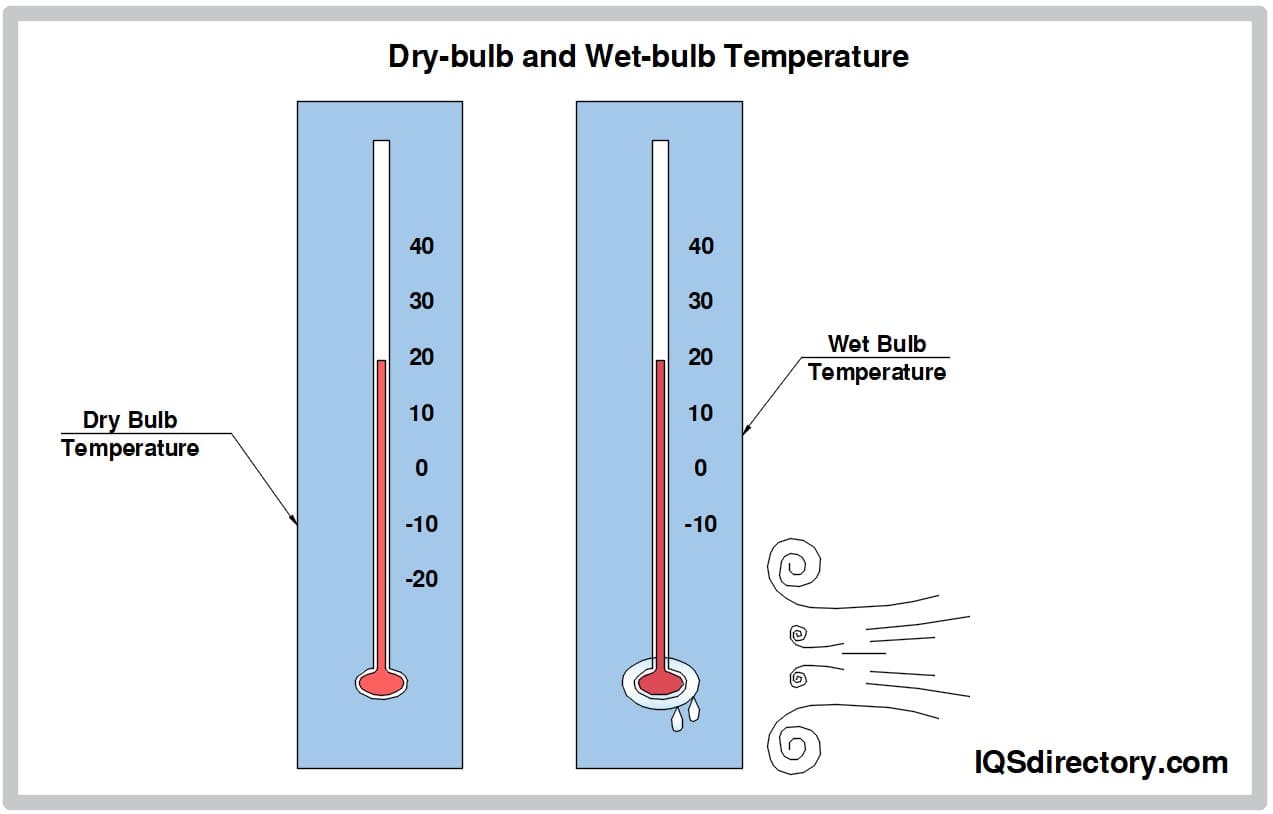
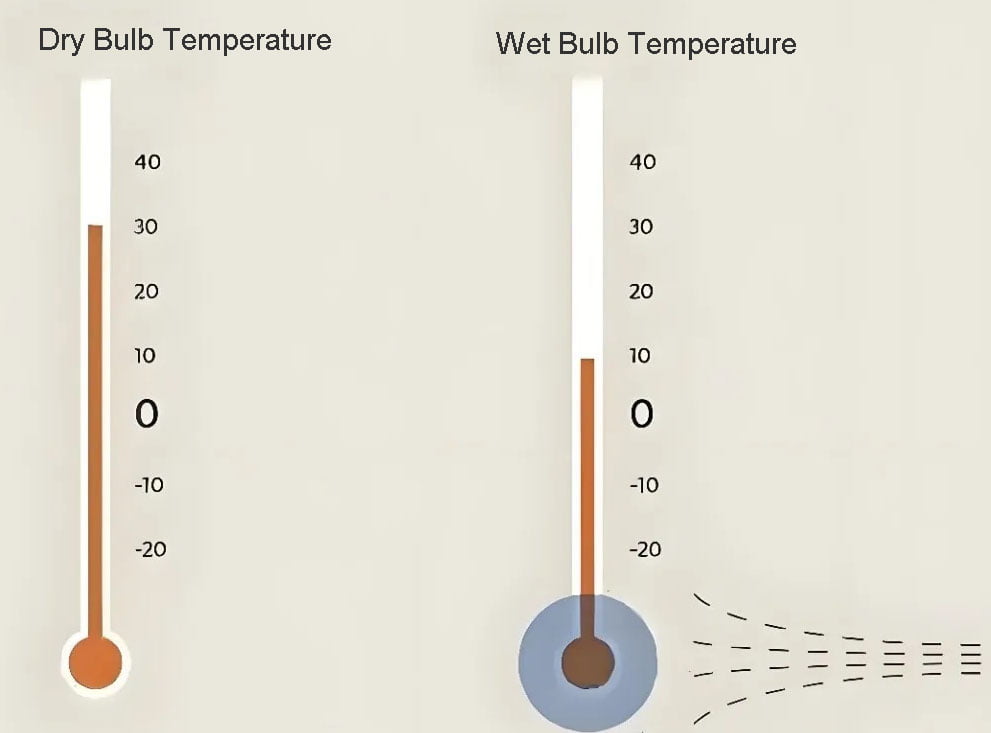
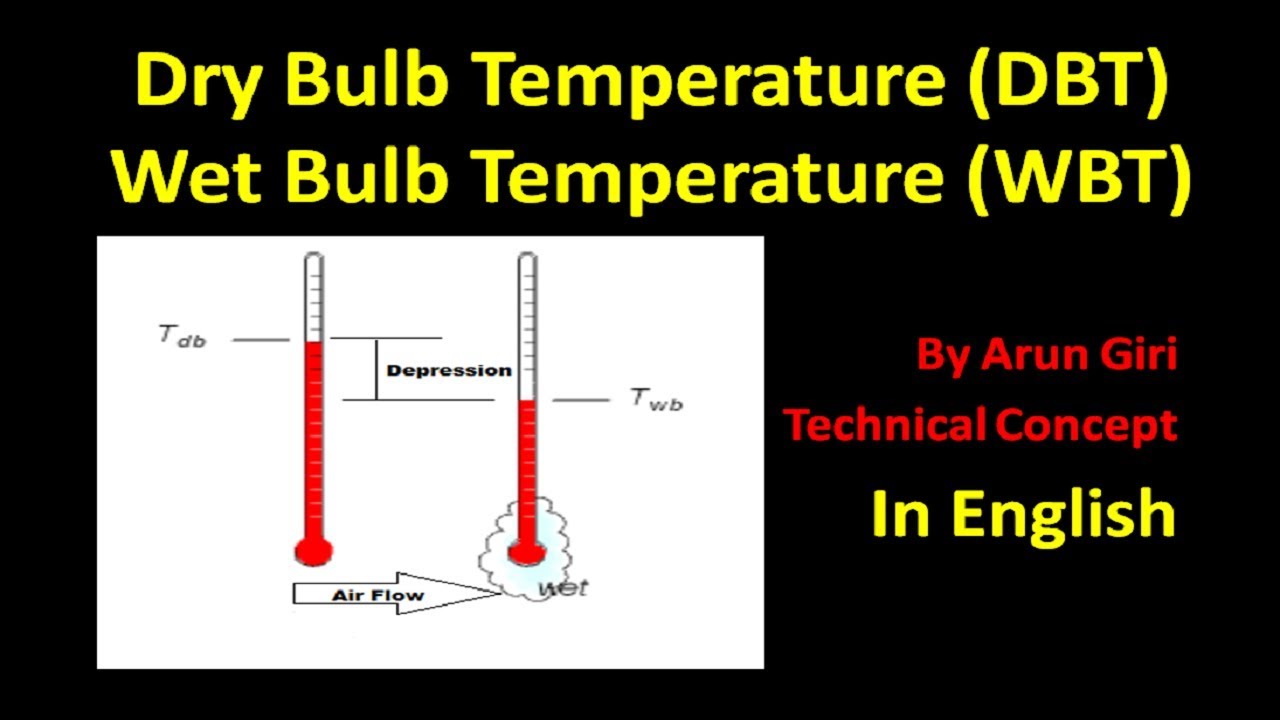
The wet bulb temperature, on the other hand, is the temperature a parcel of air would have if it were cooled to saturation (100% relative humidity) by the evaporation of water into it, with the heat being supplied by the air. In simpler terms, it represents the coolest temperature achievable through evaporative cooling. To measure wet bulb temperature, a thermometer bulb is covered with a wet cloth, and air is passed over it. As the water evaporates, it absorbs heat from the thermometer, causing the temperature to drop. The amount of temperature drop depends on the air's humidity. Drier air allows for more evaporation, resulting in a lower wet bulb temperature.
The wet bulb temperature provides insight into the air's total heat content, including both sensible and latent heat. Latent heat refers to the energy required to change the state of water (e.g., evaporation). Therefore, wet bulb temperature is a key indicator of the effectiveness of evaporative cooling systems and how comfortable the air will feel at a given dry bulb temperature and humidity level.
Real-World Example: Evaporative Coolers
Evaporative coolers, also known as swamp coolers, use the principle of wet bulb temperature to cool air. They work best in dry climates where the wet bulb temperature is significantly lower than the dry bulb temperature. The cooler the wet bulb temperature, the greater the potential for cooling. For instance, in Arizona, with a dry bulb temperature of 95°F (35°C) and a wet bulb temperature of 70°F (21°C), an evaporative cooler could theoretically cool the air down to around 70°F, making it a much more energy-efficient cooling option than traditional air conditioning.
The Relationship Between Dry Bulb, Wet Bulb, and Humidity
The relationship between dry bulb temperature, wet bulb temperature, and humidity is intertwined. The difference between the dry bulb and wet bulb temperatures is known as the wet-bulb depression. A larger wet-bulb depression indicates lower humidity, while a smaller depression suggests higher humidity. When the air is completely saturated (100% relative humidity), the dry bulb and wet bulb temperatures are equal.
This relationship is crucial for HVAC professionals because it allows them to accurately assess the total heat load on a building. They can use a psychrometric chart (a graphical representation of air's thermodynamic properties) to determine other parameters like enthalpy (total heat content) and dew point temperature, based on the dry bulb and wet bulb temperatures.
Practical Applications in HVAC Systems
Both dry bulb and wet bulb temperatures play significant roles in the design, installation, and maintenance of HVAC systems:
- Air Conditioning Sizing: HVAC technicians use dry bulb and wet bulb temperatures to calculate the cooling load of a building. The cooling load is the amount of heat that needs to be removed to maintain a comfortable indoor temperature. Accurately determining the cooling load ensures that the air conditioning system is appropriately sized, preventing issues like short cycling (frequent on-off cycles) or insufficient cooling.
- Evaporative Cooling System Design: Wet bulb temperature is a primary factor in determining the effectiveness of evaporative coolers. HVAC engineers use wet bulb temperature data to assess whether evaporative cooling is a viable option for a particular climate and to design systems that maximize cooling efficiency.
- Dehumidification Control: In humid climates, controlling humidity is just as important as controlling temperature. HVAC systems often incorporate dehumidification processes to remove moisture from the air. Understanding the wet bulb temperature helps technicians optimize these processes, ensuring comfortable indoor conditions and preventing mold growth.
- System Performance Monitoring: By regularly measuring dry bulb and wet bulb temperatures, technicians can monitor the performance of HVAC systems and identify potential issues. For example, a sudden increase in the wet bulb temperature leaving the cooling coil might indicate a problem with the refrigerant charge or airflow.
Cost, Efficiency, and Lifespan Considerations
Understanding the difference between dry and wet bulb temperatures can lead to better informed decisions regarding HVAC system selection, operation, and maintenance, ultimately impacting cost, efficiency, and lifespan:
- Cost: Properly sized and operated HVAC systems, based on accurate dry bulb and wet bulb temperature data, minimize energy consumption, leading to lower utility bills. Evaporative coolers, where suitable, often have lower upfront and operating costs compared to traditional air conditioners.
- Efficiency: Selecting the right cooling technology for your climate, based on wet bulb temperature considerations, maximizes energy efficiency. Evaporative cooling, for instance, is significantly more energy-efficient in dry climates than air conditioning. Similarly, understanding humidity levels (derived from dry and wet bulb temperatures) allows for optimized dehumidification settings, minimizing energy waste.
- Lifespan: Properly maintained HVAC systems, operated within their design parameters (informed by dry and wet bulb temperatures), tend to have longer lifespans. Avoiding short cycling, preventing excessive humidity buildup, and ensuring adequate airflow all contribute to a longer lifespan and reduced maintenance costs.
Conclusion
While the dry bulb temperature provides a direct indication of the air's sensible heat, the wet bulb temperature reveals the potential for evaporative cooling and provides valuable insight into the air's total heat content, including latent heat. Understanding the difference between these two measurements is critical for optimizing HVAC system performance, selecting the right cooling technology for your climate, and maintaining comfortable and healthy indoor environments. For homeowners, it means being able to better understand your thermostat settings and the effectiveness of your cooling system. For HVAC technicians and facility managers, it's an essential tool for accurate system design, installation, maintenance, and troubleshooting. By considering both dry bulb and wet bulb temperatures, you can make informed decisions that lead to lower energy costs, improved comfort, and a longer lifespan for your HVAC equipment.