Difference Between Lp Gas And Propane

For homeowners, HVAC technicians, and facility managers alike, understanding the nuances of fuel sources is crucial for making informed decisions regarding heating, cooling, and other energy-related systems. Liquefied petroleum gas (LPG) and propane are often used interchangeably, but while they are very similar, there are subtle yet important distinctions that can impact system performance, cost, and safety. This article delves into the differences between LPG and propane, offering a comprehensive overview for various audiences.
What is LPG?
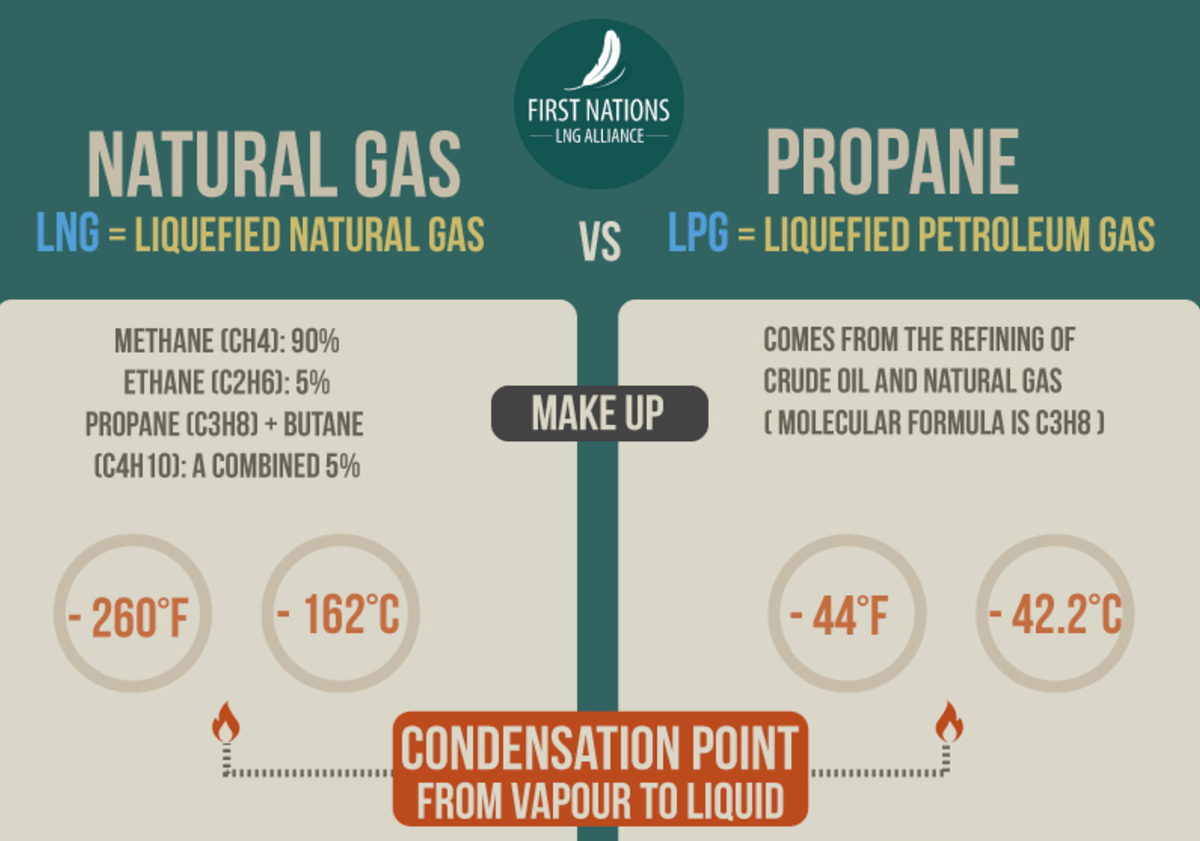
LPG, or Liquefied Petroleum Gas, is a broad term encompassing a mixture of hydrocarbon gases that are liquefied through pressurization. While propane is a major component, LPG can also include butane, isobutane, and even propylene. The exact composition of LPG varies depending on its source and intended application. Typically, LPG is derived from natural gas processing and oil refining.
Because LPG is a mixture, its properties are less consistent compared to pure propane. This variability can affect the combustion characteristics and therefore the efficiency of appliances designed to run on it.
Understanding Propane
Propane, on the other hand, is a specific hydrocarbon gas with the chemical formula C3H8. It's a single, well-defined compound. Propane is also a byproduct of natural gas processing and crude oil refining. In North America, the propane used for residential and commercial purposes is typically HD-5 propane, meaning it meets specific purity standards (at least 90% propane) with minimal levels of other hydrocarbons.
Because of its consistent composition, propane provides predictable and reliable performance in heating systems, water heaters, cooking appliances, and other equipment. This consistency is a major reason why it's the preferred choice for many applications.
Key Differences: Composition and Properties
The primary difference lies in the composition. LPG is a mix, while propane is a single, pure gas (or very close to pure). This compositional difference leads to variations in their physical properties:
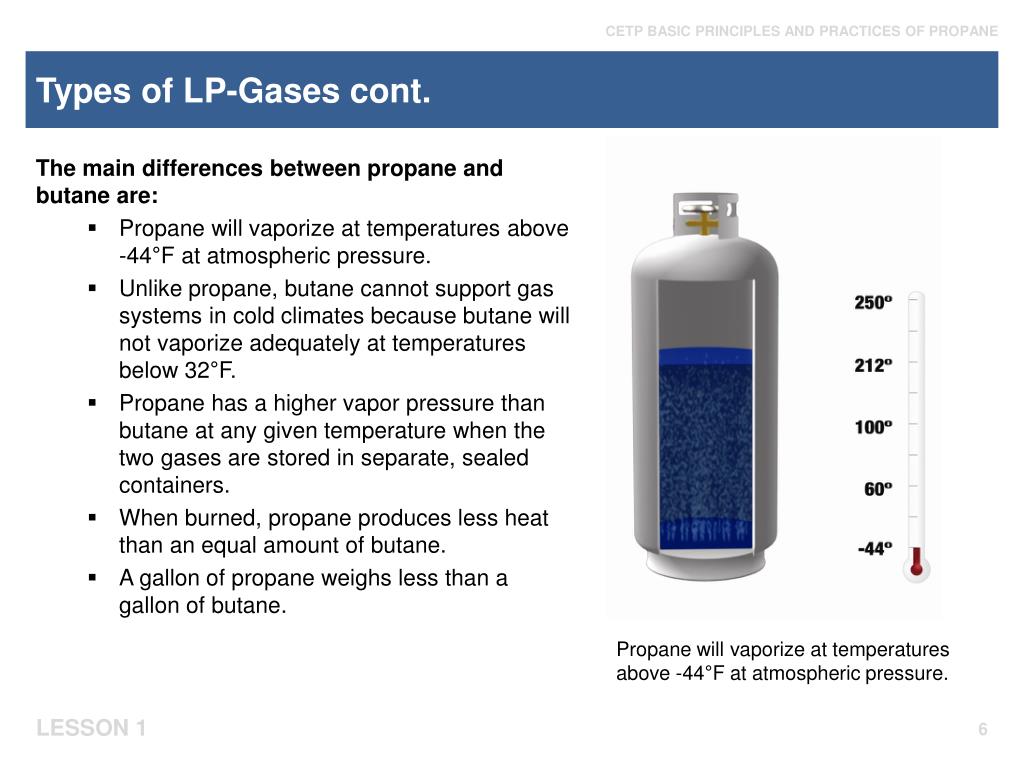
- Vapor Pressure: LPG tends to have a higher vapor pressure compared to pure propane, especially if it contains a significant amount of butane. This means it evaporates more readily at a given temperature. This can be a factor in colder climates, where butane-rich LPG might not vaporize sufficiently.
- Energy Content: The energy content (BTUs per gallon or cubic foot) can vary slightly between LPG mixtures and propane. Generally, propane has a slightly higher energy content per unit volume.
- Boiling Point: Butane, often a component of LPG, has a higher boiling point than propane. This means butane remains a liquid at slightly lower temperatures compared to propane. In very cold weather, butane may not vaporize effectively, reducing the efficiency of appliances.
Impact on HVAC Systems
For HVAC systems, the choice between LPG and propane – assuming a choice exists, as propane is overwhelmingly more common – affects several aspects:
Furnace Performance
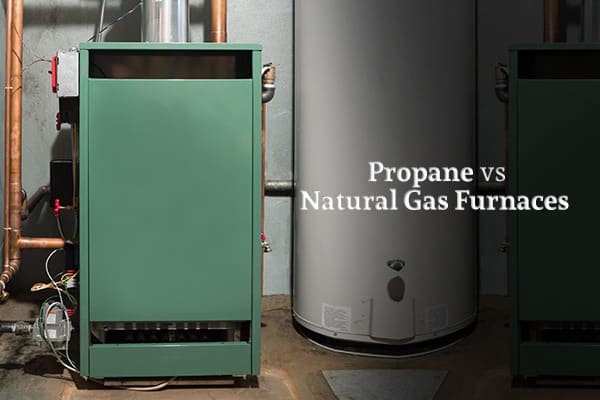
Furnaces designed for propane are calibrated to burn propane's specific air-fuel mixture. If an LPG mixture with a significantly different composition is used, the furnace may not burn as efficiently, leading to wasted fuel and potentially increased emissions. In extreme cases, it could even cause sooting or damage to the furnace.
Example: A homeowner with a 95% AFUE (Annual Fuel Utilization Efficiency) propane furnace might see a slight drop in efficiency if using an LPG mix with a lower propane content. The difference may be hard to quantify without proper testing, but over time, it can add up.
Water Heaters
Similar to furnaces, propane water heaters are optimized for propane's combustion properties. Using a different LPG mix could affect the water heater's recovery rate (how quickly it heats water) and overall efficiency.
Other Appliances
Gas stoves, clothes dryers, and other appliances designed for propane can also be affected by the fuel source. Improper combustion can lead to carbon monoxide production, posing a safety hazard. Regular maintenance and inspection are crucial, regardless of the fuel source.
Cost Considerations
The cost of LPG and propane varies depending on location, supplier, and market conditions. Generally, propane is priced competitively. However, the price of LPG can fluctuate more depending on the specific composition of the mixture and the availability of its components. It's important to compare prices from multiple suppliers to ensure you're getting the best deal.
Consider not only the price per gallon or cubic foot but also the energy content. A slightly cheaper fuel with a lower energy content might end up costing more in the long run due to increased fuel consumption. Always ask for the BTU content of the fuel to make an informed comparison.
Safety Considerations
Both LPG and propane are flammable and pose a risk of explosion if not handled properly. It's crucial to adhere to the following safety precautions:
- Proper Installation: Ensure that all propane or LPG appliances are installed by qualified technicians, following all local codes and regulations.
- Leak Detection: Install propane detectors in your home or building to alert you to any leaks.
- Regular Inspections: Have your propane system inspected regularly by a qualified technician to identify and address any potential problems.
- Ventilation: Ensure adequate ventilation for all propane appliances to prevent carbon monoxide buildup.
- Proper Storage: Store propane tanks in a safe location, away from heat sources and potential ignition sources.
Propane has a distinct odorant added to it (ethyl mercaptan) to make leaks easily detectable. While LPG should also be odorized, the strength of the odor may vary depending on the blend. Always trust your nose and investigate any unusual smells.
Regional Variations and Availability
The availability of LPG mixtures can vary depending on the region. In some areas, particularly in Europe and Asia, LPG is more commonly used than pure propane. In North America, propane is the dominant choice for residential and commercial applications. When choosing fuel, consider the accessibility of suppliers and the ease of obtaining refills or deliveries.
Regulations and Standards
The use of LPG and propane is governed by various regulations and standards to ensure safety and environmental protection. These regulations cover aspects such as tank installation, leak testing, and transportation. Always comply with all applicable regulations and standards when using propane or LPG.
In the United States, the National Fire Protection Association (NFPA) sets standards for the storage and handling of propane. Local codes may also apply, so it's essential to check with your local authorities.
Choosing the Right Fuel: A Summary
While both LPG and propane are viable fuel options, propane is generally the preferred choice for most residential and commercial HVAC applications due to its consistent composition and reliable performance. LPG mixtures can be used, but it's important to ensure that the appliances are properly calibrated and that the fuel meets the required specifications.
Here's a quick guide to help you decide:
- Propane: Ideal for furnaces, water heaters, cooking appliances, and other equipment requiring consistent and predictable performance. Widely available and regulated.
- LPG: Can be used if propane is not readily available, but ensure that the appliances are compatible and that the fuel meets the required specifications. Consider the potential for variations in performance due to the mixture's composition.
For HVAC Technicians and Installers
As HVAC professionals, it's your responsibility to ensure that systems are properly installed and calibrated for the fuel being used. This includes verifying the fuel type, adjusting burner settings, and conducting thorough leak tests. Always consult the manufacturer's instructions and follow all applicable codes and regulations.
Educate your customers about the differences between LPG and propane and help them choose the best fuel option for their needs. Explain the importance of regular maintenance and inspections to ensure safe and efficient operation.
For Property Managers
Managing multiple properties requires careful attention to detail, including fuel management. Ensure that all propane systems are properly maintained and inspected regularly. Work with reputable fuel suppliers and monitor fuel prices to minimize costs. Implement safety protocols to prevent accidents and ensure the well-being of your tenants.
Conclusion
Understanding the difference between LPG and propane is essential for homeowners, HVAC technicians, and facility managers. While subtle, these distinctions can impact system performance, cost, and safety. By choosing the right fuel, following proper installation and maintenance procedures, and adhering to safety regulations, you can ensure the reliable and efficient operation of your propane-powered systems. In most North American applications, specifying and using pure propane is the simpler and more reliable solution.