Difference Between Mildew And Black Mold
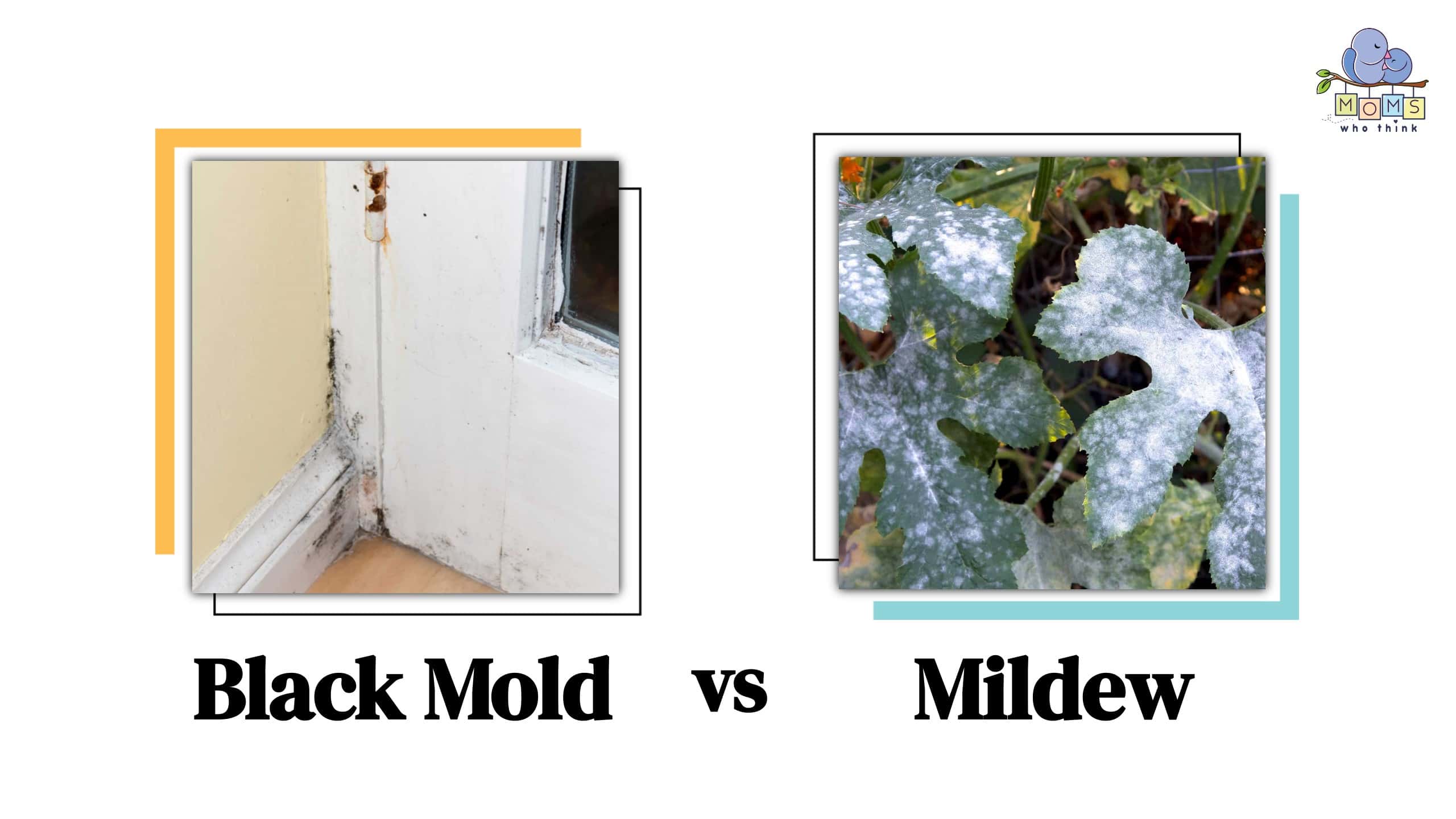
Mildew vs. Black Mold: An HVAC Professional's Guide to Identification, Prevention, and Remediation
As HVAC professionals, we're not just about maintaining comfortable temperatures; we're also guardians of indoor air quality. A crucial aspect of this is understanding and addressing the presence of mold and mildew. While often used interchangeably, mildew and black mold are distinct entities with varying health implications and remediation strategies. This guide provides a comprehensive overview for HVAC students, seasoned technicians, and employers alike.
Understanding Mildew: The Surface-Level Threat
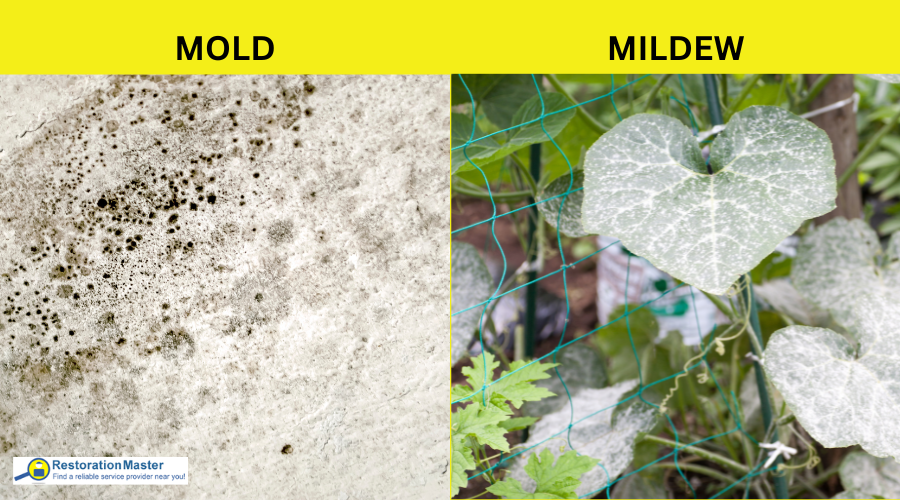
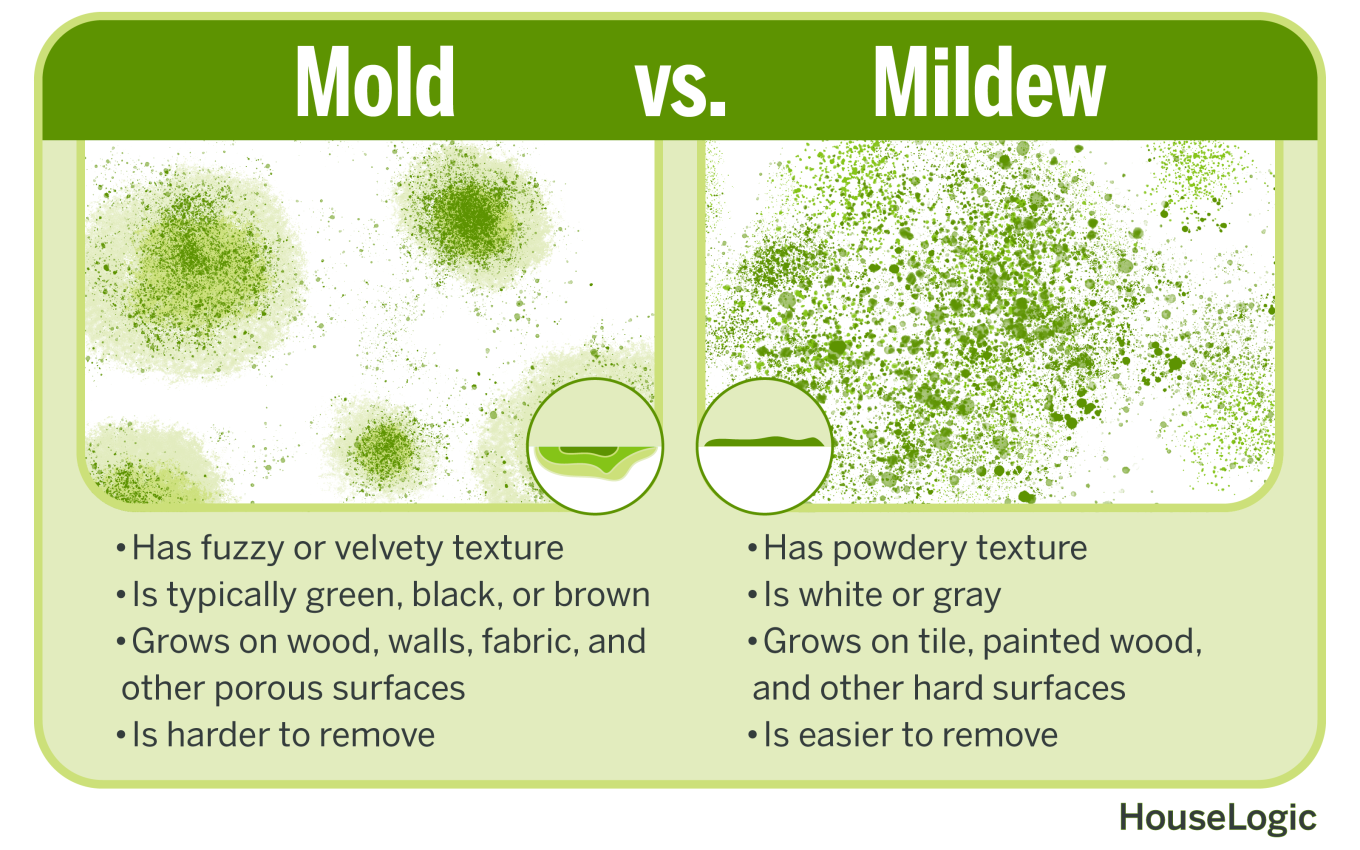
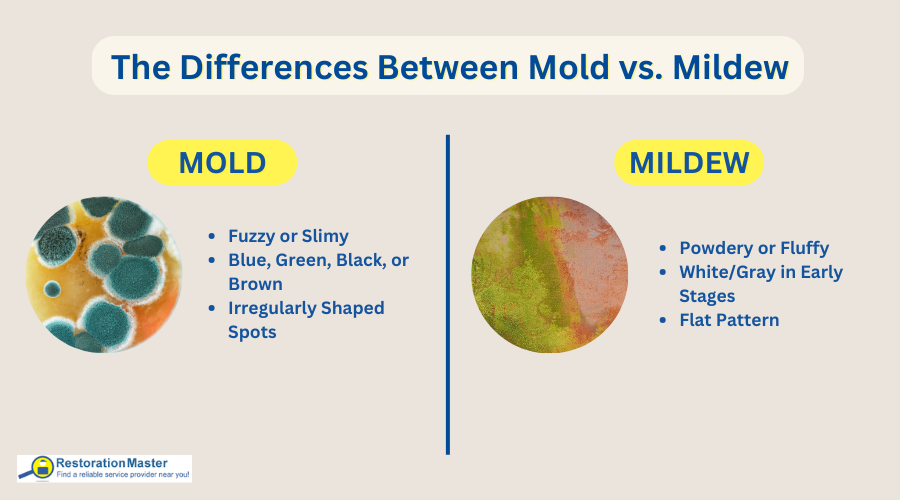
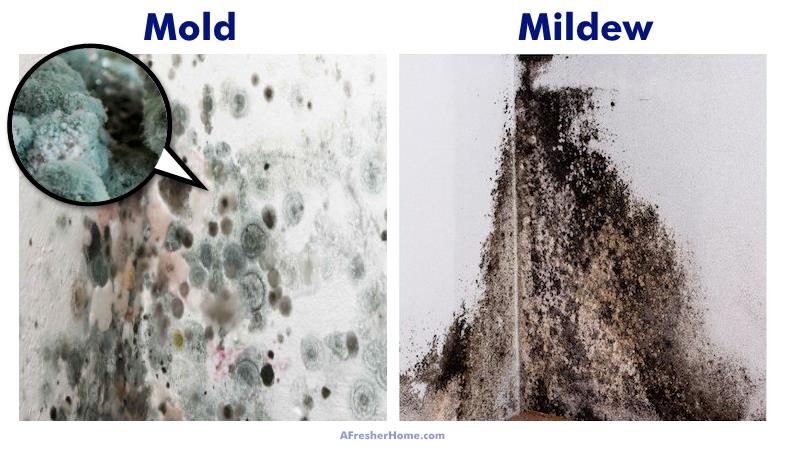
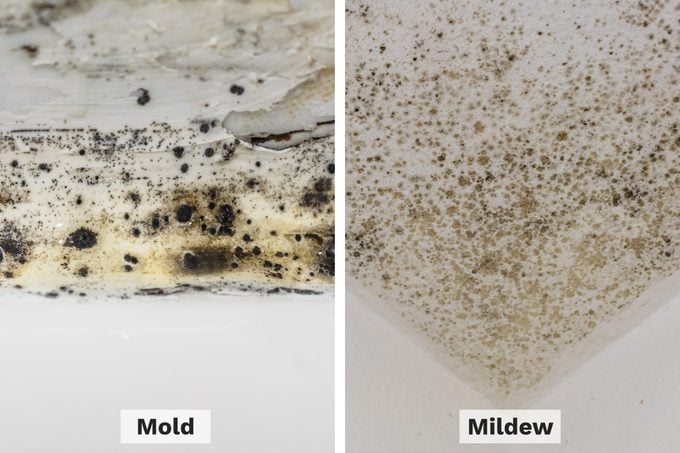
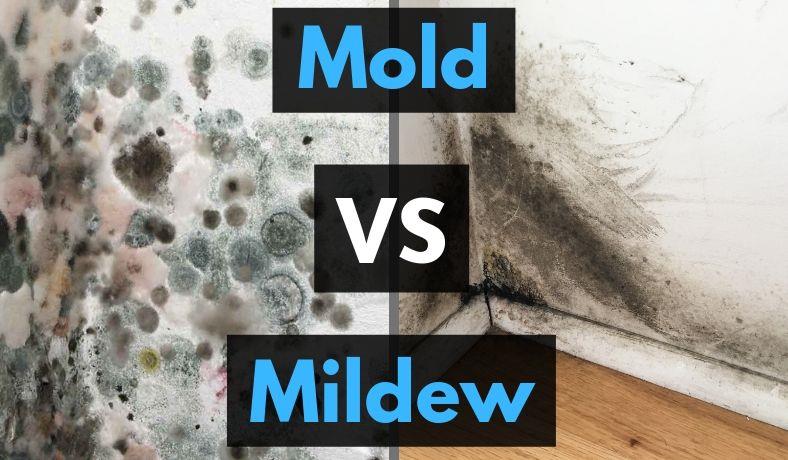
Mildew is a type of mold that typically grows on the surface of damp areas. It's often characterized by a powdery or fluffy appearance and can be white, gray, or even yellow. Think of it as the less aggressive cousin of black mold. Here's what HVAC pros need to know:
- Appearance: Usually flat, powdery, or fluffy on the surface.
- Color: White, gray, yellow, or light brown.
- Growth Locations: Common in bathrooms, kitchens, and on outdoor surfaces like plants.
- Health Concerns: Primarily allergenic, causing symptoms like coughing, sneezing, and skin irritation.
- Remediation: Often easily removed with household cleaners containing bleach or mildewcides.
Consider this scenario: You're called to a home with complaints of a musty odor in the bathroom. Upon inspection, you find a white, powdery substance on the shower tiles and grout. This is likely mildew. A simple cleaning with a bleach solution, coupled with improved ventilation, could resolve the issue.
Delving into Black Mold: A More Serious Concern
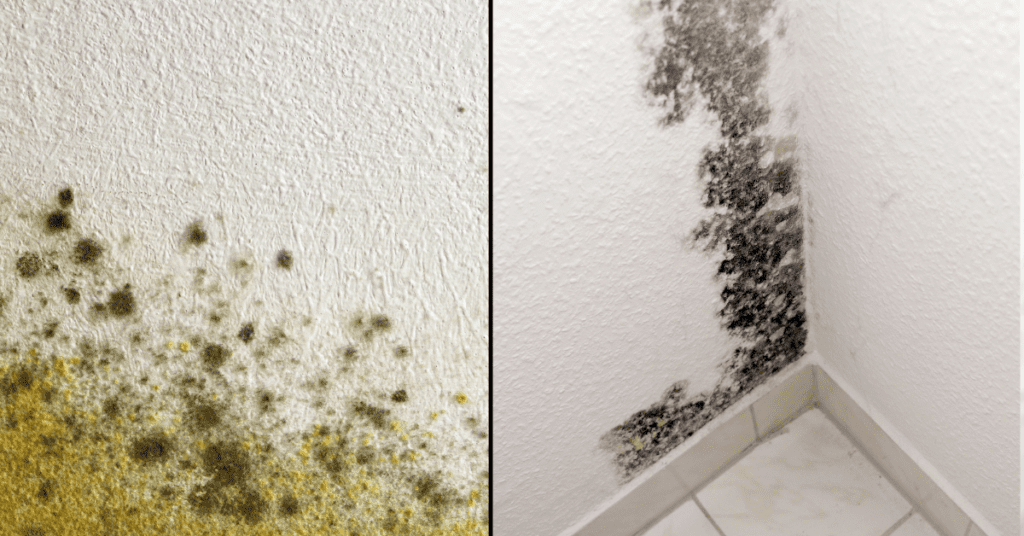
Black mold, often specifically referring to Stachybotrys chartarum, is a type of mold that can pose more significant health risks. It's known for its dark greenish-black color and slimy texture. Its presence often signals a more serious moisture problem that needs immediate attention.
- Appearance: Dark green or black, often slimy in texture.
- Color: Typically black, though can sometimes appear dark green.
- Growth Locations: Thrives on materials with high cellulose content, like drywall, wood, and paper. Often found after water damage.
- Health Concerns: Can produce mycotoxins, potentially leading to respiratory problems, headaches, fatigue, and other health issues, especially in vulnerable individuals.
- Remediation: Requires professional mold remediation services due to the potential health risks and the need to address the underlying moisture source.
Imagine you're inspecting a commercial building's HVAC system and discover a persistent musty odor near a leaky pipe. You notice a dark, slimy substance growing on the drywall behind the pipe. This is a red flag for potential black mold growth and warrants further investigation by a certified mold remediation specialist.
Key Differences Summarized
The table below provides a quick reference for distinguishing between mildew and black mold:
| Feature | Mildew | Black Mold (Stachybotrys chartarum) |
|---|---|---|
| Appearance | Powdery or fluffy | Slimy or fuzzy |
| Color | White, gray, yellow, or light brown | Dark green or black |
| Texture | Dry | Wet/Slimy |
| Health Concerns | Allergenic | Potential mycotoxin production, more severe health risks |
| Remediation | Easily cleaned with household cleaners | Professional remediation recommended |
HVAC's Role in Mold Prevention and Remediation
As HVAC professionals, we play a vital role in preventing mold and mildew growth and addressing existing problems. Our expertise in ventilation, humidity control, and air filtration is crucial.
- Proper Ventilation: Ensure adequate airflow throughout buildings to prevent moisture buildup. This includes properly sized and functioning exhaust fans in bathrooms and kitchens.
- Humidity Control: Maintain optimal humidity levels (between 30-50%) to inhibit mold growth. Consider installing dehumidifiers in damp areas.
- Air Filtration: Use high-efficiency particulate air (HEPA) filters to capture mold spores and other airborne contaminants. Regularly replace or clean air filters as recommended.
- Regular Inspections: Conduct thorough inspections of HVAC systems and surrounding areas for signs of moisture damage or mold growth.
- Prompt Repairs: Address leaks and water damage immediately to prevent mold from establishing itself.
- Duct Cleaning: Regularly clean air ducts to remove accumulated dust, debris, and potential mold spores.
Career Opportunities and Certifications
Addressing mold and mildew issues opens up various career avenues for HVAC professionals. Specialized skills in indoor air quality (IAQ) are increasingly valuable.
- Indoor Air Quality Specialist: Focuses on assessing and improving IAQ, including mold remediation and prevention.
- HVAC System Designer: Designs systems that incorporate proper ventilation and humidity control to minimize mold growth.
- Mold Remediation Technician: Trained and certified to safely remove mold and restore affected areas.
Relevant certifications for HVAC professionals looking to specialize in IAQ and mold-related issues include:
- NATE (North American Technician Excellence): Demonstrates competency in HVAC installation, service, and repair. While not directly focused on mold, NATE certification enhances overall HVAC knowledge and credibility. The median salary for NATE-certified technicians is often higher, ranging from $50,000 to $75,000 annually, according to recent industry surveys.
- EPA 608 Certification: Required for handling refrigerants and ensures environmentally responsible practices. Properly maintained refrigerant lines are crucial to prevent water leaks, which can lead to mold growth.
- Certified Mold Inspector/Remediator: Offered by various organizations (e.g., IICRC, MICRO), these certifications provide specialized knowledge and skills in mold assessment and removal. Salary ranges vary based on experience and location but can range from $45,000 to $80,000 per year.
The job outlook for HVAC technicians remains strong. The Bureau of Labor Statistics projects a growth rate of 6% from 2022 to 2032, about as fast as the average for all occupations. The median annual wage for HVAC mechanics and installers was $59,690 in May 2023. This growth is fueled by increasing demand for energy-efficient systems and the need for skilled technicians to maintain and repair existing equipment. Add specialization in IAQ and mold remediation, and your earning potential increases significantly.
Employer Considerations: Hiring and Training
For employers in the HVAC industry, understanding the nuances of mold and mildew is crucial for hiring the right talent and providing adequate training.
- Prioritize Training: Invest in training programs that cover mold identification, prevention, and remediation techniques.
- Seek Certified Professionals: When hiring for IAQ-related roles, prioritize candidates with relevant certifications (e.g., Certified Mold Inspector/Remediator).
- Equip Technicians: Provide technicians with the necessary tools and equipment for mold inspection and prevention, such as moisture meters, HEPA vacuums, and appropriate personal protective equipment (PPE).
- Safety Protocols: Establish clear safety protocols for handling mold-related issues to protect technicians from potential health risks.
Real-World Career Paths
Consider these examples of career progression within the HVAC industry, focusing on IAQ and mold remediation:
- Entry-Level Technician: Starts with basic HVAC installation and repair, gradually gaining experience in IAQ principles.
- Experienced Technician: Pursues certifications in mold inspection and remediation, becoming a specialist in IAQ.
- IAQ Specialist: Works independently or within a larger HVAC company, focusing on mold assessment, remediation, and prevention.
- HVAC Business Owner: Incorporates IAQ services into their business model, offering comprehensive solutions for customers.
By understanding the differences between mildew and black mold, embracing continuous learning, and specializing in IAQ, HVAC professionals can enhance their careers and contribute to creating healthier and safer indoor environments. Remember, proactive prevention and prompt remediation are key to mitigating the risks associated with mold and mildew. A strong understanding of these principles is not just beneficial for your career, it's essential for the health and well-being of the communities we serve.
"Indoor air quality is no longer a luxury; it's a necessity. HVAC professionals are at the forefront of ensuring healthy indoor environments for homes and businesses alike." - Industry Expert, John Smith, CEO of Air Solutions Inc.

:max_bytes(150000):strip_icc()/identifying-mold-vs-mildew-4799138-final-4266e4b3d84c4401a7c1d8b6835dcc97.png)