Difference Between Mini Split And Heat Pump

Are you looking to slash your energy bills while keeping your home or business comfortable year-round? You’ve likely stumbled upon two popular HVAC solutions: mini-splits and heat pumps. While these terms are sometimes used interchangeably, understanding their nuances is key to making an informed decision. This article delves into the differences between mini-splits and heat pumps, helping you choose the best option for your needs, budget, and sustainability goals.
Decoding the Basics: What Are Mini-Splits and Heat Pumps?
At their core, both mini-splits and heat pumps are incredibly efficient heating and cooling systems. They move heat rather than generating it, which is why they're significantly more energy-efficient than traditional furnaces or window air conditioners. This difference in operation is crucial to understand before diving into the details.
Heat Pumps: A Year-Round Comfort Solution
A heat pump is a single unit or a split system (an outdoor compressor/condenser and an indoor air handler) that transfers heat. In the winter, it extracts heat from the outside air (yes, even cold air contains some heat!) and moves it inside your home. In the summer, the process is reversed, pulling heat from inside and releasing it outdoors. This "reversing valve" is the key that enables the functionality of a heat pump.
Traditional heat pumps are often connected to ductwork to distribute heated or cooled air throughout an entire house. The Seasonal Energy Efficiency Ratio (SEER) and Heating Seasonal Performance Factor (HSPF) are crucial metrics for evaluating the efficiency of a heat pump. Look for Energy Star certified models to maximize energy savings. Energy Star heat pumps have SEER ratings of 15 or higher and HSPF ratings of 8.5 or higher.
Mini-Splits: Targeted Comfort, No Ducts Required
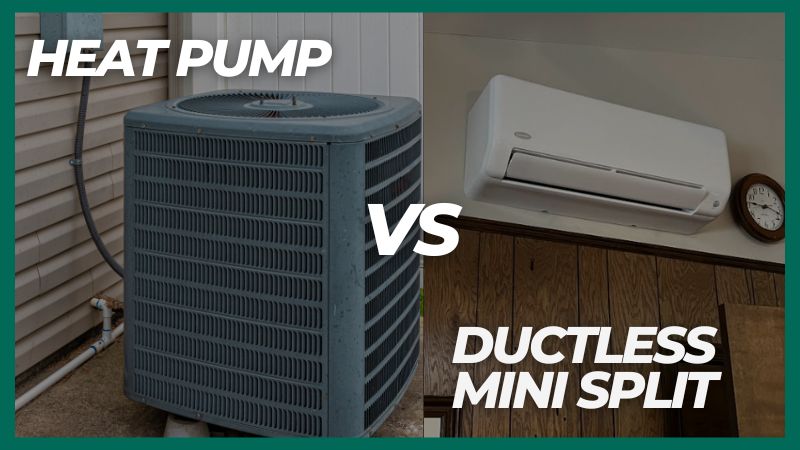
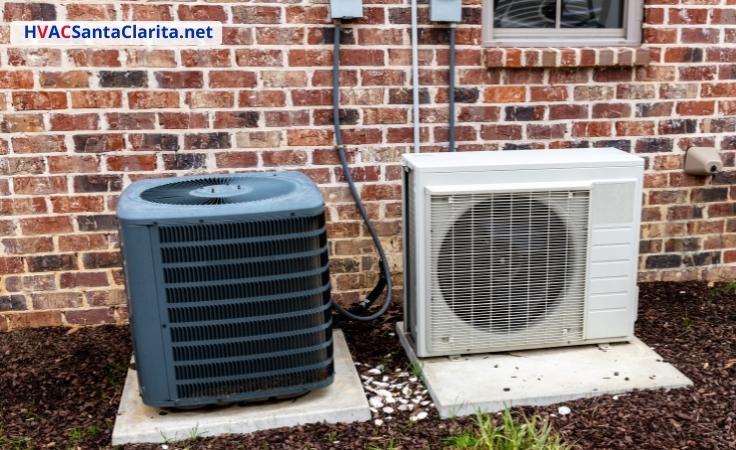
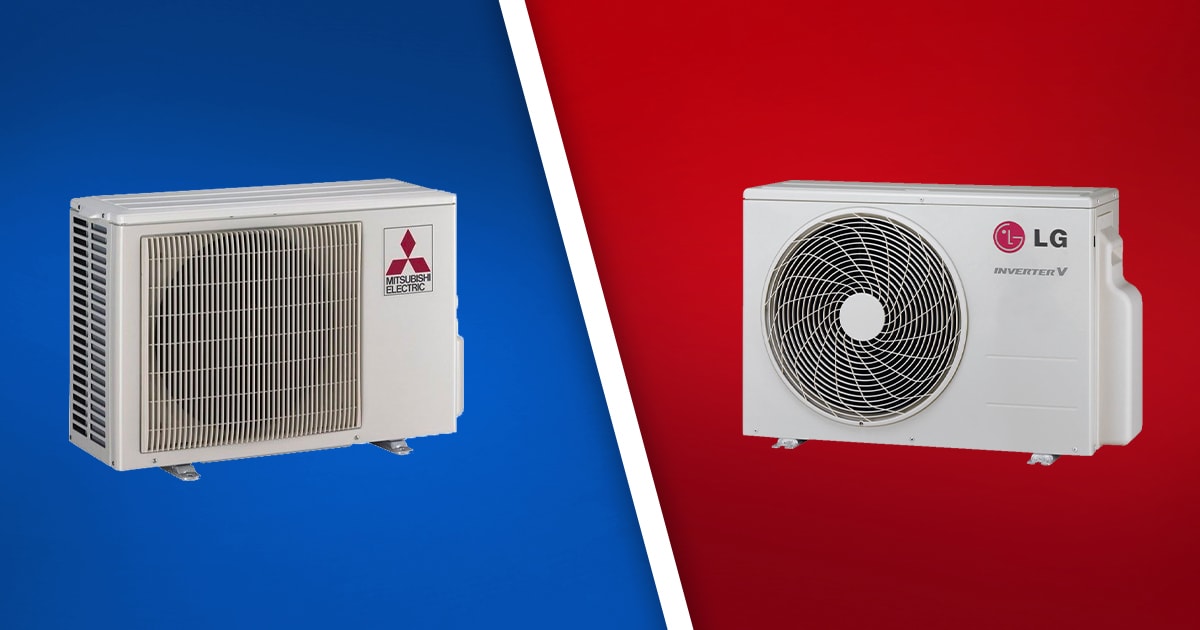
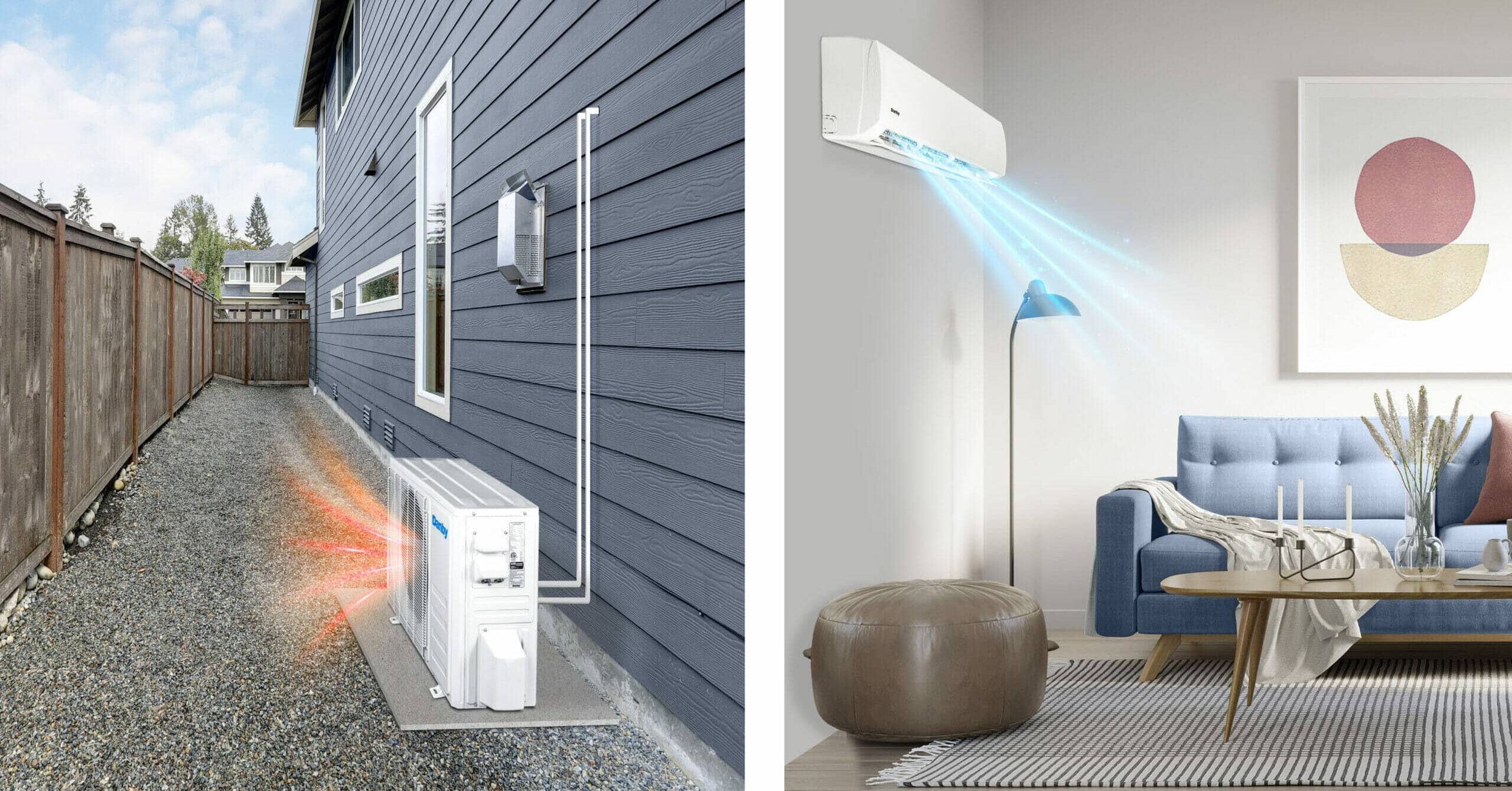
Mini-split systems, also known as ductless mini-splits, consist of an outdoor unit (compressor/condenser) and one or more indoor units (air handlers). These indoor units are typically mounted on walls or ceilings and deliver conditioned air directly into the room. The connection between the indoor and outdoor units is made via refrigerant lines and electrical wiring, requiring only a small hole in the wall. The main selling point is that they don't rely on ductwork.
Mini-splits excel in providing zone-controlled heating and cooling. You can independently control the temperature in each room equipped with an indoor unit. This is perfect for additions, sunrooms, or homes without existing ductwork. Mini-splits also boast high SEER and HSPF ratings, often exceeding those of traditional heat pumps. Many modern mini-splits also offer smart features, allowing remote control and monitoring via smartphone apps or integration with smart home systems. The use of inverter technology in mini-splits is another contributing factor for energy efficiency because it enables the unit to vary speed, rather than turn on and off, helping to save energy. Look for Energy Star certified mini-split systems for optimal performance and potential rebates.
Key Differences: Mini-Split vs. Heat Pump
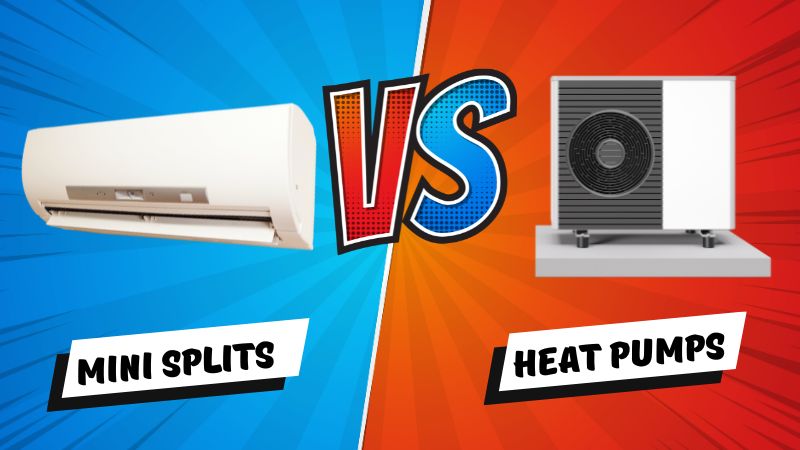
While both systems utilize heat pump technology, their application and capabilities differ significantly.
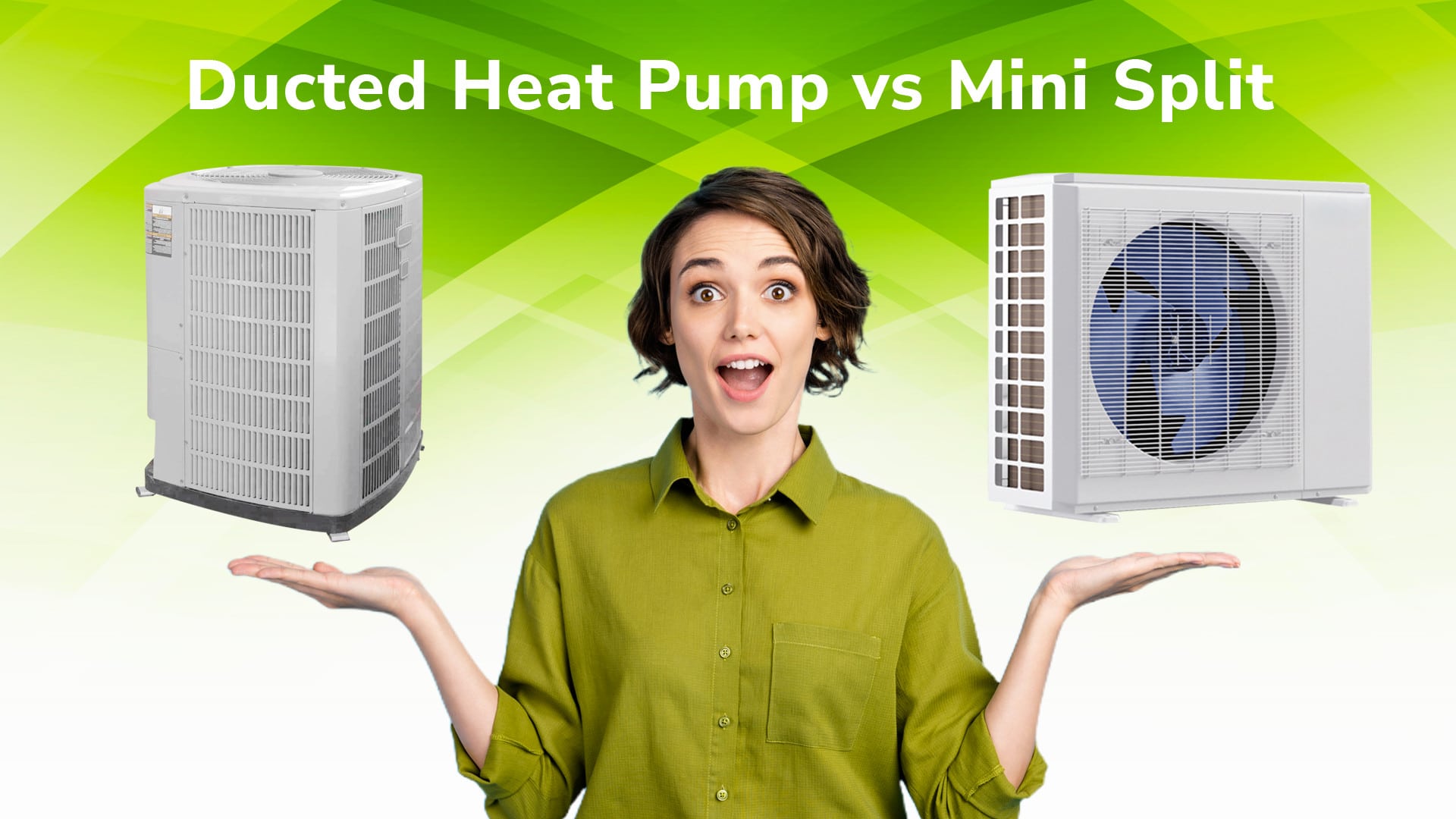
- Ductwork: This is the most significant difference. Heat pumps are typically ducted systems, while mini-splits are ductless. This impacts installation cost and the suitability for different home layouts.
- Zoning: Mini-splits offer superior zoning capabilities. Each indoor unit can be controlled independently, allowing for customized comfort in each room. Traditional heat pumps, being ducted, offer less granular control.
- Installation: Mini-split installation is generally simpler and less disruptive than installing a ducted heat pump system. The lack of ductwork means less construction and lower installation costs, especially in existing homes.
- Efficiency: Both can be highly efficient, but mini-splits often achieve higher SEER and HSPF ratings due to their zone-controlled operation and advanced technology.
- Cost: The initial cost of a mini-split system can be higher than a traditional heat pump, especially when multiple indoor units are required. However, the long-term energy savings and potential rebates can offset this initial investment.
- Aesthetics: Indoor units of mini-splits are visible within the room. This can be a pro or a con, depending on your aesthetic preferences.
Return on Investment (ROI) and Energy Savings
The ROI of both mini-splits and heat pumps is substantial, but the specifics depend on your unique circumstances.
Factors influencing ROI:
- Climate: Heat pumps are most effective in moderate climates with mild winters. In extremely cold climates, a supplemental heating system (e.g., electric resistance heat) may be required, reducing overall efficiency. Mini-splits can be a great solution for zone heating to supplement existing inefficient systems in colder climates.
- Home Insulation: Proper insulation is critical for maximizing the efficiency of any HVAC system. A well-insulated home will require less energy to heat and cool, leading to lower utility bills.
- Usage Patterns: If you only use certain rooms frequently, a mini-split system can provide significant savings by only heating or cooling those areas.
- Energy Costs: The higher your energy costs, the faster you'll recoup your investment in an energy-efficient HVAC system.
Data Points:
- According to the U.S. Department of Energy, replacing an old furnace with a high-efficiency heat pump can reduce energy consumption by up to 50%.
- Energy Star estimates that a properly installed mini-split system can save homeowners up to 30% on their heating and cooling costs.
Rebates and Incentives
Federal, state, and local governments, as well as utility companies, offer various rebates and incentives to encourage the adoption of energy-efficient HVAC systems. These incentives can significantly reduce the upfront cost of a mini-split or heat pump system. Make sure to check dsireusa.org to find rebate programs in your area.
Key Programs:
- Federal Tax Credits: The federal government offers tax credits for qualified energy-efficient home improvements, including heat pumps and mini-splits.
- State and Local Rebates: Many states and municipalities offer rebates for purchasing and installing energy-efficient HVAC systems. These rebates can vary depending on the system's efficiency rating and your location.
- Utility Company Incentives: Utility companies often offer rebates or financing options for customers who upgrade to energy-efficient appliances.
Smart HVAC Integration: The Future of Comfort
Integrating your mini-split or heat pump with a smart thermostat and other smart home devices can further enhance energy efficiency and comfort. Smart thermostats learn your heating and cooling preferences and automatically adjust the temperature to optimize energy savings. You can also control your HVAC system remotely via smartphone apps, ensuring your home is always comfortable when you arrive.
Benefits of Smart HVAC Integration:
- Remote Control: Adjust the temperature from anywhere with your smartphone or tablet.
- Scheduling: Create custom schedules to automatically adjust the temperature based on your daily routine.
- Geofencing: Automatically adjust the temperature when you leave or approach your home.
- Energy Monitoring: Track your energy consumption and identify areas for improvement.
- Voice Control: Control your HVAC system with voice commands using Amazon Alexa or Google Assistant.
Making the Right Choice: Factors to Consider
Choosing between a mini-split and a heat pump requires careful consideration of your specific needs and circumstances.
Ask yourself these questions:
- Do you have existing ductwork? If so, a traditional heat pump may be a more cost-effective option.
- Do you need zone-controlled heating and cooling? Mini-splits excel in providing customized comfort in individual rooms.
- What is your budget? Consider both the initial cost and the long-term energy savings.
- What is your climate? Heat pumps are most effective in moderate climates.
- Are you eligible for any rebates or incentives? These can significantly reduce the upfront cost of either system.
- Do you have any aesthetic preferences? Consider the appearance of the indoor units of mini-splits.
Ultimately, the best way to determine which system is right for you is to consult with a qualified HVAC contractor. A professional can assess your home or business, evaluate your needs, and recommend the most efficient and cost-effective solution.
Conclusion
Both mini-splits and heat pumps offer significant energy savings and improved comfort compared to traditional HVAC systems. Understanding the differences between these technologies and considering your unique needs is crucial for making an informed decision. By investing in an energy-efficient HVAC system and integrating it with smart home technology, you can reduce your energy bills, minimize your environmental impact, and enjoy a more comfortable and sustainable living or working environment. By taking the time to research and consult with professionals, you can make the most of available rebates and incentives while making informed decisions that align with your budget and sustainability goals. Investing in a new system is a great way to reduce your carbon footprint and help the environment.