Difference Between Programmable And Non Programmable Thermostat

Choosing the right thermostat can significantly impact your comfort, energy consumption, and overall HVAC system efficiency. Two primary types dominate the market: programmable and non-programmable thermostats. Understanding the differences between these options is crucial for making an informed decision that aligns with your lifestyle, budget, and energy-saving goals. This article provides a detailed comparison to help homeowners, HVAC technicians, and facility managers navigate this important choice.
Non-Programmable Thermostats: Simplicity and Basic Control
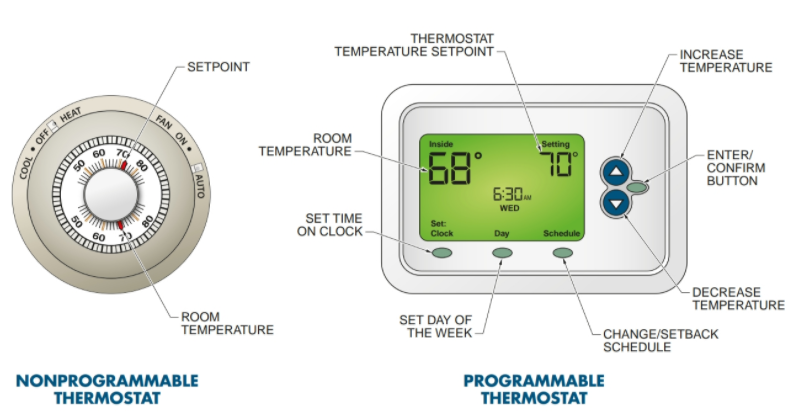
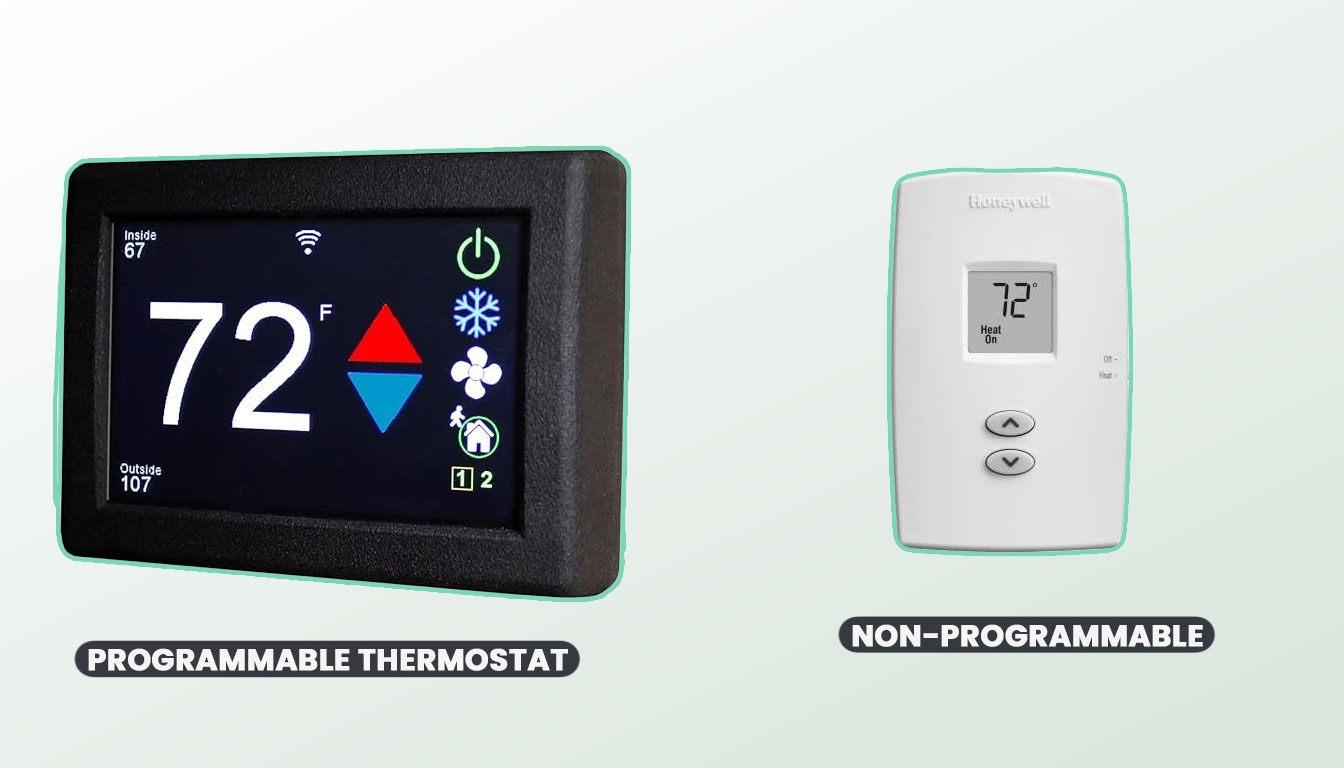
Non-programmable thermostats are the traditional, straightforward option. They offer basic temperature control, allowing you to set a single temperature point that remains constant until you manually adjust it. These thermostats are generally less expensive upfront and easier to install and operate.
Key Features of Non-Programmable Thermostats:
- Simplicity: The user interface is typically very simple, often consisting of a dial or basic buttons to increase or decrease the temperature.
- Ease of Use: No programming is required. You simply set the desired temperature, and the thermostat maintains it.
- Lower Upfront Cost: Non-programmable thermostats are generally the least expensive option.
- Basic Functionality: They offer only basic temperature control, with no scheduling or advanced features.
Ideal Scenarios for Non-Programmable Thermostats:
- Individuals with Consistent Schedules: If you maintain a predictable daily routine and are home most of the time, a non-programmable thermostat can be sufficient.
- Rental Properties: Landlords often choose non-programmable thermostats for rental units due to their lower cost and reduced complexity for tenants.
- Backup Systems: In some cases, a non-programmable thermostat might serve as a backup for a more sophisticated system.
Limitations of Non-Programmable Thermostats:
The primary drawback of non-programmable thermostats is their inability to adjust the temperature automatically based on a schedule. This can lead to:
- Higher Energy Bills: If you forget to manually adjust the thermostat when you leave home or go to bed, your HVAC system will continue to run at the same level, wasting energy.
- Inconsistent Comfort: Maintaining a comfortable temperature throughout the day and night requires constant manual adjustments.
- Lack of Automation: Non-programmable thermostats offer no automated features, such as vacation mode or remote control.
Programmable Thermostats: Efficiency and Automation
Programmable thermostats allow you to set different temperature points for various times of the day and week. This feature enables you to optimize energy consumption by automatically reducing heating or cooling when you're away from home or asleep. While they generally have a higher upfront cost, programmable thermostats can often pay for themselves through energy savings over time.
Key Features of Programmable Thermostats:
- Scheduling Capabilities: You can create custom schedules to automatically adjust the temperature based on your daily routine.
- Energy Savings: By reducing heating or cooling when you don't need it, programmable thermostats can significantly lower your energy bills.
- Increased Comfort: You can program the thermostat to automatically adjust the temperature before you wake up or return home, ensuring a comfortable environment.
- Various Programming Options: Programmable thermostats come in different configurations, such as 7-day, 5-2 day, and 5-1-1 day models, offering flexibility to accommodate various lifestyles.
- Vacation Mode: Many programmable thermostats offer a vacation mode, which allows you to set a specific temperature while you're away for an extended period.
Types of Programmable Thermostats:
- 7-Day Programmable Thermostats: Offer the most flexibility, allowing you to set a different schedule for each day of the week.
- 5-2 Day Programmable Thermostats: Allow you to set one schedule for weekdays and another for weekends.
- 5-1-1 Day Programmable Thermostats: Allow you to set one schedule for weekdays, one for Saturday, and one for Sunday.
Ideal Scenarios for Programmable Thermostats:
- Individuals with Varying Schedules: If your daily routine changes frequently, a 7-day programmable thermostat is ideal.
- Homeowners Seeking Energy Savings: If you're looking to reduce your energy bills and minimize your environmental impact, a programmable thermostat is a worthwhile investment.
- Families with Busy Lifestyles: Programmable thermostats can simplify temperature management and ensure consistent comfort.
Potential Drawbacks of Programmable Thermostats:
- Higher Upfront Cost: Programmable thermostats are generally more expensive than non-programmable models.
- Complexity: Some users find the programming process to be confusing or time-consuming. However, newer models often feature more intuitive interfaces and mobile app integration.
- "Set-Back" Period: Older HVAC systems might struggle to quickly recover from significant temperature setbacks, potentially negating some of the energy savings. Proper system sizing and maintenance are essential.
Smart Thermostats: The Next Level of Control
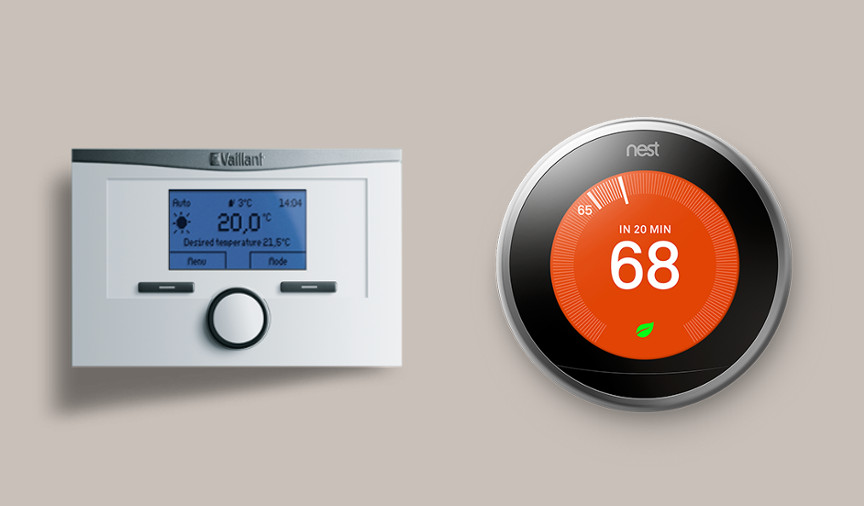
While technically a subset of programmable thermostats, smart thermostats deserve a separate mention. These devices offer advanced features such as Wi-Fi connectivity, learning capabilities, and integration with other smart home devices. They provide even greater control and energy savings potential.
Key Features of Smart Thermostats:
- Wi-Fi Connectivity: Allows you to control the thermostat remotely from your smartphone or tablet.
- Learning Capabilities: Some smart thermostats learn your preferences and automatically adjust the temperature based on your habits.
- Geofencing: Uses your smartphone's location to automatically adjust the temperature when you leave or approach your home.
- Energy Reports: Provides detailed reports on your energy consumption, helping you identify areas for improvement.
- Integration with Smart Home Systems: Can be integrated with other smart home devices, such as Amazon Alexa or Google Assistant.
Installation Considerations
The installation process for both programmable and non-programmable thermostats is generally straightforward, especially when replacing an existing thermostat. However, some newer models, particularly smart thermostats, may require professional installation, especially if they involve complex wiring or integration with existing HVAC systems. Incorrect wiring can damage your thermostat or your HVAC system.
DIY Installation:
If you're comfortable with basic electrical work, you can typically install a thermostat yourself. However, it's essential to follow the manufacturer's instructions carefully and turn off the power to the HVAC system before beginning. Always double-check the wiring connections to ensure they are correct.
Professional Installation:
If you're unsure about the installation process, or if you're dealing with a complex wiring configuration, it's best to hire a qualified HVAC technician. A professional can ensure that the thermostat is installed correctly and that your HVAC system is functioning properly.
Cost Comparison
The cost of a thermostat can vary widely depending on the type, features, and brand. Non-programmable thermostats are generally the least expensive, while smart thermostats are the most expensive. However, the long-term cost of ownership should also be considered, as programmable and smart thermostats can often pay for themselves through energy savings.
- Non-Programmable Thermostats: Typically range from $15 to $50.
- Programmable Thermostats: Typically range from $30 to $200.
- Smart Thermostats: Typically range from $100 to $300 or more.
These are just approximate ranges, and the actual cost may vary depending on the specific model and retailer. It's also important to factor in the cost of installation if you choose to hire a professional.
Lifespan and Maintenance
The lifespan of a thermostat is typically 10-15 years, although some models may last longer. Proper maintenance can help extend the lifespan of your thermostat and ensure optimal performance. Simple maintenance tasks include:
- Regular Cleaning: Dust and debris can accumulate on the thermostat, affecting its accuracy. Clean the thermostat regularly with a soft, dry cloth.
- Battery Replacement: Many thermostats use batteries to power the display and other functions. Replace the batteries as needed to ensure proper operation.
- Professional Inspection: Have your HVAC system, including the thermostat, inspected annually by a qualified technician.
Conclusion: Choosing the Right Thermostat for Your Needs
The choice between a programmable and non-programmable thermostat depends on your individual needs, lifestyle, and budget. Non-programmable thermostats offer simplicity and affordability, while programmable thermostats provide energy savings and increased comfort. Smart thermostats take automation and control to the next level. Consider your daily routine, energy consumption habits, and budget when making your decision. Whether you prioritize basic functionality or advanced features, understanding the differences between these thermostat types will empower you to make the best choice for your home or building.