Difference Between Rpz And Backflow Preventer
Understanding Backflow Prevention: RPZ Valves vs. Other Backflow Preventers
In the quest for a more sustainable and cost-effective home or business, often overlooked is the critical role of backflow prevention. While seemingly a small detail, improper backflow can lead to contaminated water supplies, impacting health, increasing water bills, and potentially damaging plumbing systems. Understanding the different types of backflow preventers, particularly the Reduced Pressure Zone (RPZ) valve and its alternatives, is crucial for ensuring both safety and efficiency. This article delves into the nuances of RPZ valves and other backflow preventers, their applications, and how they contribute to a greener, more economical building.
What is Backflow and Why Does it Matter?
Backflow is the undesirable reversal of water flow in a piping system. Instead of flowing in the intended direction – from the municipal water supply to your home or business – water flows backward. This reversal can introduce contaminants, such as fertilizers, pesticides, chemicals, or even sewage, into the potable water supply. Several factors can cause backflow, including:
- Back-Pressure: This occurs when the pressure in the downstream system (your home or business) exceeds the pressure in the supply system (municipal water). This can happen due to pumps, elevated plumbing, or thermal expansion.
- Back-Siphonage: This happens when there's a reduction in the supply pressure, creating a vacuum that sucks water backward. This can occur during water main breaks, high water demand, or firefighting activities.
The consequences of backflow can be severe, ranging from minor illnesses to serious health epidemics. Furthermore, contaminated water can damage plumbing fixtures, appliances, and even the building structure itself. Therefore, backflow prevention is not just a matter of compliance; it's a matter of public health and safety, and protecting your investment.
The Role of Backflow Preventers
Backflow preventers are mechanical devices designed to prevent the reverse flow of water. They are installed in water lines and are designed to automatically shut off if backflow occurs. Choosing the right backflow preventer depends on the degree of hazard (potential contamination) and the specific requirements of your local water authority. Here's a look at some common types:
- Atmospheric Vacuum Breaker (AVB): The simplest type, suitable for low-hazard applications like irrigation systems. It's installed at the highest point of the system and vents to the atmosphere when pressure drops, preventing back-siphonage. AVBs cannot be used under constant pressure.
- Pressure Vacuum Breaker (PVB): Similar to AVBs, but designed to handle higher pressures. They are also typically used for irrigation systems and must be installed at least 12 inches above the highest downstream outlet. Like AVBs, they are designed to prevent back-siphonage, not back-pressure.
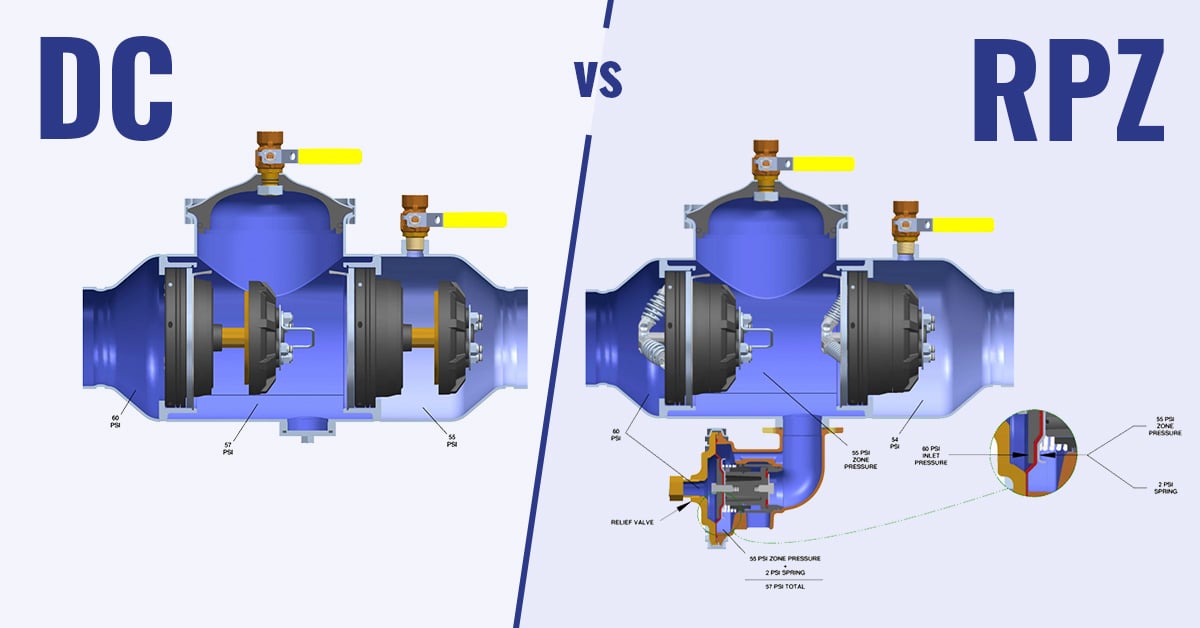
- Double Check Valve Assembly (DCVA): Consists of two independently acting check valves. Suitable for medium-hazard applications, such as fire sprinkler systems or commercial dishwashers. DCVAs provide more reliable protection than AVBs or PVBs and can prevent both back-siphonage and back-pressure.
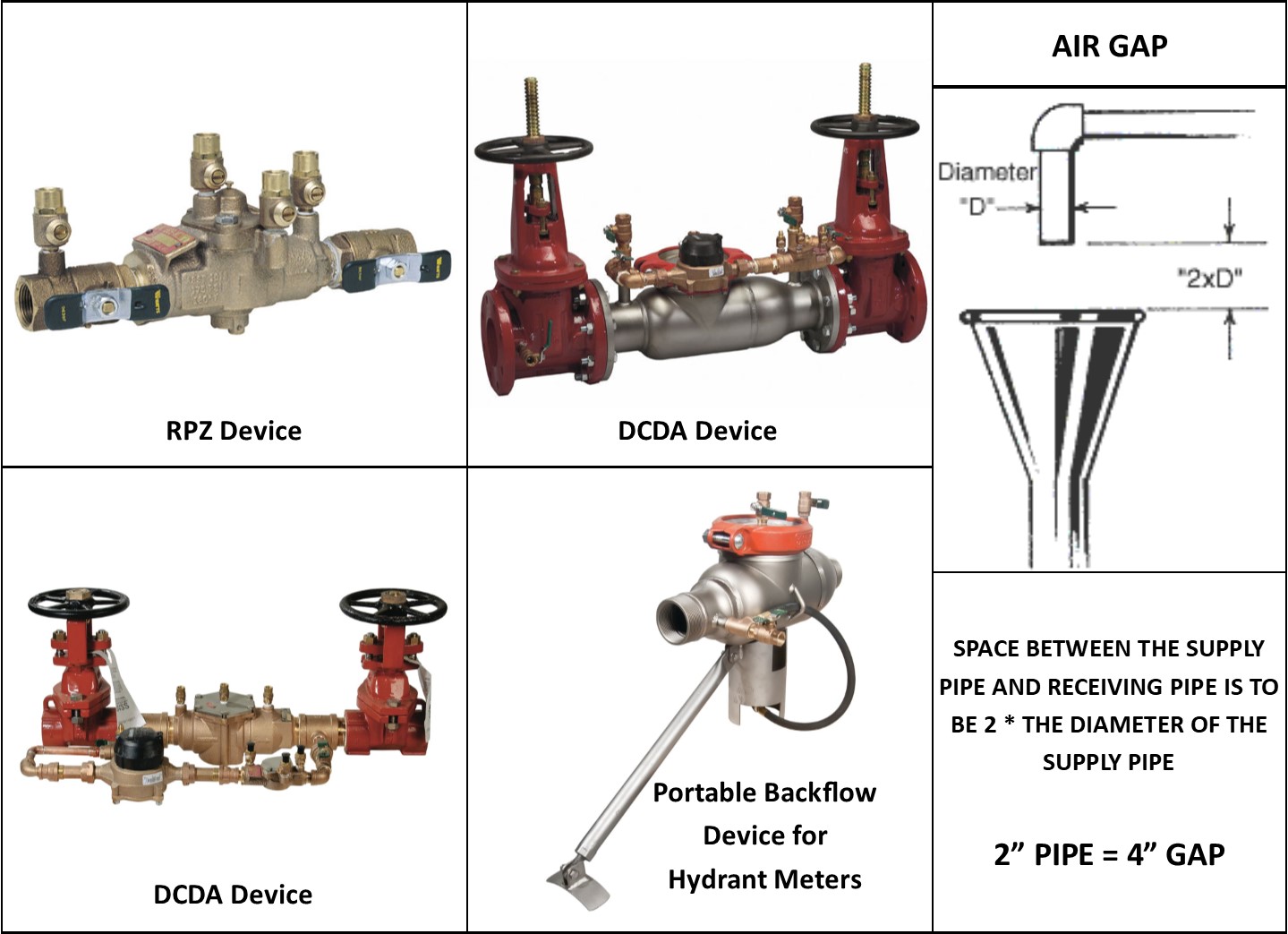
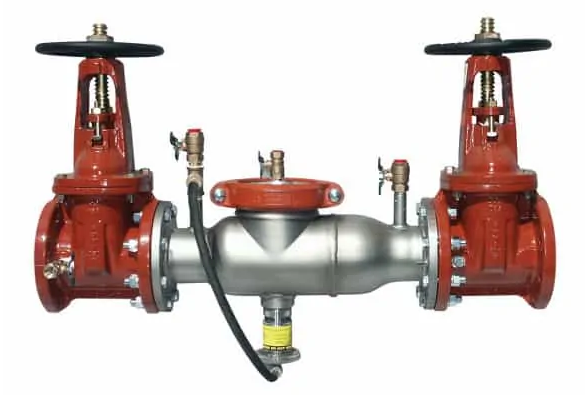
- Reduced Pressure Zone (RPZ) Valve: Considered the highest level of protection, suitable for high-hazard applications where there is a significant risk of contamination. This includes industrial facilities, hospitals, and food processing plants.
RPZ Valves: The Gold Standard in Backflow Prevention
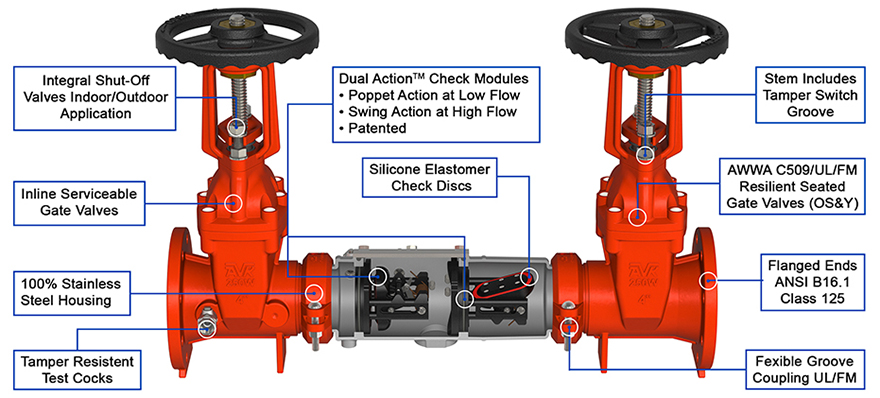
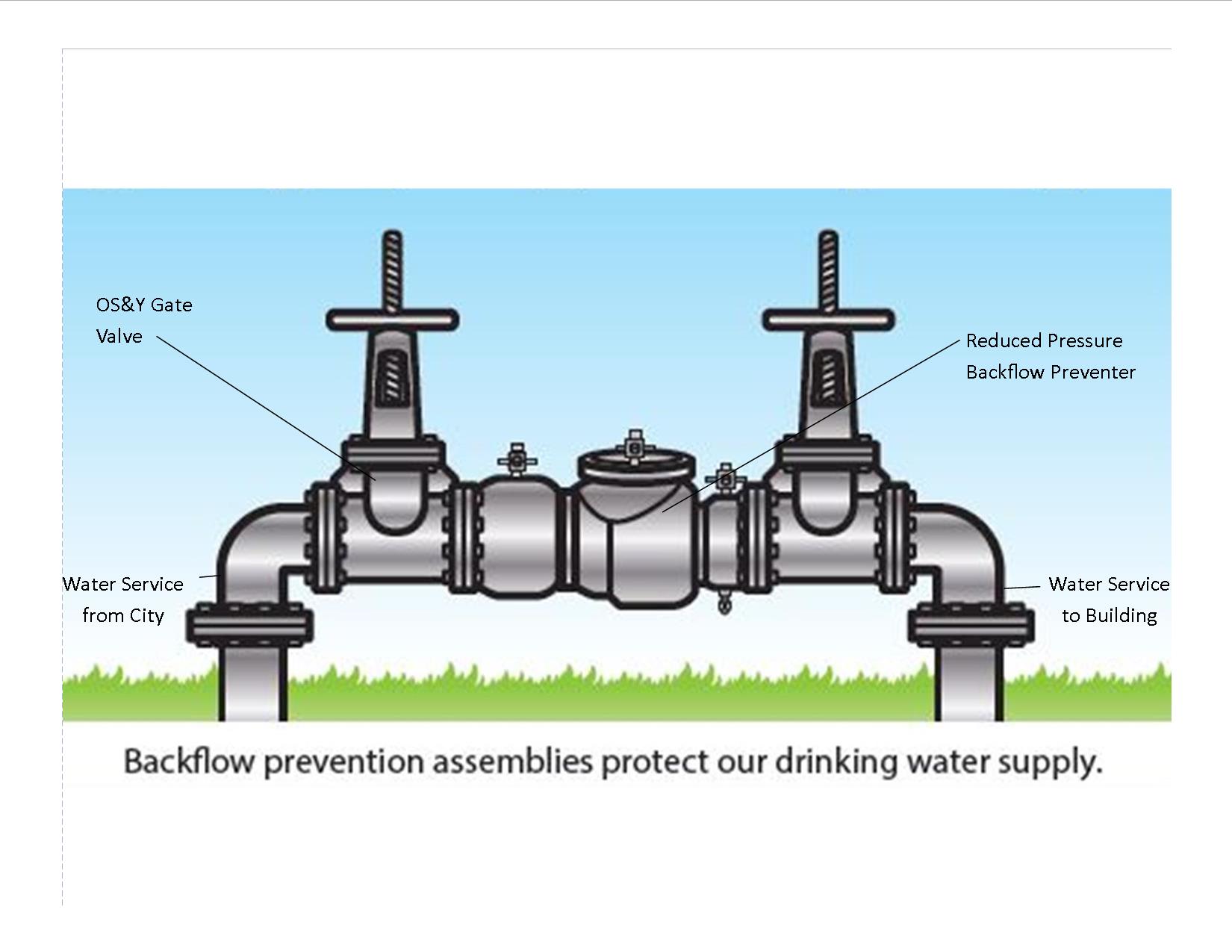
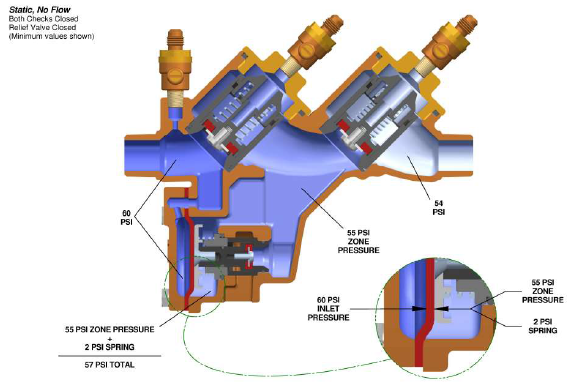
The RPZ valve is the most reliable type of backflow preventer. It features two independently acting check valves and a pressure-regulated zone (hence "Reduced Pressure Zone") between them. This zone is maintained at a pressure lower than the supply pressure. If either check valve fails, the reduced pressure zone opens to the atmosphere, discharging water and preventing backflow. Here's a closer look at its key features:
- Double Check Valves: Provide redundant protection against backflow.
- Reduced Pressure Zone: The key element. This zone is always maintained at a lower pressure than the supply pressure.
- Relief Valve: Automatically opens to discharge water if either check valve fails, preventing backflow.
When to Use an RPZ Valve
RPZ valves are typically required in high-hazard situations, including:
- Industrial Facilities: Where chemicals, pollutants, or process water could contaminate the water supply.
- Hospitals and Healthcare Facilities: Where infectious agents or medical waste could pose a risk.
- Food Processing Plants: Where foodborne pathogens could contaminate the water supply.
- Lawn Irrigation Systems (in some jurisdictions): Especially if fertilizers or pesticides are used.
- Commercial Buildings with Specialized Plumbing: Such as dental offices or photographic labs.
Benefits of RPZ Valves
- Superior Protection: Offers the highest level of protection against backflow, minimizing the risk of water contamination.
- Reliability: Designed with redundant systems and a relief valve, ensuring consistent performance.
- Compliance: Often required by local codes and regulations for high-hazard applications.
RPZ Valves vs. Other Backflow Preventers: A Comparison
To better understand the value of RPZ valves, let's compare them to other common types of backflow preventers:
| Feature | Atmospheric Vacuum Breaker (AVB) | Pressure Vacuum Breaker (PVB) | Double Check Valve Assembly (DCVA) | Reduced Pressure Zone (RPZ) Valve |
|---|---|---|---|---|
| Back-Siphonage Protection | Yes | Yes | Yes | Yes |
| Back-Pressure Protection | No | No | Yes | Yes |
| Hazard Level | Low | Low | Medium | High |
| Installation | Simple | Relatively Simple | More Complex | Most Complex |
| Maintenance | Minimal | Minimal | Moderate | More Demanding |
| Cost | Lowest | Low | Moderate | Highest |
As the table illustrates, RPZ valves offer the most comprehensive protection but also come with a higher cost and more demanding maintenance requirements.
Cost Considerations and ROI
While RPZ valves have a higher upfront cost compared to other backflow preventers, the long-term ROI can be significant, particularly in high-hazard applications. The cost of a backflow incident – including potential health issues, property damage, and legal liabilities – far outweighs the investment in a robust backflow prevention system. Furthermore, by preventing water contamination, RPZ valves help conserve water and reduce water bills.
Beyond the direct cost savings, many municipalities offer rebates or incentives for installing RPZ valves, further improving the ROI. Check with your local water authority or utility company to see if any programs are available in your area.
Installation and Maintenance
Proper installation and maintenance are crucial for ensuring the effective operation of any backflow preventer, especially RPZ valves. Here are some key considerations:
- Professional Installation: RPZ valve installation should always be performed by a licensed and certified plumber or backflow prevention specialist. This ensures that the valve is installed correctly, meets local code requirements, and is properly tested.
- Regular Testing: RPZ valves must be tested annually by a certified backflow prevention assembly tester. This testing ensures that the valve is functioning correctly and meets performance standards. Many jurisdictions require annual testing and reporting.
- Maintenance and Repair: Regular maintenance, including cleaning and inspection, can extend the life of the RPZ valve and prevent costly repairs. Any necessary repairs should be performed promptly by a qualified technician.
Important Note: Failing to properly maintain and test your RPZ valve can result in fines, penalties, and even disconnection from the water supply.
Smart Home Integration and Energy Efficiency
While RPZ valves are primarily focused on water safety, they can indirectly contribute to energy efficiency, especially when integrated into a smart home system. By monitoring water flow and pressure, smart home sensors can detect leaks or unusual water usage patterns, potentially indicating a backflow problem or other plumbing issues. Early detection can prevent water waste, reduce energy consumption (associated with heating and pumping water), and minimize the risk of costly repairs.
Furthermore, some smart home systems can integrate with irrigation systems to optimize watering schedules, reducing water consumption and minimizing the risk of back-siphonage. By using weather data and soil moisture sensors, these systems can automatically adjust watering schedules to prevent overwatering and runoff.
Conclusion: Investing in Water Safety and Sustainability
Choosing the right backflow preventer is a critical decision that impacts both water safety and resource conservation. While RPZ valves represent a higher initial investment, they offer the most comprehensive protection against backflow, safeguarding public health and minimizing the risk of water contamination. By understanding the differences between RPZ valves and other backflow preventers, homeowners and businesses can make informed decisions that align with their specific needs and regulatory requirements. Furthermore, embracing smart home technologies can enhance water efficiency and provide early detection of potential problems, contributing to a more sustainable and cost-effective future. Always consult with a licensed plumbing professional to determine the appropriate backflow prevention solution for your property and ensure compliance with local codes.