Difference Between Sensible And Latent Heat

Are you struggling to get your home to feel truly comfortable, even with your HVAC system running? Maybe your thermostat is set perfectly, but you still feel sticky and humid, or perhaps the air feels cool, but you're still shivering. This frustrating situation often points to an imbalance between sensible and latent heat, and understanding the difference can be the key to troubleshooting the problem. Let's dive in!
Understanding Sensible and Latent Heat
Before we start troubleshooting, let's clarify the difference between these two types of heat:
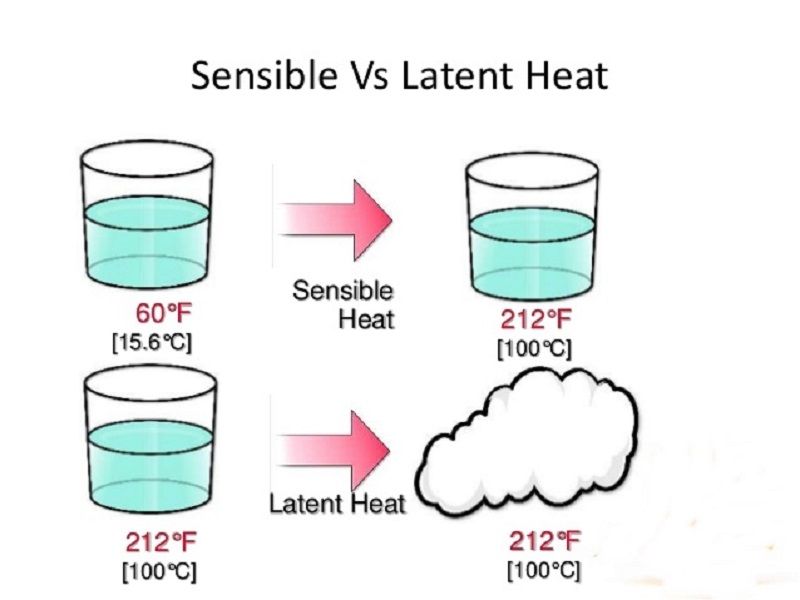
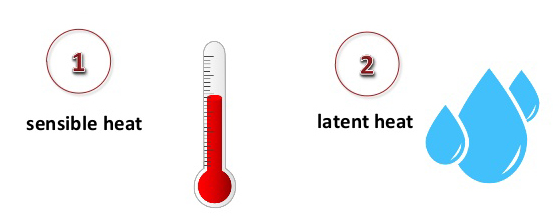
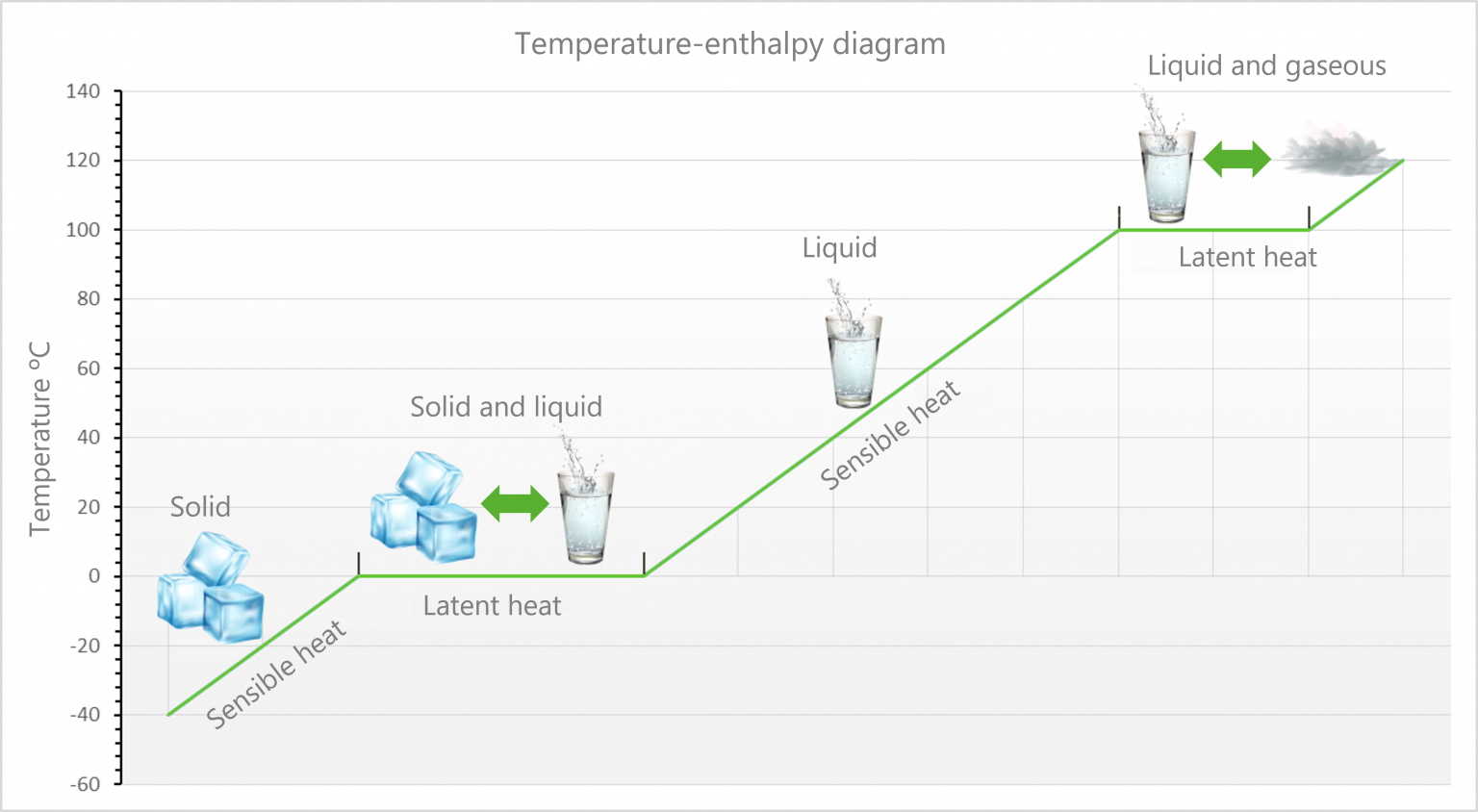
- Sensible Heat: This is the heat that changes the temperature of a substance. You can feel it! When you turn up the thermostat, you're increasing the sensible heat. Your HVAC system works to either add or remove sensible heat to directly alter the room's temperature.
- Latent Heat: This is the heat that changes the state of a substance without changing its temperature. Think of water turning into steam (evaporation) or water vapor turning into liquid water (condensation). In your home, latent heat is related to humidity. Removing latent heat removes moisture from the air, making it feel less humid.
Basically, sensible heat affects the thermometer, while latent heat affects the humidity level.
Common Home Heating/Cooling Issue: The "Sticky" Situation
One of the most common scenarios is feeling "sticky" or uncomfortable even with the AC running. The thermostat might read a comfortable temperature, but the air feels damp and heavy. This often means your AC is struggling to remove latent heat (humidity). This can be due to various issues, ranging from simple fixes to more complex problems that require professional help.
Troubleshooting the Humidity Problem: A Step-by-Step Guide
Let's go through a methodical approach to pinpoint the cause of excessive humidity and potentially resolve it.
Step 1: Initial Assessment (No Tools Required)
Start with a visual and observational assessment. No tools are needed for this part.
- Check the Thermostat Setting: Ensure your thermostat is set to "Cool" and at a reasonable temperature (e.g., 72-78°F). Make sure the fan setting is set to "Auto" instead of "On." When set to "On," the fan runs continuously, even when the AC isn't actively cooling, which can re-evaporate moisture from the cooling coils back into the room.
- Observe Airflow: Feel the air coming out of your vents. Is it strong and consistent, or weak and inconsistent? Weak airflow can indicate a problem with the blower motor or ductwork.
- Look for Visible Moisture: Check around your AC unit (both indoor and outdoor) for any signs of leaks, condensation, or ice buildup. Pay close attention to the condensate drain line (the PVC pipe that runs from your indoor unit). A clogged drain line is a very common cause of humidity issues.
- Smell for Mold or Mildew: A musty odor is a strong indicator of mold growth, often caused by excessive humidity.
- Consider Recent Weather: Is it exceptionally humid outside? Sometimes, even a well-functioning AC system struggles to keep up with extreme outdoor conditions.
Step 2: Checking the Condensate Drain Line (Simple Tools May Be Needed)
A clogged condensate drain line is a prime suspect when humidity is high. This is often a DIY-friendly fix.
- Locate the Drain Line: Find the PVC pipe that runs from your indoor AC unit to the outside or a drain.
- Check for Clogs Visually: Look for any visible obstructions or standing water in the drain line opening.
- Try a Wet/Dry Vacuum: If you suspect a clog, use a wet/dry vacuum to suck out any debris. Attach the vacuum hose to the drain line opening and run the vacuum for a few minutes. Be prepared for some water to come out!
- Flush with Vinegar: Pour a cup of white vinegar into the drain line. Vinegar is a natural disinfectant and can help dissolve minor clogs and prevent mold growth. Let it sit for about 30 minutes, then flush with water.
- Use a Stiff Wire or Pipe Cleaner: Gently insert a stiff wire or pipe cleaner into the drain line to break up any clogs. Be careful not to push the clog further in.
Important Note: If you suspect the clog is deep within the drain line or you're uncomfortable working with the drain line, it's best to call a professional.
Step 3: Inspecting the Air Filter (No Tools Required)
A dirty air filter restricts airflow, which can reduce your AC's ability to remove humidity.
- Locate the Air Filter: The air filter is usually located in the return air vent or inside the indoor AC unit.
- Visually Inspect the Filter: Remove the filter and hold it up to the light. If you can't see light through it, it's dirty and needs to be replaced.
- Replace the Filter: Use a new filter of the correct size and MERV rating (check your owner's manual for recommendations).
Pro Tip: Change your air filter every 1-3 months, depending on usage and air quality.
Step 4: Checking the Outdoor Unit (Visual Inspection - No Tools Needed)
The outdoor unit (condenser) needs to be clear of obstructions to function efficiently.
- Clear Debris: Remove any leaves, branches, grass clippings, or other debris that may be blocking the unit. Ensure there's at least 2-3 feet of clear space around the unit.
- Inspect the Fins: Check the fins (the metal slats around the unit) for damage or bending. Gently straighten any bent fins with a fin comb (available at most hardware stores).
- Ensure Proper Ventilation: Make sure the unit is not enclosed in a way that restricts airflow.
Step 5: Measuring Humidity Levels (Basic Equipment Required - Hygrometer)
To accurately assess the humidity problem, you'll need a hygrometer (humidity meter). These are relatively inexpensive and can be purchased at most hardware stores or online.
- Purchase a Hygrometer: Get a reliable hygrometer. Digital ones are generally easier to read.
- Measure Humidity Levels: Place the hygrometer in a central location in your home and monitor the humidity level over a period of time.
- Interpret the Readings: Ideal indoor humidity levels are between 30% and 50%. If your humidity level is consistently above 50%, you have a humidity problem.
Important Note: Keep in mind that humidity levels will naturally fluctuate depending on the weather and your daily activities (e.g., showering, cooking).
When to Call a Professional
While many humidity issues can be resolved with simple DIY fixes, some problems require the expertise of a qualified HVAC technician. Call a professional if:
- You've tried the above steps and the humidity problem persists.
- You suspect a refrigerant leak. Refrigerant leaks can significantly reduce your AC's ability to cool and dehumidify. Refrigerant handling requires specialized equipment and training.
- You notice ice buildup on the indoor or outdoor unit. This can indicate a serious problem with the refrigerant charge or airflow.
- You hear unusual noises coming from your AC unit. This could indicate a mechanical issue that needs professional attention.
- Your AC unit is old or hasn't been serviced in a long time. Regular maintenance can prevent many problems and extend the life of your unit.
- You are uncomfortable working with electrical components or refrigerant lines. Safety should always be your top priority.
Attempting to repair complex HVAC issues without the proper training and equipment can be dangerous and could potentially void your warranty. It's always better to err on the side of caution and call a professional.
Other Potential Causes and Considerations
While the above steps address common causes of humidity issues, here are some other factors to consider:
- Oversized AC Unit: An oversized AC unit can cool the air too quickly without properly removing humidity. The unit cycles on and off too frequently, preventing it from running long enough to dehumidify effectively.
- Poor Insulation: Inadequate insulation can allow moisture to enter your home, increasing humidity levels.
- Leaky Ductwork: Leaky ductwork can allow humid air to enter your home and conditioned air to escape.
- Foundation Issues: Cracks in your foundation can allow moisture to seep into your home.
- Poor Ventilation: Inadequate ventilation in bathrooms and kitchens can trap moisture and increase humidity levels.
- Indoor Plants: While plants can improve air quality, too many plants can increase humidity levels.
- Standing Water: Any standing water in or around your home can contribute to humidity problems.
Preventative Measures
The best way to deal with humidity problems is to prevent them from occurring in the first place. Here are some preventative measures you can take:
- Regular AC Maintenance: Schedule regular maintenance with a qualified HVAC technician to ensure your unit is running efficiently.
- Change Air Filters Regularly: Replace your air filter every 1-3 months.
- Keep Your Home Clean and Dry: Clean up spills immediately and address any sources of water leaks promptly.
- Improve Insulation: Insulate your home properly to prevent moisture from entering.
- Seal Ductwork: Seal any leaks in your ductwork to prevent air loss and moisture intrusion.
- Use Dehumidifiers: Use dehumidifiers in areas prone to high humidity, such as basements and bathrooms.
- Ensure Proper Ventilation: Use exhaust fans in bathrooms and kitchens to remove moisture.
By understanding the difference between sensible and latent heat, following these troubleshooting steps, and taking preventative measures, you can create a more comfortable and healthy home environment. Remember, when in doubt, consult with a qualified HVAC professional for expert advice and assistance. Good luck!