Difference Between Single Stage And 2 Stage Air Compressor

Air compressors are the workhorses behind many HVAC systems, powering the circulation of refrigerant that enables cooling and heating. Understanding the different types of air compressors, specifically single-stage and two-stage models, is crucial for homeowners, HVAC technicians, and facility managers alike. This article will delve into the distinctions between these compressor types, comparing their functionality, efficiency, cost, and lifespan to help you make informed decisions about your HVAC needs.
Understanding Air Compression Basics
Before diving into the specifics of single-stage and two-stage compressors, it's important to grasp the fundamentals of air compression. In essence, an air compressor takes ambient air, reduces its volume, and consequently increases its pressure. This high-pressure air then powers various components within the HVAC system. The way in which this compression is achieved is what differentiates the two types we'll be discussing.
Single-Stage Air Compressors: A Simple Approach
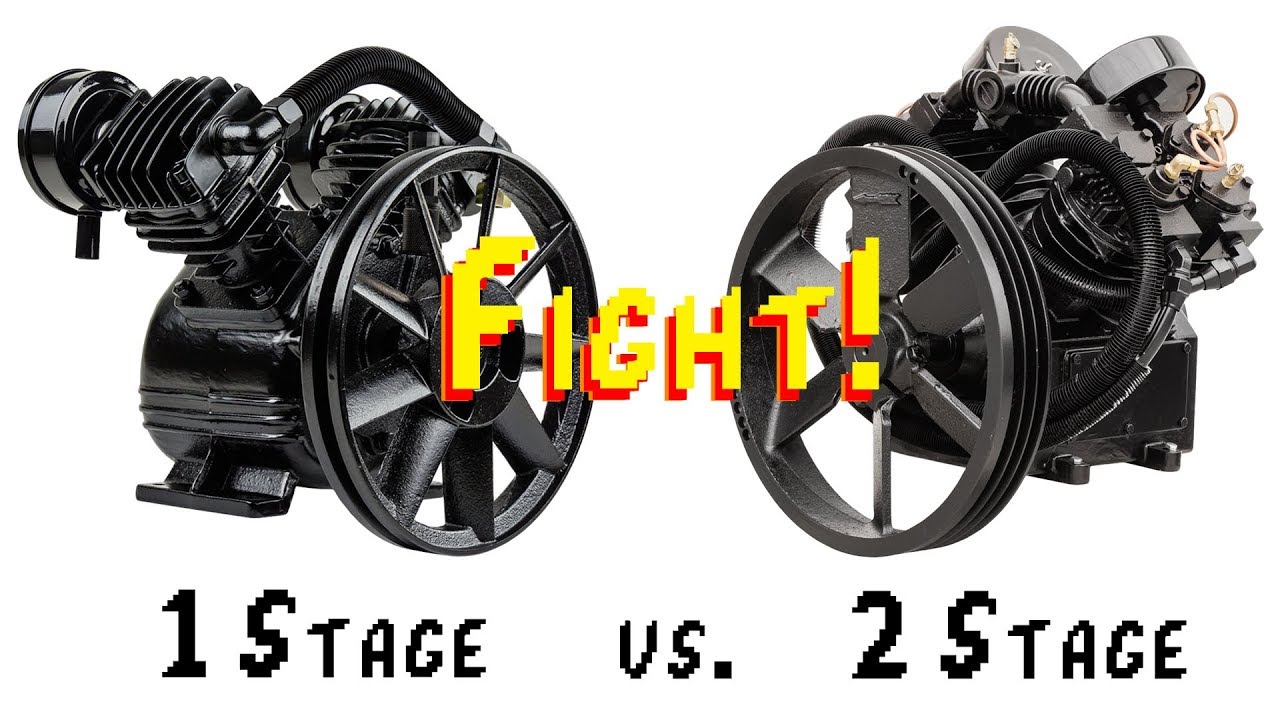
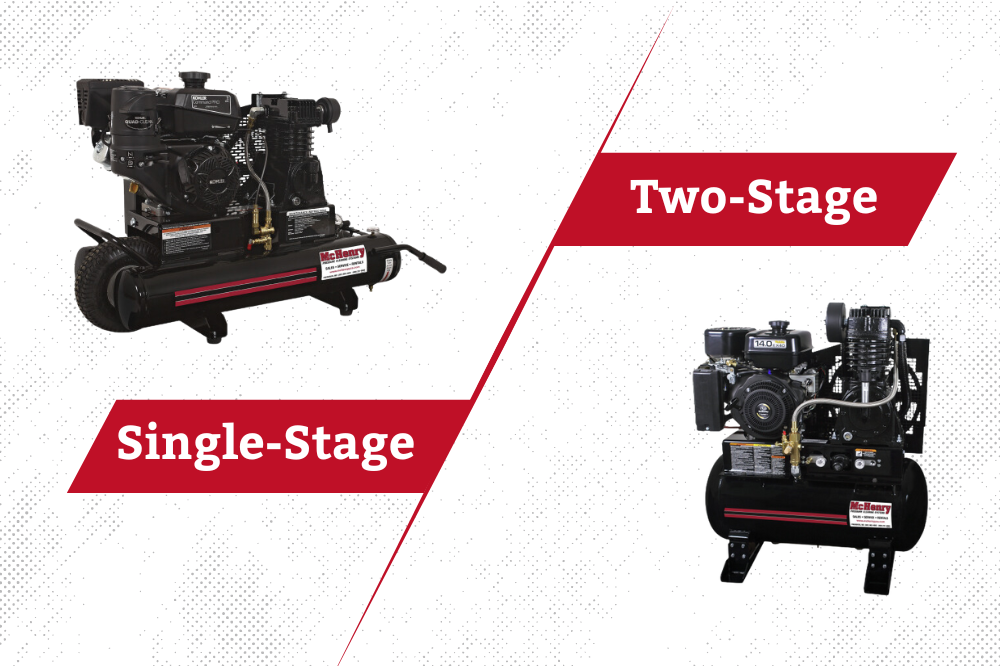
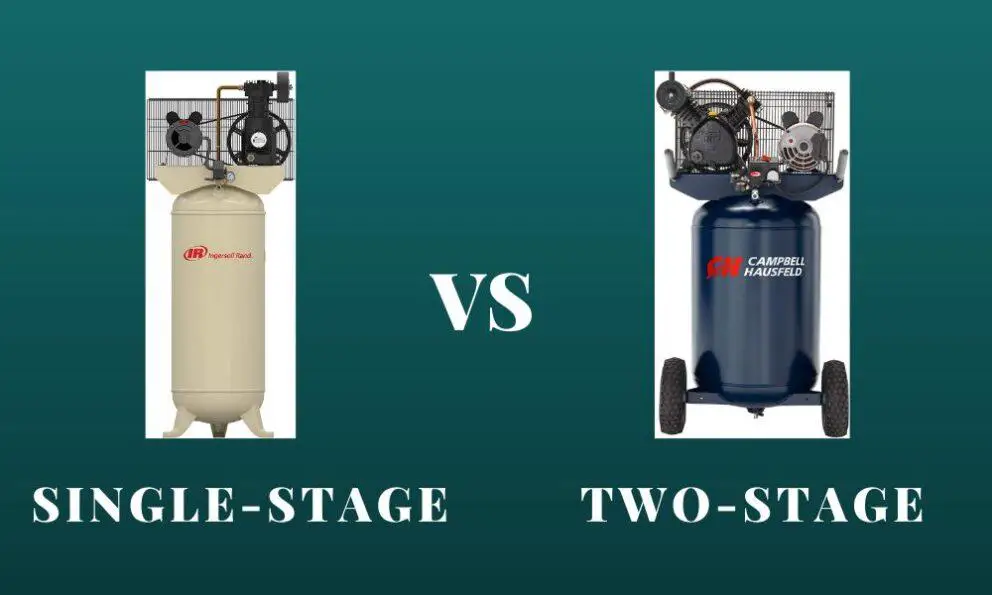
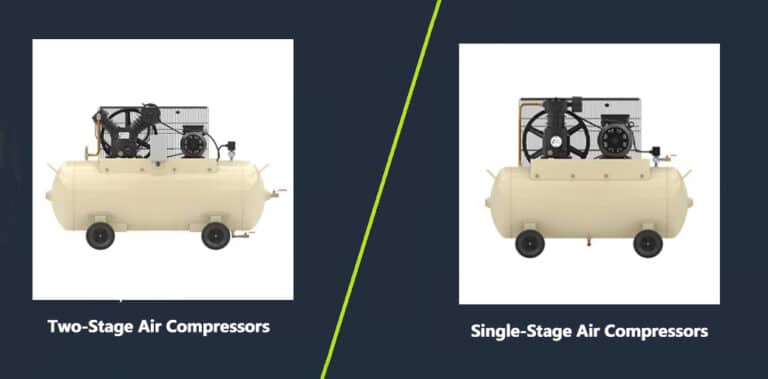
A single-stage air compressor performs the entire compression process in a single stroke of a piston. Ambient air enters the cylinder, is compressed, and then discharged into the storage tank. This process is relatively straightforward and efficient for applications requiring lower pressure levels, typically below 125 PSI (pounds per square inch). Think of it like squeezing a balloon – one quick squeeze gets the job done.
Key Characteristics of Single-Stage Compressors:
- Simpler design with fewer moving parts.
- Lower initial cost compared to two-stage compressors.
- Suitable for lighter-duty applications and intermittent use.
- Typically operates at lower pressure levels.
- Generates more heat during the compression process than two-stage compressors, due to the rapid, single-step compression.
In residential HVAC systems, single-stage compressors are commonly found in older or more basic air conditioning units. They are also suitable for smaller homes or apartments where cooling demands are not consistently high. Consider a small home in a moderate climate where the air conditioner only runs for a few hours each day. A single-stage compressor could adequately meet the cooling needs without excessive energy consumption.
Two-Stage Air Compressors: Enhanced Efficiency and Power
In contrast, a two-stage air compressor divides the compression process into two distinct stages. First, air is compressed in a larger cylinder. This partially compressed air is then cooled (typically by passing through an intercooler) before entering a smaller, second cylinder where it is compressed further. This two-step process allows for significantly higher pressure levels, often exceeding 175 PSI, and improves efficiency.
Imagine squeezing that balloon again, but this time you squeeze it halfway, let it cool down for a moment, and then squeeze it the rest of the way. This is analogous to how a two-stage compressor operates, resulting in greater pressure and reduced stress on the system.
Key Characteristics of Two-Stage Compressors:
- More complex design with more moving parts.
- Higher initial cost compared to single-stage compressors.
- Suitable for heavy-duty applications and continuous use.
- Operates at higher pressure levels.
- Generates less heat per compression cycle, improving efficiency.
- Generally quieter operation due to smoother compression process.
Two-stage compressors are prevalent in larger residential HVAC systems, commercial buildings, and industrial settings. They are ideal for situations requiring consistent cooling or heating, such as large homes, office buildings, or manufacturing facilities. The intercooling process between the stages significantly improves efficiency, reducing energy consumption and operating costs over the long term. For example, a large office building with constant air conditioning needs would benefit greatly from the efficiency and reliability of a two-stage compressor.
Comparing Performance: Efficiency, Pressure, and Duty Cycle
The primary difference between single-stage and two-stage air compressors lies in their efficiency, pressure capabilities, and duty cycle. Efficiency is a measure of how effectively the compressor converts electrical energy into compressed air. Two-stage compressors are generally more efficient because the intercooling process reduces the temperature of the air between stages, making it easier to compress in the second stage. This translates to lower energy consumption for the same amount of compressed air.
Pressure, as mentioned earlier, is another key differentiator. Single-stage compressors typically operate at lower pressure levels (below 125 PSI), while two-stage compressors can achieve much higher pressures (up to 175 PSI or more). This makes two-stage compressors suitable for applications requiring greater force or volume of compressed air.
The duty cycle refers to the amount of time a compressor can run continuously without overheating or experiencing premature wear and tear. Two-stage compressors generally have a higher duty cycle than single-stage compressors due to their more robust design and efficient cooling. This makes them ideal for applications requiring continuous or frequent operation.
Consider a busy auto repair shop. The constant use of pneumatic tools like impact wrenches and spray guns demands a compressor with a high duty cycle and ample pressure. A two-stage compressor is the logical choice in this scenario, ensuring reliable performance throughout the workday.
Cost Considerations: Initial Investment vs. Long-Term Savings
The initial cost of a single-stage air compressor is generally lower than that of a two-stage compressor. This makes single-stage compressors an attractive option for homeowners or small businesses on a tight budget. However, it's crucial to consider the long-term operating costs. Due to their higher efficiency, two-stage compressors can result in significant energy savings over the lifespan of the equipment. These savings can offset the higher initial investment, making two-stage compressors a more cost-effective choice in the long run, especially for applications with high usage.
Furthermore, consider the maintenance costs. While two-stage compressors have more complex components, their increased durability often translates to fewer repairs and a longer lifespan. This can further reduce the overall cost of ownership over time.
Let's say a homeowner is deciding between a single-stage and a two-stage compressor for their home's HVAC system. The single-stage unit costs $500 less upfront. However, the two-stage unit is estimated to save $100 per year in energy costs and is expected to last 5 years longer. Over a 10-year period, the two-stage compressor would likely be the more economical choice, despite the higher initial price.
Lifespan and Maintenance: Ensuring Longevity
The lifespan of an air compressor is influenced by several factors, including the quality of construction, the frequency of use, and the level of maintenance. Two-stage compressors, with their robust design and efficient cooling, generally have a longer lifespan than single-stage compressors. With proper maintenance, a well-maintained two-stage compressor can last for 15 years or more, while a single-stage compressor may only last for 10 years.
Regular maintenance is essential for maximizing the lifespan of any air compressor. This includes:
- Checking and changing the air filter regularly.
- Draining the moisture from the tank to prevent rust and corrosion.
- Lubricating moving parts as recommended by the manufacturer.
- Inspecting hoses and fittings for leaks.
Neglecting these maintenance tasks can lead to reduced performance, increased energy consumption, and premature failure. Implementing a preventive maintenance schedule is crucial for ensuring the longevity and reliability of your air compressor.
Choosing the Right Compressor: A Decision-Making Framework
Selecting the right air compressor for your HVAC system or application requires careful consideration of several factors. Here's a framework to guide your decision-making process:
- Assess your pressure requirements: Determine the maximum pressure needed for your HVAC system or the tools you'll be using.
- Evaluate your duty cycle: Consider how frequently and for how long the compressor will be running.
- Calculate your air volume needs: Determine the amount of compressed air required for your application (measured in CFM – cubic feet per minute).
- Consider your budget: Balance the initial cost with the long-term operating costs and lifespan.
- Factor in the available space: Ensure that the compressor will fit in the designated area.
- Consult with an HVAC professional: Seek expert advice to ensure that you choose the right compressor for your specific needs.
By carefully evaluating these factors, you can make an informed decision and select an air compressor that provides the performance, efficiency, and reliability you need for years to come.
Conclusion: Weighing the Pros and Cons
Both single-stage and two-stage air compressors have their strengths and weaknesses. Single-stage compressors offer a lower initial cost and are suitable for lighter-duty applications, while two-stage compressors provide higher efficiency, pressure, and durability for more demanding needs. Ultimately, the best choice depends on your specific requirements, budget, and long-term goals. By understanding the key differences between these compressor types, you can make an informed decision that optimizes performance, reduces energy consumption, and ensures the longevity of your HVAC system.