Difference Between Single Wall And Double Wall Exhaust
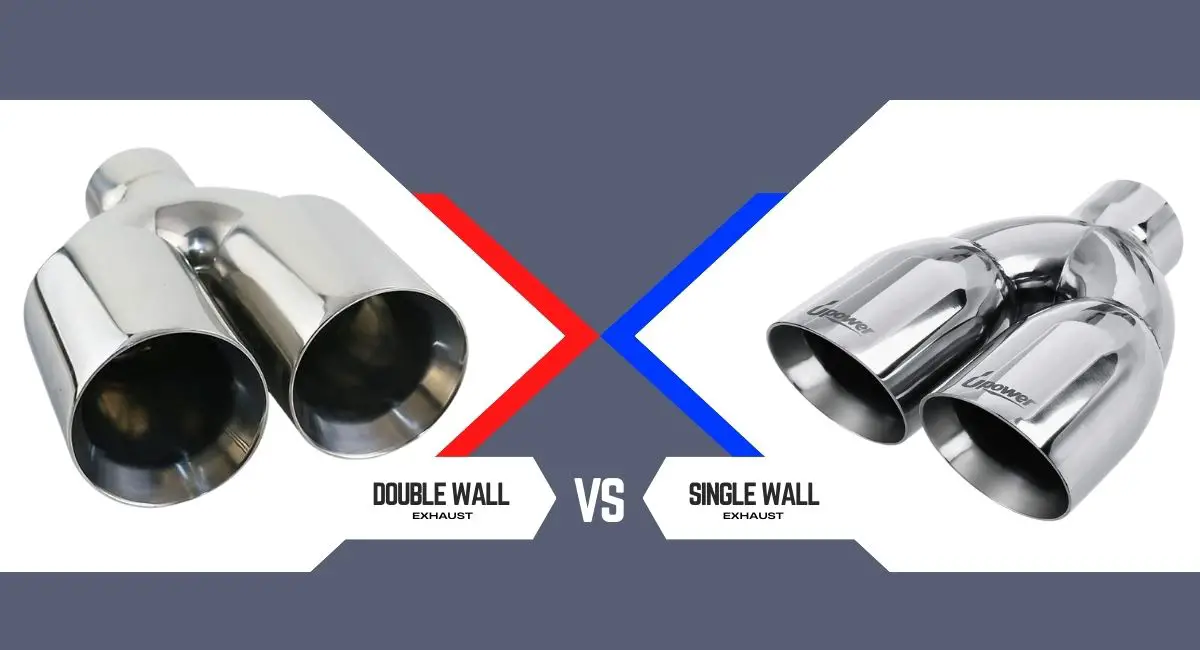
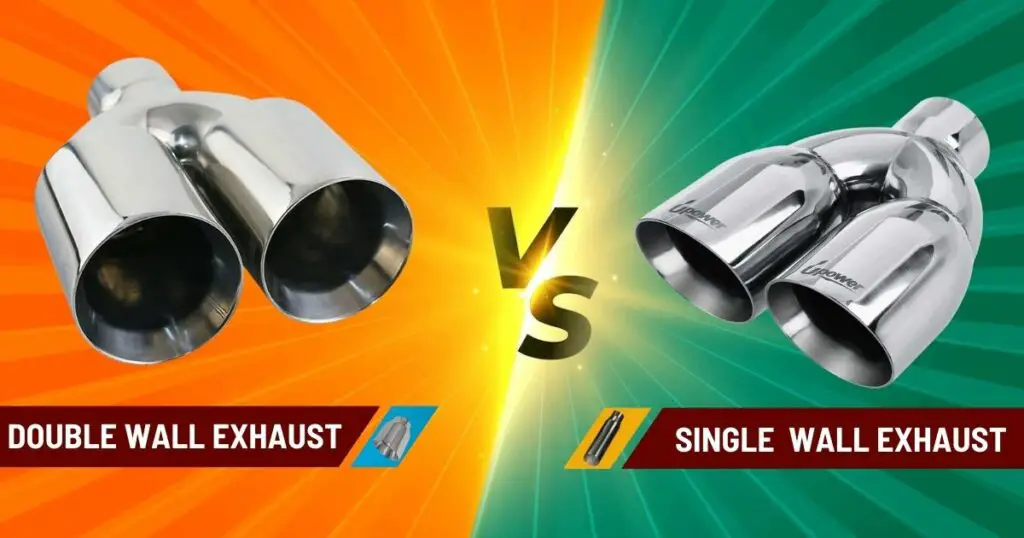
Understanding the nuances of your HVAC system is crucial for both efficient operation and safety. One critical area often overlooked is the exhaust system, specifically the difference between single-wall and double-wall exhaust. This article will delve into the distinct characteristics of each, their applications, and important considerations for homeowners and DIY enthusiasts.
Single-Wall Exhaust: The Basics
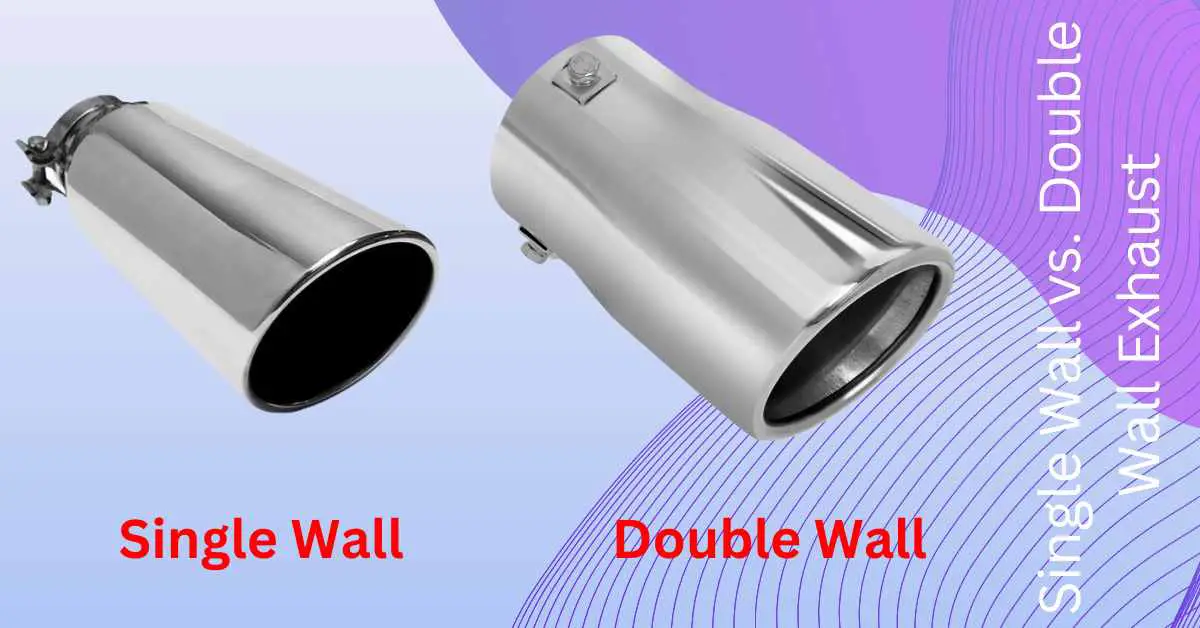
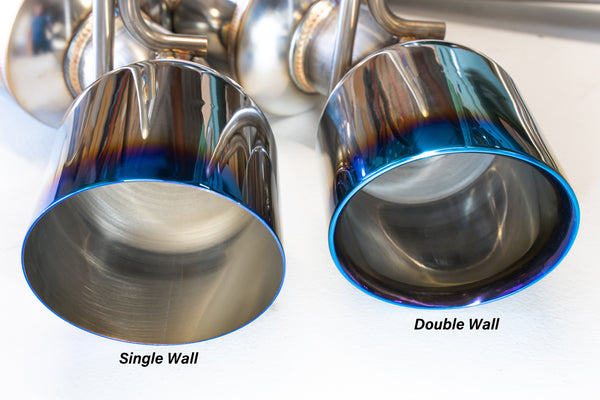
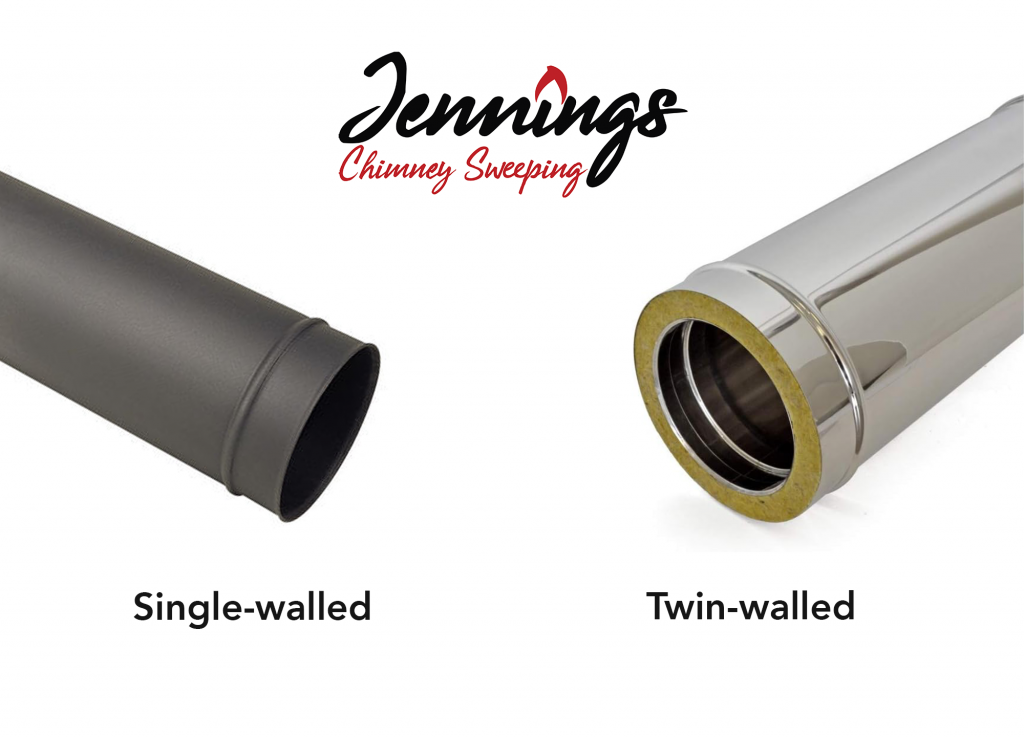
Single-wall exhaust pipes are, as the name suggests, constructed from a single layer of material, typically galvanized steel or stainless steel. They are designed to vent exhaust gases from appliances like:
- Older furnaces
- Water heaters
- Some clothes dryers
Pros of Single-Wall Exhaust:
- Lower cost than double-wall options.
- Relatively simple to install (although proper installation is always key).
Cons of Single-Wall Exhaust:
- Higher surface temperatures, posing a burn hazard.
- Less resistant to corrosion, leading to a shorter lifespan.
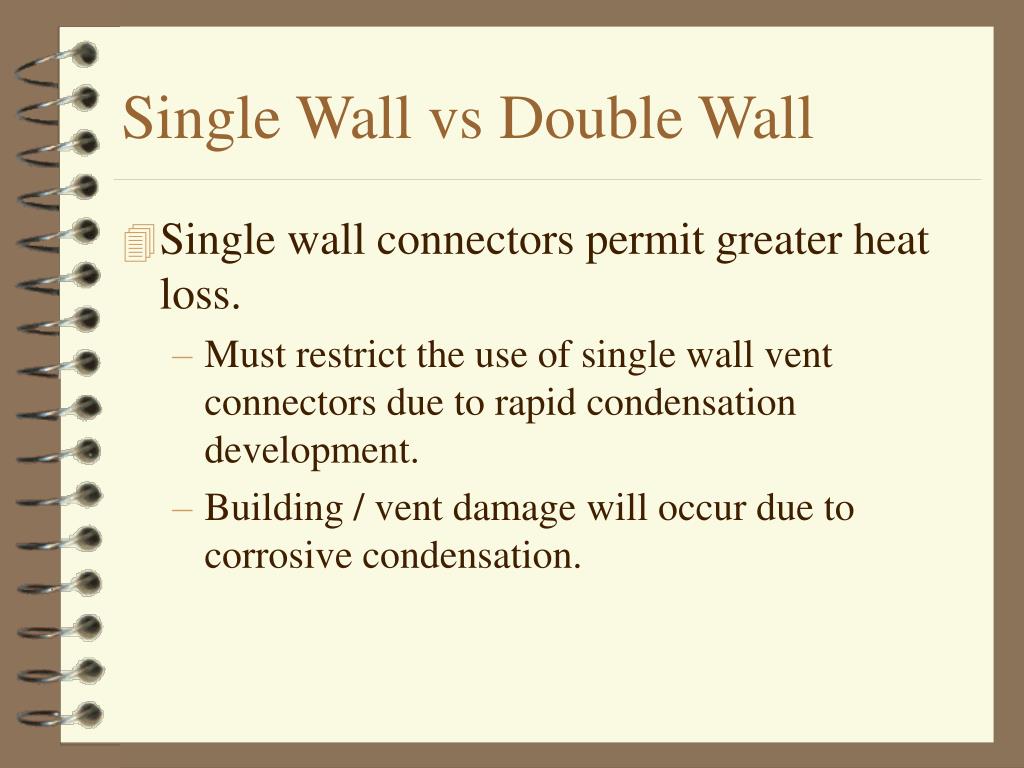
- Can contribute to condensation problems, especially in colder climates.
- Not approved for all applications by local codes.
Safety Note: Because single-wall pipes get extremely hot, they must be kept a safe distance from combustible materials like wood framing, insulation, and fabrics. Check local building codes for specific clearance requirements. Failure to do so is a significant fire hazard.
Double-Wall Exhaust: Enhanced Safety and Efficiency
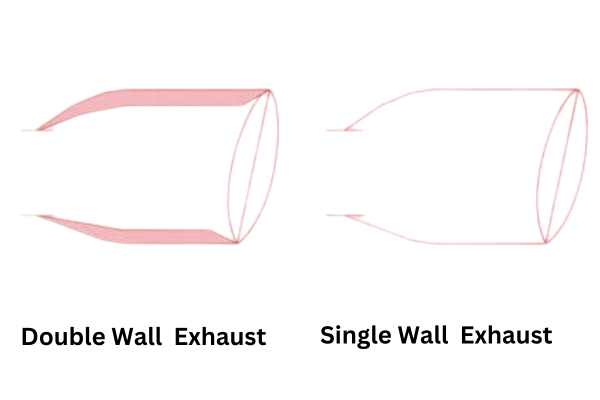
Double-wall exhaust systems feature two layers of material with an air gap in between. This construction offers several advantages over single-wall pipes.
Key Features of Double-Wall Exhaust:
- Reduced surface temperatures due to the insulating air gap.
- Improved resistance to corrosion, extending the lifespan of the system.
- Reduced condensation problems.
- Increased safety when passing near combustible materials.
Types of Double-Wall Exhaust:
- Type B Vent: Designed for venting gas appliances like furnaces and water heaters. It's not suitable for venting solid fuel appliances.
- Type L Vent: Suitable for venting oil-fired appliances.
- Insulated Stainless Steel Chimney: Used for wood stoves, fireplaces, and other solid fuel appliances. This is the most robust and heat-resistant option.
Pros of Double-Wall Exhaust:
- Safer operation due to lower surface temperatures.
- Longer lifespan compared to single-wall.
- More resistant to condensation and corrosion.
- Often required by code for certain appliances and installations.
Cons of Double-Wall Exhaust:
- Higher initial cost.
- Can be more complex to install, especially when dealing with chimney systems.
Why Choose Double-Wall Over Single-Wall?
The decision to use double-wall versus single-wall exhaust often comes down to safety, building codes, and the type of appliance being vented. While single-wall might seem like a more economical option upfront, the long-term benefits of double-wall, including increased safety, durability, and energy efficiency, often make it the better choice. Most importantly, verify local building codes. Many jurisdictions require double-wall venting for specific applications.
DIY Considerations: When to Tackle Exhaust Repairs (and When to Call a Pro)
Some minor exhaust system repairs can be tackled by experienced DIYers. However, it's crucial to understand your limitations and prioritize safety. Working with exhaust systems involves dealing with potentially dangerous gases, including carbon monoxide.
DIY-Friendly Tasks (with Proper Precautions):
- Replacing a section of single-wall pipe if it's corroded or damaged. (Ensure you use the correct diameter and material).
- Sealing minor leaks at joints with high-temperature sealant.
- Inspecting and cleaning the exhaust vent cap to remove debris.
Tools You Might Need:
- Screwdrivers (various sizes)
- Pliers
- Tin snips
- Measuring tape
- Level
- High-temperature sealant
- Safety glasses
- Gloves
- Carbon monoxide detector
When to Call a Professional HVAC Technician:
- Any work involving double-wall exhaust systems, especially chimney installations.
- Suspected carbon monoxide leaks. (Evacuate the premises immediately and call emergency services.)
- Replacing or relocating an entire exhaust system.
- Connecting an appliance to the exhaust system.
- You're unsure about any aspect of the repair.
Cost Considerations for Exhaust System Repairs
The cost of exhaust system repairs can vary widely depending on the scope of the project, the materials used, and local labor rates. Here's a general overview:
- Minor repairs (e.g., sealing leaks, replacing a short section of single-wall pipe): $50 - $200 (DIY cost would be significantly lower for materials only).
- Replacing a section of double-wall vent: $150 - $500 (depending on the length and type of vent).
- Installing a new chimney liner: $1,000 - $3,000 or more (this is almost always a job for a professional).
- Replacing an entire exhaust system: $500 - $5,000+ (depending on the complexity and type of system).
Factors Affecting Cost:
- Material: Stainless steel is more expensive than galvanized steel.
- Accessibility: Difficult-to-reach areas will increase labor costs.
- Permits: Some exhaust system repairs require permits, which add to the overall cost.
Common Exhaust System Problems and Troubleshooting
Problem: Condensation dripping from the exhaust pipe.
Possible Causes:
- Inadequate insulation.
- Oversized exhaust pipe.
- Poor ventilation.
- Appliance malfunction.
Troubleshooting Tips:
- Ensure the exhaust pipe is properly insulated, especially in unheated areas.
- Consider replacing the exhaust pipe with a smaller diameter if it's significantly oversized (consult a professional).
- Improve ventilation in the area around the appliance.
- Have the appliance serviced to check for any underlying issues.
Problem: Visible rust or corrosion on the exhaust pipe.
Possible Causes:
- Moisture exposure.
- Old age.
- Improper installation.
Troubleshooting Tips:
- Replace the affected section of the exhaust pipe.
- Address any sources of moisture near the exhaust system.
- Ensure the exhaust system is properly supported and installed.
Problem: Carbon monoxide alarm sounding.
Possible Causes:
- Blocked or damaged exhaust system.
- Appliance malfunction.
- Backdrafting.
Troubleshooting Tips:
- Evacuate the premises immediately and call emergency services.
- Do not attempt to diagnose or repair the problem yourself.
- Have a qualified HVAC technician inspect the exhaust system and appliance.
Maintenance Tips for a Healthy Exhaust System
Regular maintenance can help prevent problems and extend the life of your exhaust system.
- Inspect the exhaust system annually for signs of rust, corrosion, or damage.
- Clean the exhaust vent cap regularly to remove debris.
- Ensure proper clearance between the exhaust pipe and combustible materials.
- Install and maintain working carbon monoxide detectors throughout your home.
- Have your appliances serviced regularly by a qualified technician.
By understanding the differences between single-wall and double-wall exhaust, knowing when to DIY and when to call a pro, and following a regular maintenance schedule, you can ensure the safe and efficient operation of your HVAC system for years to come. Always prioritize safety and consult with a qualified HVAC professional if you have any doubts or concerns.