Difference Between Start And Run Capacitors
Unlocking HVAC Efficiency: Start Capacitors vs. Run Capacitors
When diving into the inner workings of your HVAC system, understanding the role of capacitors is crucial. These small, but mighty, components are essential for the proper functioning of your air conditioner, heat pump, or furnace. Specifically, start capacitors and run capacitors serve distinct purposes, and misidentifying or neglecting them can lead to system inefficiencies, breakdowns, and costly repairs.
What are Capacitors and Why are They Important?
Imagine a capacitor as a tiny, rechargeable battery. Its primary function is to store electrical energy and release it when needed. In an HVAC system, capacitors primarily assist motors in starting and running efficiently. Without them, the motor wouldn't receive the initial burst of power required to overcome inertia and begin operating, or it would struggle to maintain consistent performance.
Start Capacitors: The Power Boost
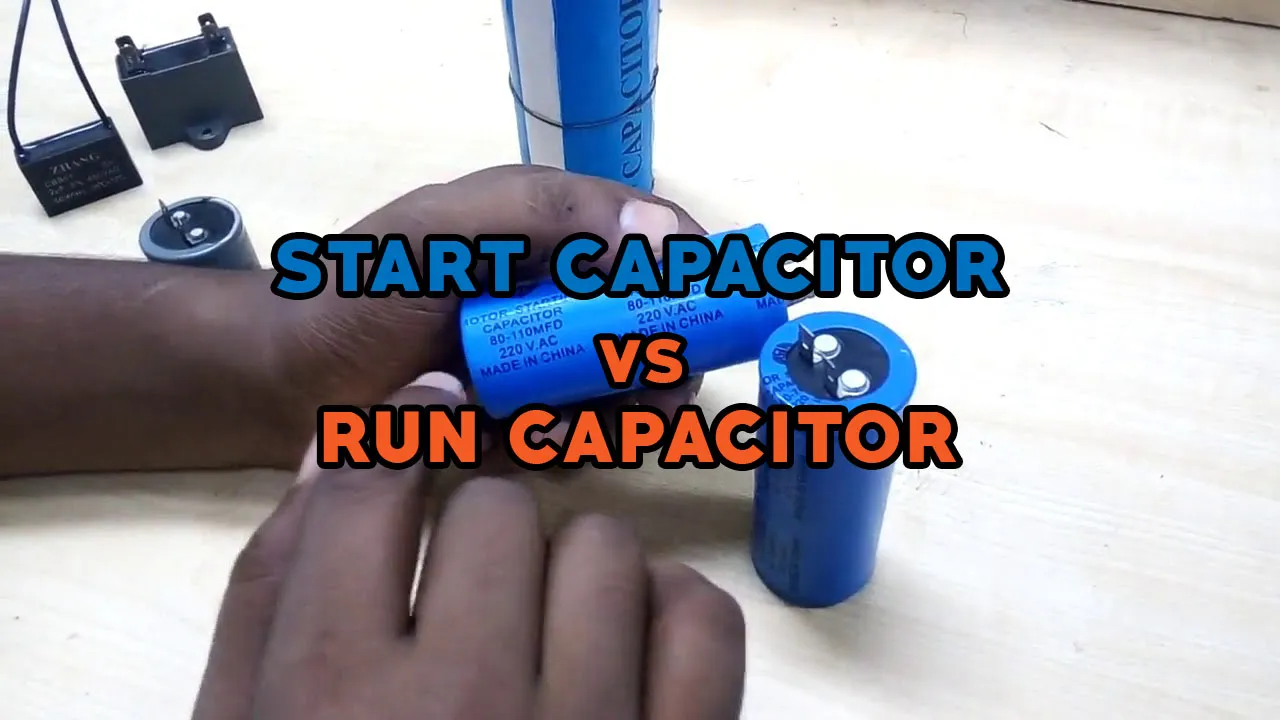
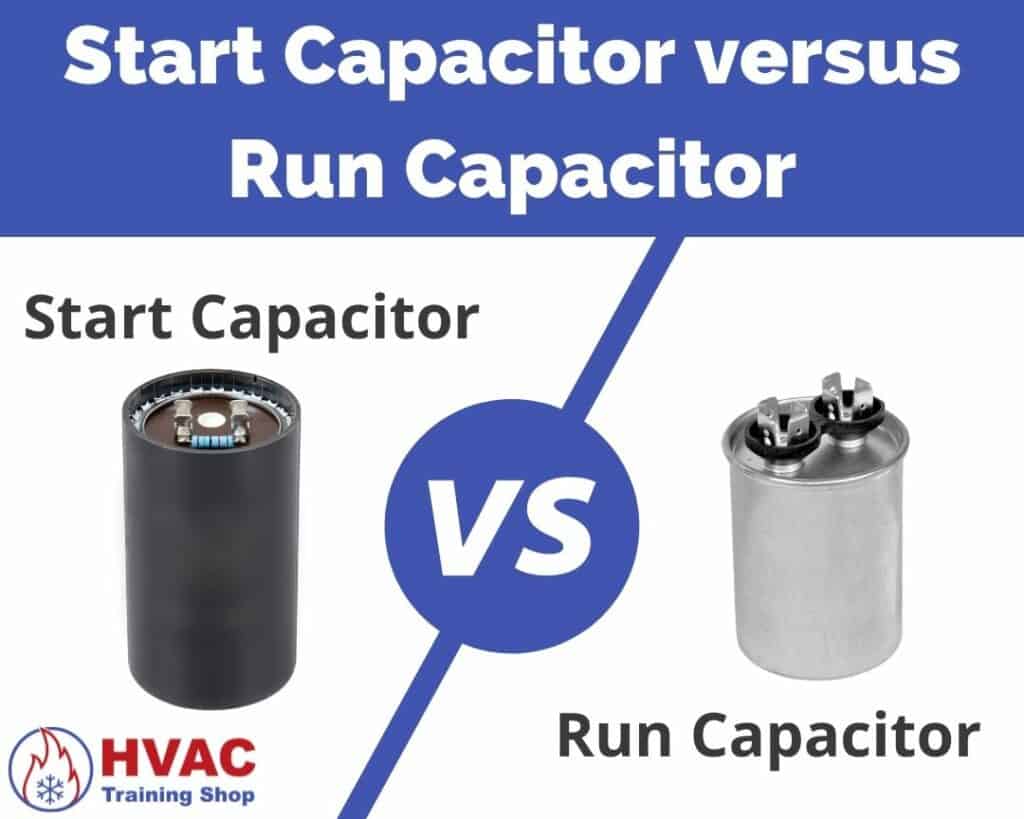
Start capacitors are designed to provide a high surge of power for a short duration, specifically to kickstart the motor. They are only in the circuit during the motor's initial start-up phase. Think of them as the jolt needed to get a car engine going. Once the motor reaches a certain speed, the start capacitor is automatically switched out of the circuit, typically by a centrifugal switch or a potential relay.
Key Features of Start Capacitors:
- High Capacitance: Measured in microfarads (µF), start capacitors have significantly higher capacitance values than run capacitors. This allows them to deliver the intense power needed for starting.
- Short Duty Cycle: Designed for short bursts of use, start capacitors cannot remain in the circuit continuously without overheating and failing.
- AC Voltage Rating: They have a specific AC voltage rating that must be adhered to. Using a capacitor with an insufficient voltage rating can be dangerous.
- Typically Non-Polarized: While some specialized start capacitors may be polarized, most are non-polarized, meaning they can be connected in either direction.
Consequences of a Failing Start Capacitor:
If a start capacitor fails, the motor might:
- Hum but not start: The motor will receive power but lack the necessary boost to begin rotating.
- Struggle to start: The motor may start slowly and laboriously, potentially damaging other components.
- Burn out: Repeated attempts to start with a faulty capacitor can overheat the motor, leading to premature failure.
Run Capacitors: Sustained Efficiency
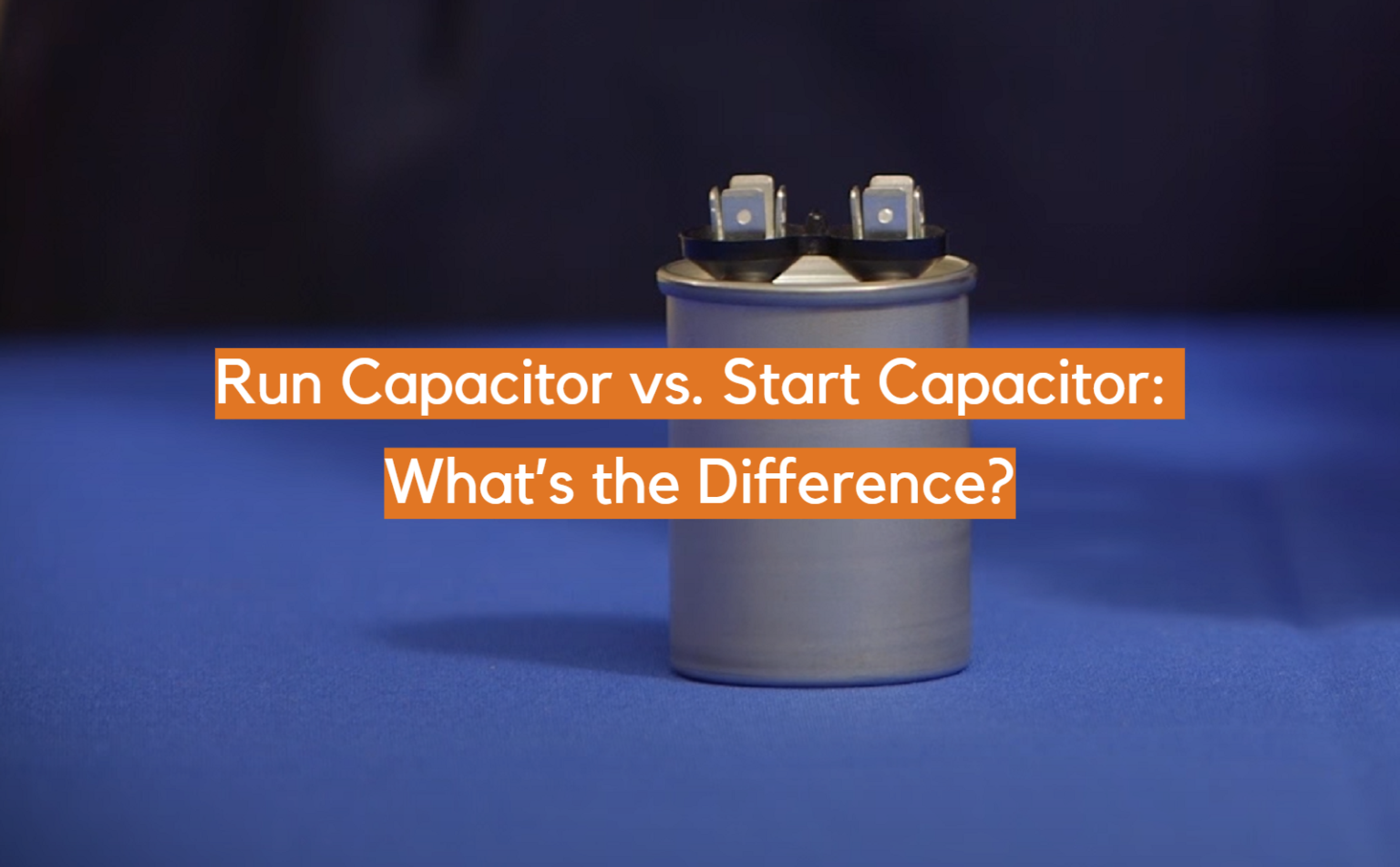
Run capacitors, on the other hand, are designed to remain in the circuit continuously while the motor is running. Their purpose is to improve the motor's efficiency and power factor, leading to smoother operation and reduced energy consumption. They help the motor maintain a consistent speed and torque, optimizing performance.
Key Features of Run Capacitors:
- Lower Capacitance: Compared to start capacitors, run capacitors have lower capacitance values.
- Continuous Duty Cycle: They are built to withstand continuous operation and remain connected throughout the motor's runtime.
- Improved Power Factor: Run capacitors improve the power factor, which is the ratio of real power (used to do work) to apparent power (total power supplied). A better power factor translates to lower energy bills.
- Reduced Energy Consumption: By optimizing motor efficiency, run capacitors contribute to reduced energy consumption and lower operating costs.
- Typically Non-Polarized: Like start capacitors, run capacitors are usually non-polarized.
Consequences of a Failing Run Capacitor:
A faulty run capacitor can manifest in various ways, including:
- Reduced Motor Efficiency: The motor will consume more energy to perform the same amount of work.
- Overheating: The motor may overheat due to increased current draw.
- Reduced Motor Life: Continuous operation with a failing run capacitor can shorten the motor's lifespan.
- Noisy Operation: The motor might produce unusual noises or vibrations.
- Starting Problems: While less common than with a start capacitor failure, a bad run capacitor can contribute to starting difficulties.
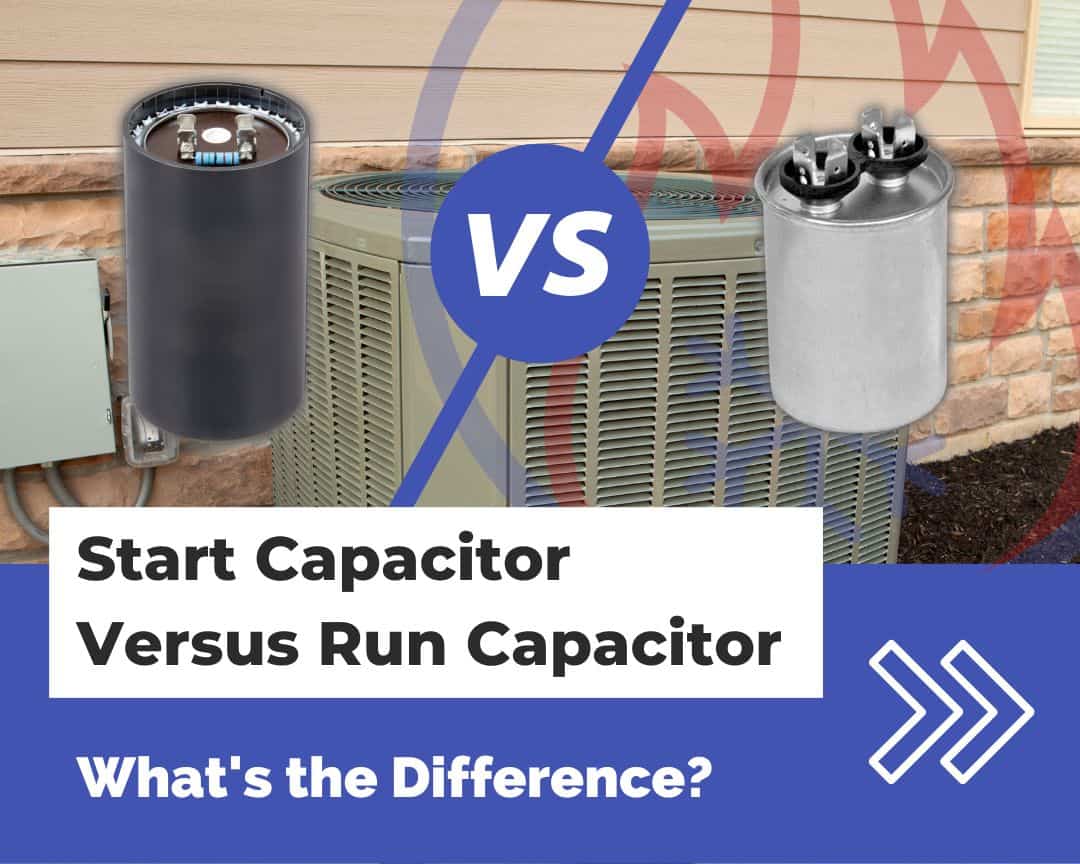
Start vs. Run Capacitor: A Direct Comparison
| Feature | Start Capacitor | Run Capacitor |
|---|---|---|
| Purpose | Provides a high surge of power for starting. | Improves motor efficiency and power factor during operation. |
| Duty Cycle | Short, intermittent use. | Continuous use. |
| Capacitance (µF) | High | Lower |
| Location in Circuit | Connected only during start-up. | Connected continuously during operation. |
| Impact of Failure | Motor may hum but not start, struggle to start, or burn out. | Reduced motor efficiency, overheating, shortened motor life. |
Choosing the Right Capacitor: Ratings and Compatibility
Selecting the correct replacement capacitor is vital. Always consult the HVAC system's manual or the original capacitor's label for the required specifications. Key factors to consider include:
- Capacitance (µF): The capacitance value must match the original capacitor's rating. A slight deviation (typically +/- 5% or 10%) is acceptable, but significant differences can damage the motor.
- Voltage (VAC): The voltage rating of the replacement capacitor must be equal to or greater than the original. Using a capacitor with a lower voltage rating is extremely dangerous.
- Frequency (Hz): Capacitors are typically rated for 50/60 Hz operation, which covers standard electrical frequencies.
- Operating Temperature: Choose a capacitor with an operating temperature range suitable for the HVAC system's environment.
- Physical Size: Ensure the replacement capacitor fits within the available space in the HVAC unit.
HVAC Brands and Models: Capacitor Considerations
While the principles of start and run capacitors remain consistent across different HVAC brands, specific capacitor requirements will vary depending on the model and motor design. Here are some general considerations for popular brands:
- Carrier/Bryant: These brands often utilize dual-run capacitors, which combine the run capacitor for the compressor motor and the fan motor into a single unit.
- Trane/American Standard: Similar to Carrier/Bryant, these brands frequently employ dual-run capacitors. Proper sizing of the dual-run capacitor is crucial for optimal performance of both motors.
- Goodman/Amana: These brands often use separate run capacitors for the compressor and fan motors.
- Rheem/Ruud: These brands often use separate run capacitors for the compressor and fan motors.
When replacing capacitors, it is always recommended to consult a qualified HVAC technician to ensure proper selection and installation. They can diagnose the root cause of the capacitor failure and recommend the appropriate replacement part.
Cost and Maintenance
Start and run capacitors are relatively inexpensive components, typically ranging from $10 to $50 each, depending on the capacitance, voltage, and brand. However, the cost of labor for replacement can significantly increase the overall expense. A professional HVAC technician will typically charge between $100 and $300 for capacitor replacement, including diagnosis and labor.
While capacitors are generally reliable, they do have a finite lifespan. To prolong their life and ensure optimal HVAC system performance, consider the following maintenance tips:
- Regular Inspections: Schedule annual HVAC maintenance checks to identify potential capacitor issues early.
- Cleanliness: Keep the HVAC unit clean and free of debris to prevent overheating, which can stress capacitors.
- Voltage Monitoring: Ensure the HVAC system receives a stable voltage supply, as voltage fluctuations can damage capacitors.
- Professional Replacement: Always rely on a qualified HVAC technician for capacitor replacement to ensure proper installation and avoid potential hazards.
Warranty Considerations
Capacitors themselves typically have a limited warranty, often ranging from one to five years. However, the motor and other components of the HVAC system may have separate warranties that could be voided if the capacitors are not replaced properly. It's crucial to understand the terms and conditions of your HVAC system's warranty and follow the manufacturer's recommendations for maintenance and repairs.
AFUE (Annual Fuel Utilization Efficiency), SEER (Seasonal Energy Efficiency Ratio), and HSPF (Heating Seasonal Performance Factor) are key metrics to consider when evaluating the overall efficiency of your HVAC system. While capacitors directly impact the efficiency of the motor, ensuring they are functioning correctly contributes to achieving the rated efficiency of the entire system. Efficient motors, aided by properly functioning capacitors, contribute to reaching the stated AFUE, SEER, and HSPF ratings.
Conclusion
Understanding the difference between start and run capacitors is essential for maintaining the efficiency and longevity of your HVAC system. By knowing their distinct roles, recognizing the signs of failure, and selecting the right replacements, you can ensure optimal performance and avoid costly breakdowns. Remember, when in doubt, always consult a qualified HVAC technician for professional assistance.