Difference Between Upflow And Downflow Furnace

Upflow vs. Downflow Furnace: Choosing the Right System for Energy Savings and Efficiency
When it's time to replace your furnace or install a new HVAC system, understanding the different types of furnaces is crucial for maximizing energy efficiency and minimizing your utility bills. Two common furnace configurations are upflow and downflow. This article breaks down the differences between these two systems, helping you determine which is the best fit for your home or business, while highlighting potential energy savings, rebates, and smart home integration opportunities.
Understanding Furnace Airflow: The Core Difference
The primary distinction between upflow and downflow furnaces lies in the direction of airflow. This difference dictates how they're installed and where they're most effective.
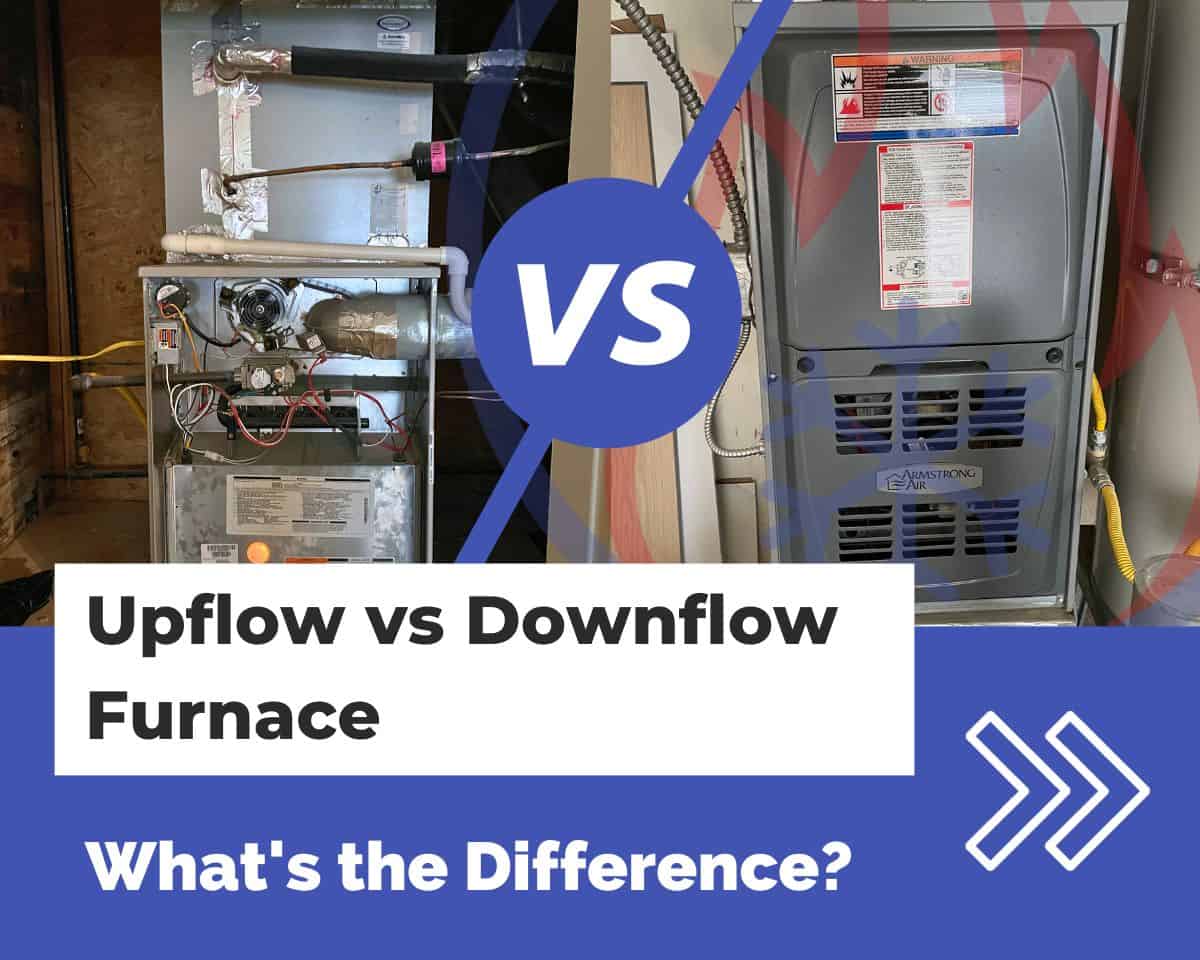
- Upflow Furnaces: These furnaces draw in cool air from the bottom, heat it, and then distribute the warm air upwards through ducts located above the unit. This design is ideal for homes with ductwork in the attic or ceiling.
- Downflow Furnaces: Conversely, downflow furnaces pull cool air from the top, heat it, and then blow the warm air downwards into ductwork typically located in the crawl space or under the floor. These are also known as counterflow furnaces.
The choice between upflow and downflow isn't just about preference; it's about matching the furnace to your home's existing ductwork configuration to ensure optimal performance and energy efficiency.
Upflow Furnaces: Ideal for Basement and Attic Ductwork
Upflow furnaces are commonly found in homes with basements or attics because they effectively utilize the natural tendency of warm air to rise. Here's a closer look:
Key Features of Upflow Furnaces:
- Air Intake: Typically located at the bottom of the furnace. Filters should be checked and replaced regularly to maintain airflow and efficiency.
- Airflow Direction: Air flows vertically upwards.
- Ideal Placement: Basements, closets, or utility rooms with ductwork above.
Energy Savings Potential:
Upflow furnaces can contribute to energy savings by efficiently distributing warm air throughout a home, especially when coupled with proper insulation. According to the U.S. Department of Energy, sealing air leaks in your attic and around ductwork can save you up to 20% on heating and cooling costs. Consider the Annual Fuel Utilization Efficiency (AFUE) rating of the furnace. An Energy Star certified upflow furnace with a high AFUE (90% or higher) will significantly reduce your energy consumption compared to older, less efficient models.
Installation Considerations:
Proper installation is paramount. Ensure your HVAC contractor correctly sizes the furnace to your home's heating load. An oversized furnace will cycle on and off frequently, wasting energy and reducing its lifespan. A correctly sized unit will run more efficiently and provide consistent heating.
Downflow Furnaces: Best for Homes with Crawl Spaces or Slab Foundations
Downflow furnaces are designed to accommodate homes where ductwork is located under the floor or in a crawl space. They offer distinct advantages in these situations:
Key Features of Downflow Furnaces:
- Air Intake: Usually located at the top of the furnace.
- Airflow Direction: Air flows vertically downwards.
- Ideal Placement: Closets, utility rooms, or platforms where ductwork runs beneath the floor.
Energy Savings Potential:
Similar to upflow furnaces, downflow models benefit from proper insulation and sealing of ductwork. If your ducts are located in a crawl space, ensuring adequate insulation underneath your home can drastically reduce heat loss. The Environmental Protection Agency (EPA) offers guidelines on insulation levels for different climates, which can help you optimize your energy savings. Look for downflow furnaces with high AFUE ratings and consider variable-speed blowers, which can further enhance efficiency by adjusting airflow based on heating demand.
Installation Considerations:
Downflow furnaces often require specific clearances and venting configurations. A professional HVAC contractor will be able to assess your home and ensure the furnace is installed safely and efficiently. Pay close attention to the placement of the condensate drain to prevent water damage.
Efficiency and Cost Comparisons: Which Furnace Saves You More?
The efficiency of a furnace is primarily determined by its AFUE rating, not necessarily whether it's upflow or downflow. However, installation practices and the condition of your ductwork can significantly impact overall energy savings. Here's a breakdown:
- AFUE Rating: This measures the percentage of fuel that is converted into usable heat. The higher the AFUE, the more efficient the furnace. Look for furnaces with an AFUE of 90% or higher to maximize energy savings.
- Installation Quality: A poorly installed furnace, regardless of type, will operate inefficiently. Ensure your contractor properly seals ductwork and optimizes airflow.
- Ductwork Condition: Leaky or poorly insulated ducts can waste a significant amount of energy. Have your ductwork inspected and repaired or replaced as needed.
- Operating Costs: While the initial cost of a high-efficiency furnace may be higher, the long-term energy savings will often offset the upfront investment. Calculate the payback period based on your energy consumption and utility rates.
While furnace costs vary by brand, size, and features, the cost to install them are similar between Upflow and Downflow furnaces. The national average cost to install a new furnace ranges from $4,000-$10,000.
Smart Home Integration: Optimizing Your Furnace with Technology
Integrating your furnace with smart home technology can further enhance energy efficiency and convenience. Smart thermostats, sensors, and zoning systems can optimize heating based on occupancy, weather conditions, and individual room preferences.
Benefits of Smart Home Integration:
- Smart Thermostats: Learn your heating and cooling patterns and automatically adjust the temperature to save energy. Many models offer remote control via smartphone apps.
- Zoning Systems: Allow you to control the temperature in different zones of your home, reducing energy waste in unoccupied areas.
- Sensors: Monitor temperature and humidity levels in real-time, providing valuable data for optimizing your HVAC system.
- Energy Monitoring: Track your energy consumption to identify areas where you can save money.
Many smart thermostats are Energy Star certified, further ensuring their energy-saving capabilities. Integrating your furnace with a smart home system can result in significant reductions in your energy bills.
Rebates and Incentives: Reducing the Cost of Energy-Efficient Upgrades
Numerous rebates and incentives are available to help homeowners and businesses offset the cost of upgrading to energy-efficient furnaces. These programs are offered by federal, state, and local governments, as well as utility companies.
Types of Rebates and Incentives:
- Federal Tax Credits: The Federal government offers tax credits for energy-efficient home improvements, including the installation of high-efficiency furnaces.
- State Rebates: Many states offer rebates for energy-efficient appliances and HVAC systems.
- Utility Company Incentives: Your local utility company may offer rebates for upgrading to a high-efficiency furnace.
- Local Government Programs: Some cities and counties offer incentives for energy-efficient upgrades.
Check the Energy Star website and your local utility company's website to find available rebates and incentives in your area. Taking advantage of these programs can significantly reduce the upfront cost of upgrading to a more efficient furnace.
Choosing the Right HVAC Contractor
Selecting a qualified and experienced HVAC contractor is crucial for ensuring proper furnace installation and maximizing energy efficiency. Here are some tips for choosing the right contractor:
- Check Credentials: Ensure the contractor is licensed, bonded, and insured.
- Read Reviews: Look for online reviews and testimonials from previous customers.
- Get Multiple Quotes: Obtain quotes from several contractors to compare pricing and services.
- Ask About Experience: Inquire about the contractor's experience installing upflow and downflow furnaces.
- Verify Certifications: Look for contractors who are certified by organizations such as North American Technician Excellence (NATE).
A reputable HVAC contractor will be able to assess your home's heating needs and recommend the most appropriate furnace type and size. They will also ensure proper installation and provide ongoing maintenance to keep your system running efficiently.
Conclusion: Making the Smart Choice for Energy Efficiency
The choice between upflow and downflow furnaces depends largely on your home's ductwork configuration. Regardless of which type you choose, prioritize energy efficiency by selecting a furnace with a high AFUE rating, ensuring proper installation, sealing ductwork, and considering smart home integration. By taking these steps, you can significantly reduce your energy bills and create a more comfortable and sustainable home environment. Remember to explore available rebates and incentives to make your upgrade even more affordable.


.png?format=1500w)