Difference Between Wet And Dry Bulb Temperature

Frequently Asked Questions: Understanding Wet Bulb and Dry Bulb Temperatures
Have you ever heard the terms "wet bulb" and "dry bulb" temperature and wondered what they mean and why they're important? These measurements provide valuable insights into air conditions, going beyond a simple temperature reading. This FAQ will break down the differences and explain their significance, especially for homeowners and facility managers concerned with comfort and efficiency.
Q1: What exactly are dry bulb and wet bulb temperatures?
Think of dry bulb temperature as the standard air temperature you see on a typical thermometer. It's the temperature of the air, measured without any regard for humidity. So, when someone says, "It's 80 degrees outside," they're usually referring to the dry bulb temperature.
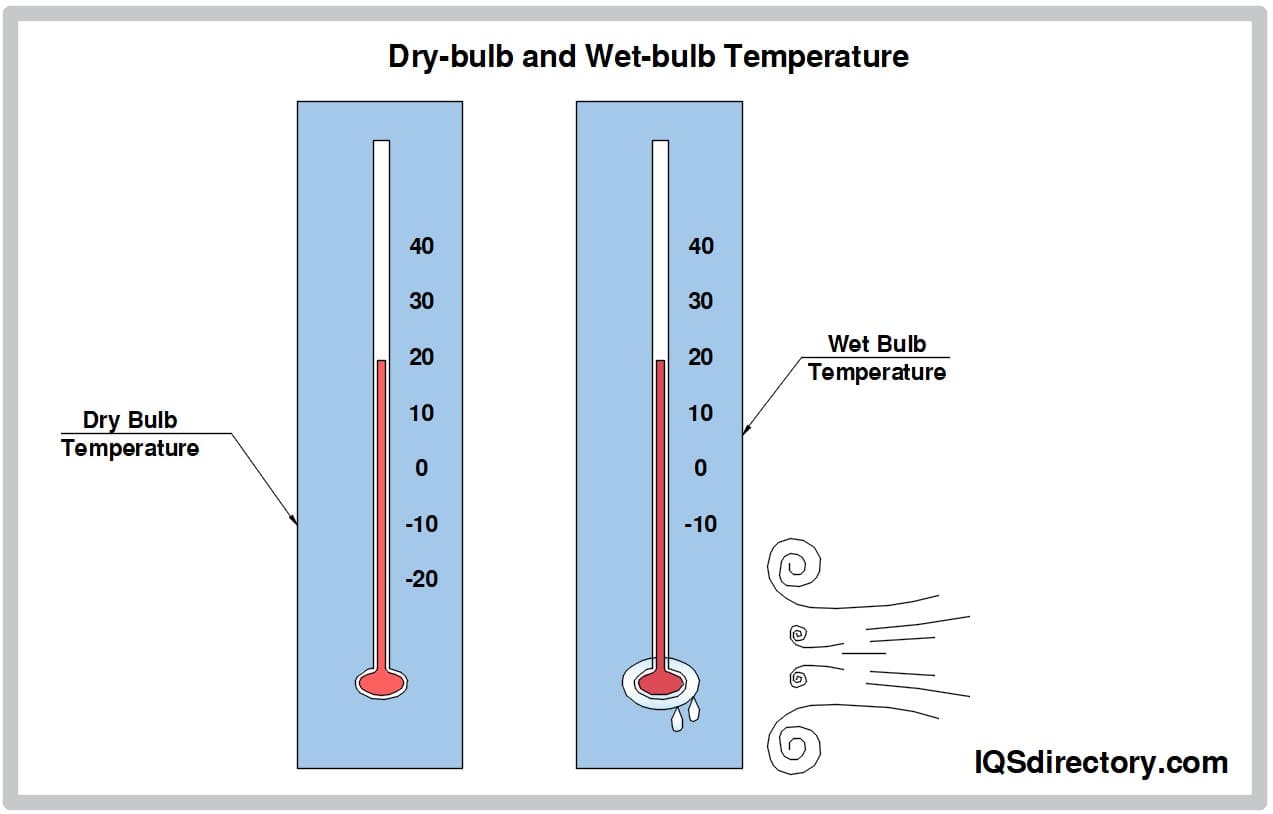
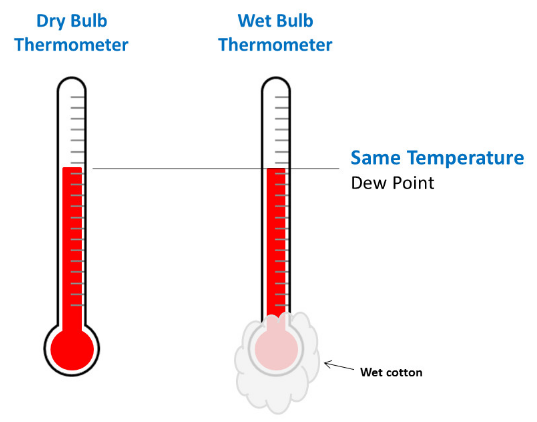
Wet bulb temperature, on the other hand, takes humidity into account. It's the temperature a thermometer reads when its bulb is covered with a wet cloth and exposed to moving air. The water evaporates, cooling the thermometer. The rate of evaporation depends on the air's humidity; drier air allows for more evaporation and a lower wet bulb temperature. Humid air hinders evaporation, resulting in a wet bulb temperature closer to the dry bulb temperature.
- Dry Bulb: Standard air temperature, like on a regular thermometer.
- Wet Bulb: Temperature accounting for humidity, measured with a wet bulb thermometer.
Q2: How are wet bulb and dry bulb temperatures measured?
Dry bulb temperature is measured using a standard thermometer, either digital or analog. Simply place the thermometer in the air, shielded from direct sunlight, and read the temperature after a few minutes.
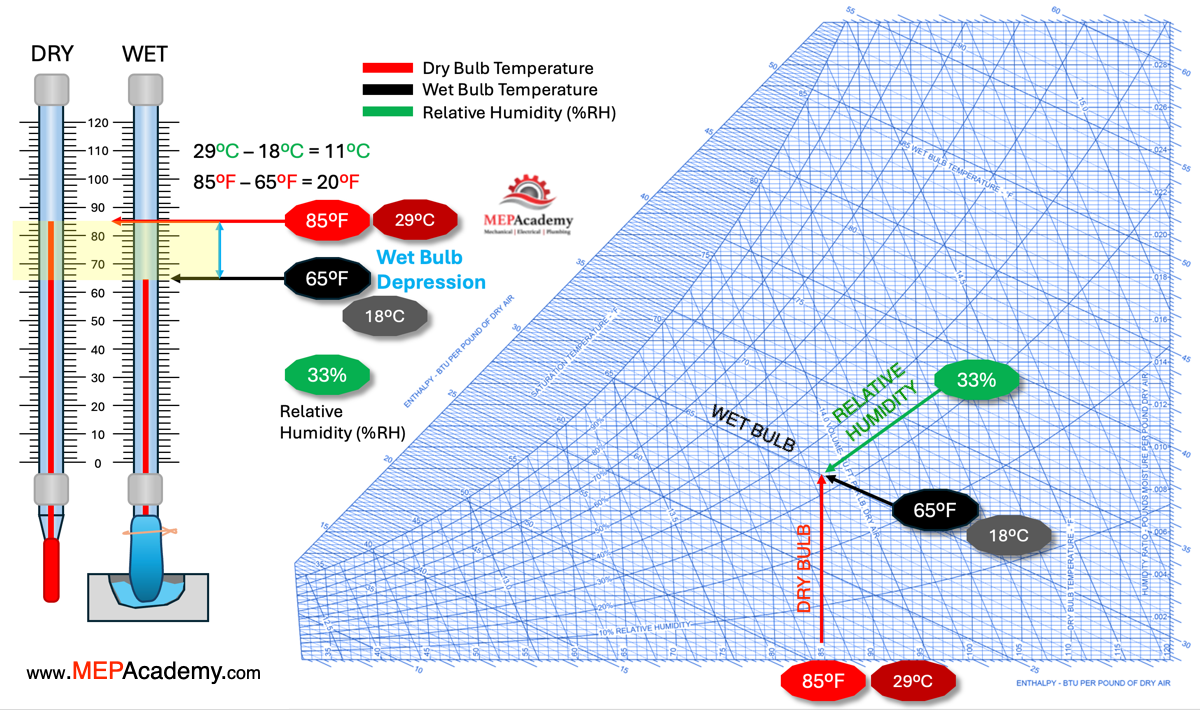
Wet bulb temperature is traditionally measured using a sling psychrometer. This instrument consists of two thermometers: a dry bulb thermometer and a wet bulb thermometer. The wet bulb thermometer has a wick covering its bulb that is moistened with water. The psychrometer is then swung around in the air (or a fan is used to move air across the bulbs) for a minute or two. The evaporation of water from the wick cools the wet bulb thermometer, and the difference between the dry bulb and wet bulb readings indicates the humidity level.
Modern electronic psychrometers are also available. These devices often use sensors to measure both dry bulb and wet bulb temperatures and calculate humidity automatically. They are more convenient and provide accurate readings quickly.
Q3: What's the practical difference between these temperatures, and why should I care?
The difference between wet bulb and dry bulb temperatures reflects the amount of moisture in the air. A large difference means the air is relatively dry because the water on the wet bulb evaporates easily, causing a significant cooling effect. A small difference suggests the air is humid, as the water evaporates slowly, leading to minimal cooling.
Here's why you should care:
- Comfort: Wet bulb temperature is a better indicator of how comfortable we feel than dry bulb temperature alone. Our bodies cool down through sweat evaporation. If the humidity is high (small difference between dry and wet bulb), sweat evaporates slowly, making us feel hotter and more uncomfortable. High wet bulb temperatures can lead to heat stress and heatstroke.
- Evaporative Cooling Efficiency: If you use an evaporative cooler (swamp cooler), the wet bulb temperature is crucial. Evaporative coolers work by evaporating water, which cools the air. The lower the wet bulb temperature, the more effective the cooler will be. If the wet bulb temperature is high (humid conditions), the evaporative cooler won't work very well.
- HVAC System Performance: Understanding wet bulb temperature helps optimize HVAC systems. For example, knowing the wet bulb temperature of the incoming air allows for better control of cooling coil temperatures, improving efficiency and preventing condensation problems.
- Preventing Mold Growth: Monitoring wet bulb temperature can help identify areas with high humidity, allowing you to take steps to prevent mold growth.
Q4: How does wet bulb temperature affect my health and safety?
Wet bulb temperature is a critical factor in assessing heat stress and the risk of heatstroke. As mentioned earlier, our bodies cool down through sweat evaporation. When the wet bulb temperature is high, evaporation slows down, and our bodies struggle to regulate their temperature. This can lead to:
- Heat exhaustion: Symptoms include heavy sweating, weakness, dizziness, headache, nausea, and muscle cramps.
- Heatstroke: A more severe condition characterized by a high body temperature (104°F or higher), confusion, seizures, and loss of consciousness. Heatstroke is a medical emergency and can be fatal.
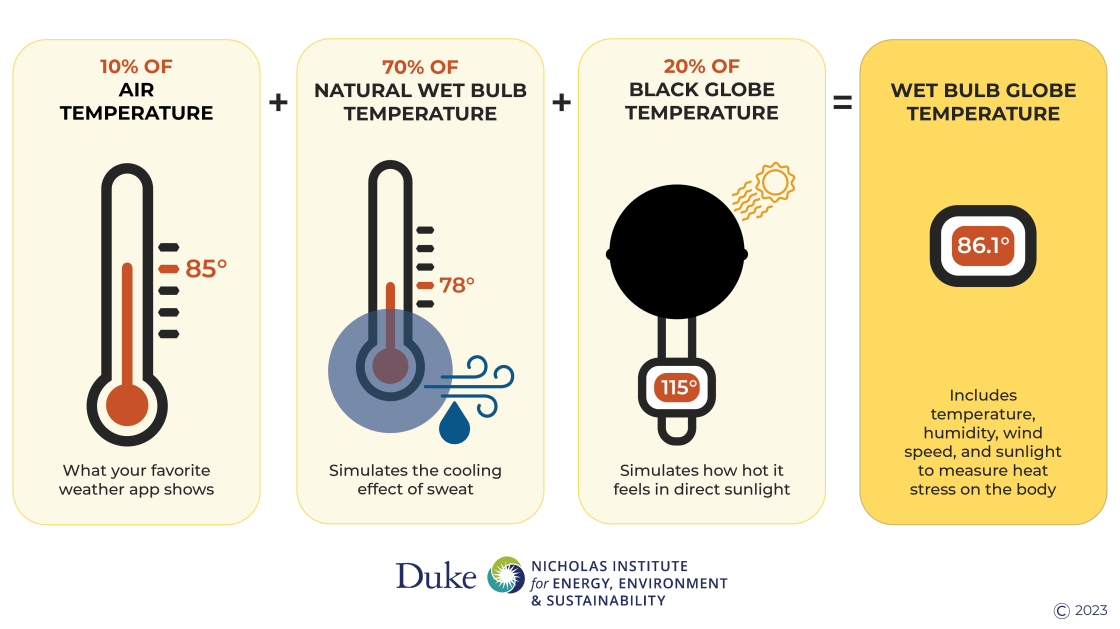
The wet bulb globe temperature (WBGT) is an even more comprehensive measure that takes into account not only wet bulb and dry bulb temperatures but also radiant heat from the sun. WBGT is widely used in occupational health and safety to determine safe working conditions in hot environments. Organizations like OSHA (Occupational Safety and Health Administration) use WBGT to set guidelines for work/rest cycles in hot weather.
Therefore, paying attention to wet bulb temperature, especially during hot weather, is essential for protecting your health and safety, especially for individuals engaged in outdoor activities or working in hot environments.
Q5: How can I use wet bulb temperature readings to improve my home's or facility's efficiency?
Understanding wet bulb temperature can lead to significant improvements in energy efficiency and comfort:
- Optimize Evaporative Cooling: If you're considering an evaporative cooler, check the typical wet bulb temperatures for your location during the summer months. If the wet bulb temperatures are consistently high, an evaporative cooler might not be the most effective choice. In dry climates, however, they can be a very energy-efficient cooling solution.
- Improve HVAC Control: In larger facilities, integrate wet bulb temperature sensors into your building management system (BMS). This allows the system to adjust cooling coil temperatures based on the actual humidity levels, optimizing energy consumption and preventing condensation.
- Identify Ventilation Needs: High wet bulb temperatures indoors can indicate poor ventilation. Ensure adequate ventilation to remove excess moisture and improve comfort. Consider using exhaust fans in bathrooms and kitchens to remove moisture generated from showering and cooking.
- Prevent Mold Growth: Monitor wet bulb temperatures in areas prone to moisture, such as basements and crawl spaces. If the wet bulb temperature consistently exceeds a certain threshold (e.g., 70°F), take steps to dehumidify the area.
- Landscaping Considerations: Consider the effect of landscaping on the microclimate around your building. Trees and shrubs can provide shade and increase humidity through transpiration. Understanding how these factors affect wet bulb temperature can help you design landscaping that minimizes heat stress and improves energy efficiency.
Q6: Where can I find wet bulb temperature data for my location?
Several resources provide access to wet bulb temperature data:
- Weather Websites and Apps: Many weather websites and apps provide hourly or daily wet bulb temperature forecasts. Look for options that specifically include wet bulb temperature in their reports.
- National Weather Service (NWS): The NWS website provides historical and current weather data, including wet bulb temperature.
- Airport Weather Stations: Airport weather stations often record wet bulb temperature as part of their routine observations. You can usually access this data through aviation weather services.
- HVAC Software and Tools: Some HVAC design and analysis software programs include access to historical weather data, including wet bulb temperature, for various locations.
- Local Weather Stations: Local news outlets or weather enthusiasts often have their own weather stations that provide real-time data, including wet bulb temperature.
When using weather data, be sure to consider the source and accuracy of the information. Look for reliable sources like the NWS or reputable weather services.
Q7: Is there a "comfortable" range for wet bulb temperature?
Yes, there is a general range of wet bulb temperatures that most people find comfortable. This range depends on factors like activity level and clothing, but generally:
- Below 65°F (18°C): Generally considered comfortable, especially with light activity.
- 65°F to 73°F (18°C to 23°C): Can be comfortable for many people, but some may start to feel slightly warm or humid.
- Above 73°F (23°C): Most people will feel uncomfortably warm and humid, especially with physical activity. The higher the wet bulb temperature, the greater the risk of heat stress.
It's important to remember that individual preferences vary. Some people are more sensitive to humidity than others. Also, acclimatization plays a role; people who are used to hot and humid climates may tolerate higher wet bulb temperatures better than those who are not.
By understanding wet bulb temperature and its impact on comfort and safety, you can make informed decisions about your HVAC systems, outdoor activities, and overall well-being.