Different Types Of Central Air Conditioners
Decoding Comfort: A Comprehensive Guide to Central Air Conditioner Types
Central air conditioning systems are the backbone of climate control in countless homes and businesses across the country. As an HVAC professional or aspiring technician, a solid understanding of the different types of central AC units is crucial for career advancement and delivering exceptional service. This guide explores the common central AC types, their applications, and the skills needed to excel in this vital area of the HVAC industry.
The Ubiquitous Split System: A Workhorse of Comfort
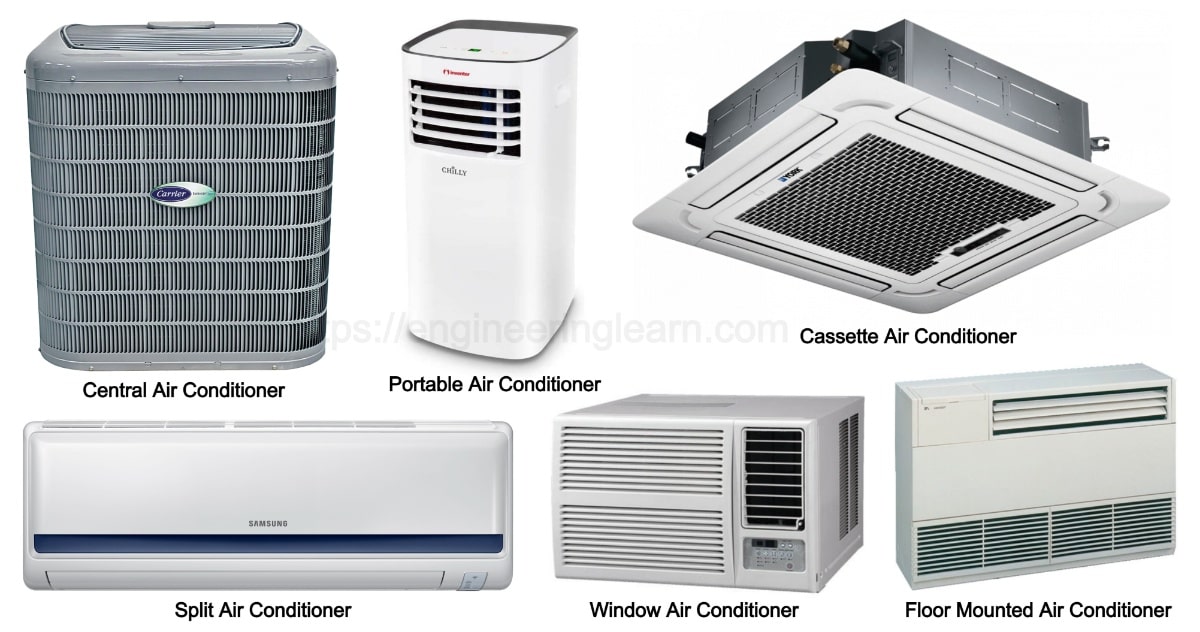
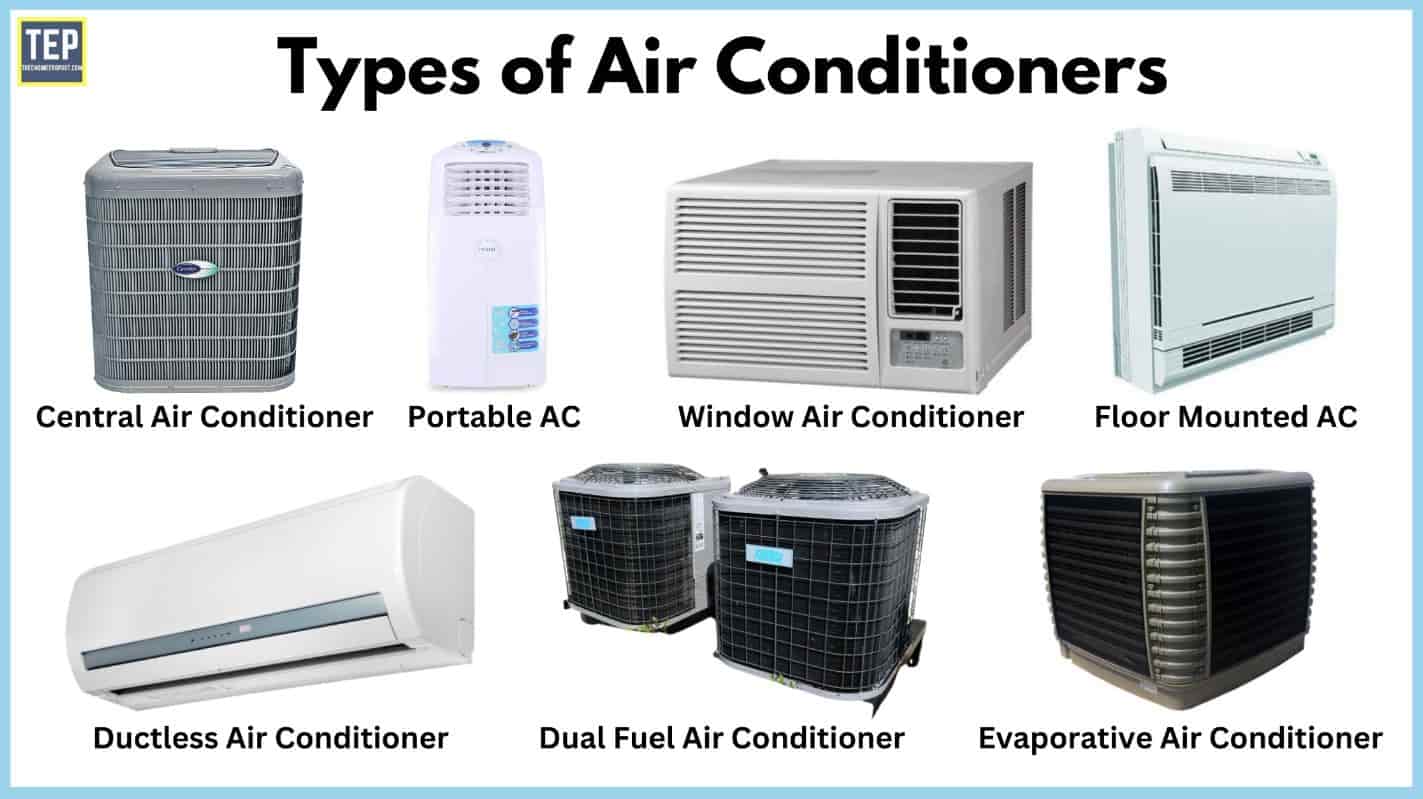
The split system is by far the most prevalent type of central air conditioner. It comprises two main components: an outdoor unit containing the compressor and condenser coil, and an indoor unit (usually a furnace or air handler) housing the evaporator coil. Refrigerant circulates between these units, absorbing heat from the indoor air and releasing it outside. Split systems are popular because of their versatility and relative ease of installation. They can be paired with various heating systems, including furnaces, heat pumps, and boilers (using a separate air handler).
Career Implications: Working with split systems is a fundamental skill for any HVAC technician. From installation and maintenance to troubleshooting and repair, expertise in split systems opens doors to a wide range of job opportunities. Entry-level technicians often start by assisting with split system installations, gradually building their knowledge and skills to handle more complex tasks like diagnosing refrigerant leaks or replacing compressors. According to the Bureau of Labor Statistics (BLS), the median annual wage for HVACR technicians was $51,390 in May 2022. The BLS projects about 35,200 openings for HVACR mechanics and installers each year, on average, over the decade from 2022 to 2032. This represents a growth rate of 5 percent, about average for all occupations.
Packaged Systems: All-in-One Convenience
Packaged systems, as the name suggests, consolidate all components (compressor, condenser, evaporator, and often a heating unit) into a single outdoor unit. These are commonly found on rooftops or slabs outside of buildings. Packaged units are advantageous where space is limited indoors or when replacing an existing packaged system. They simplify installation compared to split systems but can be more challenging to access for maintenance, especially on rooftops.
Career Implications: Packaged systems require a slightly different skill set compared to split systems. Technicians need to be comfortable working at heights and possess knowledge of rooftop safety protocols. Troubleshooting packaged units involves diagnosing issues within a single, self-contained unit, which can require advanced diagnostic skills. Employers value technicians with experience in servicing packaged systems, particularly in commercial settings. Experience with commercial systems can lead to higher earning potential, with senior technicians and service managers often earning upwards of $70,000 or more per year.
Heat Pumps: Dual-Purpose Climate Control
Heat pumps are essentially reversible air conditioners. In the summer, they operate like a standard AC, removing heat from the indoor air and releasing it outside. In the winter, they reverse the process, extracting heat from the outside air (even when it's cold) and transferring it indoors. While air-source heat pumps are the most common, geothermal heat pumps offer superior efficiency by utilizing the stable temperature of the earth. These require specialized knowledge for installation and maintenance.
Career Implications: Heat pumps are gaining popularity due to their energy efficiency and versatility. Technicians with expertise in heat pump technology are in high demand. This includes knowledge of refrigerant cycles, reversing valves, defrost cycles, and auxiliary heating systems. Geothermal heat pumps, in particular, represent a growing sector of the HVAC industry, offering opportunities for technicians specializing in ground loop installation and maintenance. Certifications such as NATE (North American Technician Excellence) offer heat pump specific certifications, demonstrating competence in this area.
Ductless Mini-Split Systems: Zoned Comfort Solutions
Ductless mini-split systems offer a unique approach to central air conditioning. They consist of an outdoor unit connected to one or more indoor units (air handlers) mounted on walls or ceilings. Ductless systems are ideal for homes without existing ductwork, additions, or rooms that are difficult to heat or cool with traditional systems. Each indoor unit can be controlled independently, allowing for zoned cooling and heating.
Career Implications: Ductless systems are a specialized area of HVAC that requires knowledge of installation techniques specific to these units. Technicians need to be proficient in running refrigerant lines, electrical wiring, and condensate drains. Troubleshooting ductless systems often involves diagnosing issues with individual indoor units and communication problems between the indoor and outdoor units. As ductless systems become more prevalent, expertise in this area will be highly sought after. Familiarity with inverter technology, often used in ductless systems for energy efficiency, is also valuable.
Selecting the Right AC: Considerations for Employers and Technicians
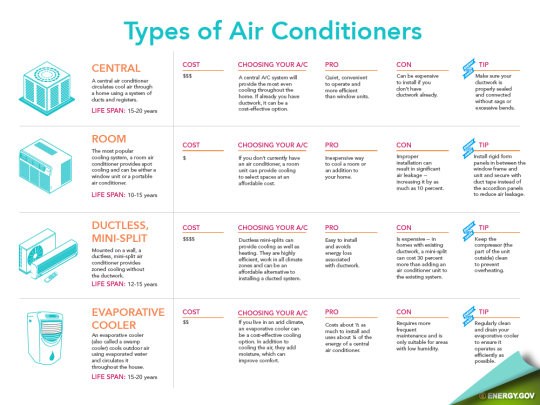
Choosing the appropriate type of central air conditioner depends on several factors, including the size and layout of the building, climate, budget, and energy efficiency goals. Employers should prioritize hiring technicians with a broad understanding of different AC types and the ability to assess these factors accurately. Technicians should stay updated on the latest technologies and energy-efficient options to provide informed recommendations to clients.
Key Considerations:
- Climate: Heat pumps are generally more efficient in moderate climates, while traditional AC systems may be more suitable for hot climates.
- Building Size and Layout: Split systems are often the best choice for homes with existing ductwork, while ductless systems are ideal for homes without ducts or for zoned cooling.
- Energy Efficiency: Look for units with high SEER (Seasonal Energy Efficiency Ratio) and EER (Energy Efficiency Ratio) ratings.
- Budget: Consider the initial cost of the unit, as well as the long-term operating costs.
Certifications: Validating Your Expertise
Earning industry-recognized certifications can significantly enhance your career prospects in the HVAC field. NATE certification is a widely respected credential that demonstrates competence in various HVAC specialties, including air conditioning. Passing the EPA Section 608 certification is mandatory for technicians handling refrigerants. Other valuable certifications include those offered by trade organizations and manufacturers.
Real-World Example: Sarah, a recent HVAC graduate, obtained her EPA 608 certification and began working as an apprentice for a local HVAC company. Through on-the-job training and continuing education, she gained experience with split systems, packaged units, and heat pumps. After two years, she earned her NATE certification in air conditioning and was promoted to a lead technician position. Her increased knowledge and skills allowed her to troubleshoot complex AC problems and provide excellent customer service, resulting in higher pay and career advancement opportunities.
The Future of Central Air Conditioning: Trends and Opportunities
The HVAC industry is constantly evolving, with new technologies and regulations emerging regularly. Some key trends include:
- Increased Focus on Energy Efficiency: Demand for high-efficiency AC systems and smart thermostats is growing.
- Adoption of New Refrigerants: Regulations are phasing out older refrigerants with high global warming potential.
- Integration of Smart Technologies: Smart thermostats, sensors, and remote monitoring systems are becoming increasingly common.
- Growing Demand for Ductless Systems: Ductless systems are gaining popularity as a cost-effective and energy-efficient solution for homes without ductwork.
These trends create exciting opportunities for HVAC professionals who are willing to learn and adapt. By staying updated on the latest technologies, pursuing relevant certifications, and developing strong diagnostic and troubleshooting skills, technicians can position themselves for success in this dynamic industry.
Salary Expectations: Entry-level HVAC technicians can expect to earn between $35,000 and $45,000 per year. With experience and certifications, salaries can increase to $60,000 or more. Senior technicians, supervisors, and service managers can earn upwards of $75,000 to $100,000 or more per year, depending on location and experience.
In conclusion, mastering the nuances of different central air conditioning systems is paramount for a thriving HVAC career. Whether you're a student, seasoned technician, or employer, continuous learning and adaptation are key to navigating this dynamic and essential industry.