Different Types Of Heaters For Homes

Understanding Your Home Heating Options: A Comprehensive Guide
Choosing the right heating system for your home or building is a critical decision. It impacts comfort, energy bills, and overall property value. This guide provides a comprehensive overview of the different types of heaters available, catering to homeowners, HVAC professionals, and facility managers alike.
Central Heating Systems: Distributing Warmth Throughout Your Property
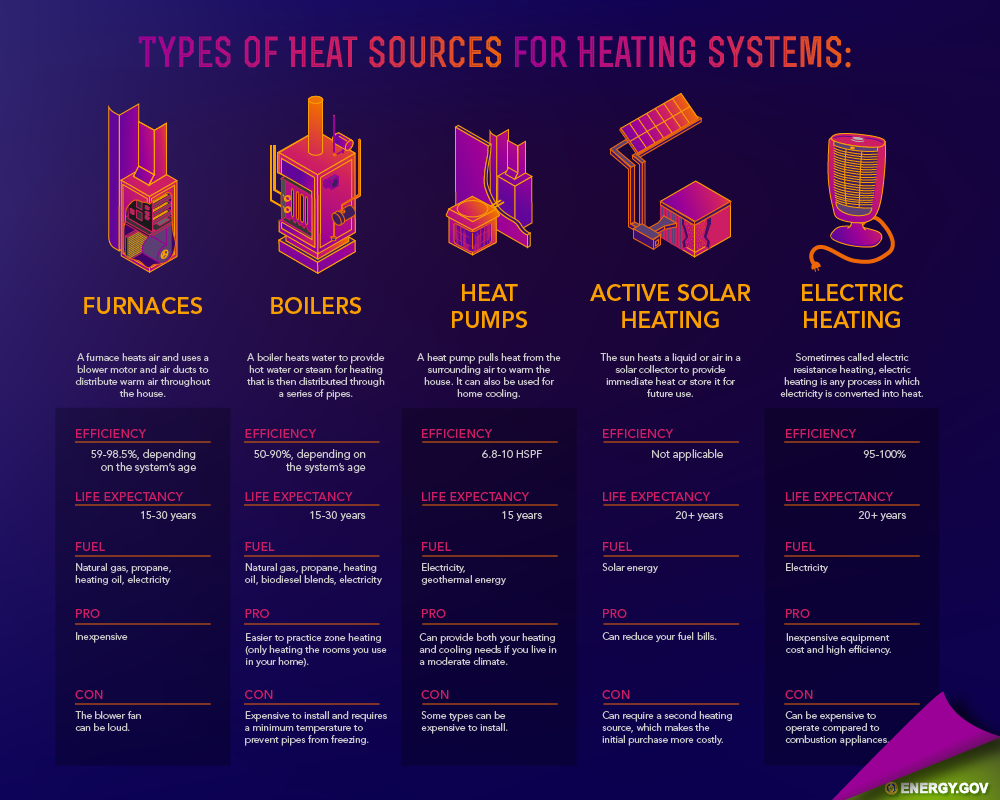
Central heating systems are designed to heat an entire building from a single location. They utilize a furnace, boiler, or heat pump to generate heat, which is then distributed through a network of ducts or pipes to individual rooms.
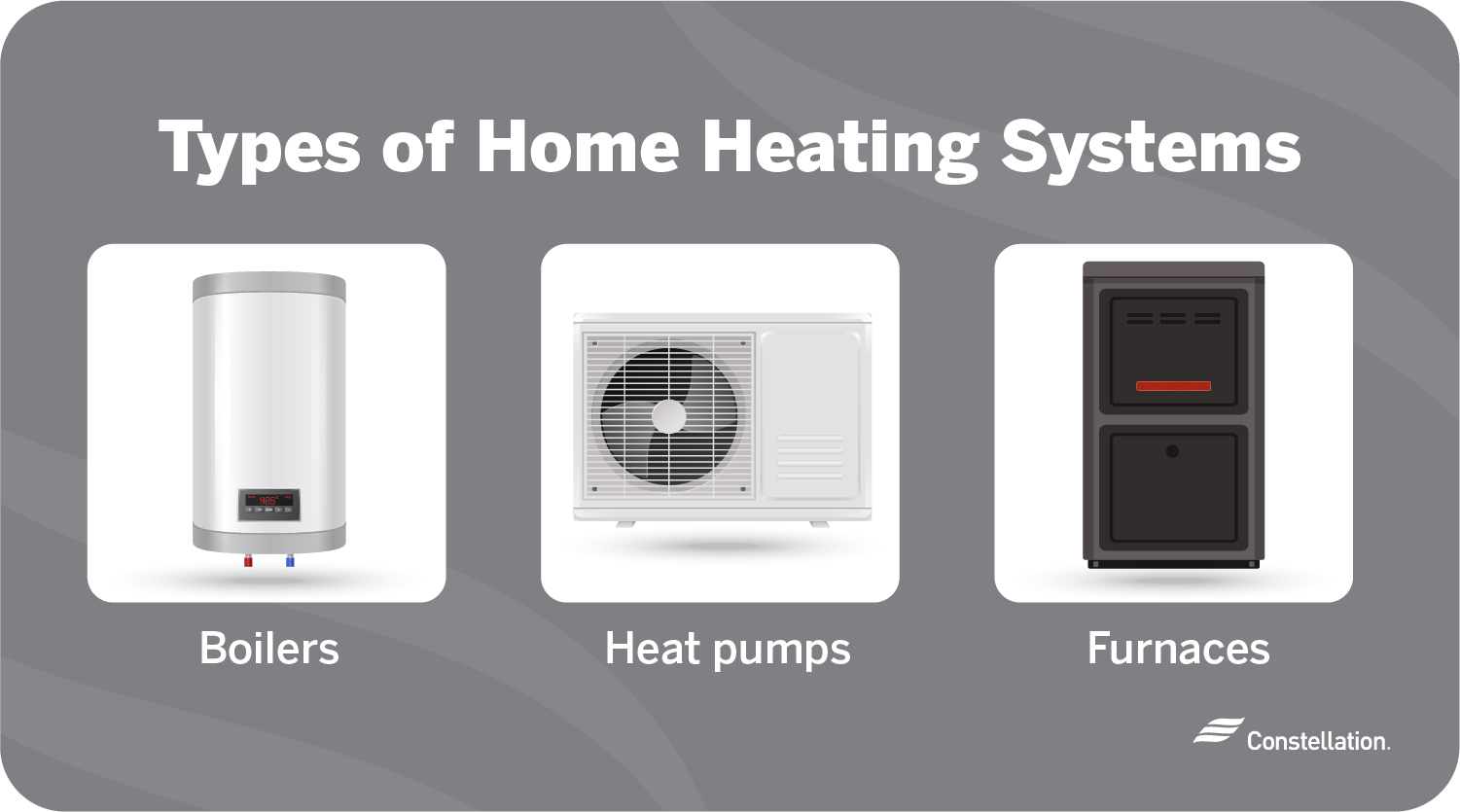
Furnaces: The Workhorse of Home Heating
Furnaces are the most common type of central heating system in many regions. They burn fuel – typically natural gas, propane, or oil – to heat air, which is then circulated through ductwork by a blower fan.
Types of Furnaces:
- Natural Gas Furnaces: These are generally the most cost-effective option where natural gas is readily available. They offer high efficiency and relatively clean burning. Look for models with an Annual Fuel Utilization Efficiency (AFUE) rating of 90% or higher for optimal energy savings.
- Propane Furnaces: A good alternative to natural gas in areas where it's not accessible. Propane furnaces tend to be slightly more expensive to operate than natural gas, but modern high-efficiency models can still provide significant savings.
- Oil Furnaces: While once very popular, oil furnaces are becoming less common due to concerns about fuel cost and environmental impact. However, they can still be a viable option in certain areas. Proper maintenance is crucial for oil furnaces to ensure efficiency and prevent soot buildup.
- Electric Furnaces: Electric furnaces are less efficient compared to gas or oil models, and usually cost more to operate. However, they are safer since they don’t involve burning fossil fuels. They also have lower installation costs.
Efficiency Ratings (AFUE): A higher AFUE rating means the furnace converts more fuel into usable heat, resulting in lower energy bills. Consider investing in a high-efficiency model (90% AFUE or higher) for long-term cost savings.
Lifespan: Furnaces typically last 15-20 years with proper maintenance.
Boilers: Hydronic Heating Solutions
Boilers heat water, which is then circulated through radiators, baseboard heaters, or radiant floor systems to provide warmth. This type of heating is known as hydronic heating.
Types of Boilers:
- Natural Gas Boilers: Similar to natural gas furnaces, these are a cost-effective and efficient option where natural gas is available.
- Propane Boilers: A suitable alternative for areas without natural gas access.
- Oil Boilers: Less common but still viable in some regions.
- Electric Boilers: Similar advantages and disadvantages to electric furnaces.
Efficiency Ratings (AFUE): As with furnaces, a higher AFUE rating indicates greater energy efficiency.
Lifespan: Boilers typically last 15-30 years, often longer than furnaces.
Radiant Heating: Boilers often used with radiant floor heating, this provides even and efficient heat distribution, warming objects and people directly instead of just the air.
Heat Pumps: Heating and Cooling in One Unit
Heat pumps are a versatile option that can provide both heating and cooling. They transfer heat from one location to another, rather than generating it directly. In the winter, they extract heat from the outside air (or ground) and transfer it inside. In the summer, they reverse the process to provide cooling.
Types of Heat Pumps:
- Air-Source Heat Pumps: These are the most common type of heat pump. They extract heat from the outside air. Their efficiency decreases in extremely cold climates.
- Geothermal Heat Pumps (Ground-Source Heat Pumps): These utilize the stable temperature of the earth to provide heating and cooling. They are more efficient than air-source heat pumps, especially in extreme temperatures, but require a higher initial investment for installation.
Efficiency Ratings (HSPF & SEER): Heat pumps have two efficiency ratings: Heating Seasonal Performance Factor (HSPF) for heating and Seasonal Energy Efficiency Ratio (SEER) for cooling. Higher ratings indicate greater energy efficiency.
Lifespan: Heat pumps typically last 10-15 years.
Dual Fuel Systems: In colder climates, consider a dual fuel system, which combines a heat pump with a gas furnace. The heat pump handles milder temperatures, while the furnace kicks in when it gets too cold for the heat pump to operate efficiently.
Space Heaters: Supplemental Heating for Individual Rooms
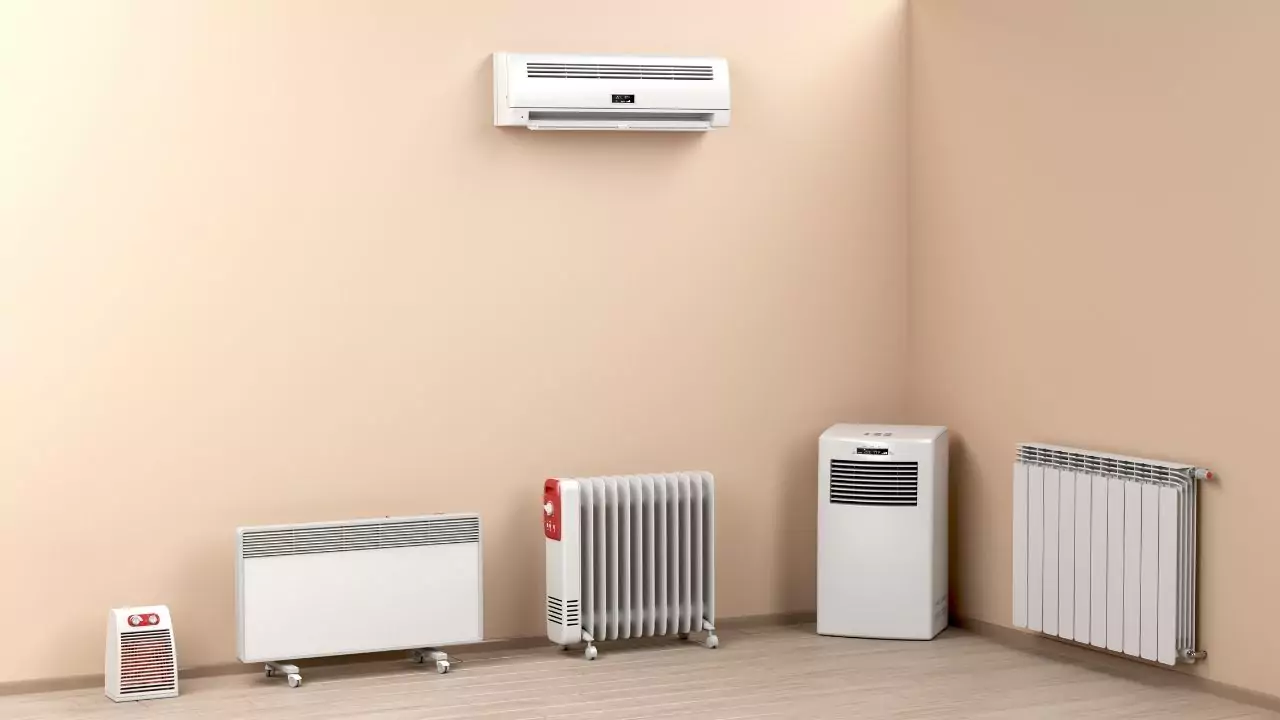
Space heaters are portable or wall-mounted units designed to heat a single room or small area. They are a good option for supplemental heating, but not suitable for heating an entire home.
Types of Space Heaters:
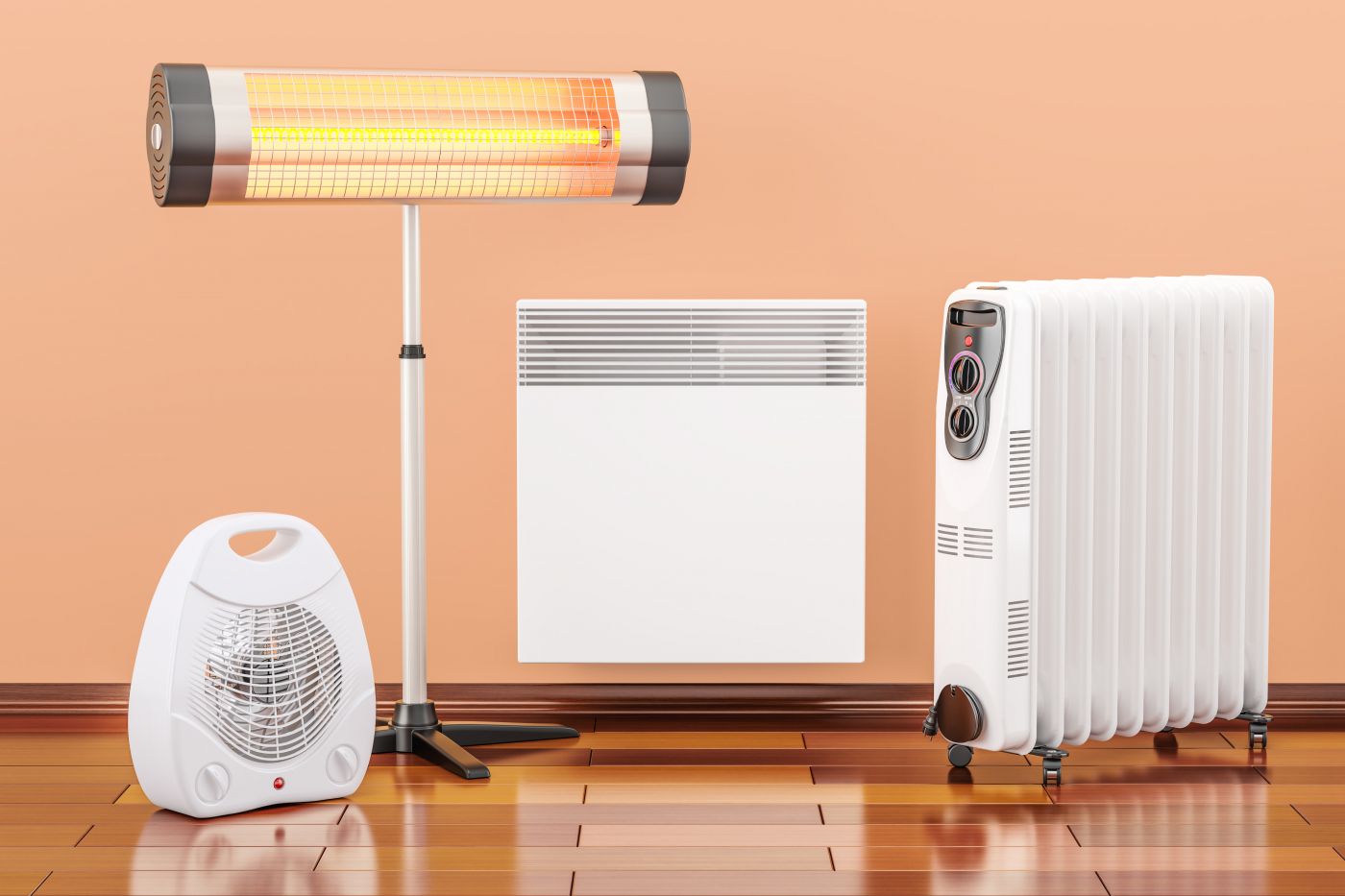
- Electric Resistance Heaters: These are the most common type of space heater. They use electricity to heat a coil, which then radiates heat into the room. They are relatively inexpensive but can be costly to operate. Examples include:
- Ceramic Heaters
- Fan-Forced Heaters
- Oil-Filled Radiators
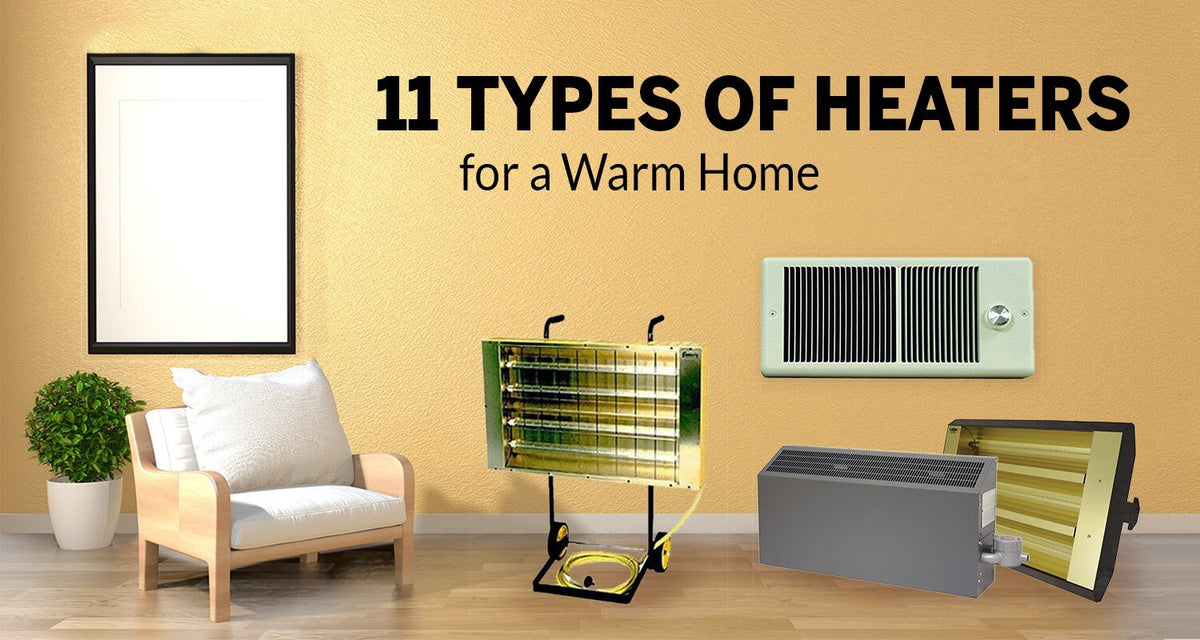
- Infrared Heaters: These heaters emit infrared radiation, which directly heats objects and people in the room. They are more energy-efficient than electric resistance heaters.
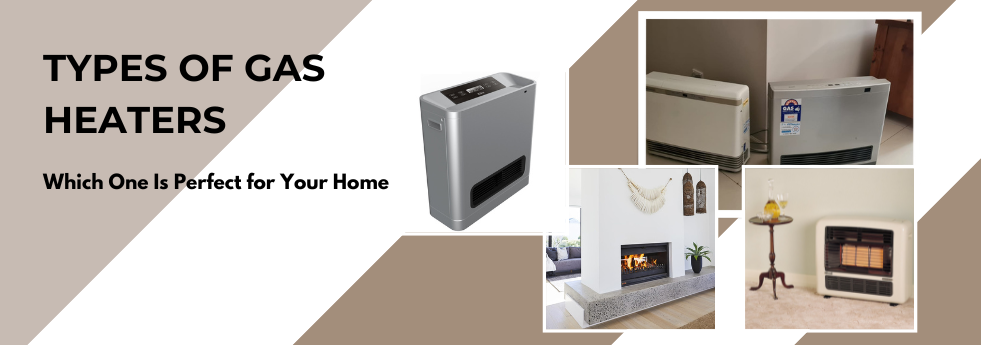
- Gas Space Heaters: These heaters burn natural gas or propane to generate heat. They are more efficient than electric space heaters but require proper ventilation to prevent carbon monoxide buildup. These are not legal in some municipalities, consult your local codes before installation.
Safety Considerations: Always use space heaters with caution and follow the manufacturer's instructions. Keep them away from flammable materials and never leave them unattended.
Other Heating Options
Beyond the common systems, some less conventional heating options exist:
- Wood Stoves and Fireplaces: While providing ambiance, these are often inefficient as primary heating sources. EPA-certified wood stoves are more efficient and produce less pollution.
- Pellet Stoves: Burning compressed wood pellets, these offer a more controlled and efficient alternative to traditional wood stoves.
Cost Comparison and Considerations
The cost of a heating system varies depending on the type of system, its efficiency, and the size of your home. Here's a general comparison:
- Initial Cost: Electric space heaters are the least expensive to purchase, while geothermal heat pumps are the most expensive.
- Operating Cost: Natural gas furnaces and boilers are generally the least expensive to operate, while electric resistance heaters are the most expensive.
- Maintenance Cost: All heating systems require regular maintenance to ensure optimal performance and longevity.
Factors to Consider:
- Climate: The climate in your area will significantly impact the type of heating system that is most suitable.
- Fuel Availability: Consider the availability and cost of different fuels in your area.
- Energy Efficiency: Choose a high-efficiency system to save money on energy bills.
- Installation Cost: Get quotes from multiple HVAC contractors to compare installation costs.
- Long-Term Costs: Factor in operating and maintenance costs when making your decision.
Working with HVAC Professionals
Choosing and installing a heating system is a complex task. It's essential to work with qualified HVAC professionals who can assess your needs, recommend the best system for your home, and ensure proper installation. Ask for references and check their licensing and insurance before hiring them.
HVAC technicians can also perform routine maintenance and repairs to keep your heating system running efficiently and safely. Regular maintenance can extend the lifespan of your system and prevent costly breakdowns.
For facility managers overseeing large buildings, a comprehensive energy audit can help identify areas where you can improve heating efficiency and reduce energy costs.
By understanding the different types of heating systems and considering your specific needs, you can make an informed decision that will keep your home comfortable and your energy bills manageable for years to come.