Different Ways To Heat A House
Choosing the right heating system for a home involves understanding a range of technologies, efficiency levels, and fuel sources. From traditional furnaces to modern heat pumps, each option offers unique advantages and disadvantages. For HVAC professionals, a comprehensive knowledge of these systems is essential for career advancement and success. This article explores the various ways to heat a house, providing insights for students, technicians, and employers alike.
Traditional Heating Systems: Furnaces and Boilers
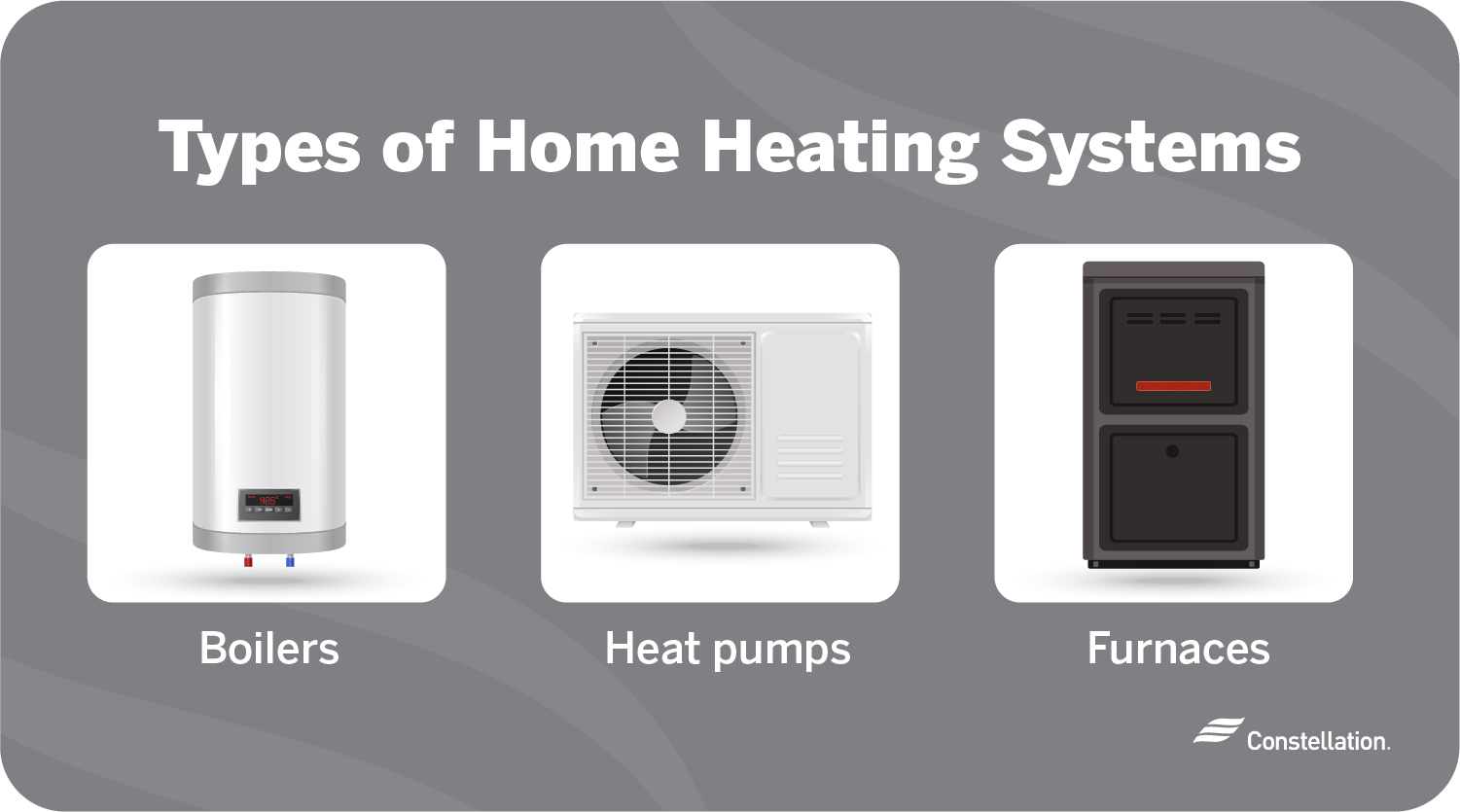
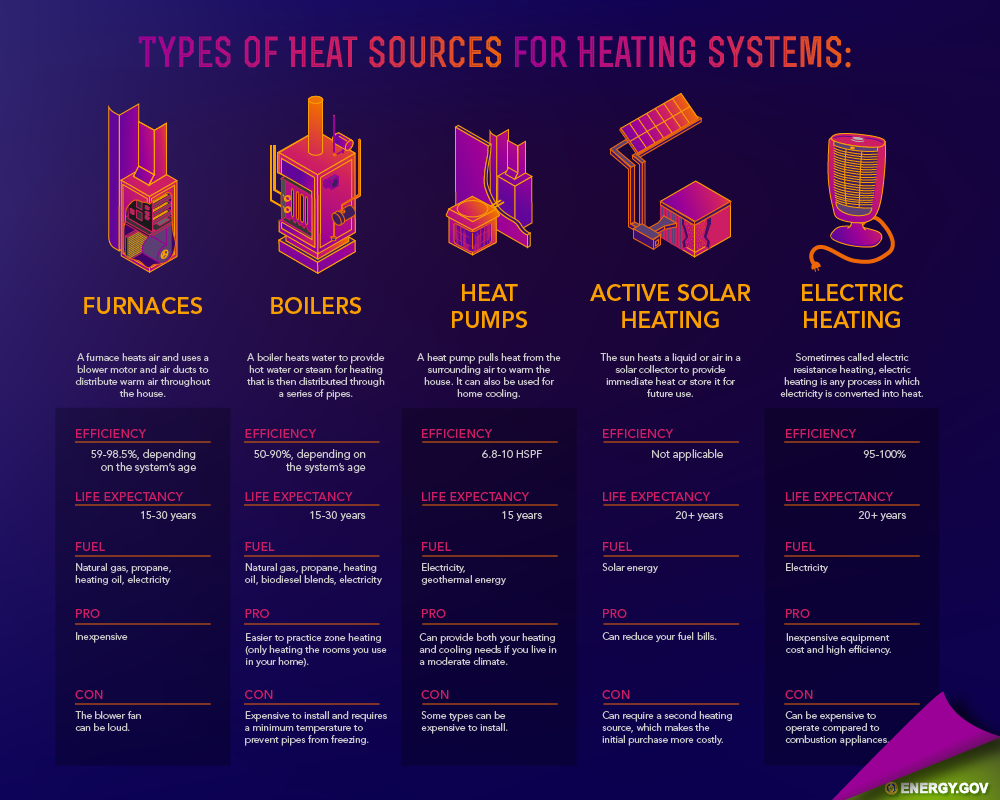
Furnaces remain a prevalent heating solution in many regions. They operate by burning fuel (natural gas, propane, or oil) to heat air, which is then distributed throughout the house via ductwork. Natural gas furnaces are particularly popular due to their relatively low operating costs. According to the U.S. Energy Information Administration (EIA), natural gas is often the most affordable heating fuel source. However, older furnaces can be less efficient, with annual fuel utilization efficiency (AFUE) ratings as low as 60%. Modern high-efficiency furnaces can achieve AFUE ratings of 90% or higher, significantly reducing energy consumption and costs.
Boilers, on the other hand, heat water or steam, which is then circulated through radiators or baseboard heaters. Boilers can utilize various fuel sources, including natural gas, oil, and electricity. While boilers are often perceived as a more efficient and comfortable heating solution, their installation and maintenance can be more complex than furnaces. Cast iron radiators, in particular, are known for providing even, radiant heat, but are also slow to respond to temperature changes.
Career Opportunities with Furnaces and Boilers
Working with furnaces and boilers offers a stable career path for HVAC technicians. Entry-level positions often involve assisting experienced technicians with installation, maintenance, and repair tasks. With experience and certifications, technicians can advance to more specialized roles, such as lead installer, service manager, or even business owner. The Bureau of Labor Statistics (BLS) projects a positive job outlook for HVAC mechanics and installers, with a projected growth rate of 6% from 2022 to 2032, about as fast as the average for all occupations. The median annual wage for HVAC mechanics and installers was $59,690 in May 2023.
Certifications are crucial for career advancement in this field. The North American Technician Excellence (NATE) certification is widely recognized and respected in the industry. NATE offers various certifications for different specialties, including gas heating, oil heating, and hydronics. Obtaining NATE certification demonstrates competency and professionalism, increasing earning potential and job opportunities. The EPA Section 608 certification is also required for technicians who handle refrigerants, including those used in some boiler systems. Additionally, many states and municipalities require HVAC technicians to be licensed.
Heat Pumps: A Modern Heating Solution
Heat pumps are gaining popularity as an energy-efficient alternative to traditional heating systems. Unlike furnaces and boilers, heat pumps don't generate heat; instead, they transfer heat from one location to another. In the winter, heat pumps extract heat from the outside air (or ground, in the case of geothermal heat pumps) and transfer it inside the house. In the summer, the process is reversed, providing cooling. Heat pumps are particularly effective in moderate climates where the temperature rarely drops below freezing for extended periods.
There are two main types of heat pumps: air-source and geothermal. Air-source heat pumps are the most common type, and they are relatively inexpensive to install. However, their efficiency can decrease significantly in very cold weather. Geothermal heat pumps, also known as ground-source heat pumps, utilize the stable temperature of the earth to provide heating and cooling. Geothermal systems are more expensive to install, but they are significantly more energy-efficient and can provide substantial savings over the long term. According to the EIA, geothermal heat pumps can reduce energy consumption by 30% to 60% compared to traditional heating and cooling systems.
Career Opportunities with Heat Pumps
The increasing adoption of heat pumps is creating new career opportunities for HVAC technicians. Technicians with expertise in heat pump installation, maintenance, and repair are in high demand. These jobs often involve specialized knowledge of refrigeration systems, electrical components, and control systems. Additionally, technicians who can troubleshoot complex heat pump problems are highly valued.
Specialized certifications, such as those offered by NATE in heat pumps, can significantly enhance career prospects in this area. Understanding the latest heat pump technologies, including variable-speed compressors and smart controls, is also essential for success. Many manufacturers offer training programs specifically for their heat pump products. For instance, Carrier University provides advanced training on their heat pump systems. These trainings often lead to specific manufacturer certifications.
Example Career Path: An HVAC technician starts their career by learning the fundamentals of HVAC systems, including refrigeration cycles and electrical circuits. After gaining experience with traditional heating systems, they pursue specialized training in heat pumps. They then obtain NATE certification in heat pumps and begin working on heat pump installations and repairs. Over time, they become a lead heat pump technician, specializing in troubleshooting complex heat pump problems and providing expert advice to customers.
Electric Resistance Heating: Space Heaters and Electric Furnaces
Electric resistance heating is a simple and direct method of heating. It involves passing electricity through a resistive element, which heats up and radiates heat. Electric resistance heating is commonly used in space heaters, baseboard heaters, and electric furnaces. While electric resistance heating is relatively inexpensive to install, it is typically the most expensive method of heating due to the high cost of electricity. The EIA estimates that electricity is often the most expensive heating fuel per BTU (British Thermal Unit).
Electric furnaces are similar to gas furnaces, but they use electric resistance coils to heat the air instead of burning fuel. Electric furnaces are generally less efficient than gas furnaces or heat pumps, but they can be a viable option in areas where natural gas is not available or where electricity rates are relatively low.
Career Opportunities with Electric Heating
Working with electric heating systems primarily involves electrical troubleshooting and repair. Technicians need to be proficient in diagnosing electrical problems, replacing faulty components, and ensuring the safety of electrical connections. While electric heating systems are relatively simple, they can pose significant safety risks if not properly installed and maintained.
Electrical certifications, such as those offered by the National Electrical Code (NEC), are highly valuable for technicians working with electric heating systems. Understanding electrical codes and safety regulations is crucial for preventing electrical hazards. Additionally, experience with electrical wiring, circuit breakers, and other electrical components is essential.
Other Heating Options: Radiant Heating and Solar Heating
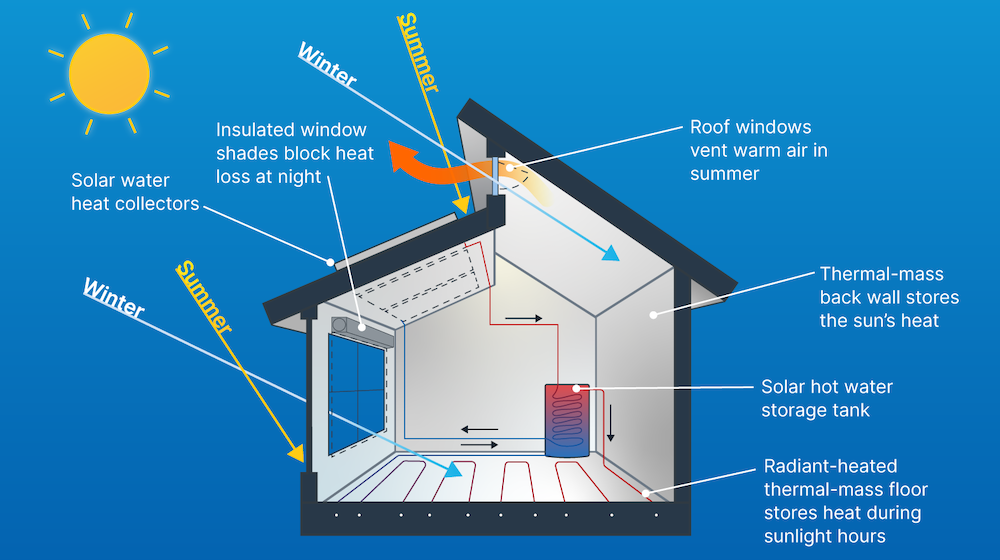
In addition to the main heating systems, there are also other less common but still viable options. Radiant heating involves heating surfaces, such as floors, walls, or ceilings, which then radiate heat into the room. Radiant heating can be very comfortable and energy-efficient, as it heats objects and people directly, rather than heating the air.
Solar heating utilizes solar panels to collect solar energy, which can then be used to heat water or air. Solar heating systems can be a sustainable and environmentally friendly option, but their effectiveness depends on the amount of sunlight available. Solar thermal systems, used for heating water, are more common than solar air heating systems. A solar water heater typically includes a solar collector (usually mounted on a roof) and a storage tank. The solar collector absorbs sunlight and uses it to heat water, which is then stored in the tank for later use.
Career Opportunities with Emerging Technologies
The growing interest in renewable energy and sustainable heating solutions is creating new career opportunities in areas such as solar heating and radiant heating. Technicians with expertise in these technologies are in high demand, particularly in regions with strong environmental regulations or incentives for renewable energy.
Certifications in renewable energy technologies, such as those offered by the North American Board of Certified Energy Practitioners (NABCEP), can significantly enhance career prospects in this area. Understanding the principles of solar energy, heat transfer, and building science is essential for success. The Building Performance Institute (BPI) also offers certifications related to building energy efficiency, which are valuable for technicians working with radiant heating and other energy-efficient heating systems.
Choosing the Right Heating System: Factors to Consider
When selecting a heating system for a home, several factors must be considered, including:
- Climate: The climate plays a significant role in determining the best heating system. Heat pumps are more effective in moderate climates, while furnaces may be more suitable for colder regions.
- Fuel Availability and Cost: The availability and cost of different fuel sources (natural gas, propane, oil, electricity) can vary significantly by region.
- Energy Efficiency: Choosing a high-efficiency heating system can significantly reduce energy consumption and costs.
- Installation Costs: The initial cost of installing a heating system can vary widely depending on the type of system and the complexity of the installation.
- Maintenance Costs: Different heating systems require different levels of maintenance. Some systems, such as boilers, may require more frequent maintenance than others.
For HVAC professionals, understanding these factors and providing expert advice to homeowners is a crucial part of their job. By staying up-to-date on the latest heating technologies and industry trends, HVAC technicians can help homeowners make informed decisions and choose the heating system that best meets their needs.
The HVAC industry offers a diverse and rewarding career path for those with the skills and knowledge to succeed. Whether working with traditional furnaces and boilers or embracing modern heat pump technology, HVAC professionals play a vital role in keeping homes comfortable and energy-efficient.