
Direct Vent Wall Furnace Natural Gas

Frequently Asked Questions: Direct Vent Wall Furnace (Natural Gas)
Direct vent wall furnaces offer a convenient and efficient way to heat specific rooms or zones in your home or building using natural gas. These furnaces are designed to vent directly to the outside, eliminating the need for a chimney. This FAQ aims to answer common questions about these heating systems.
Q1: What exactly is a direct vent natural gas wall furnace?
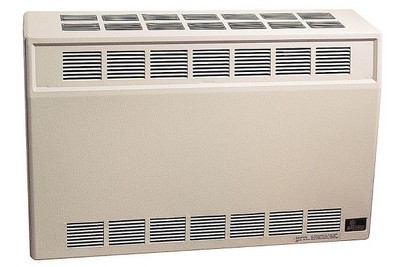
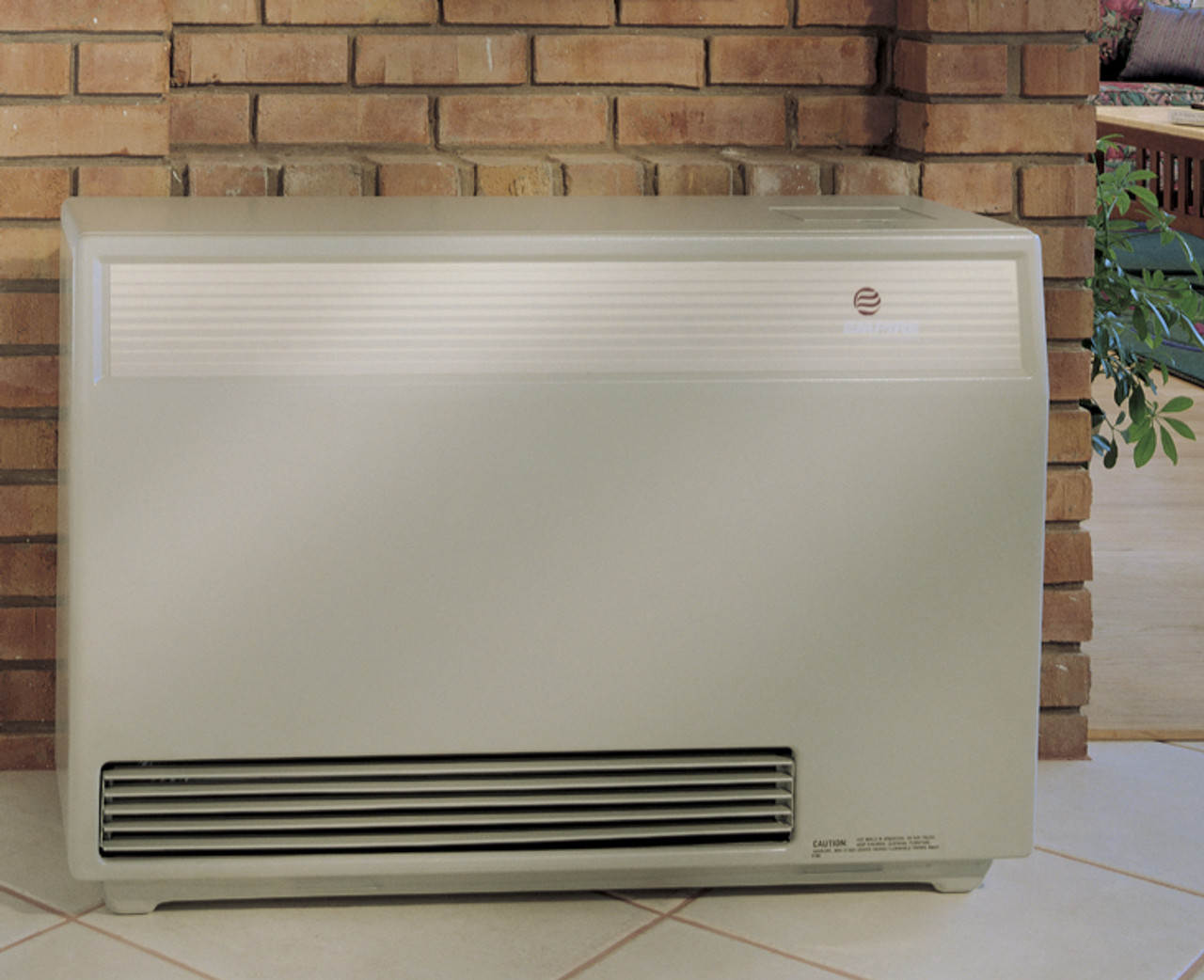
A direct vent natural gas wall furnace is a self-contained heating appliance that's mounted directly on a wall. Unlike traditional furnaces that rely on chimneys, these furnaces have a sealed combustion system. This means they draw air for combustion from outside and vent exhaust gases directly outside through a dedicated vent pipe, typically running horizontally through the wall. Because the combustion process is completely sealed, they offer enhanced safety and improved efficiency.
Q2: What are the benefits of using a direct vent wall furnace compared to other heating options?
Direct vent wall furnaces offer several advantages:
- Safety: The sealed combustion system prevents backdrafting of harmful combustion gases like carbon monoxide into your living space.
- Efficiency: They are generally more efficient than older, unvented gas heaters, as they don't waste energy heating air that escapes through a chimney. Newer models can have very high AFUE (Annual Fuel Utilization Efficiency) ratings.
- Zoned Heating: Ideal for heating specific rooms or zones, allowing you to avoid heating the entire house when only one area needs warmth. This can lead to significant energy savings.
- No Chimney Required: The direct vent system eliminates the need for a costly chimney, making installation easier and more affordable in many cases.
- Space-Saving: Wall-mounted design saves valuable floor space compared to traditional furnaces.
- Thermostat Control: Most models come with built-in thermostats for precise temperature control and comfort. Some also offer programmable thermostat options.
- Easy Installation: While professional installation is recommended, the process is generally less complex and less disruptive than installing a central heating system.
Q3: How does a direct vent wall furnace work?
The furnace operates using a relatively straightforward process:
- Gas Supply: The furnace is connected to your natural gas line.
- Air Intake: The furnace draws fresh air from outside through one section of the direct vent pipe.
- Combustion: Natural gas and air are mixed and ignited in a sealed combustion chamber.
- Heat Exchanger: The heat from the combustion process heats a heat exchanger.
- Air Circulation: A blower fan circulates air from the room across the heat exchanger, warming the air.
- Warm Air Distribution: The warmed air is then blown back into the room, providing heat.
- Exhaust Venting: Exhaust gases from the combustion process are vented directly outside through the other section of the direct vent pipe.
- Thermostat Regulation: The thermostat monitors the room temperature and regulates the furnace's operation, turning it on and off as needed to maintain the desired temperature.
The key element is the sealed combustion chamber and the direct vent system, which keeps combustion byproducts safely outside of your living space.
Q4: What are the installation requirements for a direct vent wall furnace?
Proper installation is crucial for safety and optimal performance. Here are some key requirements:
- Professional Installation: It's highly recommended to have a qualified HVAC technician install the furnace. They will ensure proper gas line connections, vent installation, and adherence to local codes.
- Gas Line: A gas line with sufficient capacity must be available near the installation location. The technician will connect the furnace to the gas line.
- Venting: The direct vent pipe must be properly installed to vent exhaust gases safely outside. This typically involves drilling a hole through the wall. The vent pipe must meet specific clearance requirements from windows, doors, and other openings. The venting system must be installed per manufacturer’s specifications.
- Wall Mounting: The wall must be strong enough to support the weight of the furnace. The furnace is securely mounted to the wall using appropriate hardware.
- Clearances: Ensure adequate clearances around the furnace for proper airflow and safe operation. Check the manufacturer's instructions for specific clearance requirements.
- Electrical Connection: Some models require an electrical connection for the blower fan and thermostat.
- Permits and Inspections: Check with your local building department to determine if permits and inspections are required for the installation.
Q5: How do I choose the right size direct vent wall furnace for my room or space?
Choosing the right size furnace is essential for efficient and comfortable heating. An undersized furnace will struggle to heat the room, while an oversized furnace can lead to short cycling (frequent on-off cycles), which wastes energy and can shorten the furnace's lifespan. The correct size is determined by the BTU (British Thermal Unit) output of the furnace. Here's how to estimate the BTU requirement:
- Calculate the Room's Square Footage: Multiply the length and width of the room.
- Determine the BTU Factor: This factor depends on your climate and the insulation level of the room. In colder climates or poorly insulated rooms, you'll need a higher BTU factor. A general guideline is:
- Mild Climates/Well-Insulated Rooms: 20-30 BTU per square foot
- Moderate Climates/Average Insulation: 30-40 BTU per square foot
- Cold Climates/Poorly Insulated Rooms: 40-50 BTU per square foot
- Calculate the Required BTU: Multiply the room's square footage by the appropriate BTU factor. For example, a 200 square foot room in a moderate climate with average insulation would require approximately 6,000-8,000 BTU (200 sq ft x 30-40 BTU/sq ft).
- Consider Other Factors: Account for factors such as the number of windows, the height of the ceilings, and the amount of insulation. Rooms with more windows, higher ceilings, or less insulation will require a larger furnace.
- Consult with a Professional: It's always best to consult with an HVAC professional to get an accurate BTU calculation and ensure you choose the right size furnace for your needs. They can conduct a heat loss calculation to determine the precise heating requirements for your space.
Q6: What safety precautions should I take with a direct vent natural gas wall furnace?
Safety is paramount when dealing with any gas-burning appliance. Here are some important precautions:
- Carbon Monoxide Detectors: Install carbon monoxide (CO) detectors on every level of your home, especially near sleeping areas. Test the detectors regularly to ensure they are functioning properly.
- Regular Maintenance: Schedule annual maintenance by a qualified HVAC technician to inspect and clean the furnace. This includes checking the vent system for obstructions, inspecting the burner and heat exchanger, and testing the gas pressure.
- Vent Inspection: Regularly inspect the outside vent terminal to ensure it's clear of snow, ice, leaves, or other debris. Obstructions can prevent proper venting and lead to carbon monoxide buildup.
- Flammable Materials: Keep flammable materials such as curtains, furniture, and clothing away from the furnace. Maintain the recommended clearances around the furnace.
- Proper Ventilation: While the furnace is a sealed combustion unit, ensure adequate ventilation in the room.
- Never Block the Vents: Do not block or cover the air intake or exhaust vents.
- Smell of Gas: If you smell gas, immediately evacuate the building and call your gas company or fire department from a safe location.
- Follow Manufacturer's Instructions: Always follow the manufacturer's instructions for operation and maintenance.
Q7: How much does a direct vent natural gas wall furnace cost, including installation?
The cost of a direct vent natural gas wall furnace can vary depending on several factors:
- BTU Output: Higher BTU output furnaces generally cost more.
- Efficiency Rating (AFUE): More efficient models with higher AFUE ratings tend to have a higher upfront cost but can save you money on energy bills over time.
- Features: Features like programmable thermostats, multi-stage burners, and remote controls can increase the price.
- Brand: Well-known and reputable brands often command a higher price.
- Installation Costs: Installation costs can vary depending on the complexity of the installation, the location of the gas line, and local labor rates.
Estimated Costs:
- Furnace Price: Expect to pay anywhere from $500 to $2000 or more for the furnace itself.
- Installation Costs: Installation can range from $300 to $1000 or more, depending on the complexity.
- Total Cost: The total cost, including the furnace and installation, can range from $800 to $3000 or more.
Recommendation: Get quotes from multiple HVAC contractors to compare prices and ensure you are getting a fair deal. Ask for a detailed breakdown of the costs, including the price of the furnace, installation fees, and any additional charges. Consider the long-term cost of ownership, including energy savings from a more efficient model. Investing in a quality furnace and professional installation will ensure safety, efficiency, and long-term reliability.




.png)