Directional Bore Vs Jack And Bore
When installing underground utilities, choosing the right method is crucial for efficiency, cost-effectiveness, and minimal environmental disruption. Two common techniques are directional boring (also known as horizontal directional drilling or HDD) and jack and bore (also known as pipe jacking or auger boring). While both achieve the same basic goal – installing pipes or conduits underground – they differ significantly in their methods, applications, and suitability for various soil conditions and project requirements. Understanding these differences is key to selecting the optimal solution for your specific needs.
Understanding the Core Differences
At their core, the two methods differ in how they create the underground passage and how the pipe is installed:
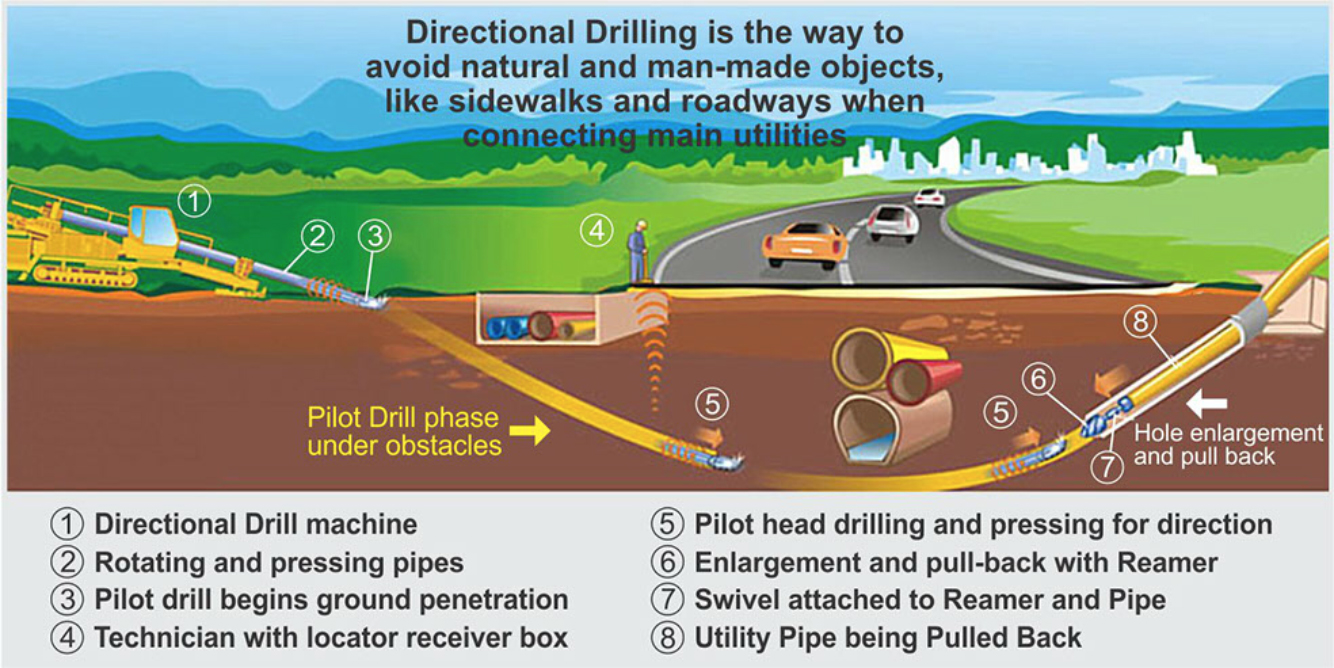
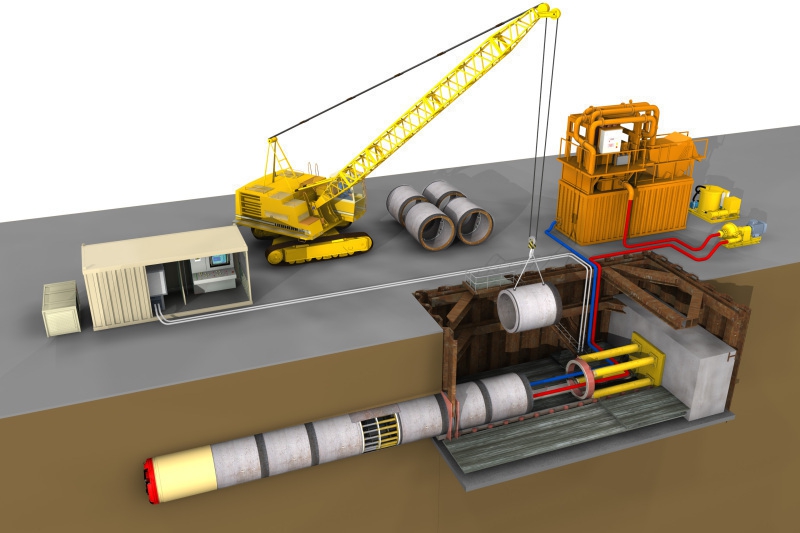
* Directional Boring (HDD): This is a trenchless method that uses a steerable drilling system to create a pilot bore along a planned trajectory. The bore is then widened, and the utility line (pipe, conduit, etc.) is pulled back through the enlarged hole. * Jack and Bore: This method, also trenchless, involves simultaneously excavating the soil and pushing the casing (the outer pipe) through the ground using powerful hydraulic jacks. The soil inside the casing is then removed.A Simple Analogy
Think of directional boring as threading a needle. You create a path (the pilot bore), and then you pull the thread (the utility line) through that path. Jack and bore, on the other hand, is more like pushing a straw through a block of clay. You're using brute force to create the space as you advance the straw (the casing).
Directional Boring (HDD) in Detail
Directional boring has revolutionized underground utility installation, offering a flexible and less disruptive alternative to traditional open-cut trenching. Here’s a closer look:
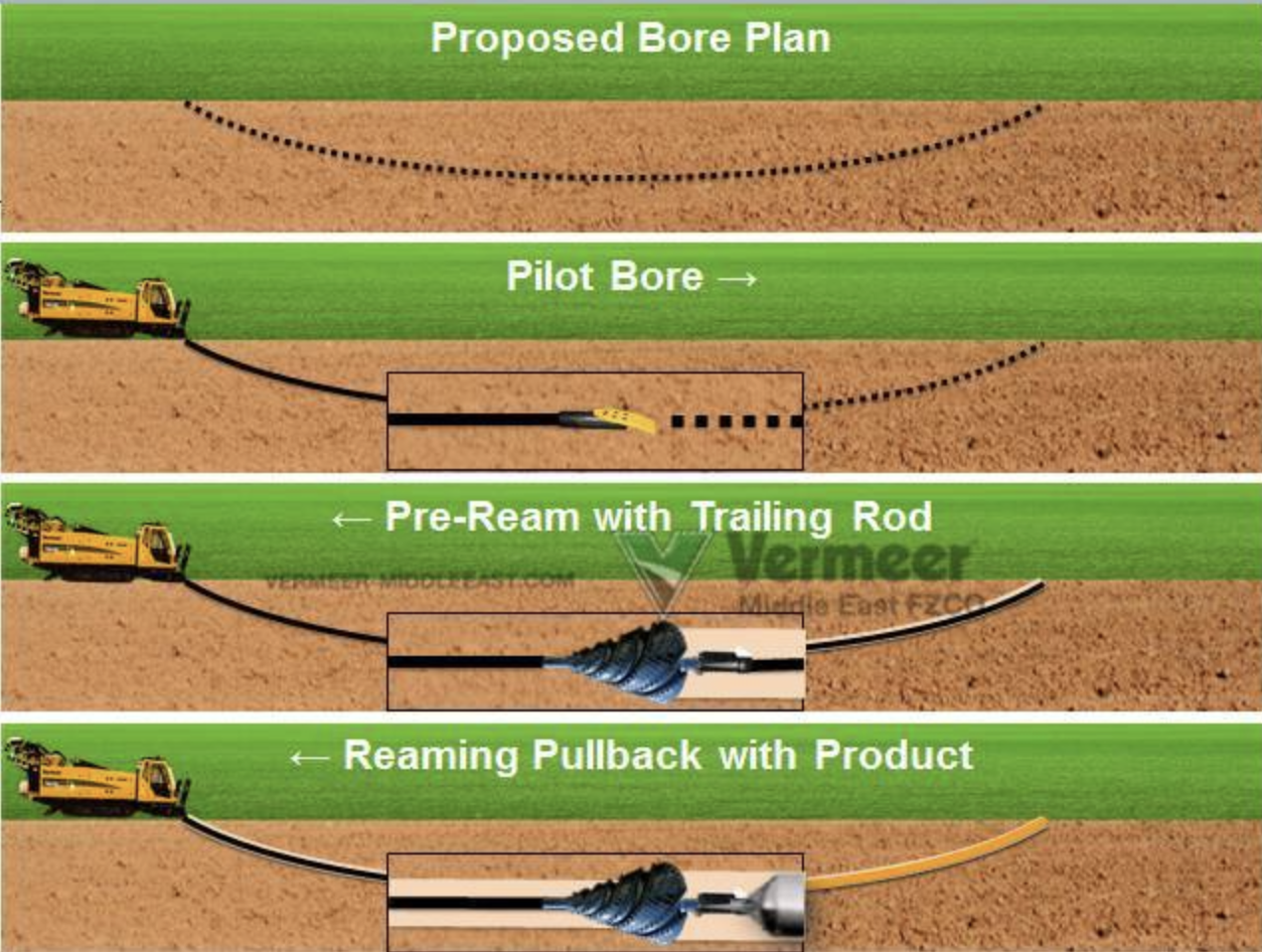
The Process
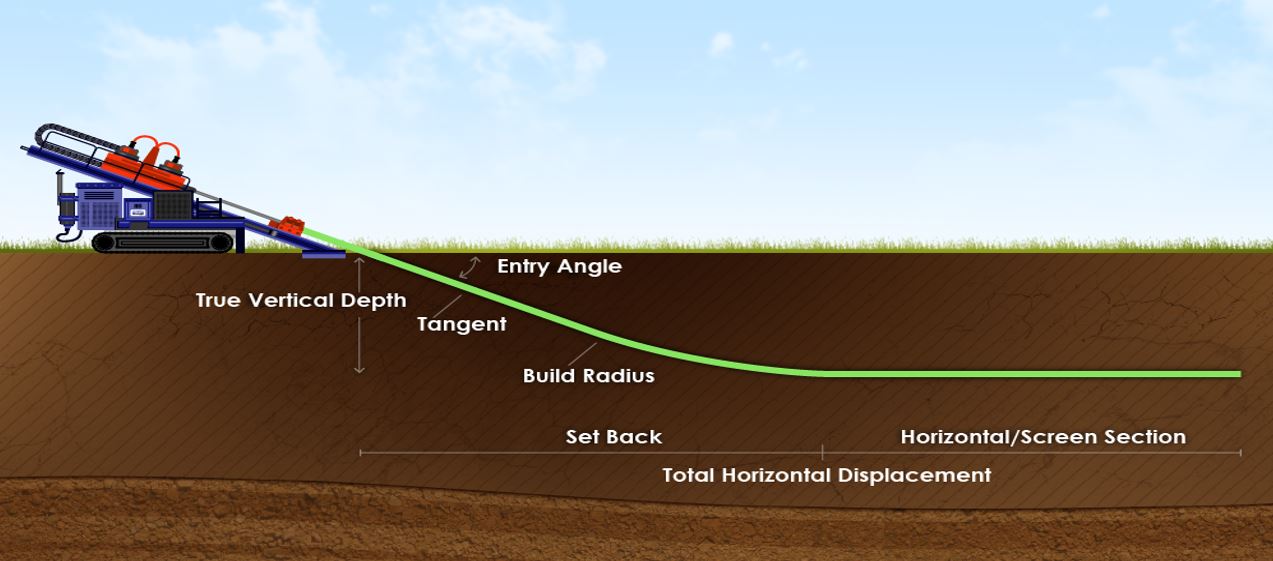
- Pilot Bore: A drilling rig equipped with a steerable drill head creates a small-diameter pilot bore along the desired path. The drill head is guided by an operator using sophisticated tracking technology.
- Reaming (Back Reaming): Once the pilot bore is complete, a reaming tool is attached to the drill string and pulled back through the bore. This enlarges the bore to the required diameter for the utility line. Multiple reaming passes may be necessary for larger diameters.
- Pullback: The utility line (pre-welded or fused into a continuous length) is then attached to the reaming tool and pulled back through the enlarged bore.
Advantages of Directional Boring
* Steerability: HDD allows for precise steering around obstacles like existing utilities, waterways, and environmentally sensitive areas. This is a major advantage over other methods. * Longer Distances: Directional boring can cover significantly longer distances than jack and bore, often exceeding several thousand feet in a single bore. * Less Surface Disruption: Because it's a trenchless method, HDD minimizes surface excavation and disruption to traffic, landscaping, and daily life. * Versatility: Suitable for a wide range of soil types, although very rocky or unstable soils can pose challenges. * Cost-Effective for Longer Runs: While the initial setup cost can be higher, HDD often becomes more cost-effective for longer distances due to reduced excavation and restoration expenses.Disadvantages of Directional Boring
* Soil Conditions: Very rocky or unstable soils (e.g., loose sand, gravel) can make steering and maintaining bore stability difficult. Soil investigation is crucial. * Frac-Out Risk: The drilling fluid (a mixture of water and bentonite clay) used to lubricate and stabilize the bore can sometimes escape to the surface, causing a "frac-out." Proper drilling practices and monitoring are essential to prevent this. * Skilled Operators Required: HDD requires highly skilled operators with experience in directional drilling and tracking technology. * Setup Time: Setting up the drilling rig and preparing the bore path can take time, especially for complex projects.Jack and Bore in Detail
Jack and bore is a robust and reliable method, particularly well-suited for installing large-diameter pipes under roadways, railways, and other critical infrastructure. It's a more direct approach compared to directional boring.
The Process
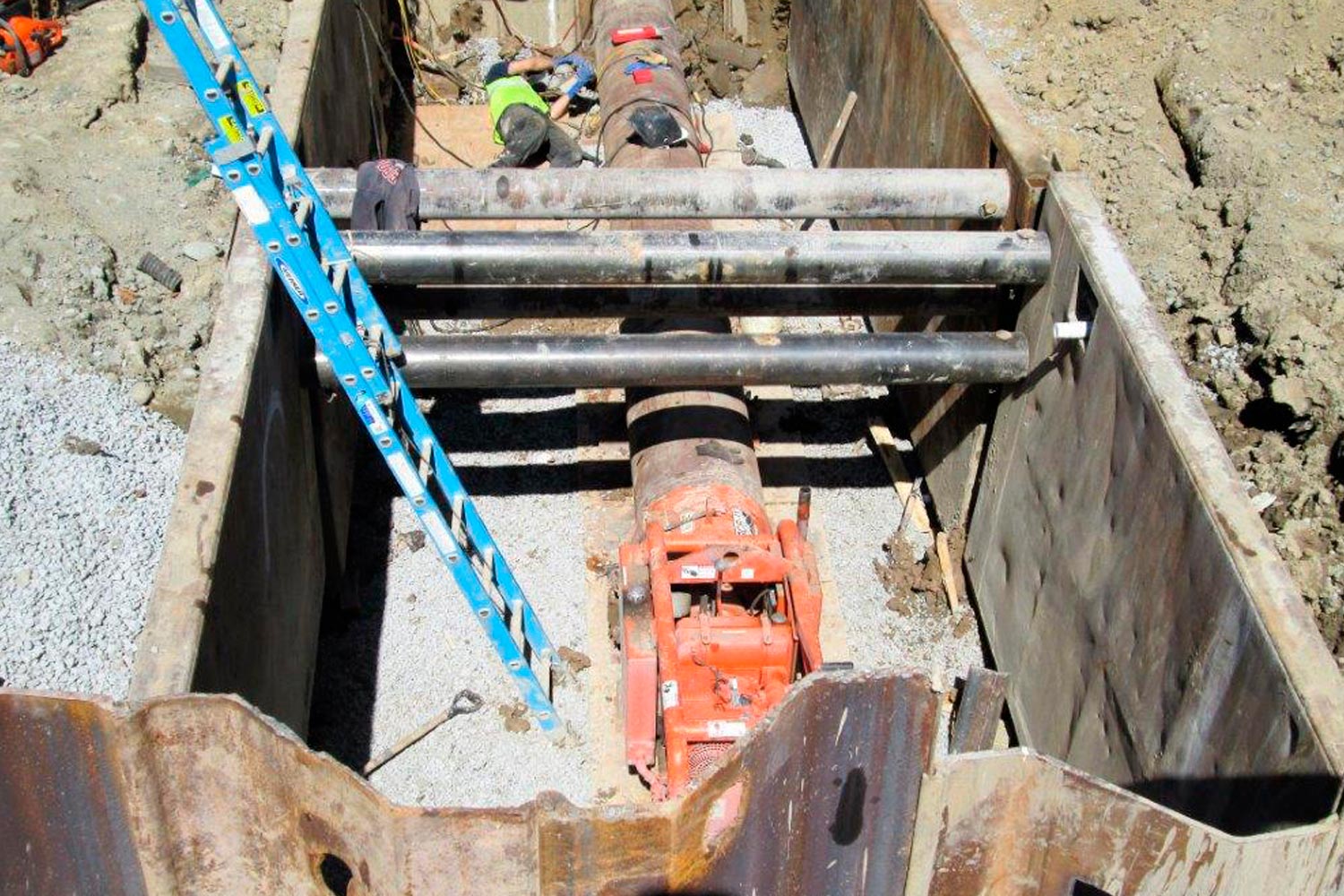
- Excavation: A launch pit is excavated on one side of the obstacle and a receiving pit on the other.
- Jacking Frame Setup: A jacking frame equipped with powerful hydraulic jacks is set up in the launch pit.
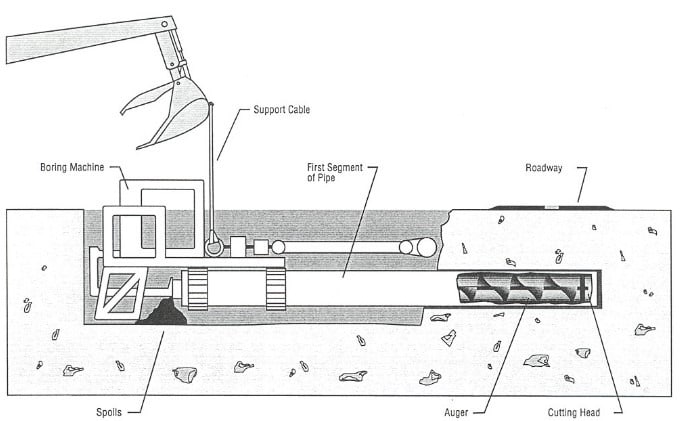
- Boring and Jacking: A boring machine (often an auger boring machine) is used to excavate the soil at the face of the bore. Simultaneously, the hydraulic jacks push the casing pipe (typically steel) through the ground.
- Soil Removal: The excavated soil is removed from inside the casing pipe, often using an auger system.
- Pipe Sections: The casing pipe is installed in sections, which are welded together as the jacking process progresses.
Advantages of Jack and Bore
* High Accuracy: Jack and bore offers very high accuracy in terms of line and grade, making it ideal for projects where precise pipe alignment is critical. * Suitable for Large Diameters: This method is particularly well-suited for installing large-diameter pipes (e.g., sewer lines, water mains) where HDD may be impractical or too costly. * Good in Unstable Soils: Because the casing pipe is advanced simultaneously with excavation, jack and bore can be effective in unstable soil conditions that might challenge HDD. * Controlled Excavation: The excavation process is highly controlled, minimizing the risk of ground settlement or collapse. * Proven Technology: Jack and bore is a well-established and reliable technology with a long track record of successful installations.Disadvantages of Jack and Bore
* Limited Distance: Jack and bore is typically limited to shorter distances compared to HDD, typically a few hundred feet at most. * Requires Pits: The need for launch and receiving pits can require significant excavation and potentially disrupt surface traffic or landscaping. * Less Steerable: Jack and bore offers limited steering capabilities, making it less suitable for projects with complex underground obstacles. * Slower Installation: The installation process can be slower than HDD, especially for long runs. * Higher Cost for Shorter Runs: For shorter runs, the cost of excavating the pits and setting up the jacking frame can make jack and bore more expensive than HDD.Key Factors in Choosing the Right Method
Selecting between directional boring and jack and bore depends on a variety of factors specific to your project. Here’s a checklist to guide your decision:
* Project Length: For longer distances, HDD is generally the preferred option. Jack and bore is better suited for shorter crossings. * Pipe Diameter: Large-diameter pipes often favor jack and bore, while HDD can handle a wider range of diameters, especially smaller ones. * Soil Conditions: Invest in thorough soil testing. HDD can be challenging in very rocky or unstable soils, while jack and bore can be more effective. * Accuracy Requirements: If precise pipe alignment is critical, jack and bore is the superior choice. * Obstacles: If there are numerous underground obstacles or the need to navigate around sensitive areas, HDD's steerability is a significant advantage. * Surface Disruption: Consider the impact on traffic, landscaping, and the environment. HDD generally minimizes surface disruption compared to jack and bore, but both are trenchless methods compared to open-cut. * Budget: Obtain detailed cost estimates for both methods, taking into account excavation, materials, labor, and equipment. HDD can be more cost-effective for longer runs, while jack and bore may be more economical for shorter crossings. * Access: Assess the accessibility of the site for equipment and materials. The size and type of equipment needed to facilitate each method needs to be considered during site visits. * Environmental Concerns: Evaluate the potential environmental impacts of each method, including noise, dust, and the risk of frac-outs (HDD).When to Use Which Method
To summarize, here's a quick guide:
* Choose Directional Boring (HDD) When: * You need to install utilities over long distances. * You need to steer around existing utilities or other obstacles. * Minimizing surface disruption is a priority. * Soil conditions are generally stable. * Installing multiple lines or cables in one pull. * Choose Jack and Bore When: * You need to install large-diameter pipes. * High accuracy in pipe alignment is critical. * Soil conditions are unstable or rocky. * The installation distance is relatively short. * You require extreme structural integrity of the installed carrier pipe.Conclusion
Both directional boring and jack and bore are valuable trenchless technologies for underground utility installation. By carefully evaluating the factors outlined above and consulting with experienced contractors, you can make an informed decision and choose the method that best meets the specific requirements of your project. Remember to conduct thorough site investigations, obtain accurate cost estimates, and prioritize safety throughout the planning and execution phases. Making the right choice will ensure a successful, efficient, and cost-effective installation.