Diy Ventless Gas Fireplace
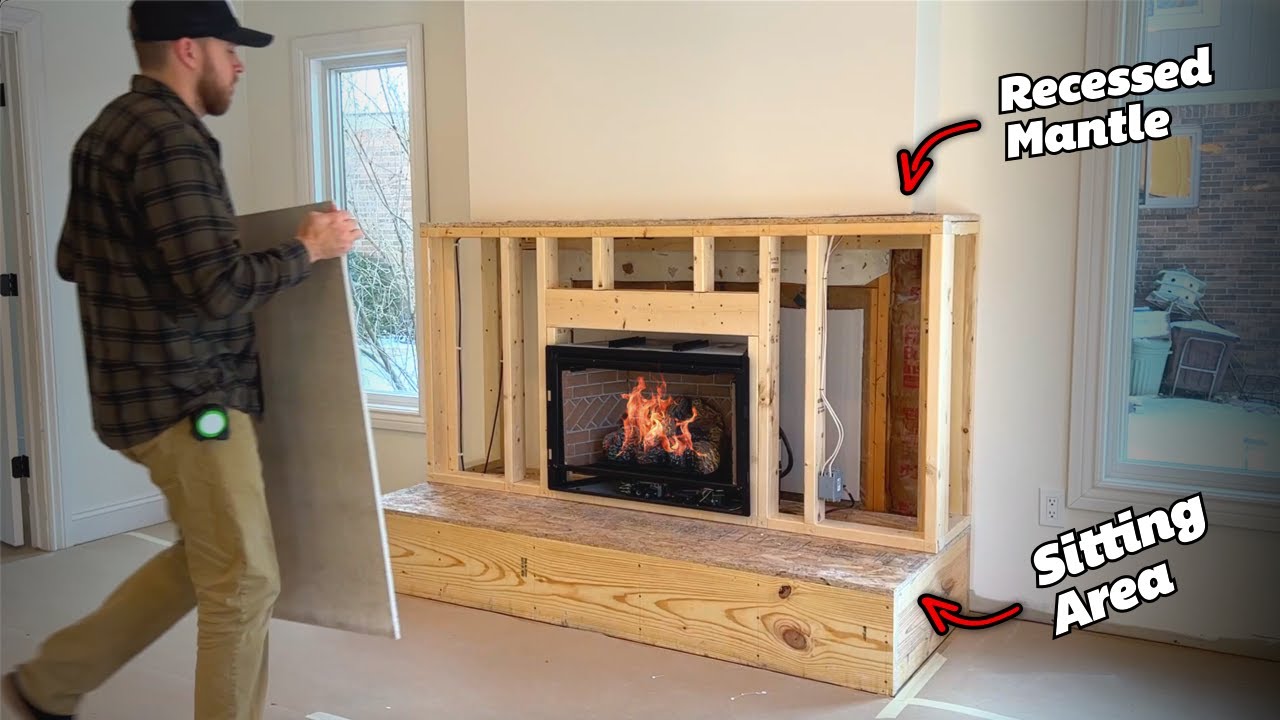
Ventless gas fireplaces, also known as vent-free gas fireplaces, present an interesting option for supplemental heating in homes and businesses. Unlike traditional fireplaces that require a chimney to vent combustion byproducts, ventless models burn gas (natural gas or propane) so cleanly that they are certified for indoor use without external venting. This offers flexibility in installation and potentially lower upfront costs. However, it's crucial to understand their operation, safety considerations, efficiency, and integration possibilities to make an informed decision.
Understanding Ventless Gas Fireplace Technology
At the heart of a ventless gas fireplace is a specialized burner system designed for nearly complete combustion. This means burning almost all the fuel, minimizing the production of carbon monoxide (CO), nitrogen dioxide (NO2), and unburned hydrocarbons. These fireplaces typically feature an Oxygen Depletion Sensor (ODS). The ODS is a critical safety feature that continuously monitors oxygen levels in the room. If oxygen levels drop below a safe threshold (typically around 18%), the ODS automatically shuts off the gas supply, preventing the fireplace from releasing harmful levels of CO. This is essential for preventing carbon monoxide poisoning.
Ventless fireplaces come in a variety of styles, including freestanding units, inserts that fit into existing fireplace openings, and wall-mounted models. They are rated in British Thermal Units (BTUs), which indicates their heating capacity. Common BTU ratings range from 10,000 to 40,000 BTUs. Choosing the right BTU rating for your space is crucial; an oversized unit can lead to discomfort and wasted energy, while an undersized unit may not provide adequate heating.
Fuel options include natural gas and propane. Natural gas is generally less expensive if you already have a natural gas line to your home. Propane requires a separate tank, which can add to the overall cost and necessitate refills. Consider the long-term fuel costs and convenience when making your choice. Ensure proper gas line installation by a qualified professional, regardless of the fuel source.
Energy Efficiency and Cost Savings
Ventless gas fireplaces boast high efficiency ratings, often exceeding 99%. This means that virtually all the heat produced by the combustion process is released into the room, rather than escaping through a chimney. While this sounds impressive, it’s important to understand that this efficiency doesn’t automatically translate into lower energy bills compared to other heating options. The total cost effectiveness depends on several factors:
- Fuel Costs: Compare the cost per BTU of natural gas or propane in your area to the cost of electricity for electric heaters or heat pumps.
- Usage Patterns: Ventless fireplaces are best suited for supplemental heating, warming a specific area rather than heating the entire house. If you use it to heat a small zone, and turn down the central heating system, you'll see the most benefit.
- Home Insulation: A well-insulated home will retain heat more effectively, reducing the amount of energy needed to maintain a comfortable temperature.
- Thermostat Management: Careful use of a thermostat in conjunction with the ventless fireplace can optimize energy savings.
To maximize energy savings, consider these tips:
- Zone Heating: Use the ventless fireplace to heat the room you're currently occupying and lower the thermostat for the rest of the house.
- Smart Thermostat Integration: Some ventless fireplaces can be integrated with smart thermostats, allowing for precise temperature control and scheduling.
- Regular Maintenance: Keep the burner clean and free of debris to ensure efficient combustion.
It's also important to note that while ventless fireplaces are efficient, they do produce moisture as a byproduct of combustion. Excessive moisture can lead to mold growth and other problems. Ensure adequate ventilation in the room to prevent moisture buildup.
Safety Considerations and Regulations
While ventless gas fireplaces are designed with safety features, it is paramount to prioritize safety when installing and operating them. Key safety considerations include:
- Proper Installation: Installation should be performed by a qualified technician, adhering to local building codes and manufacturer instructions. Incorrect installation can compromise safety and void warranties.
- Carbon Monoxide Detectors: Install carbon monoxide detectors on every level of your home, especially near sleeping areas. Test the detectors regularly to ensure they are functioning properly.
- Ventilation: While the fireplace is ventless, adequate ventilation is still essential. Ensure the room is not airtight and that there is sufficient airflow to prevent moisture buildup and maintain oxygen levels. Open a window slightly if necessary.
- Manufacturer Guidelines: Strictly adhere to the manufacturer's guidelines for operation, maintenance, and fuel type.
- Local Regulations: Check with your local building department to determine if ventless gas fireplaces are permitted in your area. Some jurisdictions have restrictions or outright bans due to safety concerns.
The Consumer Product Safety Commission (CPSC) provides valuable information and safety guidelines for ventless gas fireplaces. Always consult the CPSC website for the latest safety recommendations. Regular inspection and maintenance of your unit by a qualified HVAC technician can help ensure its safe and efficient operation.
Smart Home Integration for Enhanced Control and Efficiency
Integrating your ventless gas fireplace with a smart home system can unlock new levels of control, convenience, and energy savings. Many modern ventless fireplaces are compatible with smart thermostats, allowing you to adjust the temperature remotely, set schedules, and even receive alerts if there's a problem. This integration can be achieved through various protocols, including:
- Wi-Fi: Some fireplaces have built-in Wi-Fi connectivity, allowing them to connect directly to your home network and be controlled through a smartphone app or voice assistant.
- Zigbee/Z-Wave: These wireless protocols are commonly used for smart home devices. A compatible hub is required to connect the fireplace to your smart home system.
- Smart Thermostat Compatibility: Many smart thermostats, like Nest and Ecobee, offer compatibility with gas fireplaces. This allows you to control the fireplace alongside your central heating system, optimizing energy usage and comfort.
Benefits of smart home integration include:
- Remote Control: Adjust the temperature or turn the fireplace on/off from anywhere using your smartphone or tablet.
- Scheduling: Set schedules to automatically turn the fireplace on or off at specific times, ensuring that the room is warm when you need it and saving energy when you don't.
- Voice Control: Use voice assistants like Amazon Alexa or Google Assistant to control the fireplace with simple voice commands.
- Energy Monitoring: Some smart home systems provide energy monitoring capabilities, allowing you to track your energy usage and identify areas where you can save money.
Choosing the Right Ventless Gas Fireplace
Selecting the appropriate ventless gas fireplace involves considering several key factors to ensure both safety and efficiency:
- BTU Rating: Match the BTU rating to the size of the room you intend to heat. A general rule of thumb is to use 30-40 BTUs per square foot.
- Fuel Type: Choose between natural gas and propane based on availability, cost, and convenience.
- Safety Features: Ensure the fireplace has a reliable ODS and meets relevant safety standards. Look for models certified by recognized testing laboratories like CSA or UL.
- Aesthetics: Select a style that complements your home décor. Options include freestanding, insert, and wall-mounted models.
- Smart Home Compatibility: If you plan to integrate the fireplace with a smart home system, verify compatibility with your existing devices and protocols.
- Warranty: Check the warranty offered by the manufacturer, as this can provide peace of mind in case of defects or malfunctions.
Rebates and Incentives
While rebates specifically for ventless gas fireplaces are less common than those for high-efficiency furnaces or heat pumps, it's always worth checking with your local utility company and state energy office for available incentives. Some utility companies may offer rebates for energy-efficient appliances, even if the fireplace itself doesn't qualify for a specific rebate program. Additionally, certain state or federal tax credits for energy-efficient home improvements may apply, depending on the specific features and installation. Consult with a tax professional or energy advisor for personalized guidance.
Conclusion
Ventless gas fireplaces offer a convenient and efficient way to provide supplemental heating to your home or business. Their high efficiency ratings, ease of installation, and various style options make them an attractive alternative to traditional fireplaces. However, it's crucial to prioritize safety by adhering to manufacturer guidelines, ensuring proper installation, and installing carbon monoxide detectors. Smart home integration can further enhance control, convenience, and energy savings. By carefully considering these factors, you can determine if a ventless gas fireplace is the right choice for your heating needs and maximize its benefits while minimizing potential risks. Remember to factor in local regulations and seek professional advice before making a purchase or installation.