Do Ac Units Have A Reset Button

Imagine this: It's a sweltering summer day, and your air conditioner suddenly stops blowing cold air. Panic sets in as the indoor temperature starts to rise. Before calling for professional help, there are a few simple checks you can perform to potentially resolve the issue yourself. This article focuses on whether your AC unit has a reset button and guides you through basic troubleshooting steps. Remember, safety is paramount. If at any point you feel uncomfortable or unsure, always call a qualified HVAC technician.
Understanding AC Unit Components
To effectively troubleshoot your AC, it's helpful to understand its basic components:
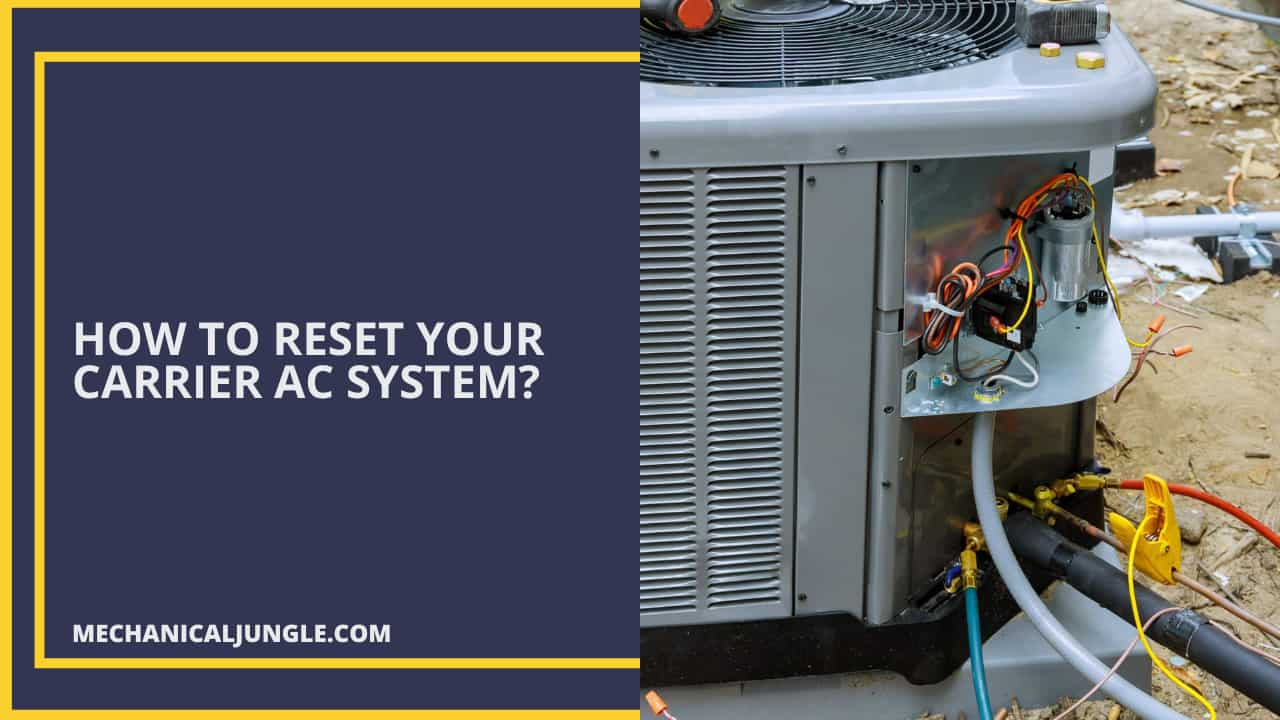
- Outdoor Unit (Condenser): This houses the compressor, condenser coil, and fan. It releases heat from your home.
- Indoor Unit (Evaporator): This contains the evaporator coil and blower fan. It absorbs heat from your home and circulates cool air.
- Thermostat: This controls the temperature and operation of the AC unit.
- Refrigerant Lines: These carry refrigerant between the indoor and outdoor units.
Do AC Units Have a Reset Button? The Truth Explained
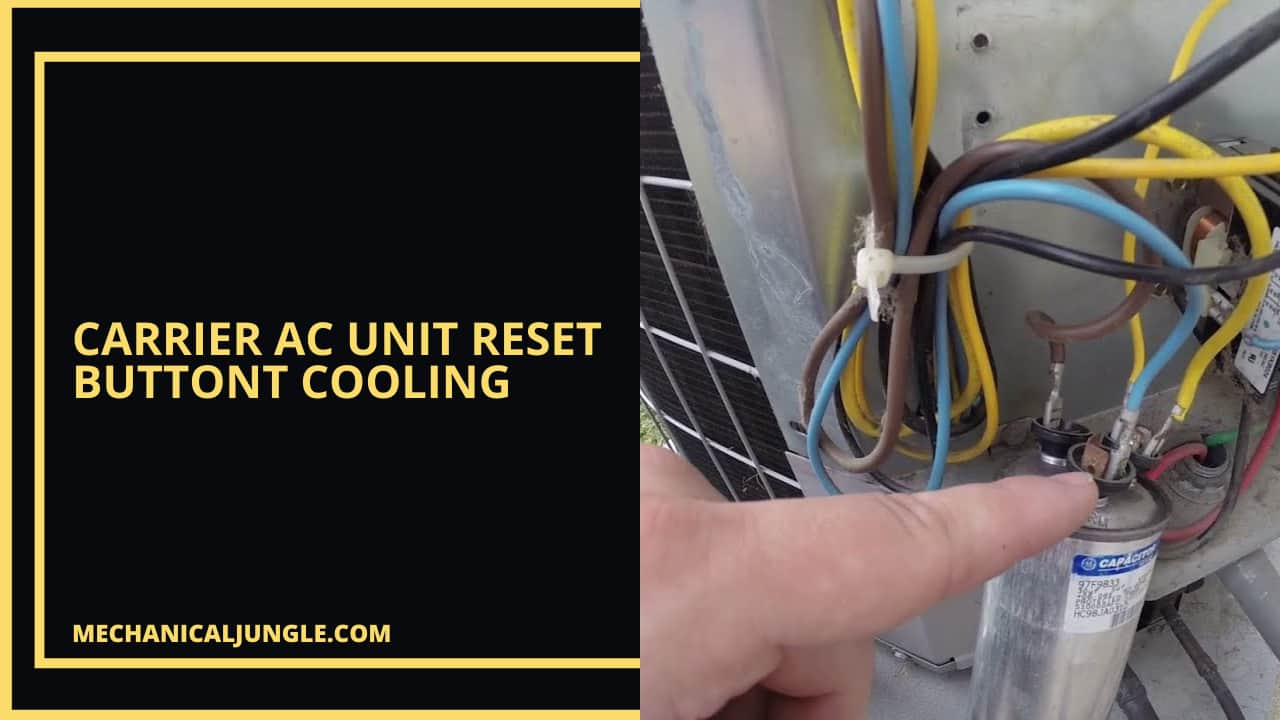
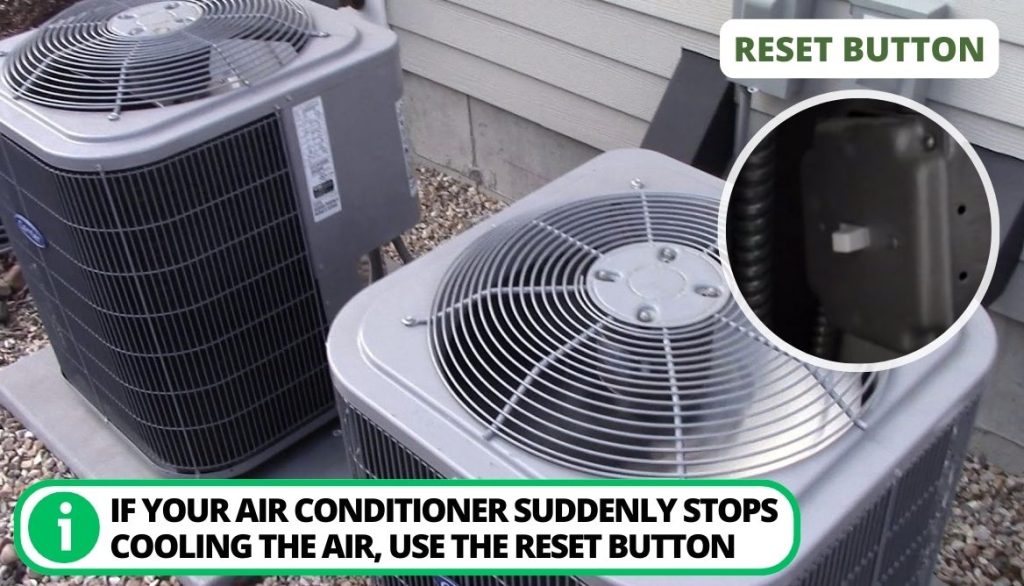
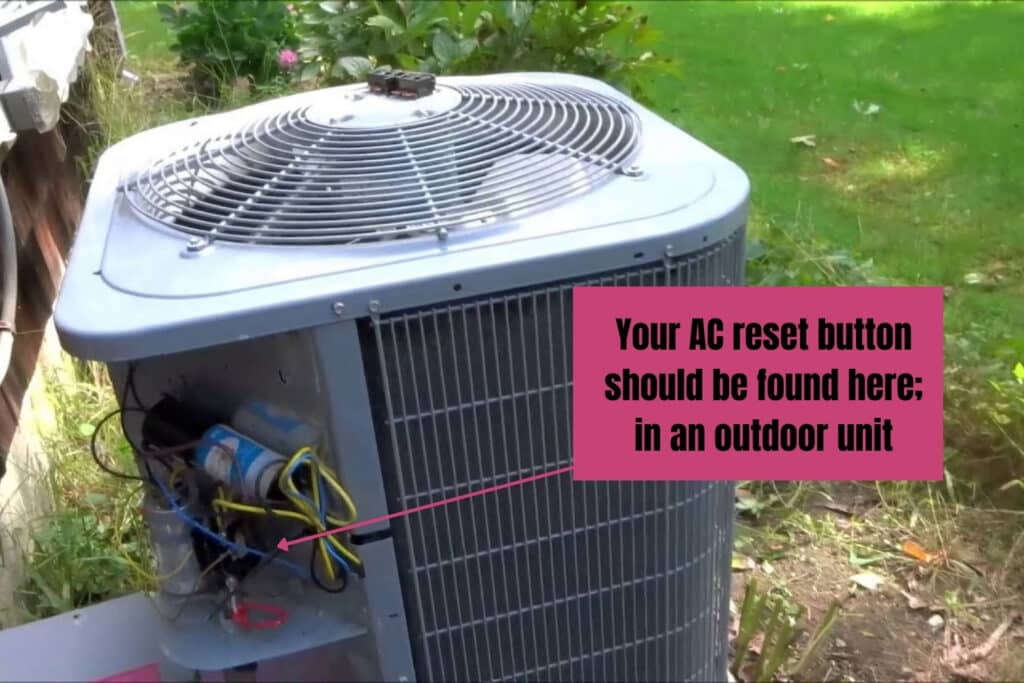
The short answer is: it depends. Some window AC units and portable AC units have a reset button, usually located on the control panel. However, central AC units rarely have an obvious, external reset button like you might find on a surge protector. So, what do you do if your central AC isn't working? The following troubleshooting steps will help you determine the problem and if you can safely fix it.
Troubleshooting Your AC Unit: A Step-by-Step Guide
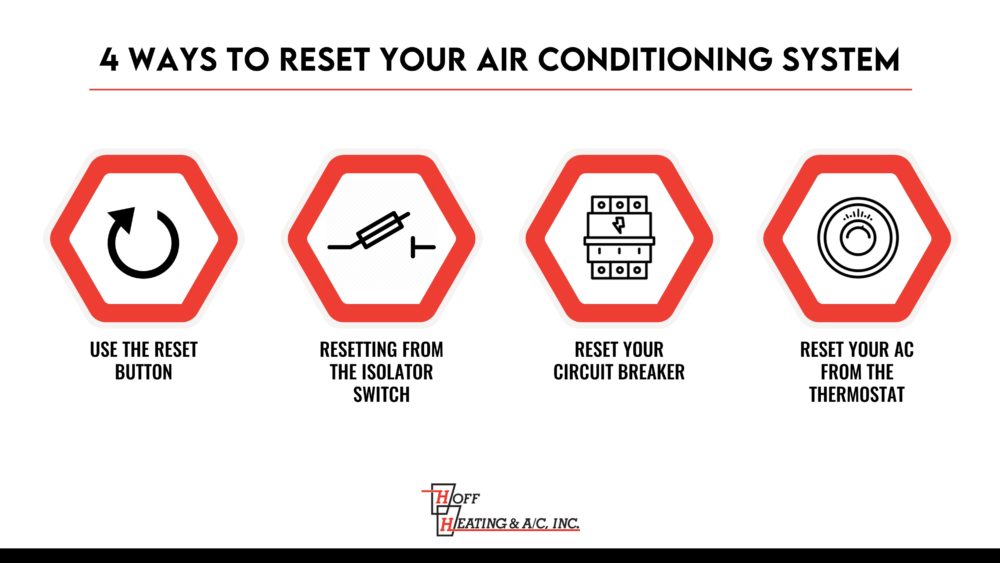
1. Check the Thermostat
This is the most common and often overlooked cause of AC problems.
- Ensure the Thermostat is On and Set to "Cool": Sounds obvious, but double-check! Someone might have accidentally changed the settings.
- Check the Temperature Setting: Make sure the desired temperature is lower than the current room temperature.
- Verify the Fan Setting: The fan should be set to "Auto" or "On," not just "Off." If set to "On," the fan will run constantly, but the compressor might not be engaging if the temperature isn't calling for cooling.
- Check the Batteries: If your thermostat is battery-powered, replace the batteries. Low batteries can cause erratic behavior.
2. Inspect the Power Supply
A lack of power is another common culprit.
- Check the Circuit Breaker: Locate the circuit breaker that controls your AC unit (usually labeled). If it's tripped (in the "Off" or middle position), reset it by flipping it fully to the "Off" position and then back to the "On" position. Important: If the breaker trips again immediately, do not keep resetting it. This indicates a more serious electrical problem that requires professional attention.
- Check the Disconnect Switch: Most outdoor AC units have a disconnect switch (usually a metal box near the unit). Ensure this switch is in the "On" position.
- Check the Power Cord (Window/Portable Units): Ensure the power cord is securely plugged into the outlet. Try a different outlet to rule out a faulty outlet.
3. Examine the Air Filter
A dirty air filter restricts airflow, causing the AC unit to work harder and potentially overheat or freeze up.
- Locate the Air Filter: It's usually located in the indoor unit or in a wall or ceiling vent.
- Inspect the Filter: If it's visibly dirty or clogged, replace it with a new filter of the correct size and type.
- Clean Reusable Filters: If you have a reusable filter, clean it according to the manufacturer's instructions. Let it dry completely before reinstalling it.
- Important: A clean air filter is crucial for efficient AC operation and extends the life of your unit.
4. Inspect the Outdoor Unit (Condenser)
The outdoor unit needs proper airflow to function correctly.
- Clear Debris: Remove any leaves, grass clippings, branches, or other debris that may be blocking the condenser coil. Use a garden hose to gently rinse the coil from the outside in. Do not use a pressure washer, as it can damage the delicate fins.
- Ensure Proper Clearance: Make sure there's adequate clearance (at least 2-3 feet) around the unit for proper airflow. Trim back any overgrown shrubs or bushes.
5. Check for Frozen Coils
Frozen coils can occur due to restricted airflow, low refrigerant, or other issues.
- Inspect the Evaporator Coil (Indoor Unit): If accessible, visually inspect the evaporator coil for ice buildup. Caution: Working with the indoor unit can expose you to sharp edges and electrical components. If you're not comfortable, skip this step and call a professional.
- Inspect the Refrigerant Lines: Look for ice buildup on the refrigerant lines leading to and from the outdoor unit.
- If Ice is Present: Turn off the AC unit and set the thermostat fan to "On" to allow the ice to melt. This may take several hours. Once the ice has melted, try turning the AC back on. If the coils freeze again, there's likely an underlying problem that requires professional attention.
6. Window AC Unit/Portable AC Reset
If you have a window or portable AC unit, and it's not working, here's how to check for the reset button and attempt a reset.
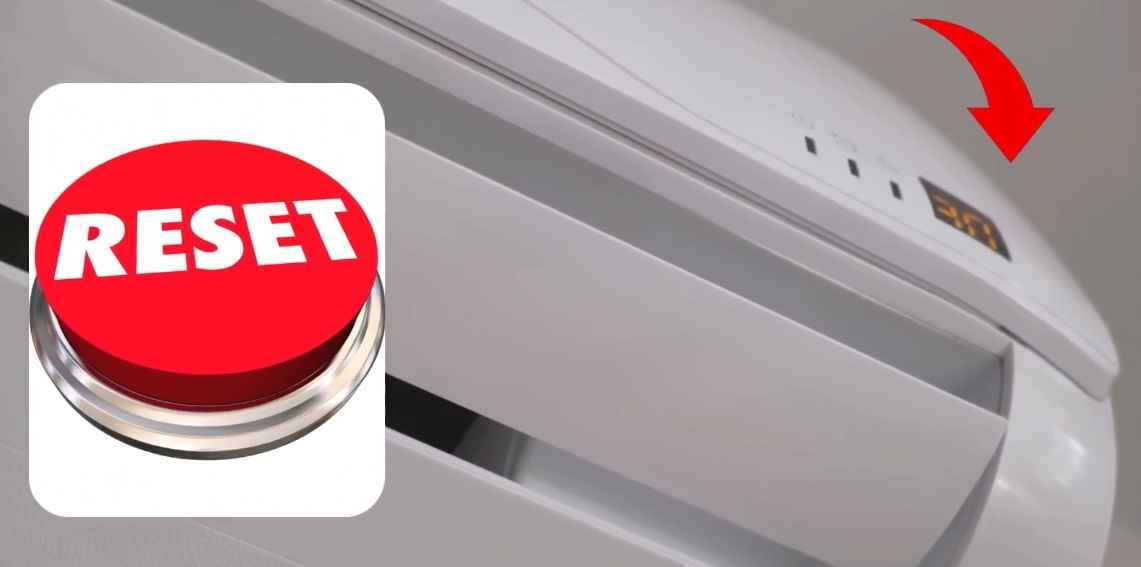
- Locate the Reset Button: Look for a small button labeled "Reset" or "Test" on the control panel or near the power cord. It's often a small, recessed button.
- Press the Reset Button: Use a pen or other small object to press the reset button.
- Test the Unit: Turn the AC unit back on to see if it's working.
- If It Still Doesn't Work: Try unplugging the unit for 15-20 minutes, then plug it back in and try the reset button again. If it still doesn't work, further troubleshooting or professional service may be required.
DIY Fixes You Can Attempt (With Caution)
While many AC repairs require professional expertise, here are a few simple DIY fixes that you can attempt safely:
- Replacing the Air Filter: As described above, this is a routine maintenance task that homeowners can easily perform.
- Cleaning the Condenser Coil: Gently rinsing the condenser coil with a garden hose is also a straightforward task.
- Replacing a Thermostat Battery: Simple, as described above.
- Checking and Resetting Circuit Breakers: As described above, always ensure the breaker isn’t repeatedly tripping.
When to Call a Professional HVAC Technician
Certain AC problems are beyond the scope of DIY repairs and require the expertise of a qualified HVAC technician. Here are some situations where you should always call a professional:
- Refrigerant Leaks: Refrigerant is a hazardous substance, and handling it requires specialized equipment and training. If you suspect a refrigerant leak (e.g., hissing sound, oily residue), do not attempt to repair it yourself.
- Compressor Problems: The compressor is the heart of the AC unit, and repairs are complex and require specialized tools.
- Electrical Issues: Any electrical work beyond checking the circuit breaker should be left to a licensed electrician or HVAC technician. Never attempt to repair electrical components yourself if you're not qualified.
- Frozen Coils That Persist: If the coils freeze repeatedly after thawing, there's an underlying problem (e.g., low refrigerant, airflow obstruction) that requires professional diagnosis and repair.
- Unusual Noises: Loud banging, grinding, or hissing noises can indicate serious mechanical problems that require professional attention.
- If You're Unsure: If you're not comfortable or confident in your ability to diagnose or repair the problem, it's always best to err on the side of caution and call a professional.
Safety Precautions
Safety should always be your top priority when troubleshooting your AC unit.
- Turn Off the Power: Before working on any electrical components, always turn off the power to the AC unit at the circuit breaker and the disconnect switch.
- Avoid Contact with Electrical Components: Be careful not to touch any exposed wires or electrical components.
- Wear Protective Gear: Wear gloves and eye protection when cleaning the condenser coil or working around the AC unit.
- Work in a Well-Ventilated Area: If you're working indoors, ensure adequate ventilation.
- Read the Manual: Consult your AC unit's owner's manual for specific instructions and safety precautions.
Conclusion
While central AC units typically don’t have a readily accessible "reset button," understanding the basic troubleshooting steps outlined in this article can empower you to diagnose and resolve many common AC problems yourself. By checking the thermostat, power supply, air filter, and outdoor unit, you can often restore your AC to proper working order. Remember, safety is crucial. When in doubt, always call a qualified HVAC technician to ensure the job is done safely and correctly.