Do It Yourself Hydronic Radiant Floor Heating

Hydronic radiant floor heating, a technology that’s been around in principle since Roman times, is enjoying a modern resurgence. Imagine stepping onto a warm floor on a cold winter morning – no cold shocks, just comfortable, even heat. For HVAC professionals and those considering entering the field, understanding this technology is becoming increasingly important. While professional installation is often recommended, the question of "Do It Yourself Hydronic Radiant Floor Heating" arises frequently. This article explores the viability of DIY hydronic floor heating, its challenges, benefits, and implications for HVAC careers.
The Appeal of DIY Hydronic Radiant Floor Heating
The allure of DIY hydronic floor heating is understandable. Homeowners are drawn to the potential cost savings associated with bypassing professional labor. Additionally, the sense of accomplishment from tackling a complex home improvement project is a significant motivator. Projects such as retrofitting a single bathroom floor or installing a system during new construction are the most common DIY scenarios.
Understanding the System Components
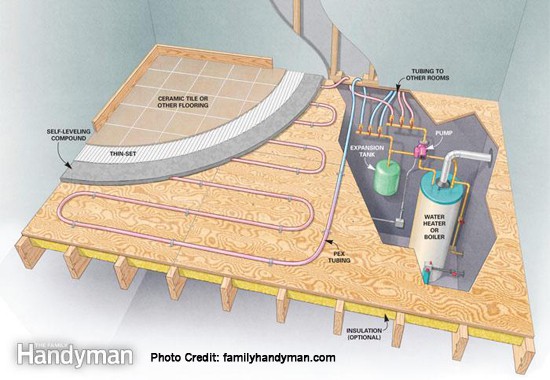
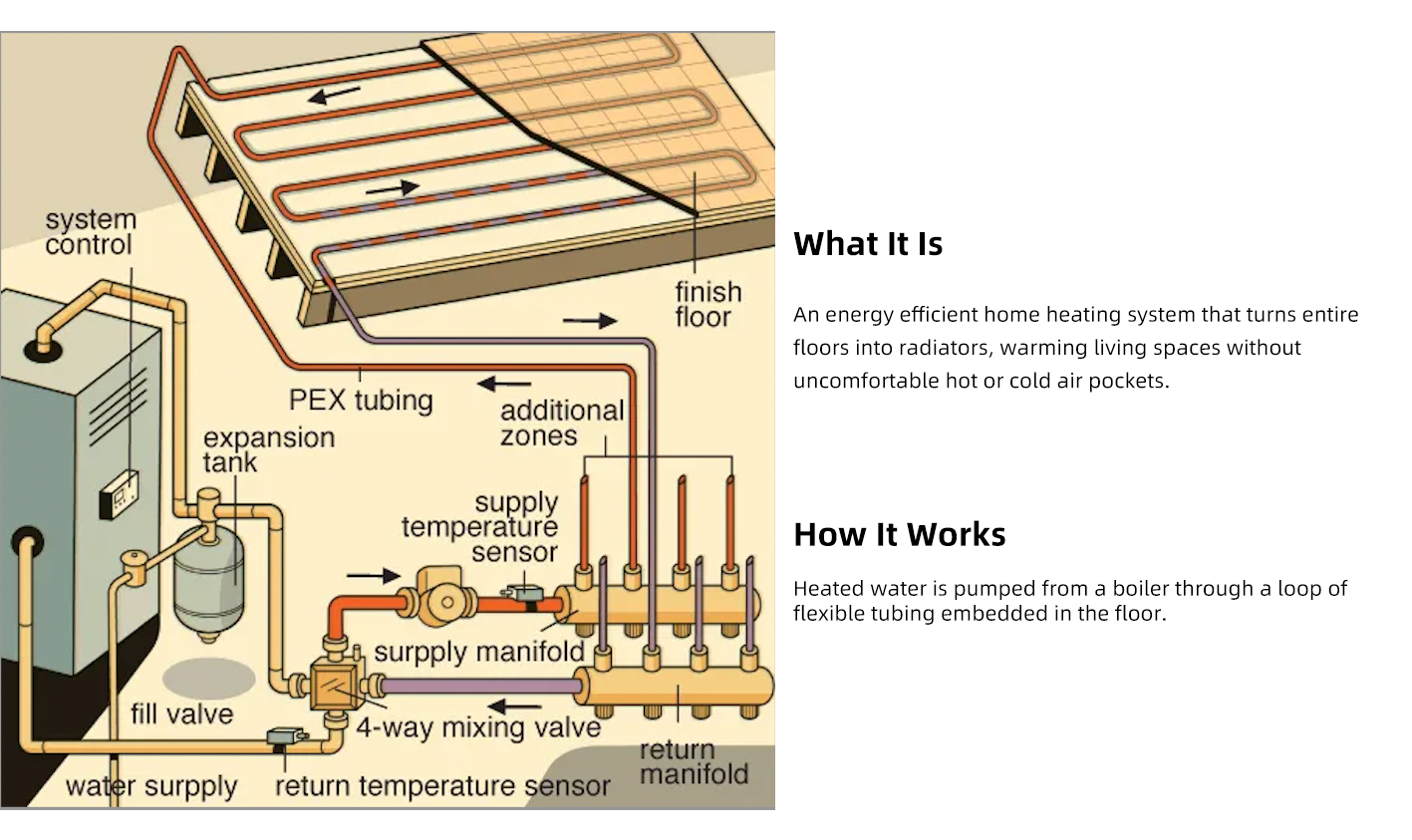
Before even considering DIY, it’s crucial to understand the fundamental components of a hydronic radiant floor heating system:
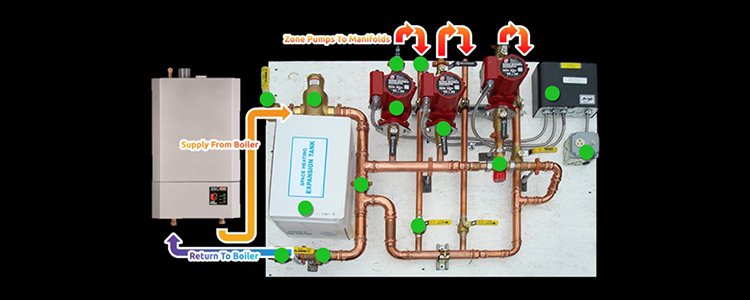
- Heat Source: Typically a boiler (gas, propane, or electric) or a heat pump designed for hydronic applications.
- Manifold: A distribution point that controls the flow of heated water to individual loops.
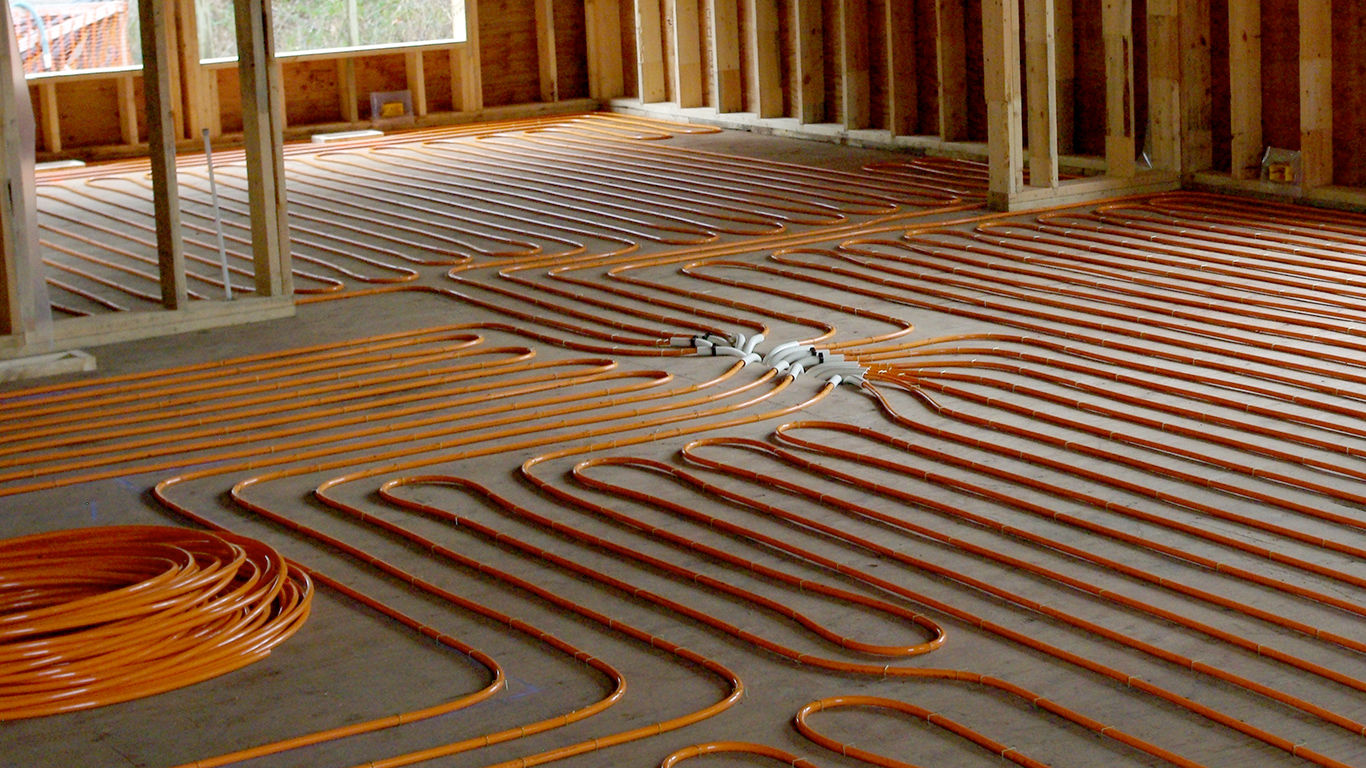
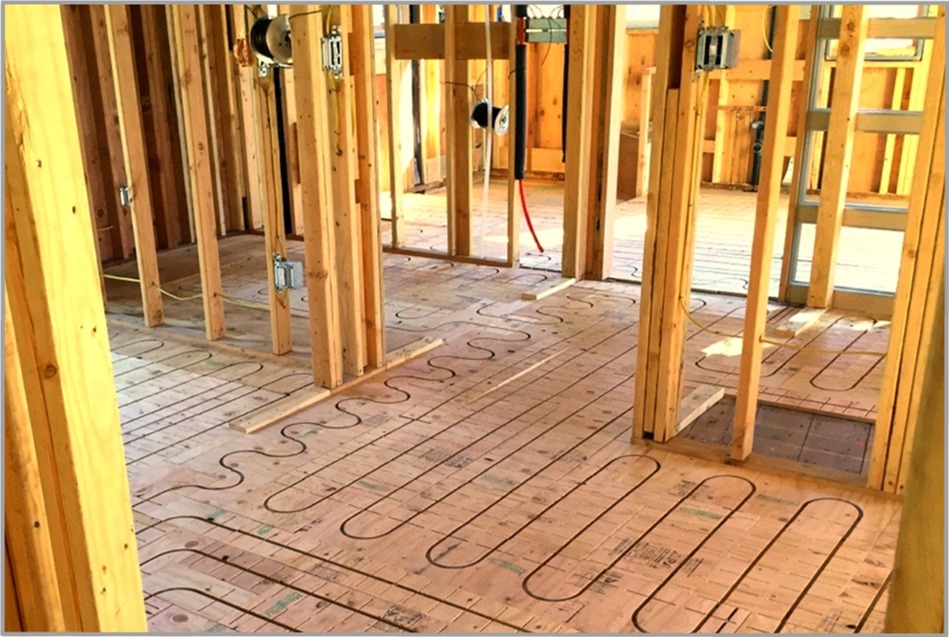
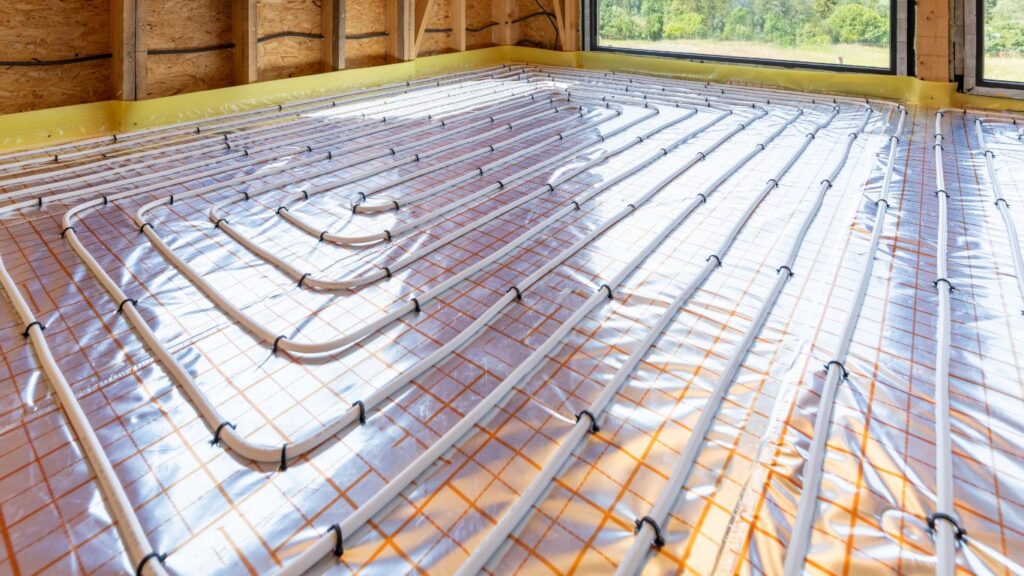
- Piping: PEX (cross-linked polyethylene) tubing is the standard, known for its flexibility, durability, and resistance to corrosion.
- Circulator Pump: Ensures consistent water flow throughout the system.
- Controls: Thermostats, zone valves, and control panels regulate temperature and water flow.
- Floor Covering: Affects heat transfer; tile and stone are excellent conductors, while carpet and wood require careful consideration of R-values.
The Challenges of DIY: A Reality Check
While DIY hydronic floor heating is *possible*, it's fraught with challenges that can easily outweigh the perceived cost savings. These challenges include:
- System Design: Proper design is paramount. Calculating heat loss, determining loop lengths, and selecting the appropriate boiler size requires specialized knowledge. Incorrect calculations can lead to inefficient heating, cold spots, or even damage to the system.
- Installation Errors: Improper installation of PEX tubing can result in leaks. Incorrect manifold connections can lead to uneven heating. Failing to properly insulate the system can negate its efficiency.
- Code Compliance: Hydronic heating systems are subject to local building codes and regulations. DIY installations may not meet these requirements, leading to costly rework or even legal issues.
- Warranty Voiding: Many manufacturers of boilers and PEX tubing will void the warranty if the system is not installed by a licensed professional.
- Troubleshooting: Diagnosing and repairing issues in a hydronic system requires specialized tools and expertise. A DIYer may struggle to identify the root cause of a problem and could potentially cause further damage.
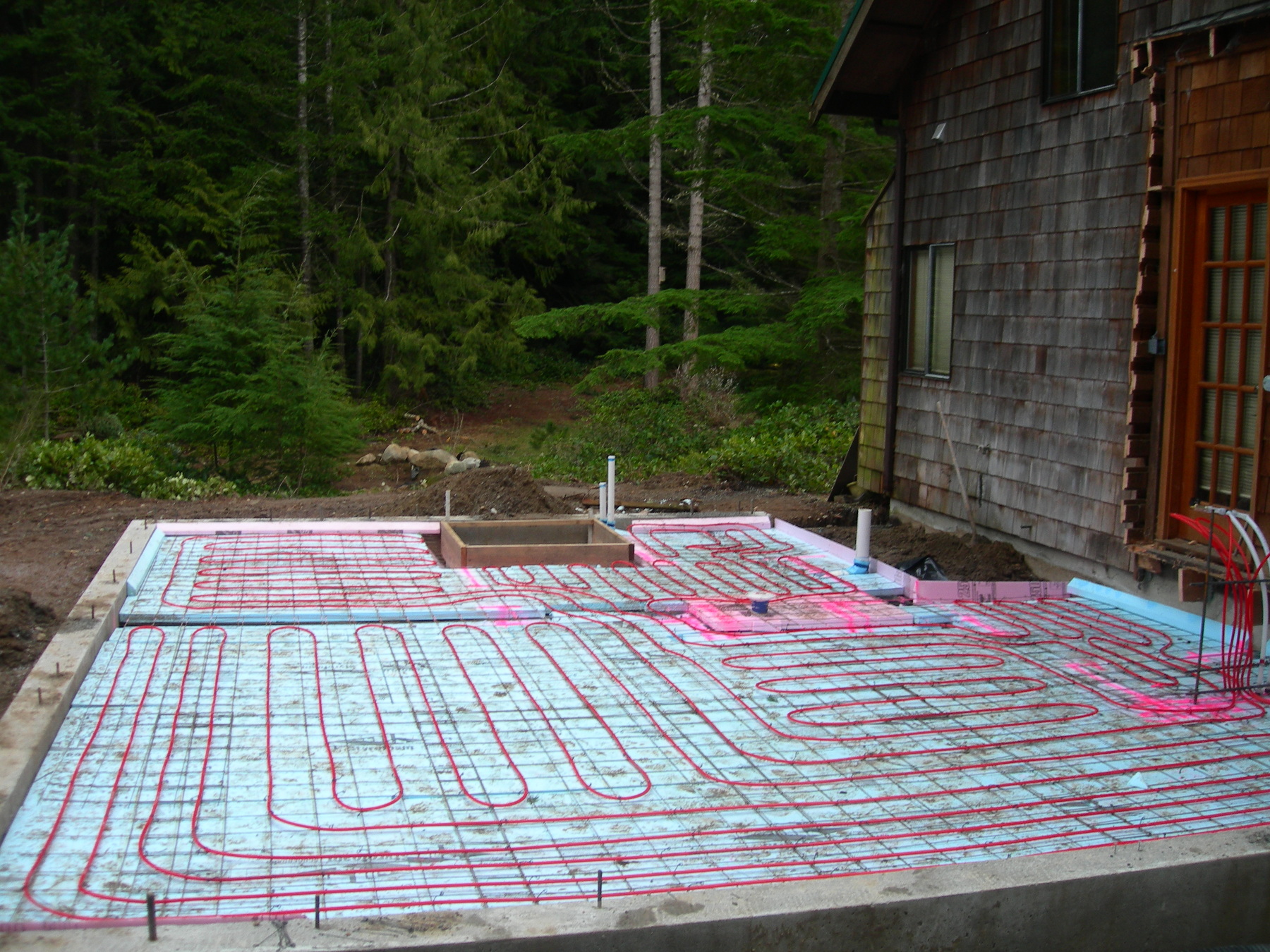
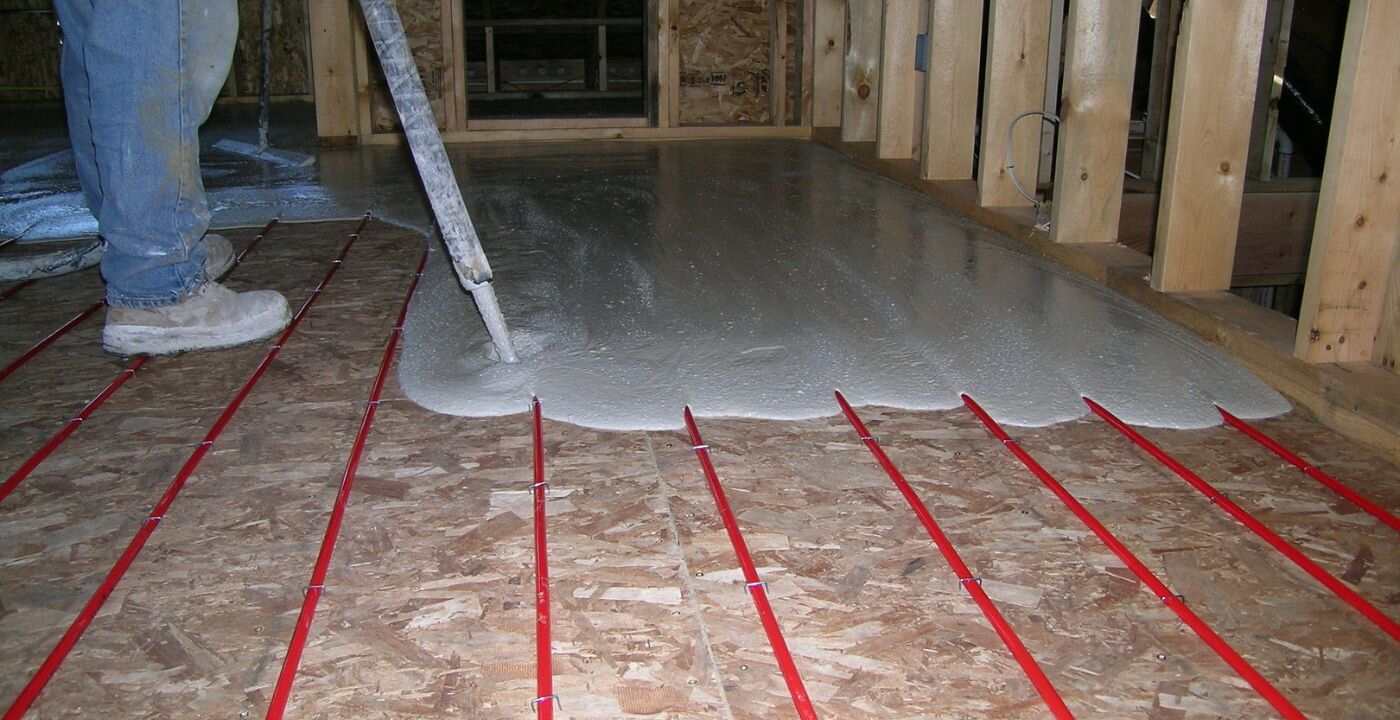
For example, neglecting to properly pressure test the system before pouring the concrete slab is a very common and costly error. Imagine the time and expense of jackhammering through a new slab to repair a leak!
HVAC Professionals: The Value of Expertise
This is where the value of a skilled HVAC professional shines. They bring to the table:
- Design Expertise: Professionals can accurately calculate heat loss, optimize loop layouts, and select the correct components for the specific application.
- Installation Proficiency: They have the experience and tools to install the system correctly, ensuring leak-free connections and proper insulation.
- Code Compliance Knowledge: They are familiar with local building codes and regulations and can ensure the system meets all requirements.
- Warranty Validation: Professional installation protects the manufacturer's warranty.
- Troubleshooting Skills: They can quickly diagnose and repair any issues that may arise.
Career Implications and Industry Trends
The increasing popularity of hydronic radiant floor heating presents significant opportunities for HVAC professionals. As homeowners seek energy-efficient and comfortable heating solutions, the demand for skilled technicians capable of designing, installing, and maintaining these systems will continue to grow.
Certifications and Training
To excel in this area, HVAC professionals should pursue relevant certifications and training. Some key certifications include:
- NATE (North American Technician Excellence): Offers certifications for HVAC technicians, demonstrating competency in various areas, including hydronics.
- EPA 608 Certification: Required for technicians who handle refrigerants, relevant if the heat source is a heat pump.
- Manufacturer-Specific Training: Many manufacturers offer training programs on their specific hydronic systems, providing valuable knowledge and skills.
Job Outlook and Salary
The job outlook for HVAC technicians is projected to grow 6 percent from 2022 to 2032, about as fast as the average for all occupations, according to the Bureau of Labor Statistics. Approximately 41,600 openings for HVAC mechanics and installers are projected each year, on average, over the decade. The median annual wage for HVAC mechanics and installers was $59,620 in May 2023. The best paid 10% earned more than $82,910. Technicians with specialized skills, such as hydronic heating expertise, can command higher salaries.
Real-World Career Paths
Consider these career paths within the hydronics field:
- HVAC Technician Specializing in Hydronics: Install and service hydronic heating and cooling systems in residential and commercial buildings.
- Hydronic System Designer: Design efficient and effective hydronic systems for new construction and retrofit projects.
- HVAC Sales Engineer: Sell hydronic heating and cooling systems to contractors and building owners.
- HVAC Project Manager: Oversee the installation of large-scale hydronic systems.
For example, Sarah, a recent HVAC graduate, focused her training on hydronic systems. She now works for a company specializing in radiant floor heating installations, earning a competitive salary and enjoying a rewarding career.
When DIY Might Be Appropriate (and When It Definitely Isn't)
There are limited scenarios where a DIY approach might be considered, but only with significant caveats:
- Very Small, Simple Systems: A small electric radiant floor mat under tile in a bathroom, with readily available kits and detailed instructions, *could* be a DIY project for a very experienced homeowner with a strong electrical background. However, even this requires careful adherence to electrical codes.
- Existing Hydronic System Expansion (with Expert Guidance): Adding a single loop to an existing, properly designed and installed hydronic system, *after consulting with a qualified HVAC technician*, might be within the realm of DIY for a very skilled homeowner.
However, DIY is strongly discouraged (and potentially dangerous and illegal) in the following situations:
- New System Installation: Installing a complete hydronic system from scratch without professional expertise is highly risky.
- Gas-Fired Boiler Installation: Working with gas lines is inherently dangerous and should only be done by licensed professionals.
- Complex Systems: Any system involving multiple zones, advanced controls, or integration with other heating/cooling systems requires professional expertise.
- Unfamiliar Systems: Working on a type of hydronic system you've never encountered before without training is a recipe for disaster.
Conclusion: Informed Decisions and a Thriving Industry
While the idea of DIY hydronic radiant floor heating might seem appealing on the surface, the complexities and potential pitfalls make it a risky endeavor for most homeowners. The expertise of qualified HVAC professionals is essential for ensuring a safe, efficient, and reliable system. As demand for energy-efficient heating solutions continues to grow, the hydronics field offers promising career opportunities for skilled technicians. By pursuing relevant certifications and training, HVAC professionals can position themselves for success in this evolving industry. Understanding the limitations of DIY and promoting professional installation will ultimately lead to greater customer satisfaction and a stronger, more sustainable HVAC industry.