Do Metal Chimney Flues Need Cleaning

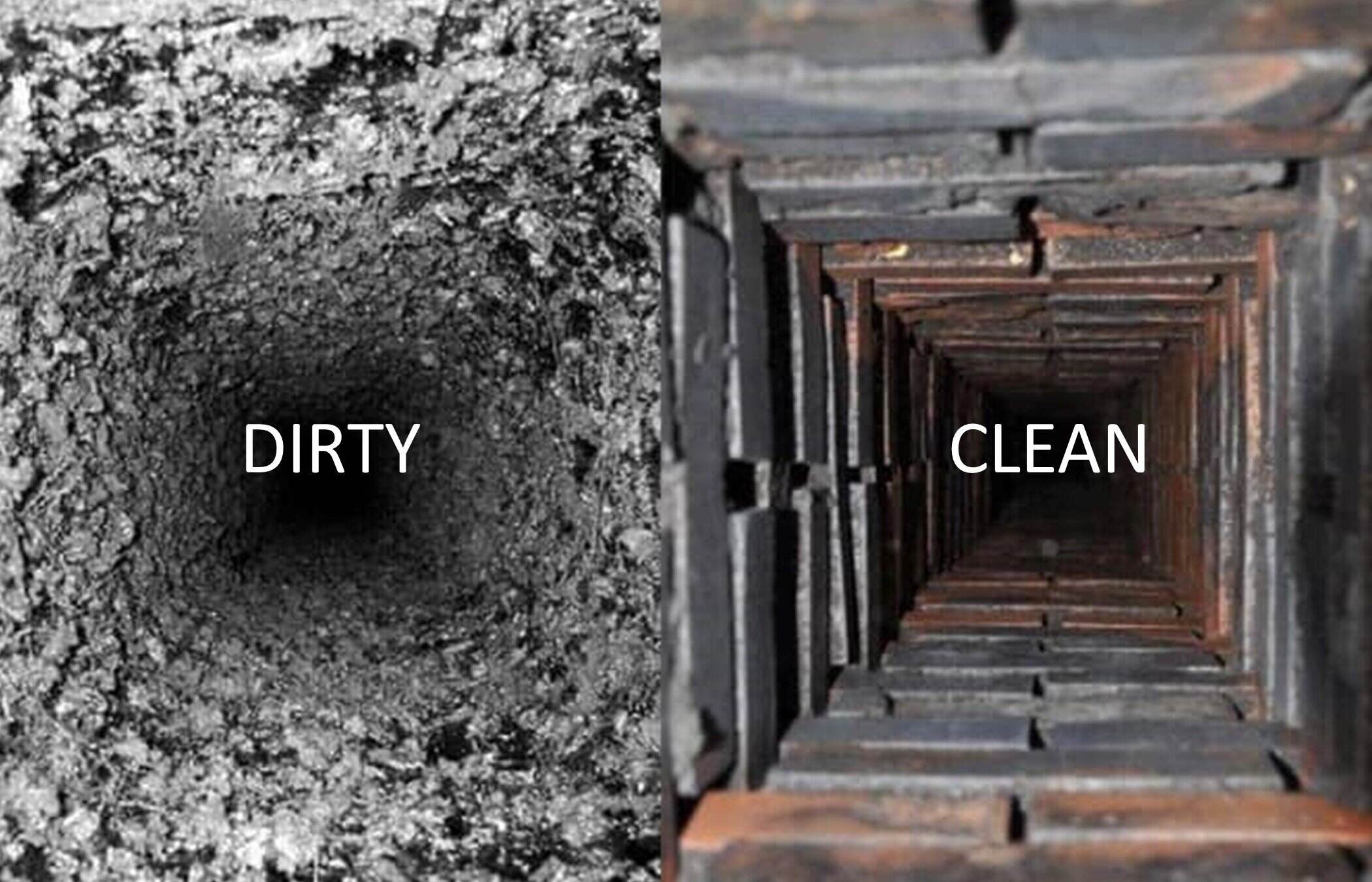
The simple answer to the question "Do metal chimney flues need cleaning?" is a resounding yes. While they might seem less susceptible to buildup than masonry chimneys, metal chimney flues accumulate creosote and other debris that can pose significant fire hazards. Regular cleaning is crucial for the safe and efficient operation of your heating appliance.
Why Metal Chimney Flues Need Cleaning
Metal chimney flues are primarily used with wood-burning stoves, fireplaces, and some furnaces and boilers. These appliances produce byproducts of combustion that travel up the flue and can accumulate along its interior walls.
Creosote Buildup: The Primary Concern
Creosote is a highly flammable substance formed when wood burns incompletely. Think of it as the unburned residue of wood smoke. It condenses inside the chimney flue as the hot gases cool. Several factors influence the rate of creosote buildup:
- Type of Wood: Softwoods, like pine, tend to produce more creosote than hardwoods, like oak or maple.
- Burning Habits: Smoldering fires, where the wood doesn't burn hot and completely, generate more creosote.
- Chimney Temperature: Cold chimneys promote faster creosote condensation.
- Air Supply: Insufficient air during combustion leads to incomplete burning and more creosote.
Creosote exists in three stages:
- Stage 1: Light and flaky, easily removed.
- Stage 2: Hard and crusty, more difficult to remove.
- Stage 3: Glazed and tar-like, extremely difficult and dangerous to remove. This is highly flammable and poses the greatest fire risk.
The danger of creosote lies in its flammability. A chimney fire occurs when creosote ignites, creating intense heat that can damage the chimney structure, spread to the surrounding building, and cause a devastating fire. Regular cleaning prevents this dangerous accumulation.
Other Debris and Obstructions
Besides creosote, metal chimney flues can also collect other debris, including:
- Bird nests: Birds often build nests in chimneys, blocking the flue and creating a fire hazard.
- Animal carcasses: Small animals can get trapped in chimneys and die, obstructing the flue and creating unpleasant odors.
- Leaves and twigs: Debris from trees can fall into the chimney, especially if it lacks a chimney cap.
- Rust and corrosion: Over time, metal flues can corrode, leading to rust and debris accumulation.
These obstructions can impede airflow, leading to smoke backing up into the home, carbon monoxide poisoning, and reduced heating appliance efficiency. A clean flue ensures proper ventilation and prevents these issues.
How Often Should Metal Chimney Flues Be Cleaned?
The National Fire Protection Association (NFPA) standard 211 recommends that chimneys should be inspected at least once a year. The frequency of cleaning depends on several factors:
- Frequency of Use: If you use your wood-burning appliance frequently, you'll need to clean the chimney more often.
- Type of Fuel: As mentioned earlier, softwoods produce more creosote.
- Burning Habits: Inefficient burning practices increase creosote buildup.
As a general guideline, if you burn wood regularly (several times a week during the heating season), you should have your chimney cleaned at least once a year. If you burn wood less frequently, you might be able to extend the cleaning interval to every other year. However, annual inspections are always recommended.
If you notice any of the following signs, it's time to clean your chimney, regardless of how long it's been since the last cleaning:
- Visible creosote buildup: If you can see significant creosote accumulation inside the flue.
- Reduced draft: If your fireplace or stove is not drafting properly, causing smoke to back up into the room.
- Unusual odors: A strong, smoky smell coming from the chimney, even when the appliance is not in use.
- Black flakes falling into the fireplace: This indicates creosote breaking loose from the chimney walls.
- A chimney fire: After a chimney fire, the chimney should be inspected and cleaned immediately.
DIY Cleaning vs. Professional Chimney Sweep
You can clean your chimney yourself, but it's generally recommended to hire a professional chimney sweep. Chimney sweeps have the tools, knowledge, and experience to thoroughly clean your chimney and identify potential problems.
DIY Chimney Cleaning
If you choose to clean your chimney yourself, you'll need the following tools:
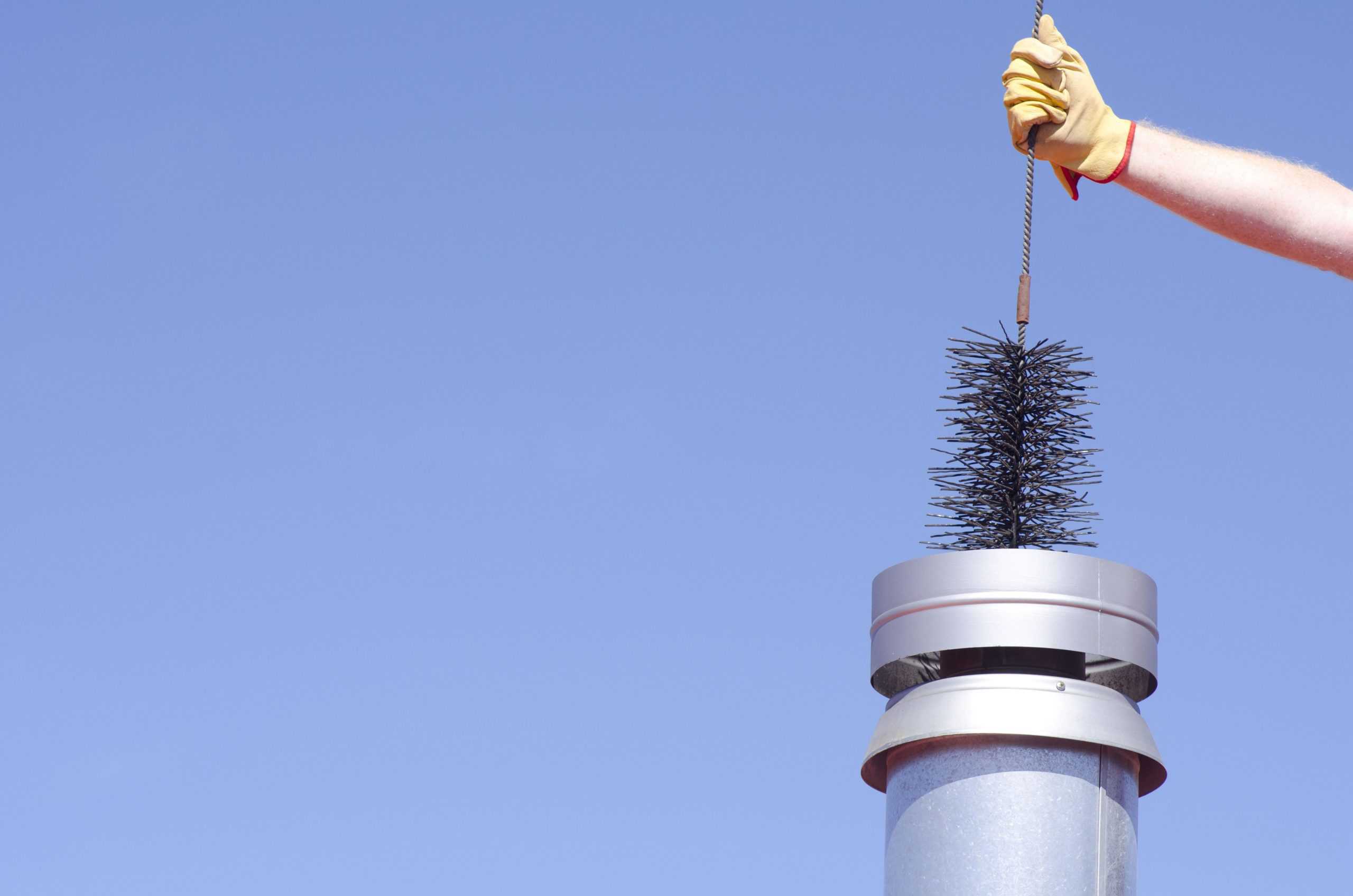
- Chimney brush: Choose a brush that is the correct size and shape for your flue.
- Extension rods: To reach the entire length of the chimney.
- Drop cloths or plastic sheeting: To protect your floors and furniture from soot and debris.
- Dust mask and eye protection: To protect yourself from inhaling soot and dust.
- Vacuum cleaner: A shop vacuum is ideal for cleaning up the debris.
Here's a basic overview of the DIY chimney cleaning process:
- Prepare the area: Cover the area around the fireplace or stove with drop cloths or plastic sheeting.
- Seal the appliance: Seal the fireplace opening or stove pipe to prevent soot from escaping into the room.
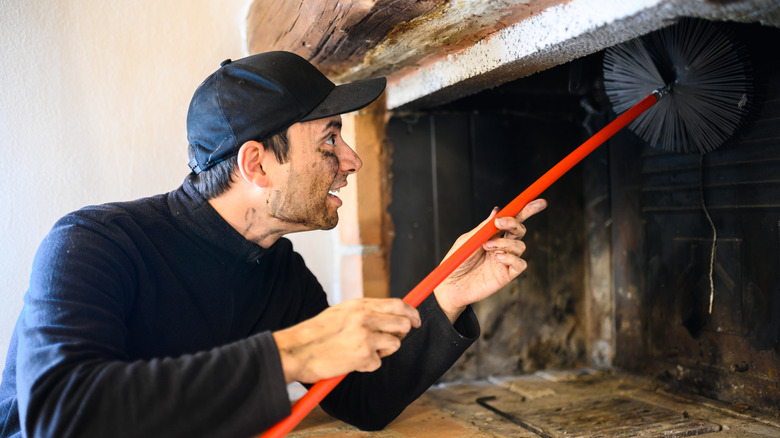
- Brush the flue: Insert the chimney brush into the flue and push it up and down, using the extension rods to reach the entire length of the chimney.
- Remove the debris: Carefully remove the brush and collect the debris that falls into the fireplace or stove.
- Vacuum the area: Vacuum up any remaining soot and debris.
- Inspect the chimney: Visually inspect the chimney for any signs of damage or deterioration.
Important considerations for DIY cleaning:
- Safety: Always wear a dust mask and eye protection. Work carefully and avoid rushing.
- Thoroughness: It can be difficult to reach all areas of the chimney without professional equipment.
- Inspection: You may not be able to identify potential problems that a professional chimney sweep would notice.
Professional Chimney Sweep
Hiring a professional chimney sweep offers several advantages:
- Expertise: Chimney sweeps are trained and experienced in cleaning and inspecting chimneys.
- Proper Equipment: They have the right tools and equipment to thoroughly clean your chimney.
- Safety: They are familiar with safety procedures and can minimize the risk of accidents.
- Inspection: They can identify potential problems, such as cracks, leaks, or blockages, that you might miss.
- Peace of Mind: Knowing that your chimney has been properly cleaned and inspected provides peace of mind.
A professional chimney sweep will typically:
- Inspect the chimney: They'll visually inspect the chimney, inside and out, for any signs of damage or deterioration.
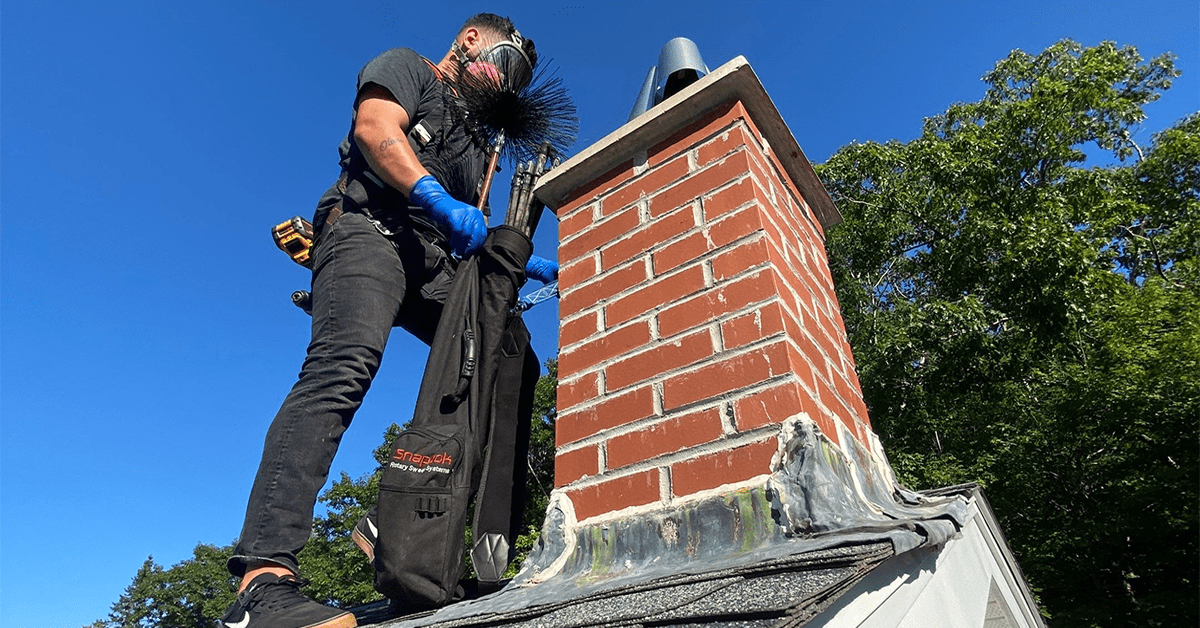
- Clean the flue: They'll use specialized brushes and equipment to thoroughly clean the flue, removing creosote and other debris.
- Clean the smoke chamber: They'll clean the smoke chamber, the area above the fireplace damper.
- Clean the firebox: They'll clean the firebox, the area where the fire burns.
- Inspect the damper: They'll inspect the damper, the metal plate that controls airflow in the chimney.
- Provide a written report: They'll provide a written report of their findings, including any recommendations for repairs or maintenance.
Choosing a Chimney Sweep
When choosing a chimney sweep, look for someone who is:
- Certified: Look for a chimney sweep who is certified by a reputable organization, such as the Chimney Safety Institute of America (CSIA).
- Licensed and Insured: Ensure the chimney sweep is properly licensed and insured.
- Experienced: Choose a chimney sweep with several years of experience.
- Reputable: Check online reviews and ask for references.
- Offers a thorough inspection: A good chimney sweep will perform a comprehensive inspection of your chimney before and after cleaning.
Conclusion
Cleaning metal chimney flues is not optional; it's an essential part of maintaining a safe and efficient heating system. Creosote buildup and other debris can pose serious fire hazards and compromise indoor air quality. While DIY cleaning is possible, hiring a certified chimney sweep is the safest and most effective way to ensure your chimney is properly cleaned and inspected. Prioritize annual inspections and cleanings as needed, based on your usage and the type of fuel you burn, to protect your home and family from the dangers of chimney fires and carbon monoxide poisoning.

/Chimneysweep-GettyImages-181899066-656cac59cec34400a4a69df1c93cada4.jpg)