Do Portable Ac Units Need A Window

Do Portable AC Units Need a Window? A Comprehensive Guide
The question of whether portable AC units require a window is a common one for homeowners, renters, and property investors alike. The short answer is yes, most portable air conditioners need a window. However, the reasons behind this requirement, the nuances of different models, and the alternatives available are more complex. This guide dives deep into the world of portable ACs, helping you make informed decisions about your cooling needs.
Understanding Portable AC Functionality
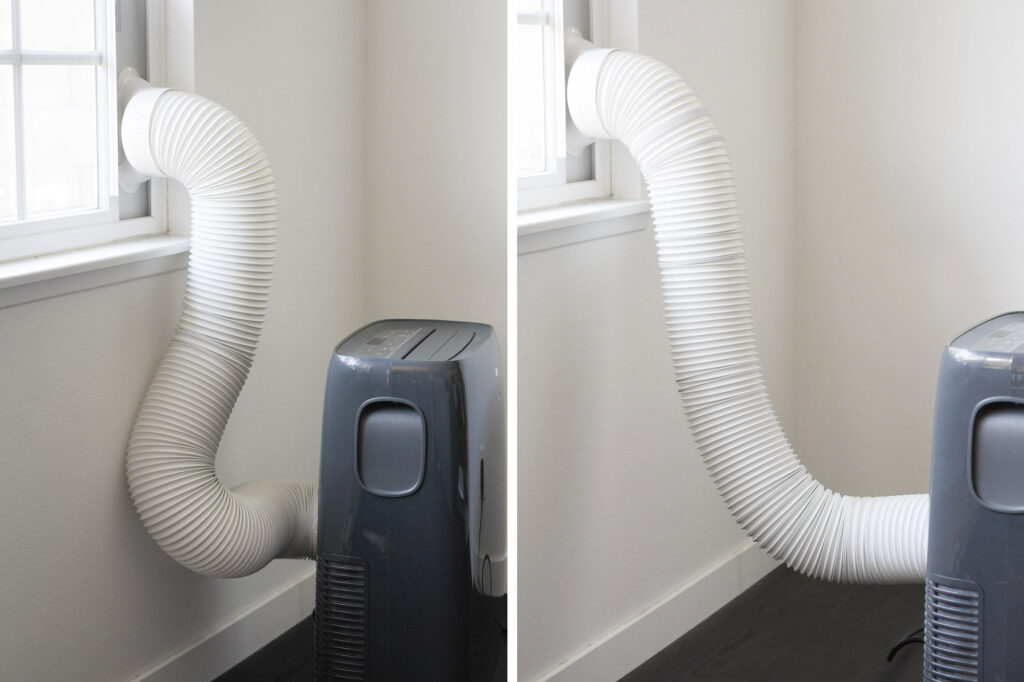
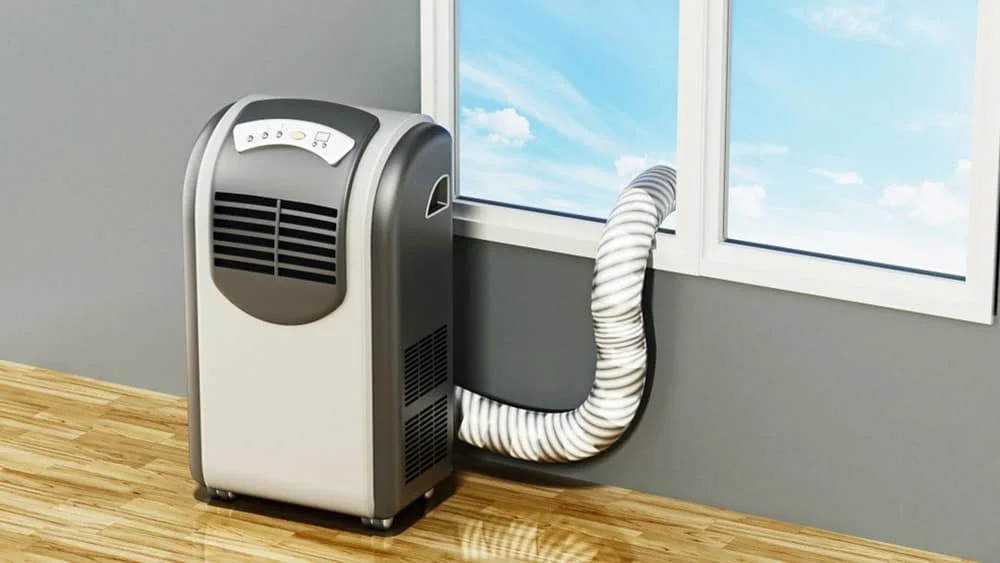
To understand why a window vent is necessary, it's crucial to grasp how a portable air conditioner operates. These units function by drawing in warm air from the room, cooling it using refrigerant, and then expelling the cooled air back into the room. This process generates heat, which needs to be exhausted outside. The exhaust hose, connected to a window vent kit, is the pathway for this hot air removal.
Why Window Venting is Essential
Without proper venting, the hot air generated by the AC unit will remain in the room, negating the cooling effect. In essence, you'd be running a machine that's simultaneously trying to cool and heat the same space. This not only wastes energy but also puts extra strain on the unit, potentially shortening its lifespan.
Types of Window Venting Kits
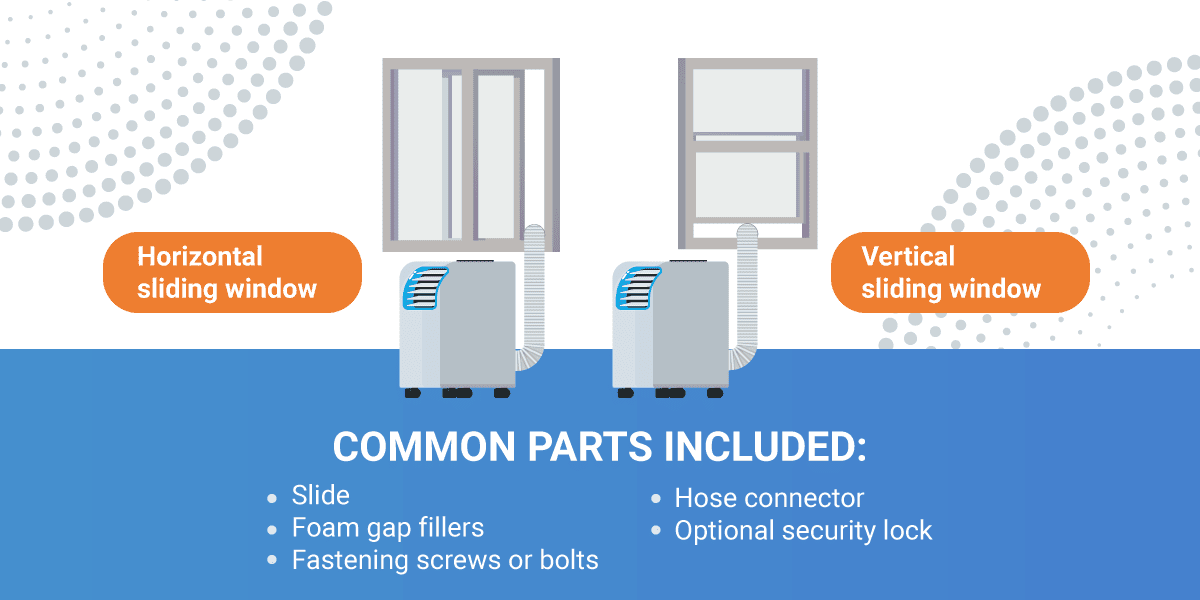
Most portable ACs come with a window venting kit designed for standard sliding windows. These kits typically include adjustable panels that fit into the window opening, creating a sealed barrier with a hole for the exhaust hose. Some kits are made of plastic, while others use more durable materials like acrylic. Consider these options:
- Standard Window Kits: These are the most common and are suitable for single-hung and double-hung windows.
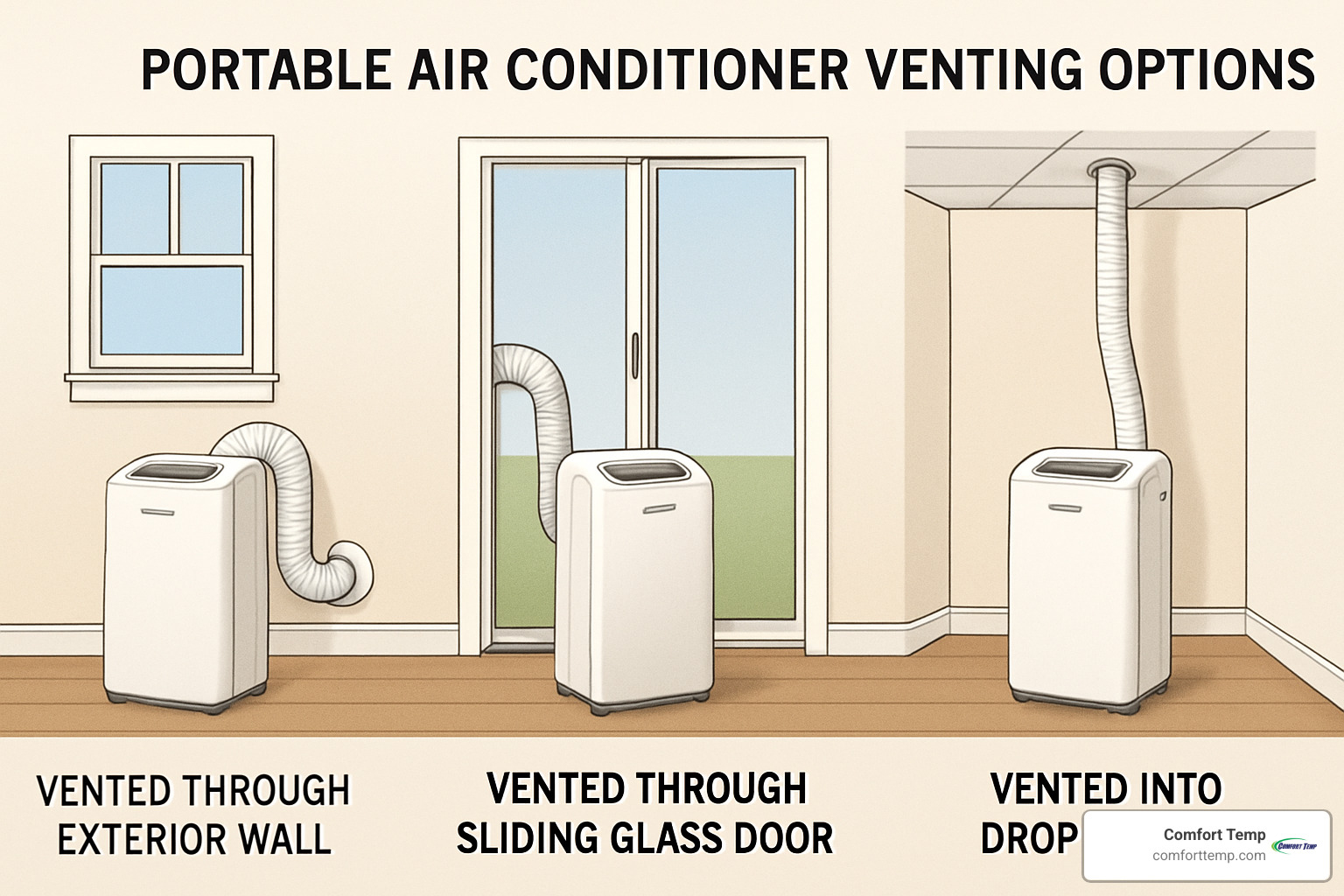
- Sliding Door Kits: Designed for sliding glass doors or larger windows, these kits offer a wider panel to accommodate the opening.
- Universal Kits: These adaptable kits can fit a variety of window sizes and shapes, providing a more flexible solution.
Pros and Cons of Portable AC Units
Before investing in a portable AC, weigh the advantages and disadvantages:
Pros:
- Portability: The most significant advantage. Easily move the unit from room to room as needed.
- Easy Installation: Unlike window ACs or central air, installation is relatively simple, requiring only a window vent kit setup.
- Cost-Effective: Typically less expensive than window ACs or central air conditioning systems.
- Supplemental Cooling: Ideal for cooling specific rooms or supplementing existing HVAC systems.
Cons:
- Window Venting Required: The need for a window vent can be inconvenient, especially in rooms without windows.
- Noise Levels: Portable ACs can be noisier than central air systems.
- Efficiency: Generally less energy-efficient than window ACs or central air, resulting in higher energy bills.
- Space Requirements: The unit itself takes up floor space within the room.
Alternatives to Traditional Window Venting
While window venting is the standard, some alternatives exist, though they may not be suitable for all situations:
- Wall Venting: In some cases, you can vent the exhaust hose through a hole in the wall. This requires professional installation and is more permanent.
- Drop Ceiling Venting: If you have a drop ceiling, you might be able to vent into the space above the ceiling. However, this is generally not recommended as it can lead to moisture issues and reduced cooling efficiency.
- Evaporative Coolers (Swamp Coolers): These units use evaporation to cool the air and do not require venting. However, they are most effective in dry climates and less so in humid regions.
Understanding BTU, SEER, and EER Ratings
When choosing a portable AC, pay attention to these key performance indicators:
- BTU (British Thermal Unit): Measures the cooling capacity of the unit. A higher BTU rating indicates more powerful cooling. Choose a BTU rating appropriate for the size of the room you need to cool.
- SEER (Seasonal Energy Efficiency Ratio): Primarily used for central air systems, but can be relevant when comparing to other cooling options. A higher SEER rating indicates greater energy efficiency.
- EER (Energy Efficiency Ratio): Specifically measures the cooling output per unit of energy consumed. Look for a higher EER rating for better energy efficiency in portable ACs.
Popular Portable AC Brands and Models
Several reputable brands offer portable AC units. Here are a few examples:
- Whynter: Known for reliable and powerful units, often featuring dual-hose systems for improved efficiency. Whynter ARC-14S is a popular model.
- Honeywell: Offers a range of portable ACs with smart features and user-friendly controls. Models like the Honeywell HL Series are highly rated.
- LG: Provides stylish and efficient portable ACs with various features, including smart connectivity. LG LP1419IVSM is a well-regarded option.
- Black+Decker: Known for affordable and functional units, suitable for smaller spaces.
- SereneLife: Another provider of affordable portable air conditioners with relatively effective operation.
Warranty and Maintenance
Most portable ACs come with a limited warranty, typically covering parts and labor for one year. Extended warranties may be available. Regular maintenance is essential for optimal performance. This includes:
- Cleaning the air filter: Regularly clean or replace the air filter to prevent dust and debris buildup, which can reduce efficiency and potentially damage the unit.
- Draining the condensate: Some portable ACs require manual draining of condensate water. Follow the manufacturer's instructions for proper drainage. Self-evaporating models reduce or eliminate the need for manual draining.
- Inspecting the exhaust hose: Check the exhaust hose for leaks or damage. Ensure it is securely connected to both the AC unit and the window vent.
- Professional servicing: Consider professional servicing every few years to ensure optimal performance and longevity.
Pricing Considerations
Portable AC prices vary depending on the BTU rating, features, and brand. Expect to pay anywhere from $200 to $800 or more for a quality unit. Dual-hose models and those with smart features tend to be more expensive. Factor in the cost of electricity when budgeting for a portable AC. While they are more affordable upfront than central air, their lower energy efficiency can result in higher monthly energy bills.
Choosing the Right Portable AC for Your Needs
Selecting the right portable AC involves considering several factors:
- Room Size: Match the BTU rating to the size of the room you need to cool.
- Energy Efficiency: Look for a high EER rating to minimize energy consumption.
- Features: Consider features like programmable timers, remote controls, and smart connectivity.
- Noise Level: Check the decibel rating to ensure the unit isn't too noisy for your preferences.
- Venting Options: Determine the best venting solution for your space, considering windows and alternative options.
- Budget: Set a budget and compare different models within your price range.
Conclusion
While portable AC units generally require a window for venting, understanding the nuances of their operation, the available alternatives, and the key performance indicators will help you make an informed decision. By carefully considering your cooling needs, room size, and budget, you can choose a portable AC that provides effective and convenient cooling for your home or property.