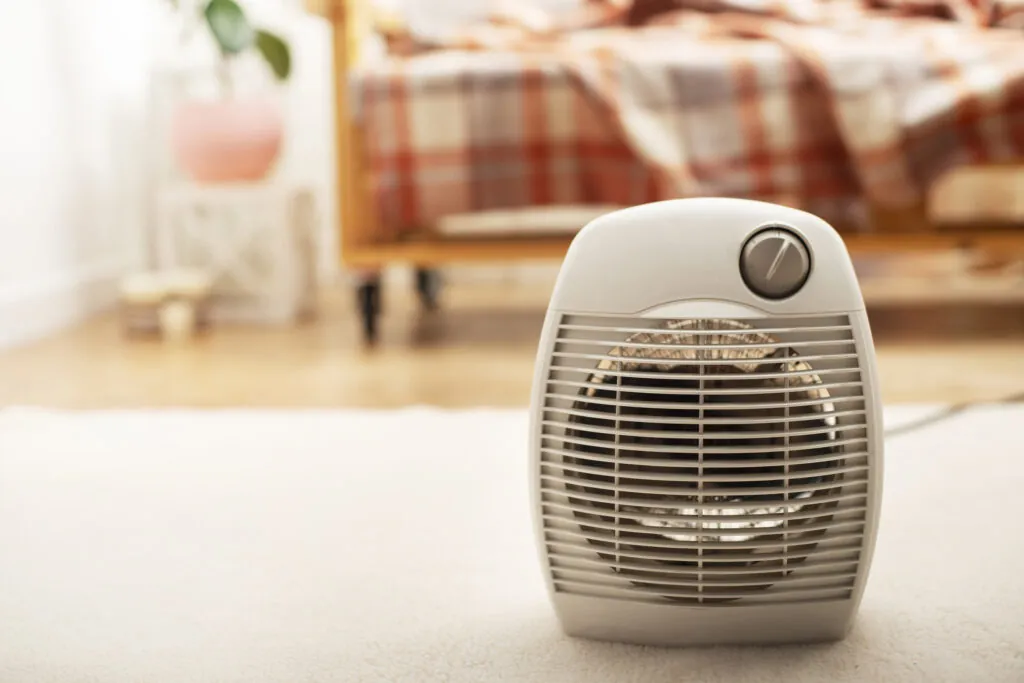
Do Small Plug In Heaters Use A Lot Of Electricity

Frequently Asked Questions: Do Small Plug-In Heaters Use A Lot of Electricity?
Many homeowners and facility managers consider the convenience of small, plug-in heaters for supplemental warmth. However, a common concern revolves around their energy consumption. This FAQ addresses the most frequently asked questions about the electricity usage of these heaters, helping you make informed decisions about their use.
Q1: How many watts does a typical small plug-in heater use?
Answer: Most small plug-in heaters range from 750 watts to 1500 watts. Some smaller models might be around 500-600 watts, while larger ones can reach the 1500-watt mark, which is often the maximum allowed on a standard household circuit. The wattage is usually indicated on a sticker or label on the heater itself.
Q2: Is 1500 watts a lot of electricity for a small heater?
Answer: In terms of instant energy draw, 1500 watts is relatively high for a small appliance. To put it in perspective, a standard microwave oven might use around 1000-1200 watts. Therefore, a 1500-watt heater consumes a significant amount of electricity while it's running. It's crucial to consider how long the heater is operating to determine its overall energy impact on your electricity bill.
Q3: How can I calculate how much a plug-in heater costs to run per hour?
Answer: Calculating the cost is straightforward:
- Step 1: Find the heater's wattage (e.g., 1500 watts).
- Step 2: Convert watts to kilowatts by dividing by 1000 (1500 watts / 1000 = 1.5 kW).
- Step 3: Find the cost of electricity per kilowatt-hour (kWh) from your electricity bill (e.g., $0.15/kWh).
- Step 4: Multiply the kilowatt usage by the cost per kWh (1.5 kW * $0.15/kWh = $0.225 per hour).
Therefore, a 1500-watt heater used for one hour would cost approximately $0.225 to run, based on a $0.15/kWh electricity rate. Remember to always check your electricity bill for the most accurate cost per kWh, as rates vary significantly.
Q4: Are some plug-in heaters more energy-efficient than others?
Answer: While all electric resistance heaters (which most plug-in heaters are) convert electricity to heat at nearly 100% efficiency *at the point of conversion*, some features can impact overall energy usage and perceived efficiency.
- Thermostat Control: Heaters with precise thermostat controls prevent overheating and wasted energy. A good thermostat will accurately maintain the desired temperature, cycling the heater on and off as needed.
- Fan-Forced Heaters: These heaters circulate the warm air more effectively, potentially heating a room faster and more evenly, allowing you to reach your desired temperature quicker and possibly run the heater for a shorter duration.
- Size & Output: Choosing the right size heater for the space is crucial. An oversized heater will cycle on and off frequently, potentially wasting energy, while an undersized heater will struggle to maintain the desired temperature.
- Ceramic vs. Other Types: While marketing may claim ceramic heaters are more efficient, they still rely on electric resistance. The primary difference lies in how the heat is distributed and the surface temperature of the heating element.
Q5: Is it cheaper to use a plug-in heater to heat a small area or to turn up the central heating for the entire house?
Answer: The answer depends on several factors, including the size of the area you need to heat, the efficiency of your central heating system, and how long you plan to use the supplemental heat.
- Heating a Single Room: If you only need to heat a single room, and you’re only using that room, a plug-in heater can be more cost-effective than heating the entire house with central heating. Central heating systems often heat unoccupied rooms, wasting energy.
- Insulation: Poor insulation in the room you are trying to heat with a plug-in heater will lead to significant heat loss and increased energy consumption. In such cases, investing in improving insulation may be a better long-term solution.
- Central Heating Efficiency: If you have an old, inefficient central heating system (e.g., an old furnace with a low Annual Fuel Utilization Efficiency (AFUE) rating), a plug-in heater might be comparatively more efficient for a small space. However, modern high-efficiency central heating systems can be very efficient at heating the entire house.
- Long-Term Use: If you plan to use supplemental heat for extended periods, consider the cumulative cost. Running a 1500-watt heater for several hours daily can quickly add up on your electricity bill.
General Rule of Thumb: If you need heat in a small, well-insulated space for a short period, a plug-in heater can be economical. For heating larger areas or for longer durations, consider the efficiency of your central heating system and compare the estimated costs.
Q6: Are there any safety precautions I should take when using a plug-in heater?
Answer: Absolutely! Safety is paramount when using any electrical appliance, especially heaters. Follow these precautions:
- Clearance: Keep the heater away from flammable materials such as curtains, furniture, bedding, and paper. Maintain a minimum clearance of at least 3 feet.
- Placement: Place the heater on a flat, stable surface. Never place it on carpets or rugs, especially if it's a radiant heater with a hot surface.
- Power Cord: Regularly inspect the power cord for damage. Never use a heater with a frayed or damaged cord. Do not run the cord under rugs or carpets, as this can create a fire hazard.
- Dedicated Circuit: Plug the heater directly into a wall outlet. Avoid using extension cords or power strips, as they may not be able to handle the high wattage and can overheat, causing a fire. Using a dedicated circuit is always the best practice.
- Unattended Use: Never leave the heater unattended while it's running. Turn it off when you leave the room or go to sleep.
- Water: Keep the heater away from water sources, such as bathrooms or sinks. Never use a heater in a damp or wet environment.
- Children and Pets: Keep children and pets away from the heater to prevent burns or accidental tipping. Consider using a heater with a tip-over safety switch.
- Tip-Over Switch: Ensure the heater has a tip-over safety switch that automatically shuts off the heater if it's knocked over.
- Overheat Protection: Make sure the heater has overheat protection, which will automatically shut off the heater if it gets too hot.
- Regular Cleaning: Regularly clean the heater to remove dust and debris, which can reduce its efficiency and increase the risk of fire.
Read the Manufacturer's Instructions: Always read and follow the manufacturer's instructions for your specific heater model.
Q7: What are some alternatives to using plug-in heaters to save on electricity bills?
Answer: Before resorting to plug-in heaters, consider these energy-saving alternatives:
- Improve Insulation: Proper insulation in your walls, ceilings, and floors can significantly reduce heat loss, minimizing the need for supplemental heating. Seal any drafts around windows and doors.
- Programmable Thermostat: Install a programmable thermostat to automatically adjust the temperature based on your schedule. This can help you avoid heating your home when you're not there.
- Warm Clothing: Dress in layers and wear warm socks, sweaters, and blankets to stay comfortable without turning up the heat.
- Space Heating Zoning: If you have a multi-zone central heating system, ensure that you are only heating the zones you are actively using.
- Sunlight: During the day, open curtains and blinds to let sunlight in, which can help warm your home naturally. Close them at night to retain heat.
- Electric Blankets and Heated Mattress Pads: These provide localized warmth and consume significantly less electricity than space heaters.
- Address Drafts: Use weather stripping and caulk to seal gaps around windows and doors, preventing drafts.
- Proper Ventilation: Ensure your home has adequate ventilation to prevent moisture buildup, which can make it feel colder.
By implementing these strategies, you can potentially reduce your reliance on plug-in heaters and lower your electricity bills while staying comfortable.