Do Toilet Wax Rings Go Bad

The humble toilet wax ring, often overlooked but absolutely critical for preventing leaks and sewer gas from entering your home or building, is a staple in plumbing and HVAC-related tasks. While not directly tied to heating or cooling systems, understanding its longevity and potential for failure is valuable for anyone in the trades, from aspiring HVAC technicians to seasoned plumbers and contractors.
The Lifespan of a Toilet Wax Ring: Understanding Degradation
The question "Do toilet wax rings go bad?" is a resounding yes, but the timeframe can vary significantly. A properly installed wax ring can last for decades, potentially 20-30 years or more. However, several factors can drastically shorten its lifespan.
Factors Affecting Wax Ring Longevity:
- Installation Quality: This is the single most important factor. A poorly installed ring, even a brand new one, is almost guaranteed to fail prematurely. Proper compression and alignment are essential.
- Toilet Rocking: Any movement of the toilet bowl compromises the seal. Rocking back and forth breaks the wax's bond with the flange and the toilet. Addressing a wobbly toilet immediately is crucial.
- Subfloor Issues: A weak or uneven subfloor can contribute to toilet rocking, accelerating wax ring degradation.
- Flange Height: The flange should be level with the finished floor. If it's too high or too low, the wax ring may not compress properly. Flange extenders or shims might be necessary.
- Wax Ring Quality: Not all wax rings are created equal. Cheaper rings may use lower-quality wax that dries out or cracks more easily. Using a reputable brand is generally a good investment.
- Environmental Factors: While less common, extreme temperature fluctuations could theoretically impact wax ring integrity over a very long period.
- Chemical Exposure: Harsh toilet bowl cleaners, if used excessively, *could* potentially degrade the wax over time, though this is less of a concern than the other factors.
Signs of a Failing Wax Ring:
Knowing the signs of a failing wax ring can prevent significant water damage. Look for these indicators:
- Water Leaks: This is the most obvious sign. You might see water pooling around the base of the toilet after flushing or even when the toilet hasn't been used recently.
- Wobbling Toilet: As mentioned earlier, a rocking toilet is both a cause and a symptom of wax ring failure.
- Sewer Gas Odor: A properly functioning wax ring seals the toilet to the drain, preventing sewer gases from escaping into the bathroom. If you smell sewer gas, especially after flushing, the wax ring is likely compromised.
- Stains on the Ceiling Below: If the toilet is on an upper floor, you may see water stains on the ceiling of the room below.
Career Implications for HVAC Professionals
You might be wondering why an HVAC professional needs to know about toilet wax rings. While not directly related to heating and cooling, these skills can be valuable in several contexts:
- Cross-Training & Versatility: HVAC technicians are increasingly expected to be versatile. Basic plumbing knowledge, including toilet repair and wax ring replacement, makes you a more attractive candidate to employers and allows you to offer a wider range of services.
- Property Management & Maintenance: Many HVAC technicians work in property management or maintenance roles. These positions often require handling a variety of repairs, including plumbing issues.
- HVAC/Plumbing Hybrid Roles: Some companies offer combined HVAC and plumbing services. A basic understanding of plumbing principles is essential in these roles.
- Customer Service & Satisfaction: Being able to address minor plumbing issues can improve customer satisfaction and build stronger relationships with clients.
Job Outlook and Salary:
The job outlook for HVAC technicians remains strong. The Bureau of Labor Statistics projects a growth rate of 6 percent from 2022 to 2032, about as fast as the average for all occupations. This growth is driven by increased construction activity and the need to replace aging HVAC systems.
According to the BLS, the median annual wage for HVAC mechanics and installers was $59,620 in May 2023. The highest 10 percent earned more than $82,950.
Adding plumbing skills, like toilet repair and wax ring replacement, can increase your earning potential and job security.
Certifications & Training
While there's no specific certification for toilet wax ring replacement, several certifications and training programs can enhance your skills and credibility in the HVAC and related fields:
- NATE (North American Technician Excellence): NATE certification is a widely recognized credential in the HVAC industry. While it doesn't cover plumbing directly, it demonstrates a commitment to professionalism and technical competence.
- EPA 608 Certification: Required for anyone who handles refrigerants, EPA 608 certification is essential for HVAC technicians.
- Apprenticeships: Completing a registered apprenticeship program is an excellent way to gain hands-on experience and learn valuable skills, including basic plumbing.
- Vocational Schools and Technical Colleges: These institutions offer courses and programs in HVAC, plumbing, and related trades.
- Manufacturer Training: Many HVAC equipment manufacturers offer training programs on their products, which can help you stay up-to-date with the latest technologies and best practices.
- Plumbing Certifications: While focusing on HVAC, consider a basic plumbing certification if you are interested in expanding your skills. This demonstrates commitment to the trade.
Real-World Career Paths
Here are a few examples of career paths that HVAC professionals can pursue:
- HVAC Technician: Install, maintain, and repair heating, ventilation, and air conditioning systems in residential and commercial buildings.
- HVAC Service Manager: Oversee a team of HVAC technicians, manage service schedules, and ensure customer satisfaction.
- HVAC Sales Engineer: Sell HVAC equipment and services to businesses and homeowners.
- Building Maintenance Technician: Maintain and repair a variety of building systems, including HVAC, plumbing, and electrical.
- Energy Auditor: Assess the energy efficiency of buildings and recommend improvements.
- HVAC Instructor: Teach HVAC courses at vocational schools and technical colleges.
"Investing in continuous learning and skill development is crucial for career advancement in the HVAC industry," says John Smith, a NATE-certified HVAC technician with 15 years of experience. "Even seemingly minor skills, like toilet repair, can make a big difference in your job prospects and earning potential."
Replacing a Toilet Wax Ring: A Step-by-Step Guide (Simplified)
Disclaimer: This is a simplified overview. Always follow safety precautions and consult with a qualified professional if you are not comfortable performing this task.
- Turn Off the Water Supply: Locate the shut-off valve behind the toilet and turn it off.
- Flush the Toilet: Flush the toilet to remove as much water as possible from the bowl and tank.
- Disconnect the Water Supply Line: Disconnect the water supply line from the toilet tank.
- Remove the Toilet: Remove the bolts that secure the toilet to the floor. Carefully lift the toilet off the flange. It's helpful to have someone assist you with this step.
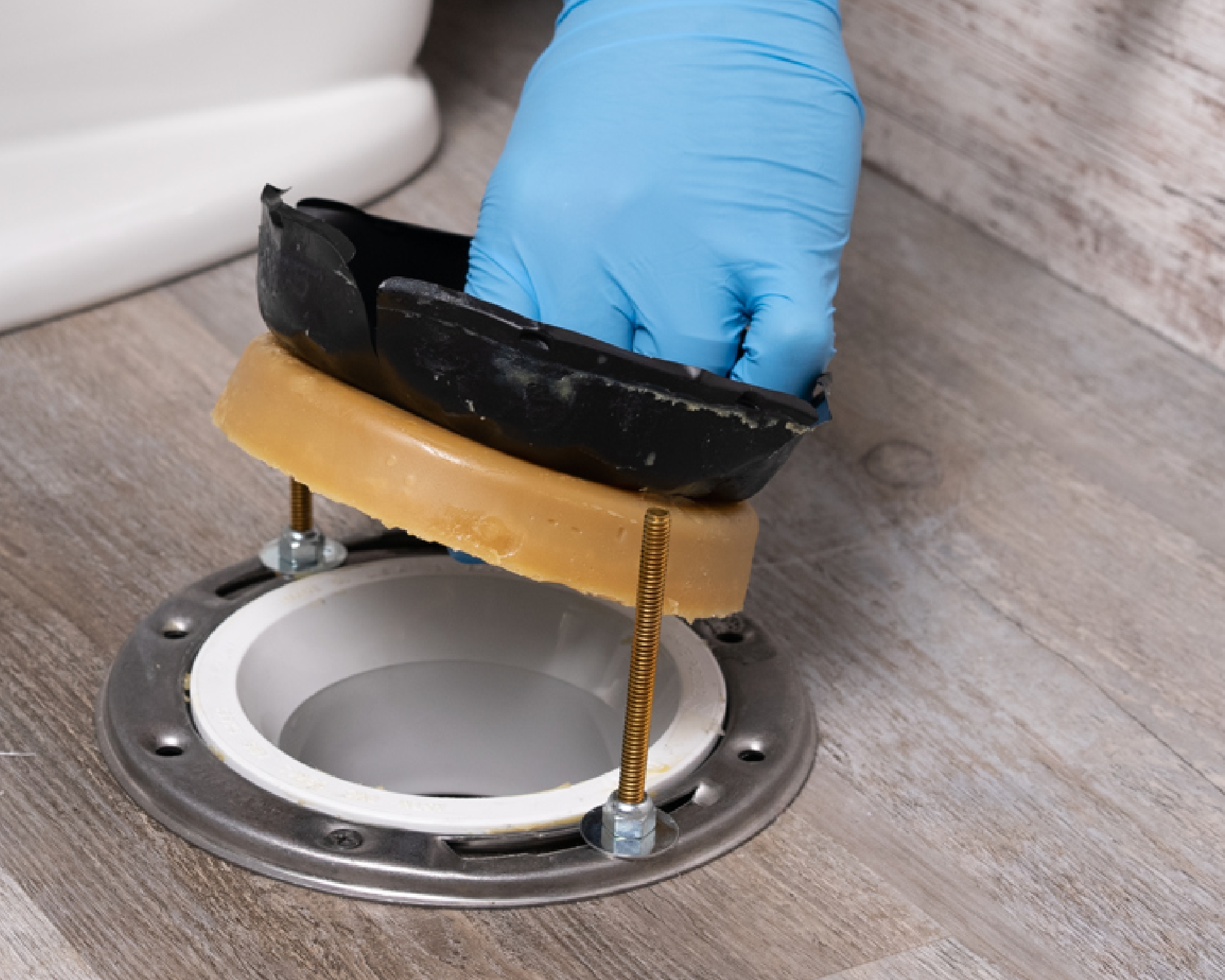
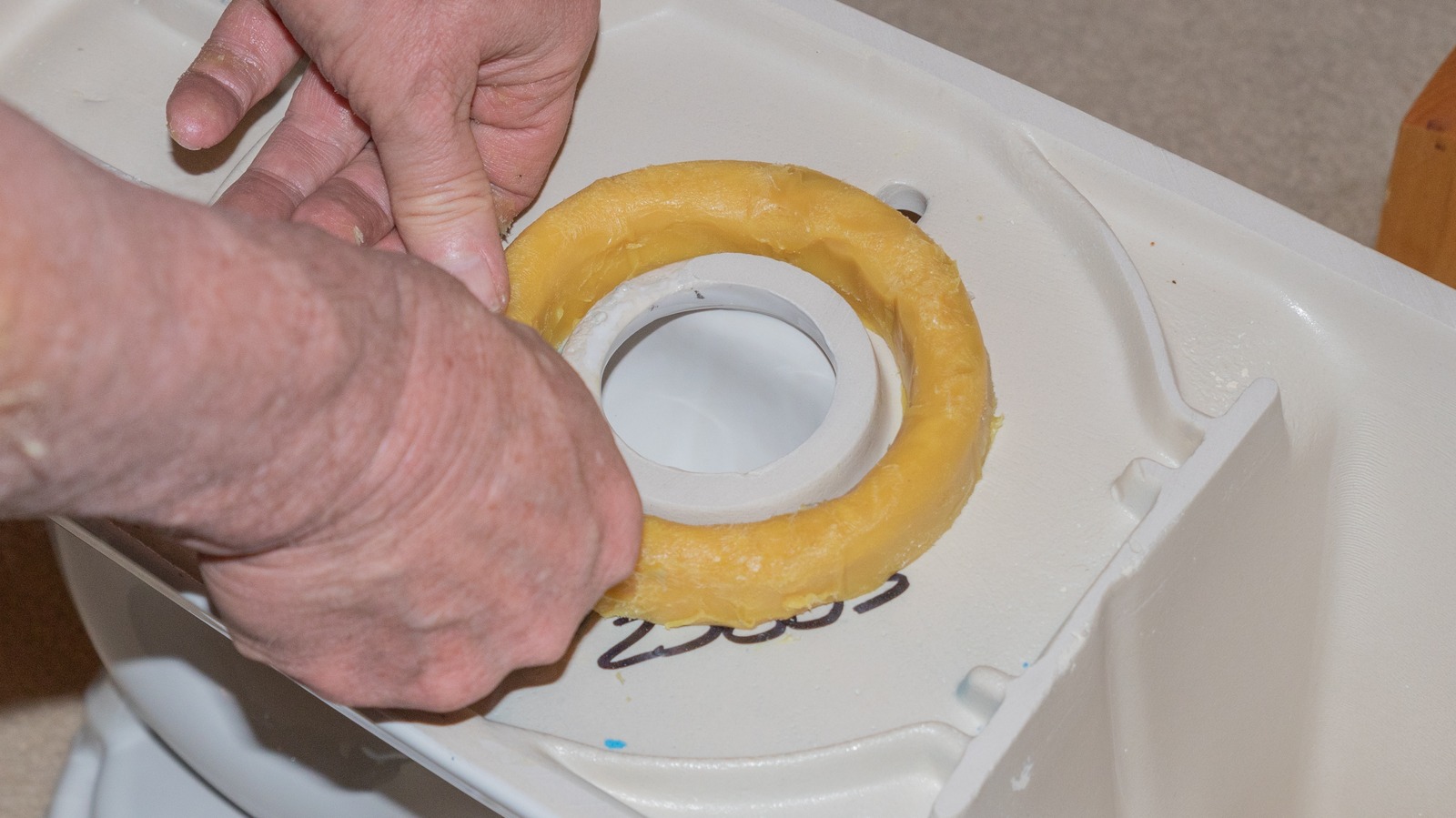
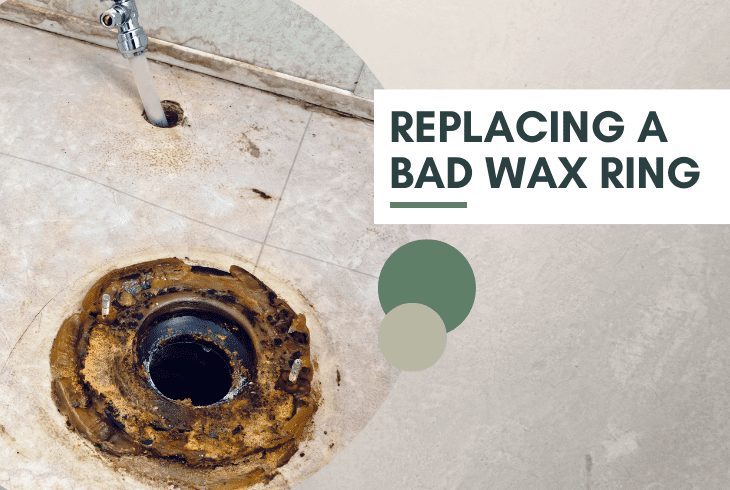
- Remove the Old Wax Ring: Scrape away the old wax ring from both the flange and the bottom of the toilet.
- Inspect the Flange: Check the flange for damage. If it's cracked or broken, it may need to be replaced.
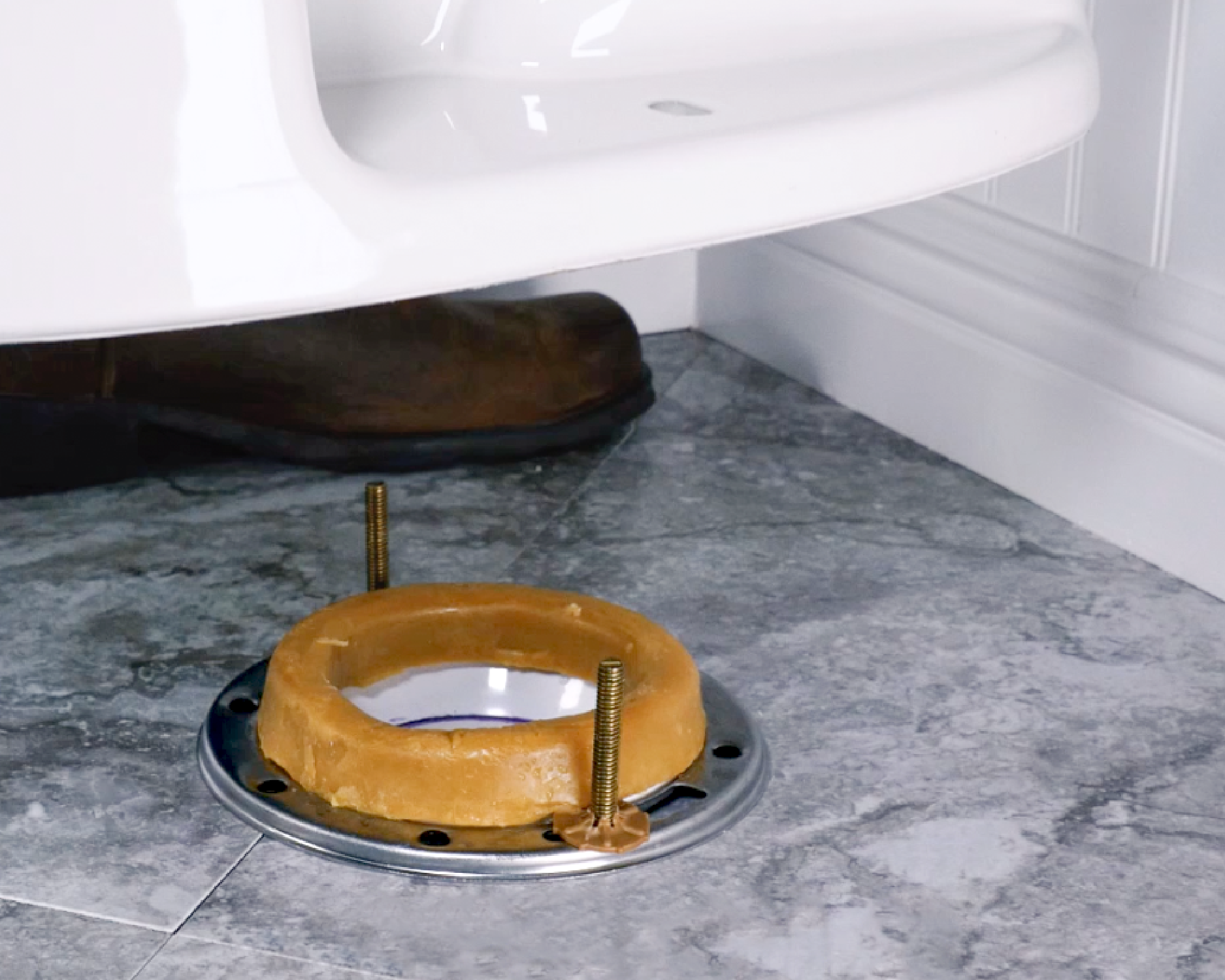
- Install the New Wax Ring: Place the new wax ring on the flange, centering it carefully. Some rings come with a plastic horn that should be facing down into the drain.
- Reinstall the Toilet: Carefully lower the toilet back onto the flange, aligning the bolt holes. Press down firmly to compress the wax ring and create a tight seal.
- Secure the Toilet: Reinstall the bolts and tighten them evenly, alternating between sides. Be careful not to overtighten, as this could crack the porcelain.
- Reconnect the Water Supply Line: Reconnect the water supply line to the toilet tank.
- Turn on the Water Supply: Turn the water supply back on and check for leaks around the base of the toilet and the water supply connection.
- Flush the Toilet: Flush the toilet several times to ensure that it's functioning properly and that there are no leaks.
Conclusion
While the toilet wax ring may seem insignificant, its proper function is essential for preventing leaks and maintaining a sanitary environment. Understanding its lifespan, potential for failure, and replacement procedures is a valuable asset for anyone in the HVAC or related trades. By expanding your skills and knowledge, you can enhance your career prospects and provide better service to your clients.
Remember to always prioritize safety and follow best practices when performing any plumbing or HVAC work. Continuous learning and professional development are key to success in this dynamic industry.