Do You Have To Drain A Portable Air Conditioner
Portable air conditioners offer a convenient way to cool down specific rooms without the hassle of installing a window unit or central AC. However, one common question arises: Do you have to drain a portable air conditioner? The answer, unfortunately, isn't a simple yes or no. It depends on the type of portable AC you own and the humidity levels in your environment.
Understanding Condensation and Portable ACs
To understand why some portable ACs require draining and others don't, it's crucial to grasp the concept of condensation. All air conditioners, including portables, work by removing heat and humidity from the air. This process causes water vapor in the air to condense into liquid water, similar to how a cold glass of water forms condensation on a hot day.
Where does this water go? That's where the different types of portable ACs come into play.
Types of Portable Air Conditioners and Their Drainage Systems
There are primarily two main types of portable air conditioners based on how they handle condensation:
- Single-Hose Portable Air Conditioners: These units use a single hose to vent hot air outside. They are generally more likely to require manual draining.
- Dual-Hose Portable Air Conditioners: These units use two hoses – one to draw in fresh air from outside and another to exhaust hot air. They tend to be more efficient and may require draining less frequently, or not at all in some models.
Within these two categories, there are further variations in how the condensation is managed:
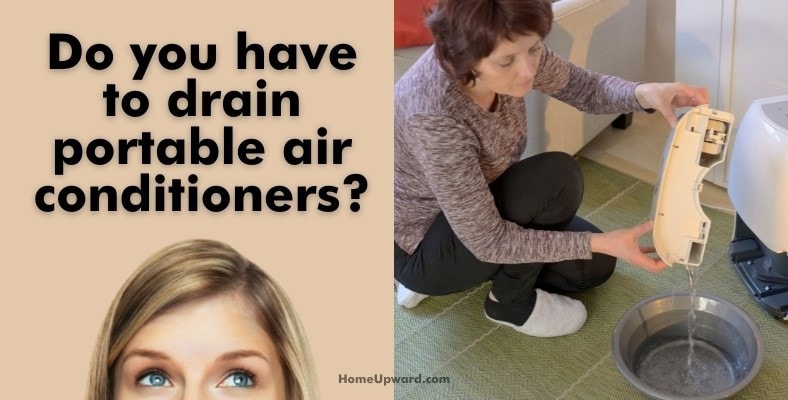
- Manual Drain Models: These are the most common type. They collect the condensation in a drain pan or reservoir that you need to empty manually when it becomes full. Typically, a warning light will illuminate, or the unit will shut off automatically to prevent overflow.
- Self-Evaporative Models: These units are designed to evaporate most or all of the collected condensation and vent it out through the exhaust hose. While they're often marketed as "no-drain" ACs, it's important to understand that they don't always eliminate the need for draining entirely. In highly humid environments, they might still produce more condensation than they can evaporate.
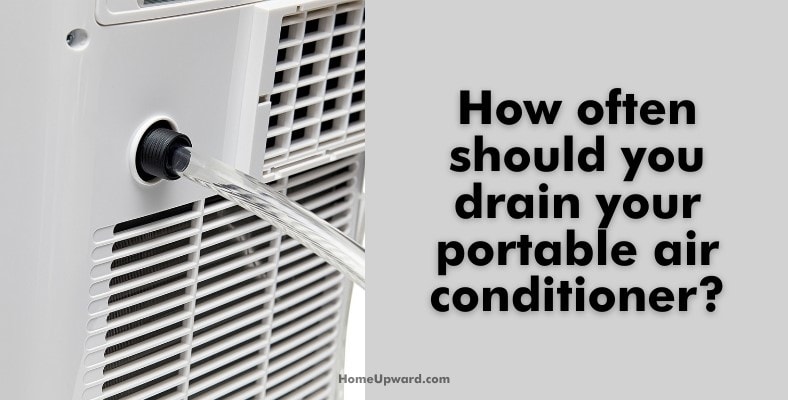
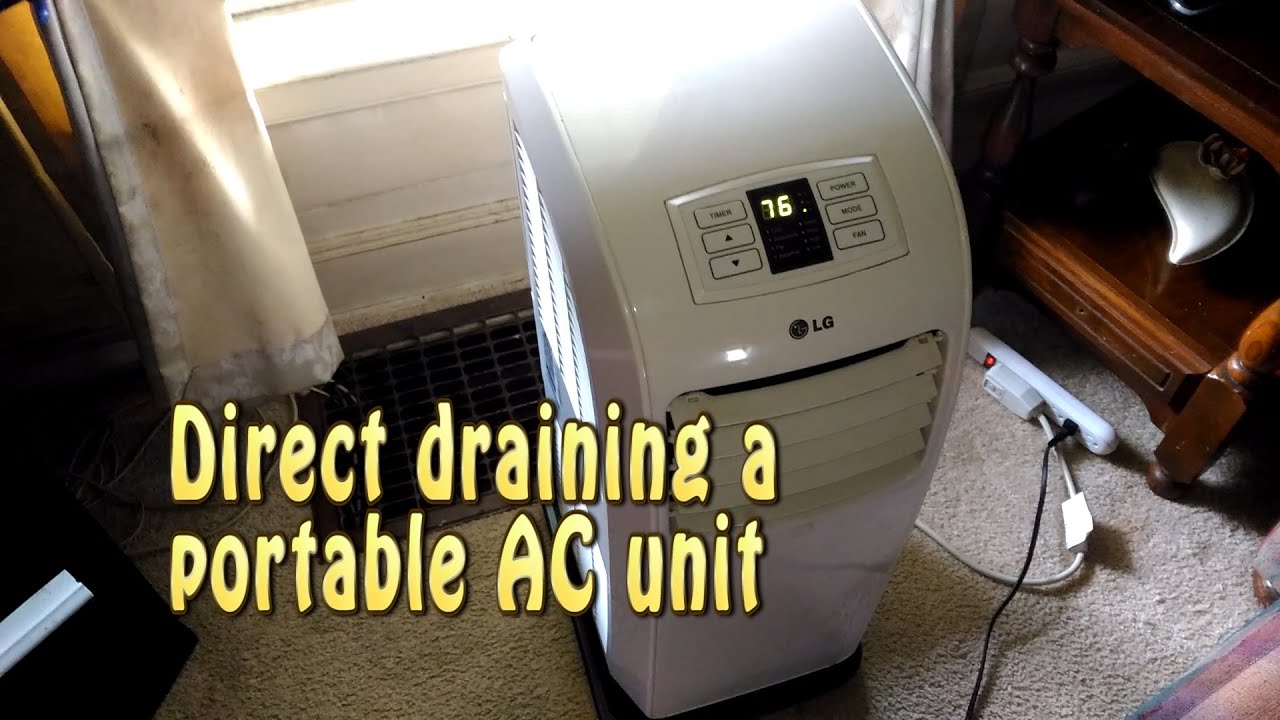
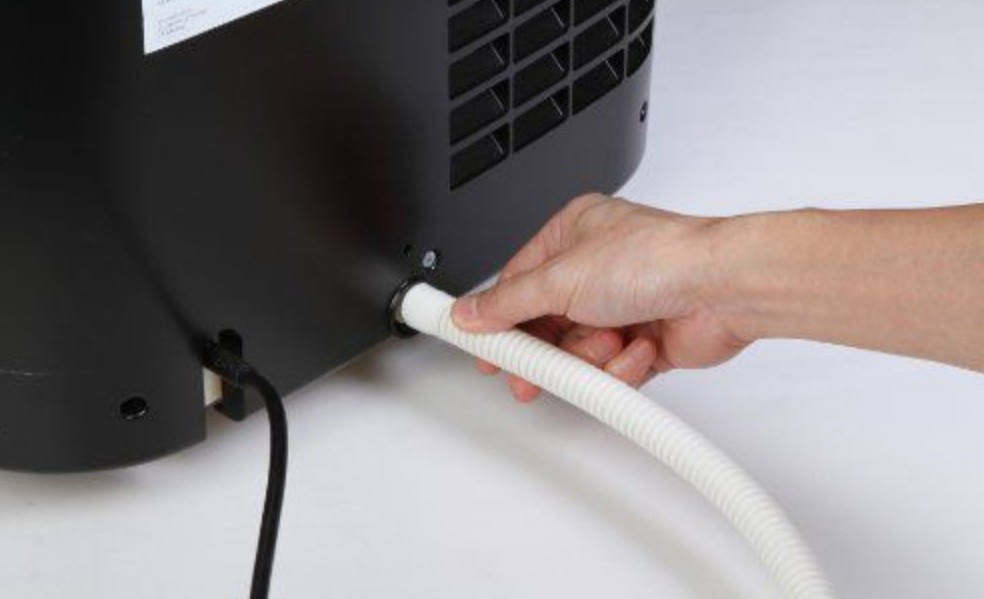
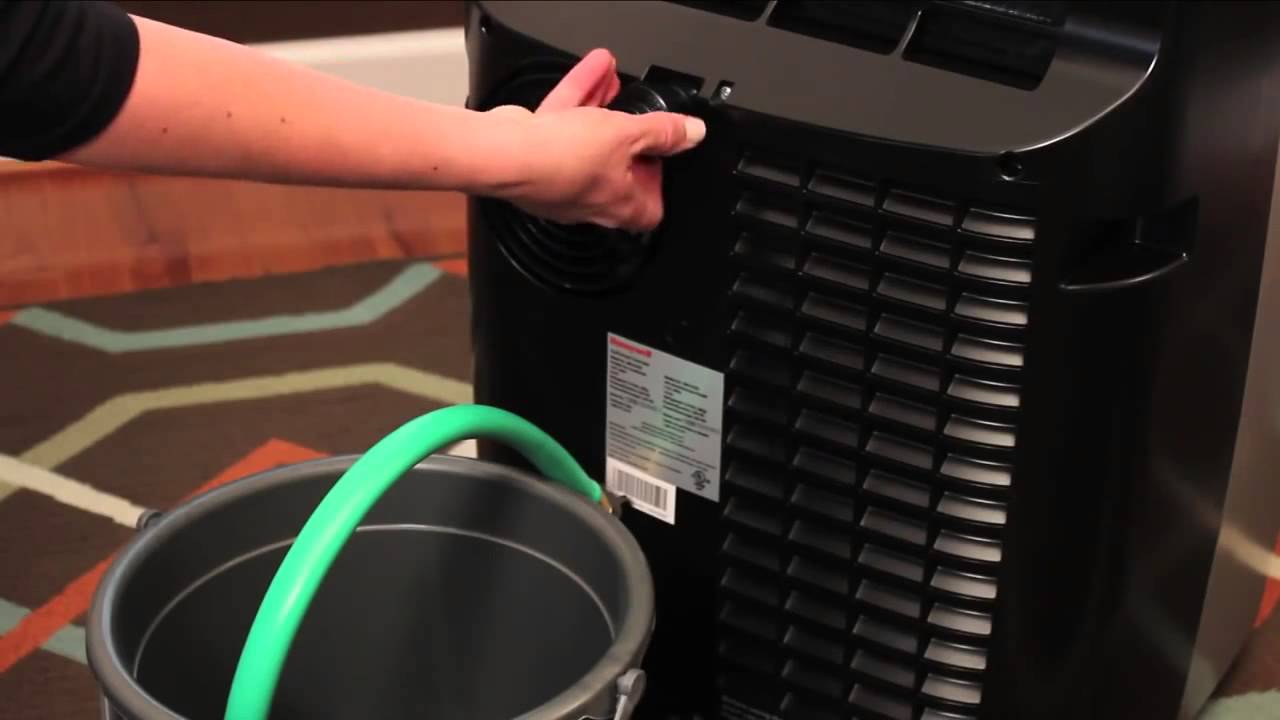
- Continuous Drain Models: These models are equipped with a drain port that allows you to connect a hose and continuously drain the water into a floor drain, sink, or bucket. This is a convenient option if you live in a very humid area and don't want to worry about emptying a drain pan frequently.
How to Determine If Your Portable AC Needs Draining
Here's a step-by-step guide to figure out if your portable air conditioner requires draining:
- Check the Owner's Manual: This is the most important step. The manual will explicitly state whether your unit requires manual draining, is self-evaporative, or has a continuous drain option. Pay close attention to any warnings about humidity levels.
- Look for a Drain Pan or Reservoir: If your manual indicates that the unit requires manual draining, you'll find a drain pan or reservoir at the bottom of the unit. It might be visible or hidden behind a panel.
- Monitor the Indicator Light: Many portable ACs have an indicator light that turns on when the drain pan is full. If you see this light illuminated, it's time to drain the unit.
- Listen for Unusual Noises: Sometimes, a full drain pan can cause gurgling or sloshing noises. These sounds can be a sign that the unit needs to be drained.
- Observe Performance: If your portable AC is struggling to cool the room effectively, or if it's cycling on and off frequently, it could be due to a full drain pan.
- Check for Leaks: If you notice water leaking from the unit, it's a clear indication that the drain pan is overflowing. Turn off the unit immediately and drain it.
The Impact of Humidity
The humidity level in your environment plays a significant role in how much condensation your portable AC produces. In humid climates, even "self-evaporative" models might require occasional draining. Conversely, in drier climates, you might rarely need to drain even a manual-drain model.
Think of it this way: if the air is already saturated with moisture, the AC has more water to extract. Just like a sponge can only absorb so much water, a self-evaporative AC can only evaporate a certain amount of condensation. If the humidity is too high, the excess water will collect in the drain pan.
Recognizing High Humidity Levels
You can often tell if the humidity is high simply by how the air feels – sticky, heavy, and uncomfortable. Other signs of high humidity include:
- Condensation on windows and mirrors
- Musty odors
- Mold or mildew growth
If you experience any of these signs, you're likely in a humid environment, and you should be prepared to drain your portable AC more frequently, even if it's a self-evaporative model.
How to Drain a Portable Air Conditioner
Draining a portable air conditioner is a straightforward process:
- Turn Off and Unplug the Unit: Safety first! Always turn off and unplug the unit before draining it.
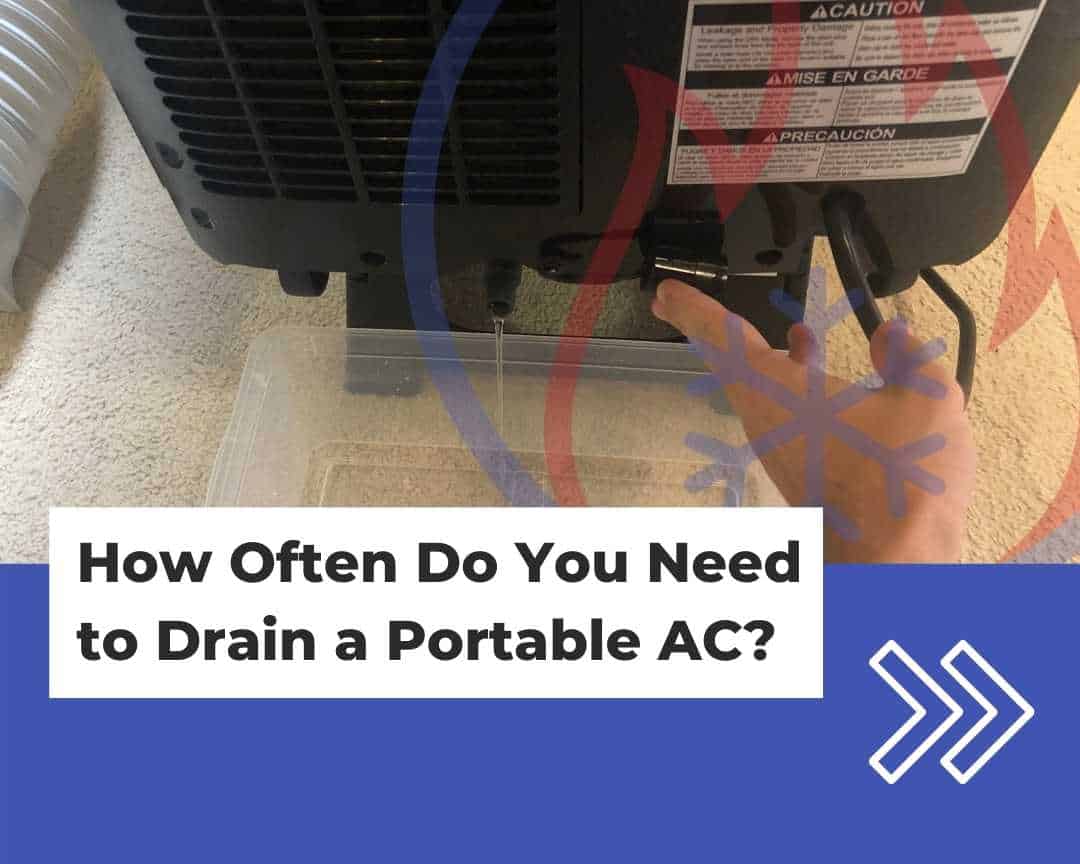
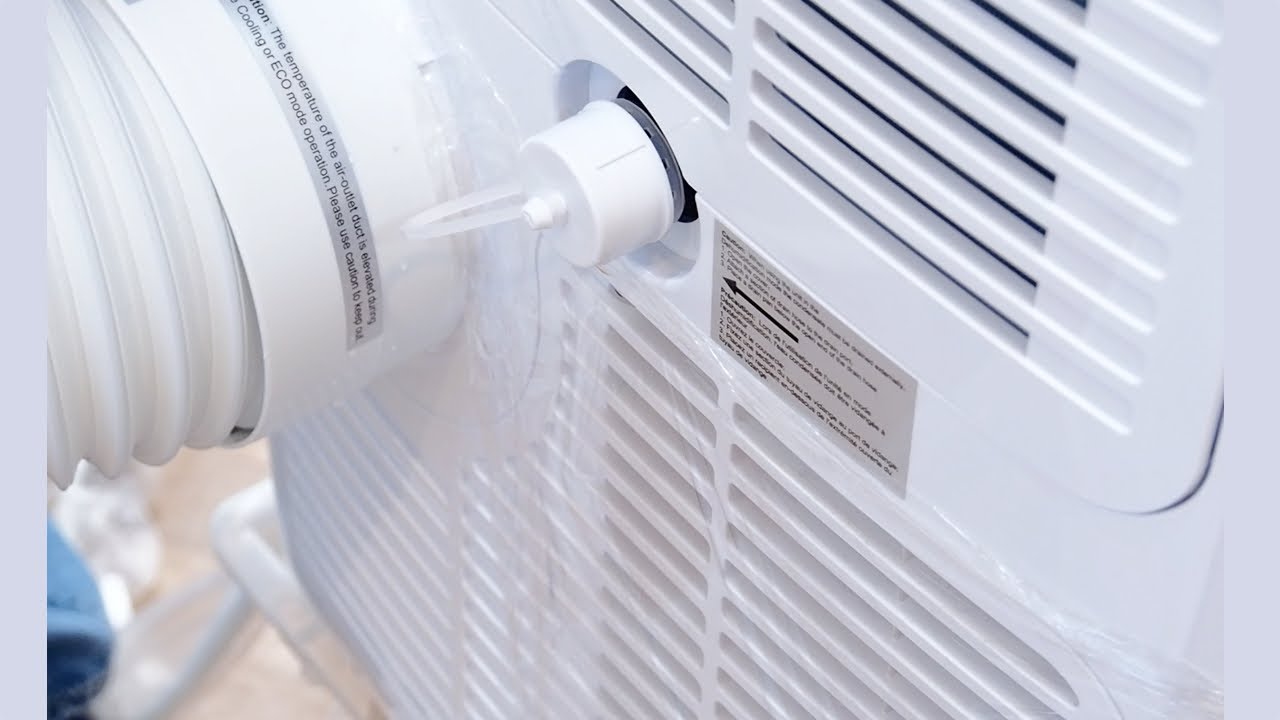
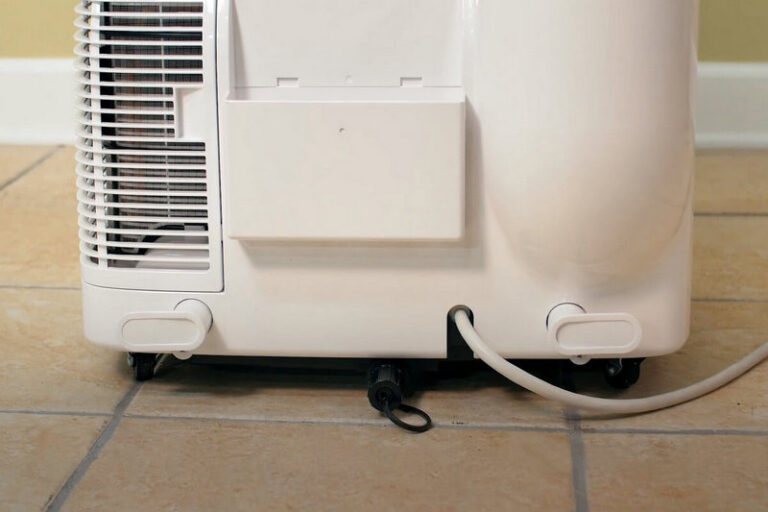
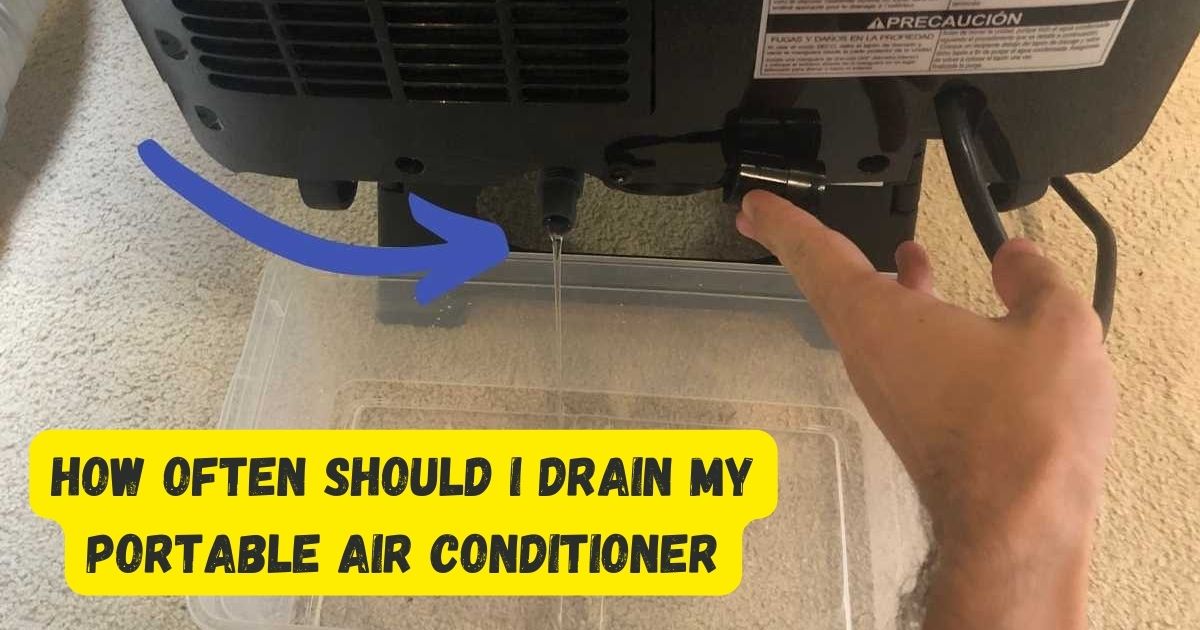
- Locate the Drain Plug: The drain plug is typically located at the bottom or back of the unit. Consult your owner's manual if you're unsure where to find it.
- Place a Container Under the Drain Plug: Use a shallow pan, bucket, or large bowl to collect the water. Make sure the container is large enough to hold all the water in the drain pan.
- Remove the Drain Plug: Carefully remove the drain plug and allow the water to flow into the container.
- Tilt the Unit (Optional): If the drain pan is not completely emptying, you can gently tilt the unit to help drain the remaining water. Be careful not to spill any water.
- Replace the Drain Plug: Once the drain pan is empty, replace the drain plug securely.
- Plug In and Turn On the Unit: Plug the unit back in and turn it on. The indicator light should be off, and the unit should be operating normally.
Tips for Managing Condensation
Here are some additional tips for managing condensation in your portable air conditioner:
- Consider a Continuous Drain System: If you live in a humid area, setting up a continuous drain system can save you a lot of time and effort. Simply connect a hose to the drain port and run it to a floor drain or other suitable drainage point.
- Use a Dehumidifier: Running a dehumidifier in conjunction with your portable AC can help reduce the humidity in the room, decreasing the amount of condensation produced.
- Ensure Proper Ventilation: Proper ventilation can also help reduce humidity. Open windows and doors (when the AC isn't running) to allow fresh air to circulate.
- Clean the Unit Regularly: Clean the air filter and other components of the unit regularly to ensure optimal performance and prevent mold or mildew growth.
- Elevate the Unit: Place the unit on a slightly elevated surface to make draining easier. This will also help prevent water from damaging the floor.
- Use Distilled Water (If Required): Some models require distilled water for the self-evaporation process. Check your manual for specific instructions.
What Happens If You Don't Drain Your Portable AC?
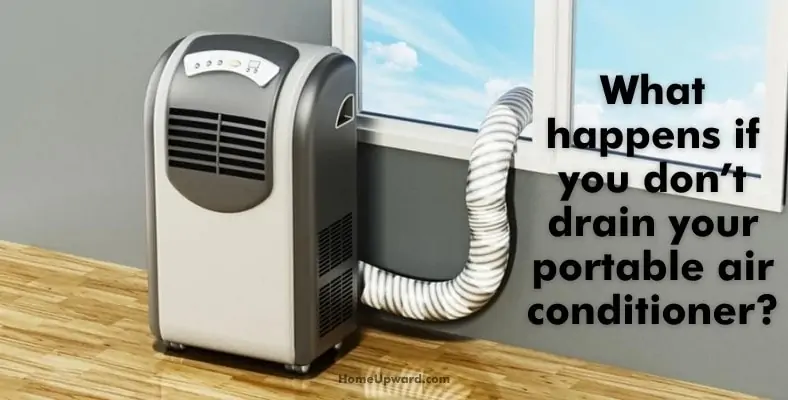
Ignoring the need to drain your portable AC can lead to several problems:
- Reduced Cooling Efficiency: A full drain pan can prevent the unit from cooling effectively.
- Water Damage: Overflowing water can damage your floors, carpets, and furniture.
- Mold and Mildew Growth: Standing water creates a breeding ground for mold and mildew, which can be harmful to your health.
- Unit Malfunction: In some cases, a full drain pan can cause the unit to malfunction or even break down.
It's crucial to address the drainage needs of your portable AC to ensure its longevity and prevent any potential problems.
Choosing the Right Portable AC for Your Needs
When selecting a portable air conditioner, consider the following factors:
- Room Size: Choose a unit with the appropriate BTU (British Thermal Units) rating for the size of the room you want to cool.
- Humidity Levels: If you live in a humid area, opt for a dual-hose model with a continuous drain option.
- Noise Level: Portable ACs can be noisy. Look for models with a low noise rating.
- Features: Consider features like remote control, timers, and adjustable fan speeds.
- Drainage System: Decide whether you prefer a manual drain, self-evaporative, or continuous drain model.
- Energy Efficiency: Look for models with a high energy efficiency rating to save on electricity costs.
Ultimately, the best portable air conditioner for you will depend on your individual needs and preferences. By understanding the different types of units and their drainage systems, you can make an informed decision and enjoy a cool and comfortable environment.
In conclusion, while some portable air conditioners are designed to minimize or eliminate the need for draining, it's essential to understand your unit's specific requirements and your local humidity levels. Regular monitoring and proper drainage practices will ensure optimal performance, prevent damage, and extend the life of your portable AC.