Does Snow Melt At 35 Degrees
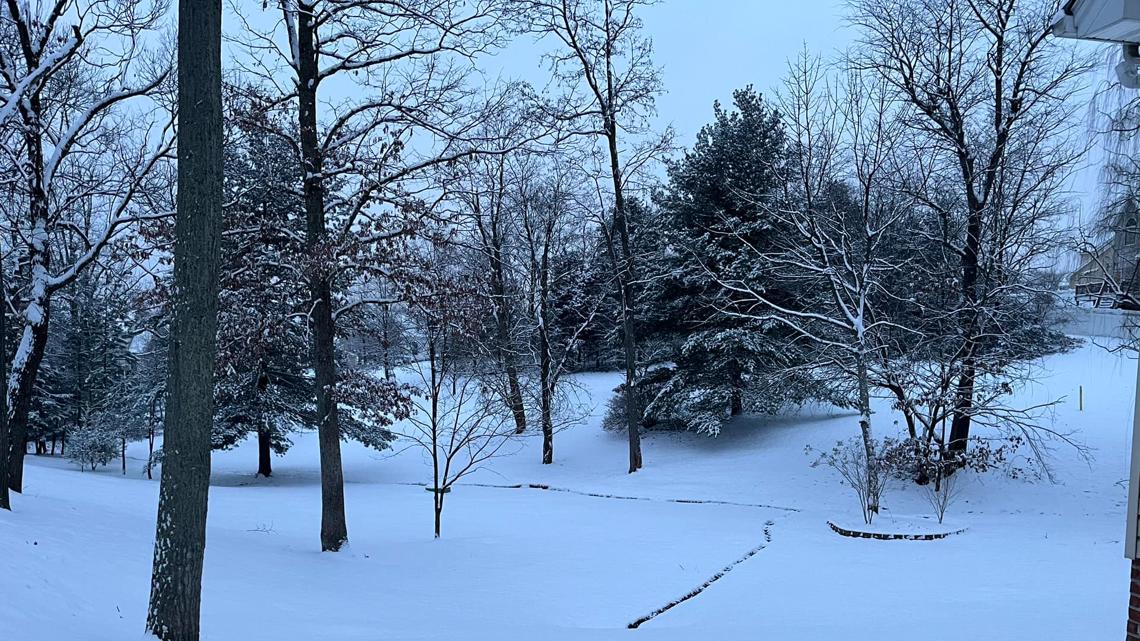
We've all been there: looking out the window on a seemingly mild winter day, wondering why the snow isn't melting as quickly as we'd expect. A common question pops up: "Does snow melt at 35 degrees?" The answer, while seemingly simple, has a few nuances that can affect your home's comfort and your HVAC system's performance. This article breaks down the science behind snow melt and its impact on your heating and cooling system, along with some practical tips for homeowners.
The Science of Snow Melt: More Than Just Temperature
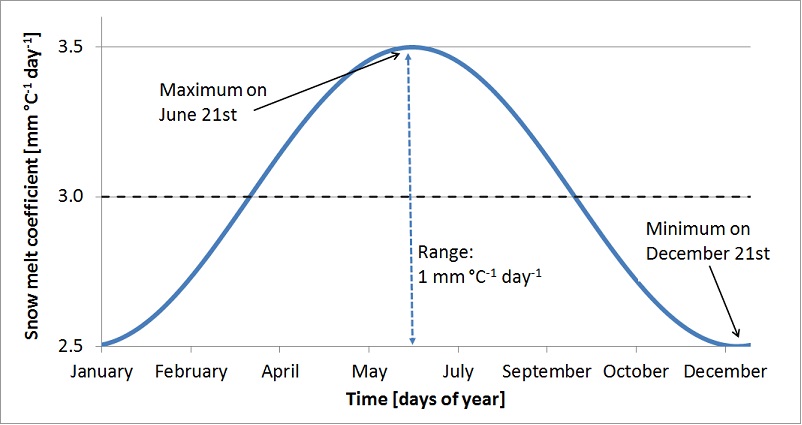
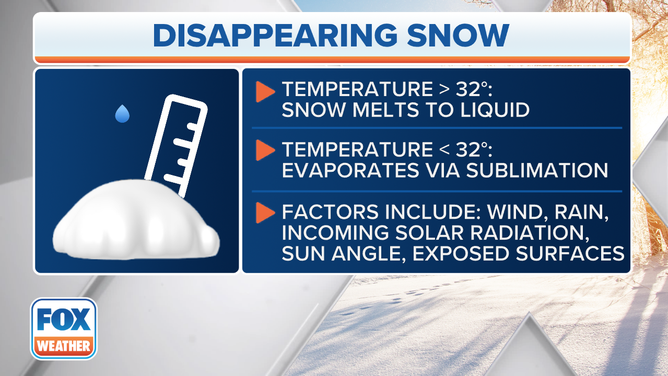
The short answer is: No, snow doesn't automatically melt at 35 degrees Fahrenheit (approximately 1.7 degrees Celsius). While 32°F (0°C) is the freezing point of water, several factors influence how quickly snow melts. It's crucial to understand these factors, especially when assessing potential problems around your home related to ice and snow buildup.
Factors Affecting Snow Melt:
- Air Temperature: The most obvious factor. The closer the air temperature is to or above 32°F (0°C), the faster the snow will melt. However, even slightly below freezing temperatures can delay melting.
- Sunlight: Solar radiation is a significant source of heat. Direct sunlight can dramatically accelerate snow melt, even if the air temperature is below freezing. Conversely, shaded areas will retain snow much longer.
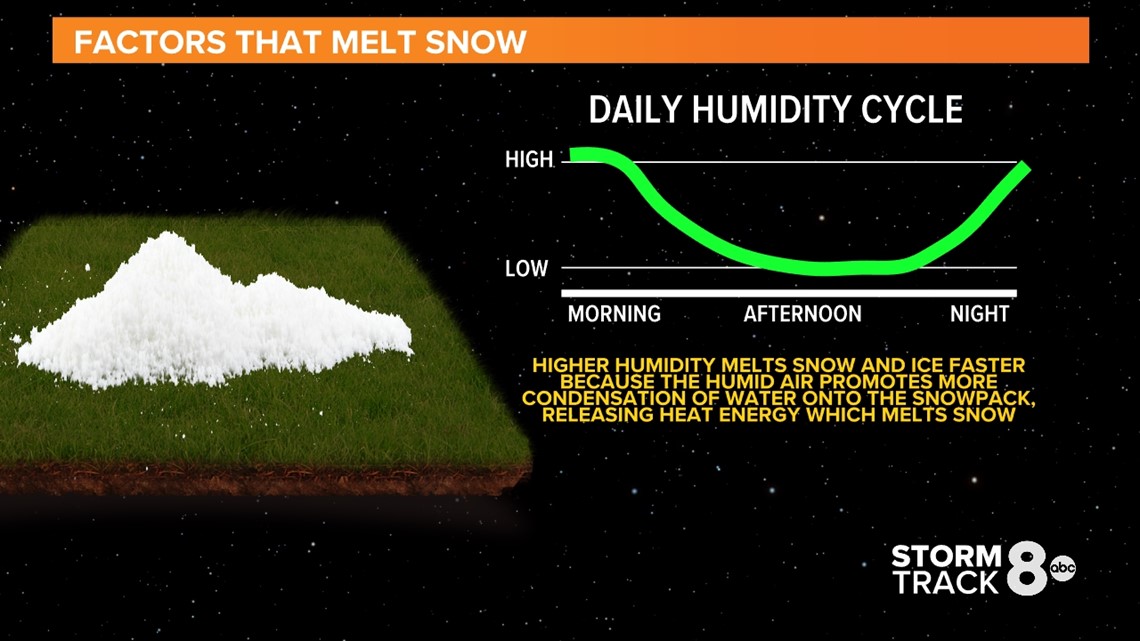
- Humidity: Higher humidity can slow down melting. Humid air feels warmer, but it also reduces the rate of evaporation, which is a key part of the melting process. Drier air allows snow to sublimate (turn directly from solid to gas) and melt more readily.
- Wind: Wind can either accelerate or decelerate snow melt. Warm wind helps to melt snow, while cold wind can lower the snow's surface temperature, slowing down the process.
- Ground Temperature: The temperature of the ground beneath the snow plays a crucial role. If the ground is warmer than the snow, it will contribute to melting from below. However, if the ground is frozen, it will absorb heat from the snow, slowing down the melt.
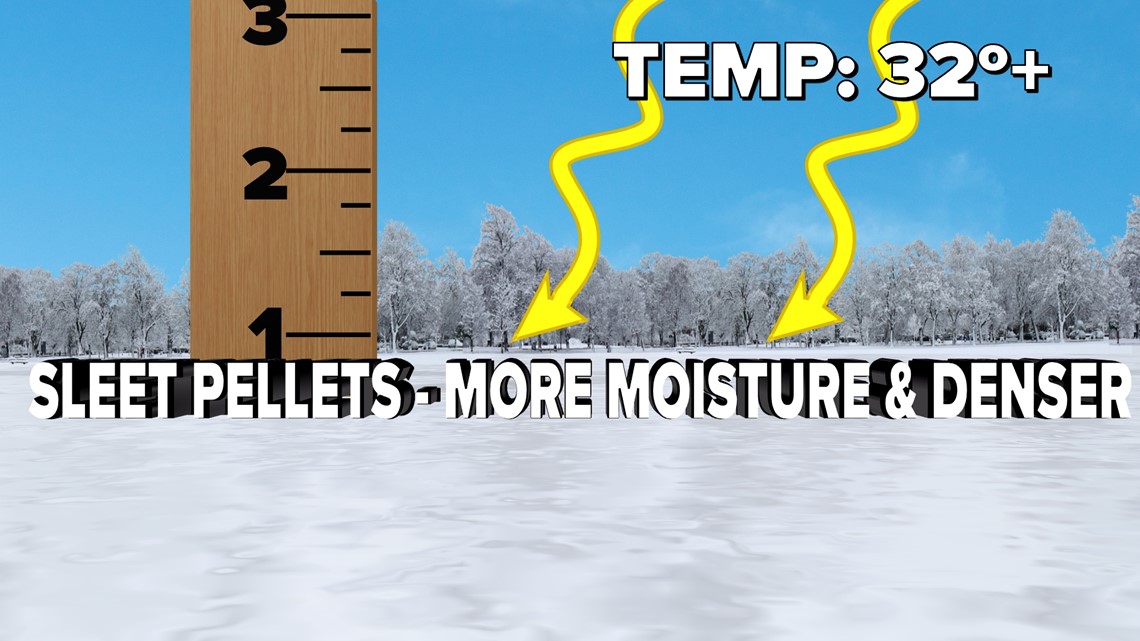
- Type of Snow: Wet, heavy snow melts differently than light, powdery snow. Wet snow already contains liquid water, so it will melt more quickly.
- Presence of Ice: A layer of ice beneath the snow acts as an insulator, slowing down the rate at which heat from the ground can reach the snow.
Therefore, even if the temperature hovers around 35°F, snow might not melt significantly without direct sunlight, warm ground, or favorable wind conditions. This can lead to potential problems around your home.
Snow and Ice Buildup: Potential HVAC Problems
Snow and ice accumulation can negatively affect your HVAC system. Understanding these potential issues can help you take preventative measures and avoid costly repairs.
Common HVAC Problems Caused by Snow and Ice:
- Blocked Air Intakes: Snowdrifts can block air intakes for your furnace or heat pump, reducing airflow and potentially causing the system to overheat or shut down.
- Frozen Condensate Lines: Condensate lines, especially those located outside, can freeze and become blocked. This can cause water to back up into your furnace, leading to damage.
- Ice Buildup on Heat Pump Coils: Heat pumps extract heat from the outside air. In cold weather, ice can form on the outdoor coil, reducing its efficiency. While heat pumps have defrost cycles, excessive ice buildup can overwhelm the system.
- Roof Damage from Ice Dams: Ice dams form when snow melts on a warm roof and then refreezes at the eaves, creating a barrier that prevents further melting snow from draining. This can lead to water damage inside your home.
- Damaged Ductwork: If ductwork is located in unheated areas, ice and snow can exacerbate any existing leaks or cracks, leading to energy loss and reduced heating efficiency.
DIY Solutions and Preventative Measures
While some HVAC issues require professional attention, there are several steps you can take to prevent problems caused by snow and ice.
DIY Snow and Ice Prevention Tips:
- Clear Air Intakes: Regularly clear snow away from outdoor air intakes for your furnace or heat pump. Ensure a clear path for airflow.
- Insulate Exposed Pipes: Insulate any exposed condensate lines or other pipes to prevent freezing. Pipe insulation is readily available at hardware stores.
- Trim Overhanging Branches: Trim overhanging tree branches to prevent them from dropping snow and ice onto your roof or HVAC equipment.
- Ensure Proper Roof Ventilation: Proper attic ventilation helps to keep the roof temperature consistent, reducing the risk of ice dam formation. Check that your attic vents are not blocked by insulation or debris.
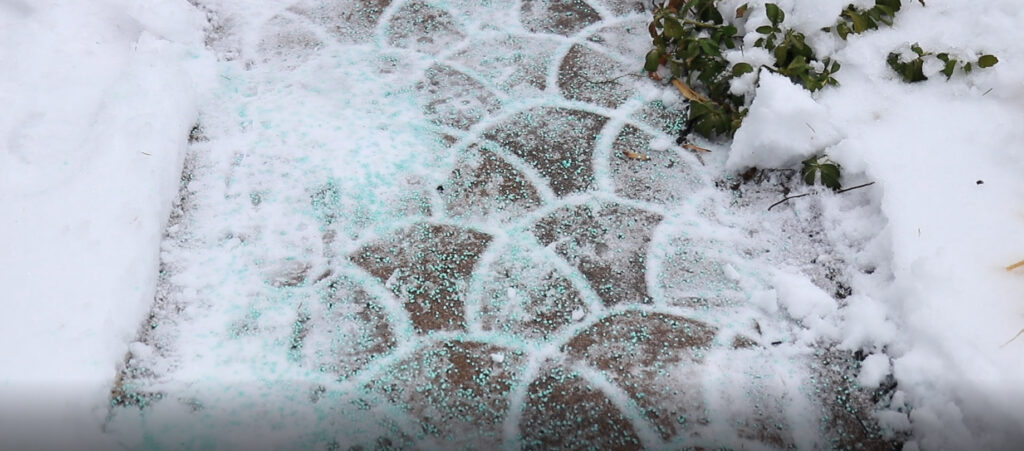
- Use De-icing Products: Apply de-icing products (calcium chloride, rock salt, etc.) to walkways and driveways to prevent ice buildup. Be mindful of using these products near vegetation as they can be harmful.
When to Call a Professional
While DIY solutions can address some issues, certain problems require the expertise of a qualified HVAC technician. Knowing when to call a professional can prevent further damage and ensure your system operates safely and efficiently.
Signs You Need to Call an HVAC Professional:
- Your Furnace or Heat Pump is Not Working: If your heating system is not producing heat, it's best to call a professional to diagnose and repair the problem.
- You Suspect a Frozen Condensate Line: If you suspect a frozen condensate line, don't try to thaw it yourself with a heat gun or open flame. This can damage the pipe. A professional has the tools and expertise to safely thaw the line.
- You See Ice Buildup on Your Heat Pump That Doesn't Thaw: While some ice buildup is normal, excessive ice that doesn't thaw during the defrost cycle indicates a problem with the system.
- You Notice Water Leaks Inside Your Home: Water leaks can be a sign of ice dam formation or other roofing issues. Call a roofer and an HVAC technician to assess the damage.
- You Smell Gas: If you smell gas near your furnace, evacuate your home immediately and call your gas company.
Estimated Repair Costs
HVAC repair costs can vary depending on the nature of the problem and the complexity of the repair. Here are some approximate cost ranges for common snow and ice-related HVAC issues. Keep in mind that these are estimates and the actual cost may vary based on your location and the specific contractor you hire.
- Frozen Condensate Line Thawing: $75 - $200
- Heat Pump Defrost Cycle Repair: $150 - $500
- Furnace Repair (Related to Airflow Issues): $200 - $800
- Roof Repair (Ice Dam Damage): $500 - $5,000+ (depending on the extent of the damage)
Note: These are just estimates. Always get a quote from a qualified HVAC technician before proceeding with any repairs.
Safety First!
Working with HVAC systems can be dangerous. Always follow these safety precautions:
- Turn Off the Power: Before attempting any DIY repairs, turn off the power to your furnace or heat pump at the circuit breaker.
- Wear Protective Gear: Wear gloves and eye protection when working with HVAC equipment.
- Never Work on Gas Lines: If you suspect a gas leak, evacuate your home immediately and call your gas company. Do not attempt to repair gas lines yourself.
- Be Aware of Electrical Hazards: HVAC systems operate on high voltage. Be careful to avoid contact with electrical components.
- When in doubt, call a professional: If you are not comfortable performing a repair yourself, it is always best to call a qualified HVAC technician.
Understanding how snow melt works and its potential impact on your HVAC system is crucial for homeowners. By taking preventative measures and knowing when to call a professional, you can keep your home comfortable and avoid costly repairs. Remember, "Does snow melt at 35 degrees?" is a complex question with a nuanced answer, and awareness is your best defense against winter HVAC problems.