Does The Mall Of America Have Heat

The Mall of America (MOA) in Bloomington, Minnesota, is a behemoth – a retail and entertainment mecca attracting millions of visitors each year. But a common question, particularly relevant to those of us mindful of energy consumption and heating costs, is: Does the Mall of America even need heat? And if so, how is it handled? The answer is more nuanced than you might expect, and the MOA serves as a fascinating case study in large-scale climate control and energy efficiency.
The Core Question: Heating Needs in a Minnesotan Winter
Minnesota winters are notoriously harsh. Average temperatures in January, the coldest month, hover around 16°F (-9°C). Heating is a significant expense for homes and businesses throughout the state. So, how does a building of the Mall of America’s size cope with this challenge?
The initial, perhaps surprising, answer is that the MOA doesn't rely on a conventional, building-wide heating system. Yes, certain areas within the mall have localized heating systems (more on that later), but the vast majority of the building maintains a relatively stable temperature without traditional central heating. This is achieved primarily through a combination of factors:
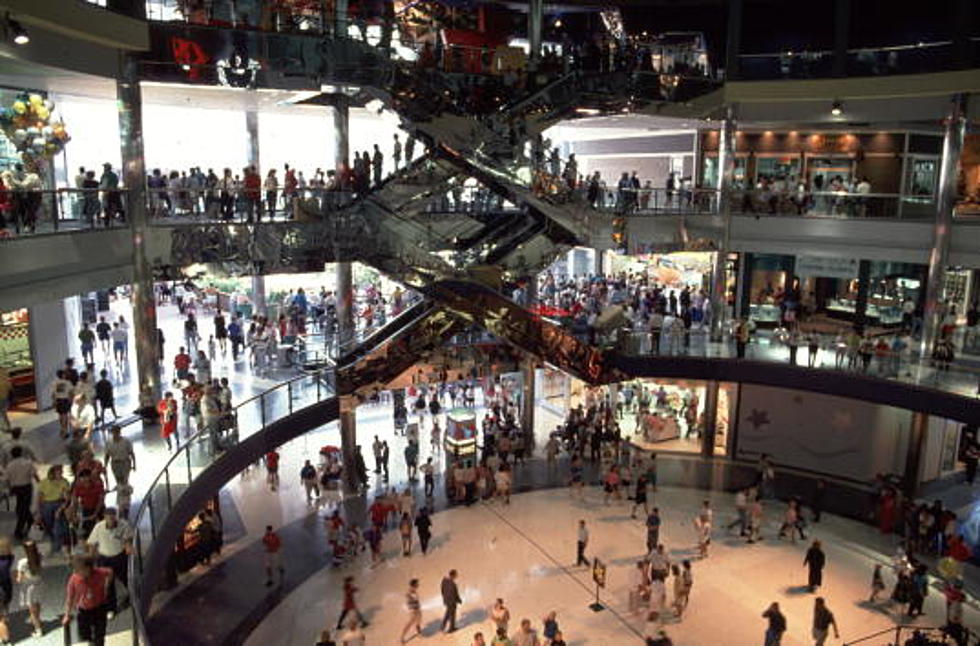
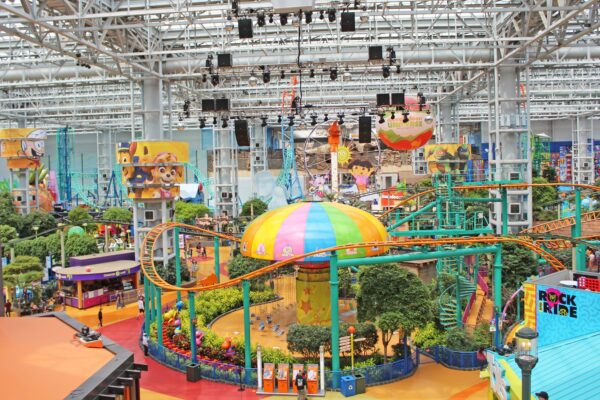
- Passive Solar Gain: The MOA’s design maximizes the use of sunlight. The large skylights, particularly the extensive glass roof over Nickelodeon Universe, allow significant solar energy to enter the building. This free and renewable energy source contributes substantially to the mall's overall warmth.
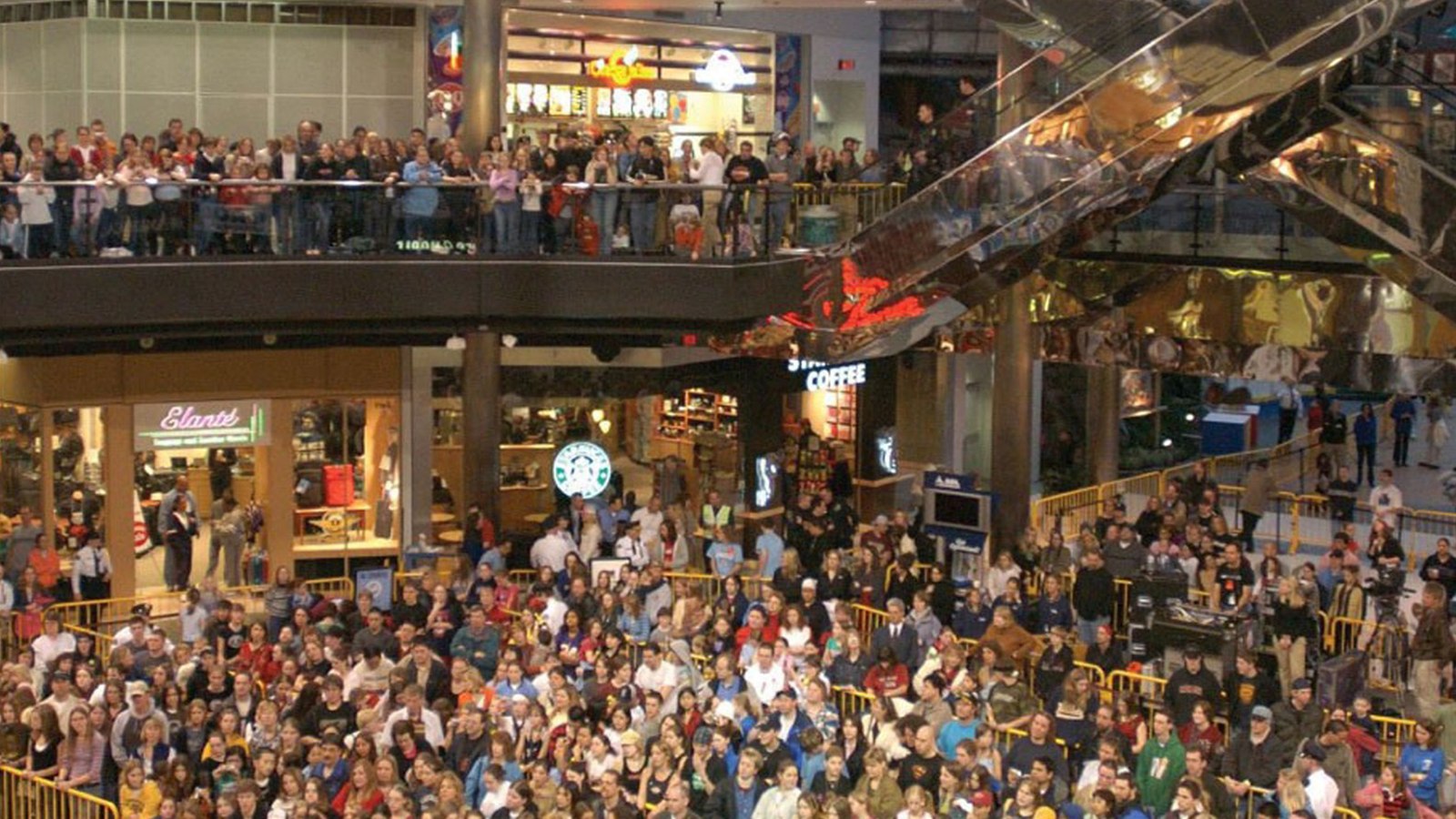
- Internal Heat Sources: The Mall of America is a hub of activity. Thousands of people milling around, along with the operation of hundreds of retail stores, restaurants, and attractions, generate a significant amount of internal heat. Think of all the computers, lighting, kitchen equipment, and even the body heat of shoppers contributing to the overall temperature.
- Insulation and Building Design: The mall's design itself plays a crucial role. While not airtight (a constant flow of fresh air is still needed), the building is well-insulated to minimize heat loss to the frigid exterior. The use of concrete and other thermal mass materials helps to retain the heat generated inside.
Localized Heating Systems: When and Where They're Used
While the central areas of the mall largely self-regulate their temperature, localized heating systems *are* used in specific zones:
- Perimeter Stores: Stores located along the exterior walls of the mall are more susceptible to heat loss and typically have their own HVAC systems to maintain comfortable temperatures for shoppers and employees. These systems can range from standard forced-air furnaces to more energy-efficient options like heat pumps.
- Restaurant Kitchens: Restaurant kitchens generate a significant amount of heat, but they also require precise temperature control for food safety and employee comfort. Supplemental heating and cooling systems are typically used to manage these specific needs.
- Office Spaces: The Mall of America has office spaces for management and other personnel. These areas are often equipped with dedicated HVAC systems to provide consistent climate control for optimal productivity.
- Loading Docks and Entrance Areas: These areas, frequently exposed to the outside elements, require localized heating to prevent freezing and ensure safe operation. Radiant heating systems are often used in loading docks for their efficiency and ability to directly warm surfaces.
Energy Efficiency and Sustainability Initiatives
Despite its size, the Mall of America has made strides in energy efficiency and sustainability. These initiatives not only reduce the mall's environmental impact but also contribute to significant cost savings. Here are some key examples:
- High-Efficiency Lighting: The MOA has transitioned to energy-efficient lighting technologies such as LEDs throughout the mall. LEDs consume significantly less energy than traditional incandescent or fluorescent bulbs, resulting in lower electricity bills and reduced carbon emissions. Many businesses and homeowners have upgraded lighting to LED, which can save 75% on lighting energy costs, according to the Department of Energy.
- Energy Management Systems (EMS): The mall utilizes sophisticated EMS to monitor and control energy consumption throughout the building. These systems allow operators to optimize HVAC settings, lighting levels, and other energy-intensive processes based on real-time occupancy and weather conditions. A smart EMS allows remote monitoring and automated adjustments.
- Renewable Energy Sources: While not solely reliant on renewable energy, the MOA has explored and implemented various renewable energy solutions. This may include solar panels on rooftops or partnerships with local renewable energy providers. Many states have incentives or rebates for renewable energy such as solar panels; check the DSIRE (Database of State Incentives for Renewables & Efficiency) website.
- Water Conservation Measures: Reducing water consumption is another important aspect of sustainability. The MOA has implemented water-efficient fixtures and landscaping practices to minimize water waste.
- Waste Reduction and Recycling Programs: The mall actively promotes waste reduction and recycling programs to minimize its environmental footprint and divert waste from landfills.
ROI and Energy Savings: Lessons for Homeowners and Businesses
The Mall of America's approach to climate control offers valuable lessons for homeowners and businesses looking to reduce energy consumption and save money. Here are some key takeaways:
- Maximize Passive Solar Gain: In homes, consider strategies to maximize passive solar gain during the winter months. This might involve trimming trees that block sunlight, installing south-facing windows, or adding thermal mass materials like concrete or brick to absorb and store heat.
- Improve Insulation: Proper insulation is essential for minimizing heat loss in winter and keeping your home cool in summer. Insulate walls, attics, and basements to reduce energy bills. The EPA recommends specific insulation levels depending on your climate zone.
- Seal Air Leaks: Sealing air leaks around windows, doors, and other openings can significantly reduce energy waste. Use caulk and weather stripping to seal gaps and prevent drafts.
- Upgrade to Energy-Efficient HVAC Systems: When it's time to replace your HVAC system, choose energy-efficient models with high SEER (Seasonal Energy Efficiency Ratio) and HSPF (Heating Seasonal Performance Factor) ratings. Energy Star certified HVAC systems meet stringent efficiency standards and can save you money on energy bills.
- Install a Smart Thermostat: Smart thermostats allow you to remotely control your home's temperature and create customized heating and cooling schedules. Some models even learn your habits and automatically adjust the temperature to optimize energy savings. Many utility companies offer rebates for installing smart thermostats.
- Consider Zoning Systems: Zoning systems allow you to control the temperature in different areas of your home independently. This can be particularly useful for homes with multiple levels or rooms that are rarely used.
- Regular Maintenance: Regularly maintain your HVAC system to ensure optimal performance. This includes changing air filters, cleaning coils, and scheduling annual inspections.
Smart HVAC Integration: The Future of Energy Efficiency
The integration of smart HVAC systems with other smart home devices and sensors is transforming the way we manage energy consumption. Here are some examples of how smart HVAC integration can enhance energy efficiency:
- Occupancy Sensors: Occupancy sensors can detect when rooms are unoccupied and automatically adjust the temperature to save energy.
- Window and Door Sensors: Window and door sensors can detect when windows or doors are open and automatically turn off the HVAC system to prevent energy waste.
- Weather Integration: Smart HVAC systems can integrate with weather forecasts to anticipate temperature changes and adjust heating and cooling settings accordingly.
- Voice Control: Voice control allows you to easily adjust the temperature and control your HVAC system using voice commands.
- Remote Monitoring and Control: Remote monitoring and control allows you to monitor and control your HVAC system from anywhere using a smartphone or tablet. This can be particularly useful for vacation homes or rental properties.
HVAC Contractors: Offering Energy-Efficient Solutions
For HVAC contractors, understanding the principles of energy efficiency and offering energy-efficient solutions is becoming increasingly important. Homeowners and businesses are actively seeking ways to reduce energy bills and minimize their environmental impact. Here are some ways HVAC contractors can capitalize on this trend:
- Offer Energy Audits: Conduct comprehensive energy audits to identify areas where homeowners and businesses can improve energy efficiency.
- Recommend Energy-Efficient Equipment: Recommend and install energy-efficient HVAC systems, lighting, and other energy-saving technologies.
- Provide Financing Options: Offer financing options to make energy-efficient upgrades more affordable for customers.
- Educate Customers: Educate customers about the benefits of energy efficiency and how they can save money on energy bills.
- Stay Up-to-Date: Stay up-to-date on the latest energy efficiency technologies and trends.
Understanding the principles of how large buildings like the Mall of America approach climate control provides valuable insight for homeowners and businesses alike. By adopting similar strategies – focusing on passive solar gain, insulation, energy-efficient equipment, and smart HVAC integration – you can significantly reduce energy consumption, save money, and contribute to a more sustainable future. Remember to consult with qualified HVAC professionals to determine the best solutions for your specific needs and to take advantage of available rebates and incentives. Always consult with a qualified professional before making any changes to your HVAC system.