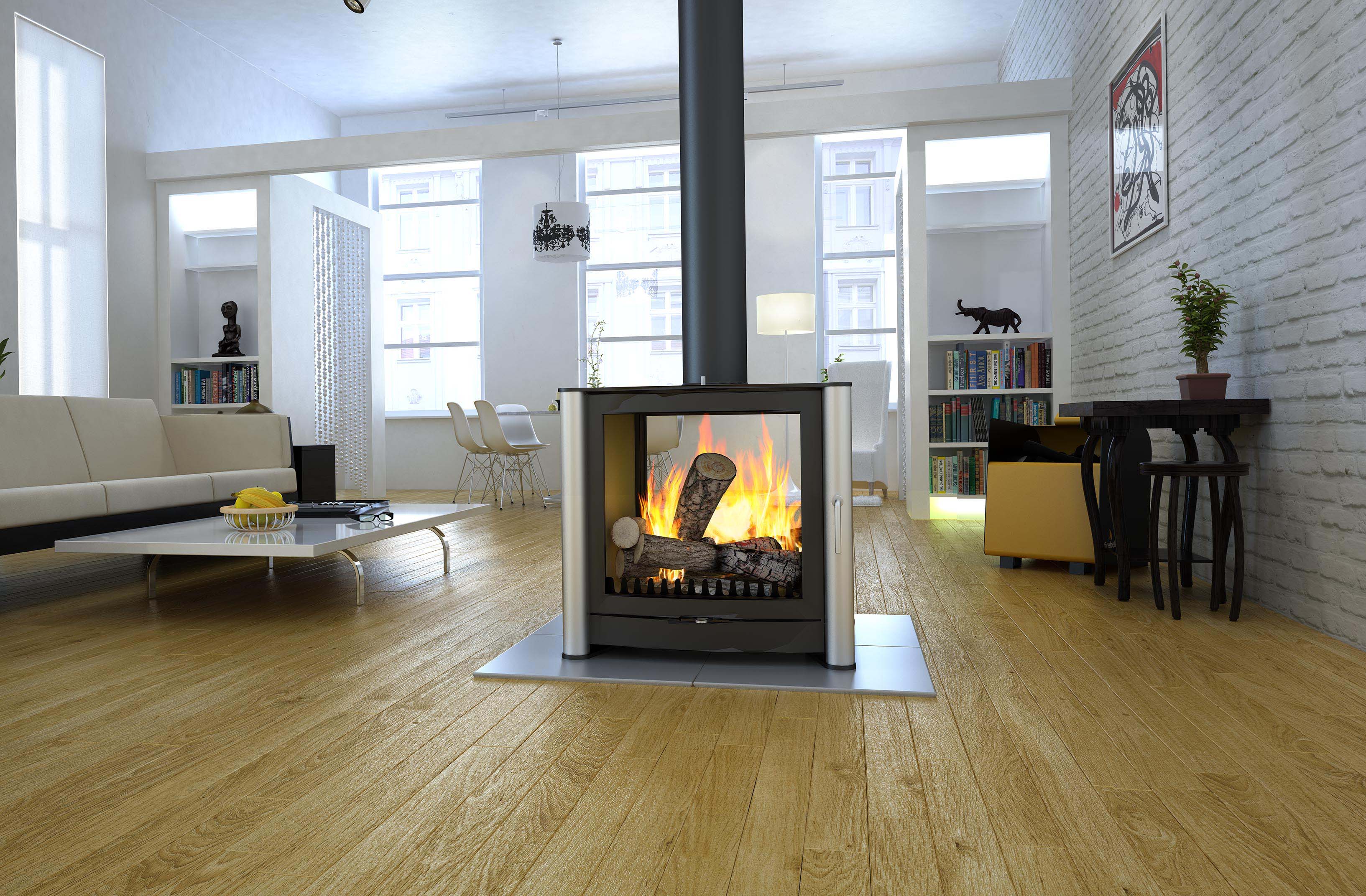
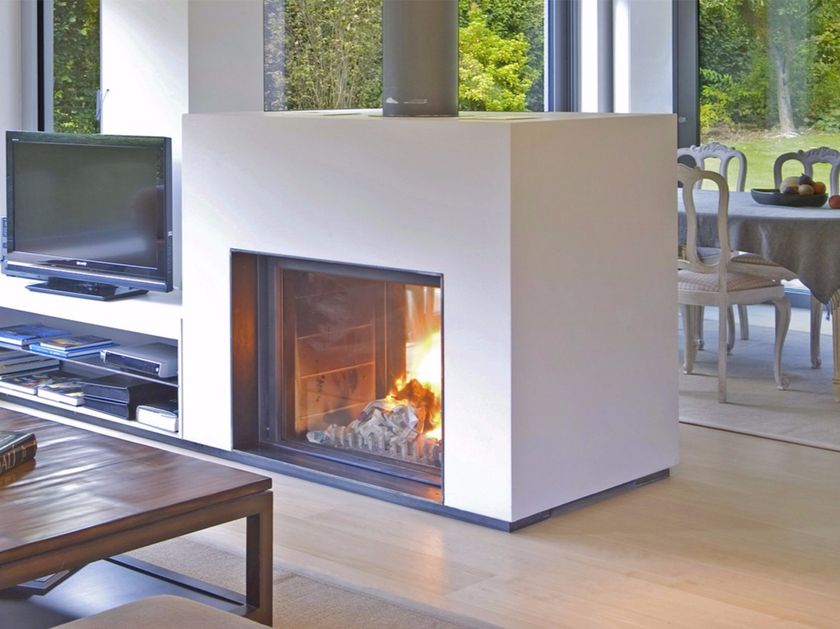
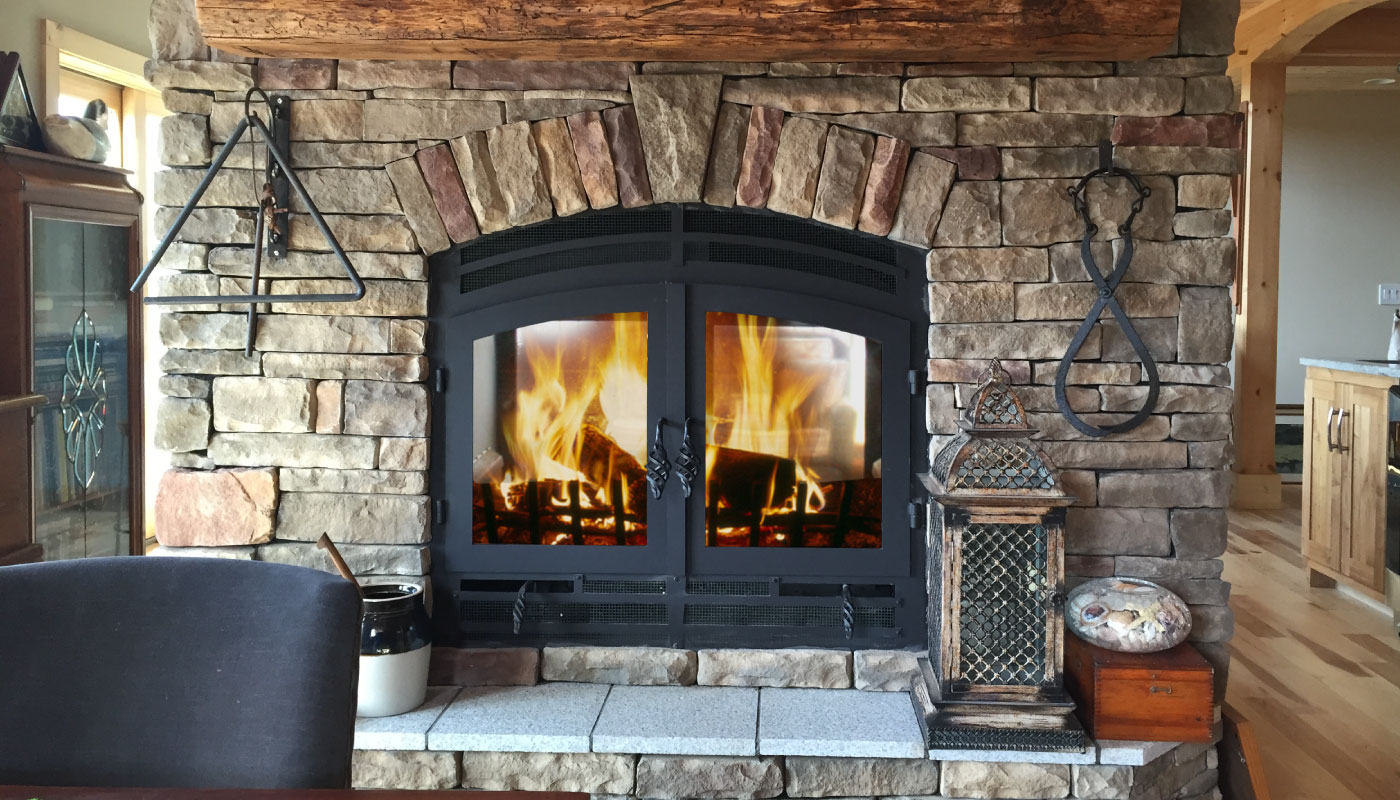
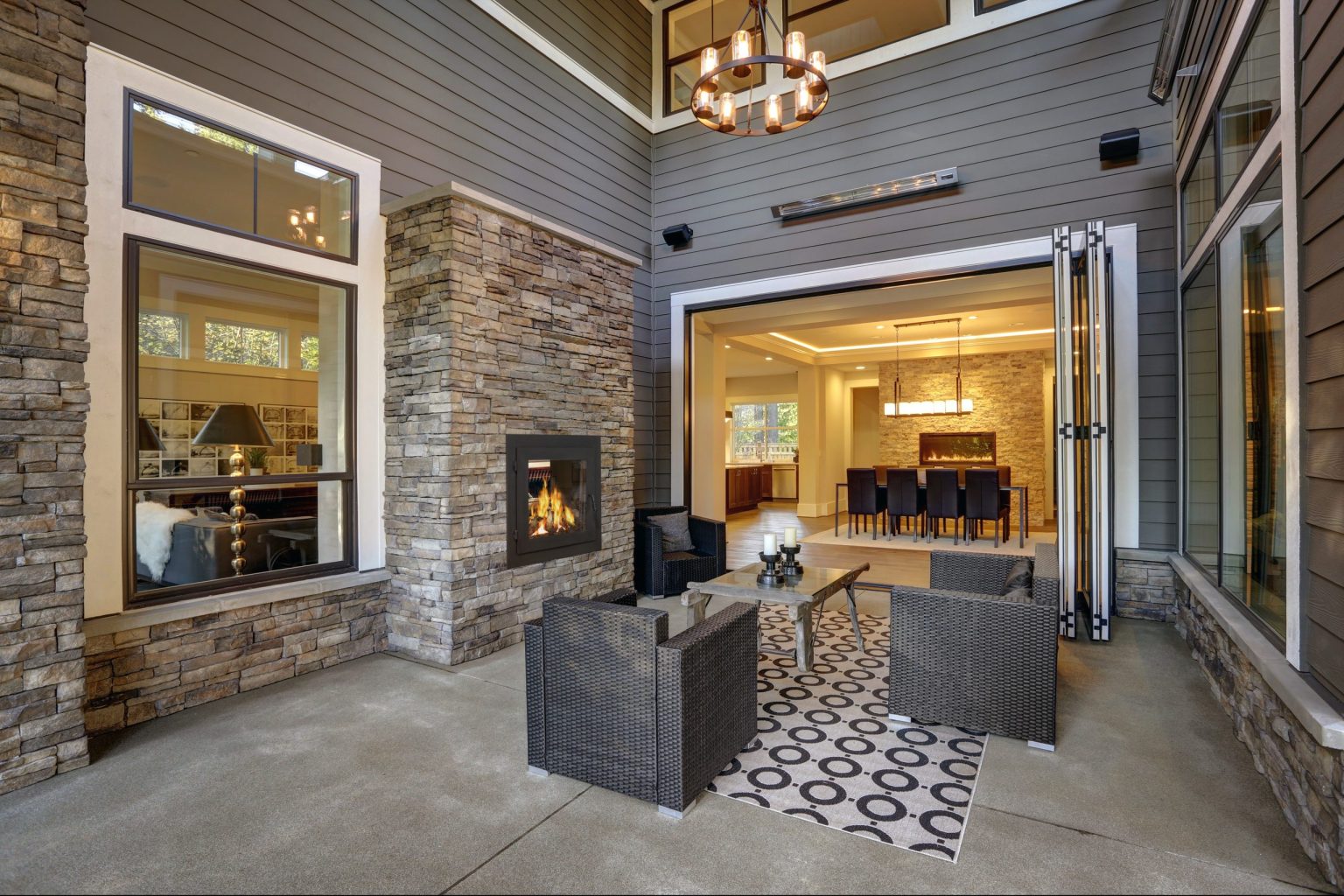
Double Sided Wood Burning Fireplace
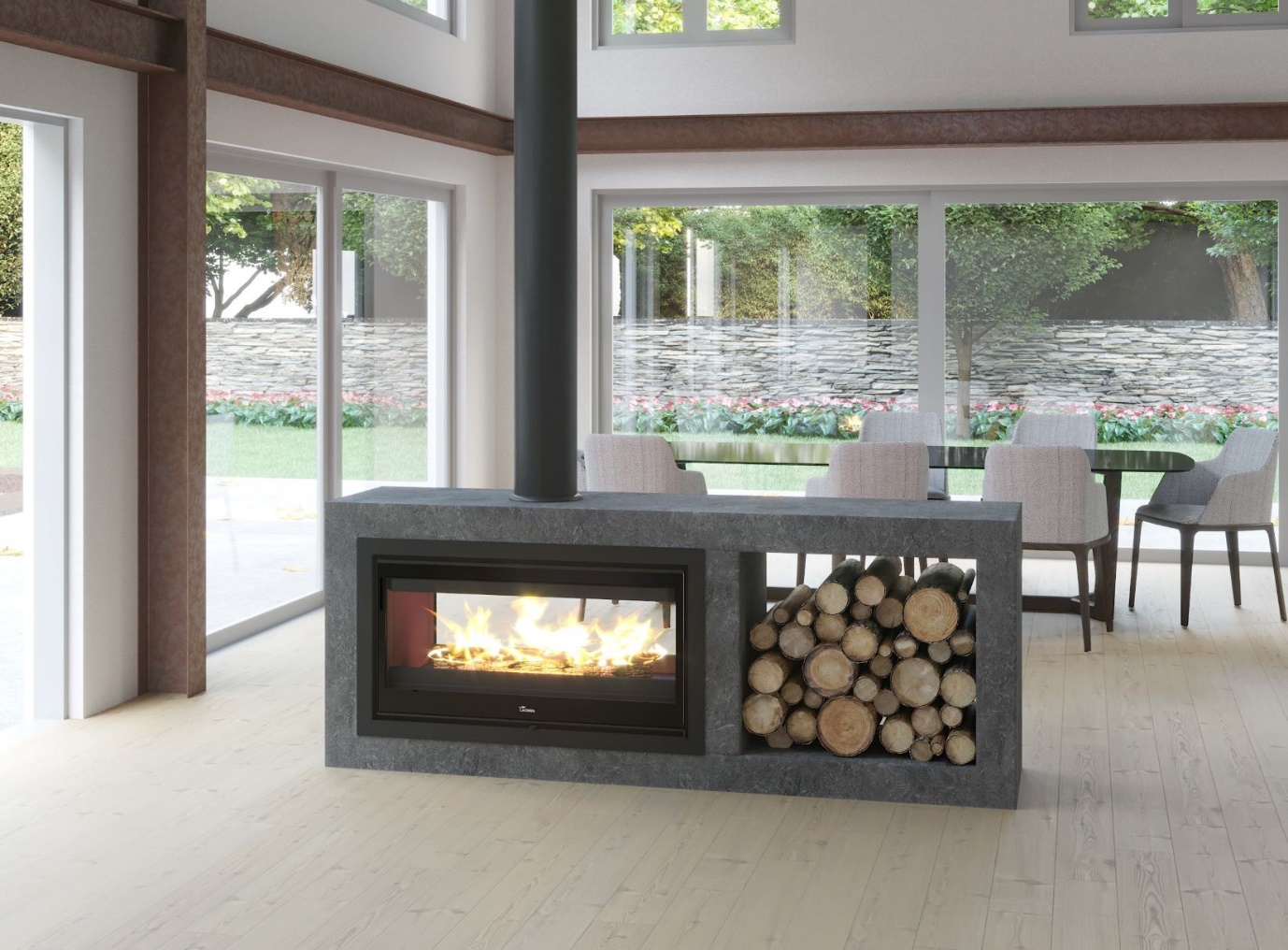
Double-Sided Wood Burning Fireplaces: A Deep Dive for Homeowners, Technicians, and Facility Managers
Double-sided wood burning fireplaces, also known as see-through fireplaces, offer a unique architectural and heating element to any space. Unlike traditional fireplaces, these units feature two open sides, allowing a view of the fire from multiple rooms. This design not only creates a striking focal point but can also contribute to heating efficiency in the right circumstances. This article provides a comprehensive overview of double-sided wood burning fireplaces, addressing key considerations for homeowners, HVAC technicians, and facility managers.
Understanding the Design and Functionality
The core principle of a double-sided fireplace remains the same as a standard wood burning fireplace: burning wood generates heat, which is then radiated into the surrounding space. However, the dual opening design introduces several factors that influence performance and efficiency. Key components include:
- Firebox: The combustion chamber where the wood burns. The firebox design significantly impacts combustion efficiency and smoke production. Materials like firebrick or cast iron are common to withstand high temperatures.
- Chimney: The vertical duct that vents smoke and combustion byproducts safely outdoors. Proper chimney sizing and construction are crucial for draft and preventing backdrafting. For a double-sided fireplace, the chimney design needs to accommodate the potential for greater airflow and ensure adequate draft regardless of which side is more heavily influencing the draw.
- Damper: A movable plate within the chimney that controls airflow. When closed, it prevents heat loss up the chimney when the fireplace is not in use. Modern dampers often have a “positive seal” to minimize air leakage.
- Air Intake: Supplies oxygen to the fire for combustion. Some models feature external air intakes, drawing air from outside the house to improve combustion efficiency and reduce drafts within the home. A double-sided fireplace may need a larger or more strategically placed air intake to compensate for the increased surface area exposed to the room.
The design of the firebox and chimney are interdependent. A poorly designed firebox will lead to incomplete combustion, producing more smoke and creosote. This, in turn, increases the risk of chimney fires and reduces overall heating efficiency. Similarly, an undersized or improperly installed chimney will struggle to draft effectively, leading to smoke spillage into the rooms.
Efficiency and Heating Performance
The efficiency of a double-sided wood burning fireplace is a complex subject. While they can provide supplemental heat, their overall efficiency is generally lower than modern EPA-certified wood stoves or fireplace inserts. Factors affecting efficiency include:
- Combustion Efficiency: How completely the wood burns. Incomplete combustion releases unburned gases and particles, reducing heat output and increasing pollution. Newer models with advanced combustion technologies like catalytic converters can improve combustion efficiency.
- Heat Radiation: The amount of heat radiated directly from the firebox into the room. A larger firebox, while visually appealing, doesn't necessarily translate to more efficient heating. The material of the firebox and the surrounding masonry (if any) plays a significant role in radiating heat.
- Air Leakage: The amount of air that enters and exits the fireplace when not in use. A poorly sealed damper can lead to significant heat loss during the heating season. Double-sided fireplaces, with their larger opening area, are particularly susceptible to air leakage.
- Draft Control: The ability to control the airflow through the fireplace. Too much draft can pull heat out of the room and up the chimney, while too little draft can cause smoke spillage.
Real-world performance varies widely depending on the fireplace design, the quality of the wood burned, and the user's operating practices. A well-maintained and properly operated double-sided fireplace can provide a noticeable boost to room temperature, particularly in the immediate vicinity of the fireplace. However, it's crucial to understand that they are not typically designed to be primary heating sources. Consider a scenario where a homeowner uses a double-sided fireplace to heat a living room and dining room. While the rooms might feel warmer near the fireplace, the overall heating load on the home's central HVAC system might not decrease significantly due to heat loss through the chimney and air leakage.
Installation Considerations for HVAC Technicians
Installing a double-sided wood burning fireplace requires careful planning and adherence to local building codes. HVAC technicians should be aware of the following:
- Clearances to Combustibles: Maintaining adequate clearances between the fireplace and surrounding combustible materials (wood framing, drywall, etc.) is crucial for preventing fires. Check the manufacturer's specifications and local codes for specific clearance requirements.
- Chimney Sizing and Installation: The chimney must be properly sized to match the fireplace's flue outlet and the height of the chimney. Incorrect chimney sizing can lead to drafting problems and smoke spillage. Follow manufacturer's instructions and consult with a qualified chimney professional.
- Air Supply: Ensure adequate air supply to the fireplace for proper combustion. In tight, well-insulated homes, an external air intake may be necessary to prevent negative pressure and backdrafting.
- Ventilation: Proper ventilation is essential to remove smoke and combustion byproducts from the home. Ensure that the fireplace is connected to a properly functioning chimney and that there are no obstructions in the flue.
- Gas Line Proximity: Carefully assess the proximity of any gas lines to the fireplace during installation and maintenance. Ensure adequate separation and protection to prevent gas leaks and explosions.
When retrofitting an existing fireplace with a double-sided unit, a thorough inspection of the existing chimney is essential. Older chimneys may have cracks, deterioration, or inadequate insulation, requiring repair or replacement. Always obtain necessary permits and follow local building codes. Failure to adhere to these guidelines can result in serious safety hazards.
Maintenance and Safety
Regular maintenance is essential for ensuring the safe and efficient operation of a double-sided wood burning fireplace:
- Chimney Sweeping: Have the chimney professionally swept at least once a year to remove creosote buildup. Creosote is a highly flammable substance that can cause chimney fires.
- Damper Inspection: Regularly inspect the damper for damage or corrosion. A damaged damper can allow heat to escape up the chimney when the fireplace is not in use.
- Firebox Inspection: Inspect the firebox for cracks or damage. Replace any damaged firebricks or other components.
- Wood Storage: Store firewood properly to prevent insect infestations and mold growth. Keep firewood away from the fireplace to prevent accidental fires.
Homeowners should also be aware of the following safety precautions:
- Never leave a fire unattended.
- Use a fire screen to prevent sparks from escaping the fireplace.
- Install carbon monoxide detectors in the home.
- Keep flammable materials away from the fireplace.
- Properly dispose of ashes in a metal container with a tight-fitting lid.
Cost Considerations
The cost of a double-sided wood burning fireplace can vary significantly depending on the size, design, features, and installation complexity. Basic units can start around $3,000, while more elaborate custom installations can easily exceed $10,000. Installation costs can also be substantial, particularly if chimney modifications or new construction are required.
Ongoing costs include the cost of firewood, chimney sweeping, and potential repairs. Firewood prices vary depending on location and the type of wood. Chimney sweeping typically costs between $150 and $300 per year.
When comparing the cost of a double-sided wood burning fireplace to other heating options, such as gas fireplaces or electric fireplaces, consider the following:
- Initial Cost: Wood burning fireplaces typically have a higher initial cost than gas or electric fireplaces.
- Operating Cost: The operating cost of a wood burning fireplace depends on the price of firewood. Gas fireplaces have a lower operating cost, while electric fireplaces have the lowest operating cost.
- Maintenance Cost: Wood burning fireplaces require more maintenance than gas or electric fireplaces.
- Environmental Impact: Wood burning fireplaces can contribute to air pollution, while gas and electric fireplaces have a lower environmental impact.
Conclusion
Double-sided wood burning fireplaces offer a unique combination of aesthetic appeal and supplemental heating. However, they require careful planning, installation, and maintenance to ensure safe and efficient operation. For homeowners, understanding the design, functionality, and cost considerations is essential for making an informed decision. HVAC technicians play a crucial role in ensuring proper installation and compliance with building codes. Facility managers should prioritize regular maintenance and safety inspections to protect building occupants and prevent fires. By addressing these key considerations, homeowners, technicians, and facility managers can maximize the benefits and minimize the risks associated with double-sided wood burning fireplaces.
Consider the long-term implications of choosing a wood-burning option. While the ambiance is undeniable, the responsibility to maintain air quality both inside and outside the home rests with the homeowner. Look for EPA-certified models, burn seasoned wood, and adhere to all safety guidelines to enjoy the warmth and beauty of your double-sided fireplace responsibly. Remember, proper installation and diligent maintenance are paramount for safety and efficiency.