Double Wall Insulated Pipe

Frequently Asked Questions About Double Wall Insulated Pipe
Double wall insulated pipe is a specialized piping system designed to maintain the temperature of fluids being transported while also providing an extra layer of safety and environmental protection. It's commonly used in various applications, from residential heating to large industrial facilities. This FAQ addresses common questions about double wall insulated pipe to help you understand its benefits and uses.
What is Double Wall Insulated Pipe and How Does It Work?
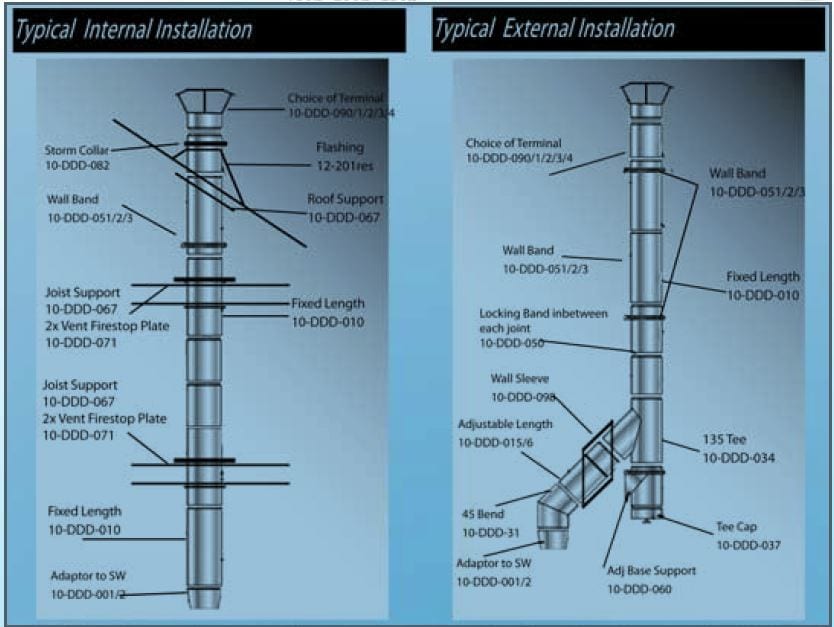
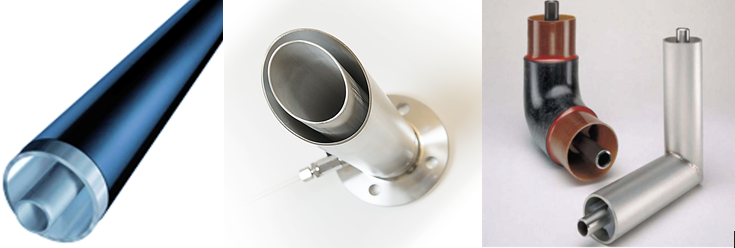
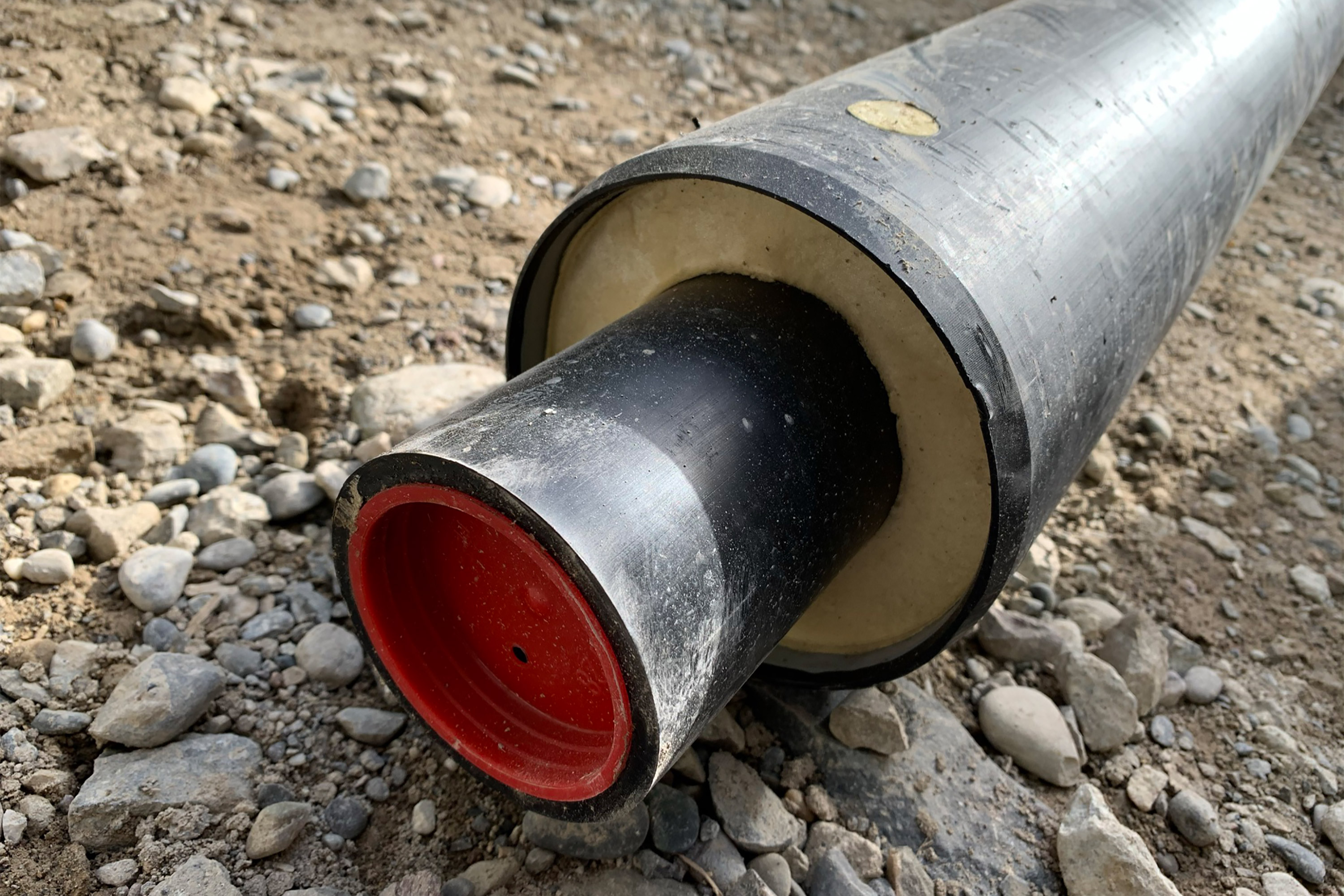
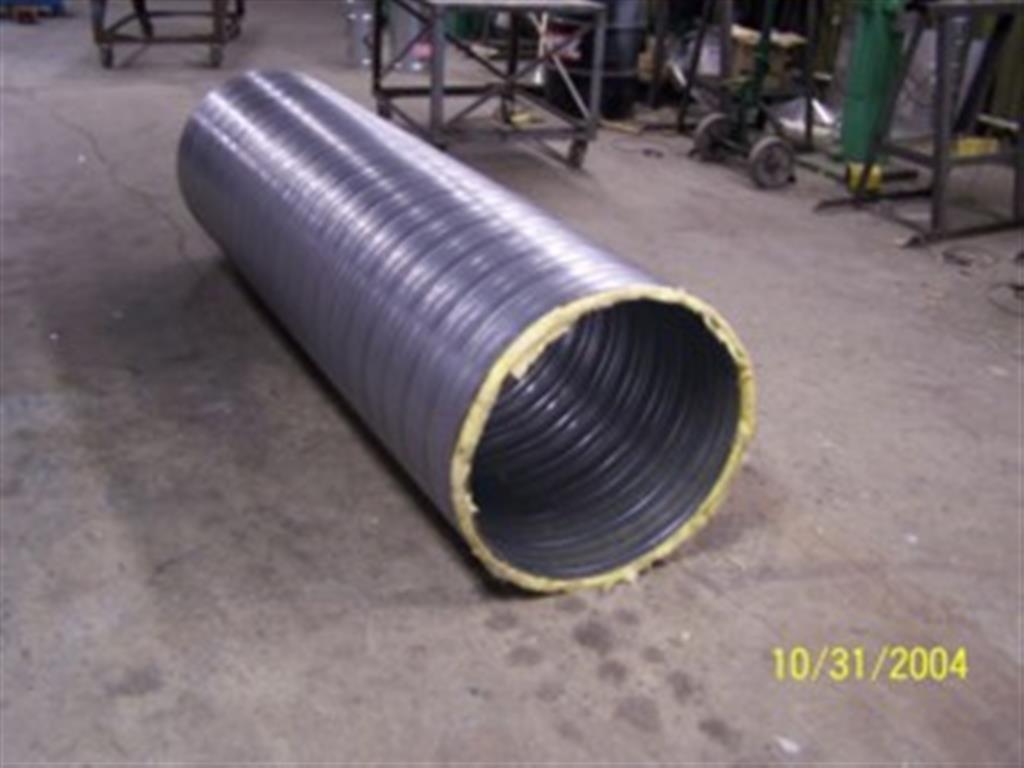
Answer: Double wall insulated pipe, as the name suggests, consists of two pipes: an inner carrier pipe through which the fluid flows, and an outer jacket pipe. Between these two pipes is an insulation layer that minimizes heat loss or gain, depending on the application. This insulation helps maintain the fluid's temperature over long distances and prevents condensation on the outside of the pipe, reducing corrosion risk. Often, the space between the pipes is monitored to detect leaks in either the carrier or jacket pipe.
What are the Key Benefits of Using Double Wall Insulated Pipe?
Answer: Double wall insulated pipe offers several significant advantages:
- Temperature Maintenance: Keeps hot fluids hot and cold fluids cold, minimizing energy loss and ensuring efficient operation.
- Leak Detection: Allows for early detection of leaks in either the inner or outer pipe, preventing environmental contamination and costly repairs. Leak detection systems may include visual indicators, pressure monitoring, or electronic sensors.
- Corrosion Prevention: Reduces condensation on the outer pipe surface, minimizing the risk of corrosion and extending the lifespan of the piping system.
- Safety: Provides an extra layer of containment in case of a leak, protecting personnel and the environment from hazardous materials.
- Energy Efficiency: Reduces heat loss or gain, leading to lower energy consumption and reduced operating costs. This is particularly important for applications involving steam, hot water, or chilled water.
- Reduced Maintenance: Due to the enhanced protection and leak detection capabilities, double wall insulated pipe systems often require less maintenance than traditional piping systems.
Where is Double Wall Insulated Pipe Commonly Used?
Answer: Double wall insulated pipe finds applications in a wide range of industries and settings:
- District Heating and Cooling Systems: Distributing hot water or chilled water across a city or campus.
- Chemical Plants: Transporting corrosive or hazardous chemicals safely.
- Petroleum Refineries: Handling crude oil and refined petroleum products at varying temperatures.
- Food Processing Plants: Maintaining the temperature of food products during processing and transportation.
- Pharmaceutical Manufacturing: Ensuring the purity and temperature control of pharmaceutical ingredients and products.
- Healthcare Facilities: Distributing steam for sterilization and hot water for various applications.
- Residential Heating Systems: Connecting outdoor boilers to homes, minimizing heat loss in underground piping.
- Wastewater Treatment Plants: Handling wastewater at controlled temperatures.
- Cryogenic Applications: Transporting liquefied natural gas (LNG) and other cryogenic fluids.
What Materials are Commonly Used to Make Double Wall Insulated Pipe?
Answer: The choice of materials depends on the specific application and the properties of the fluid being transported. Common materials include:
- Carrier Pipe:
- Carbon Steel: Suitable for many applications, including hot water and steam.
- Stainless Steel: Offers excellent corrosion resistance and is ideal for aggressive chemicals and high-purity applications.
- Copper: Used in some residential and light commercial applications for hot water and heating systems.
- Specialty Alloys: For highly corrosive or high-temperature environments, alloys like Hastelloy or Inconel may be used.
- Jacket Pipe:
- Carbon Steel: Commonly used for its strength and cost-effectiveness.
- Galvanized Steel: Provides corrosion resistance.
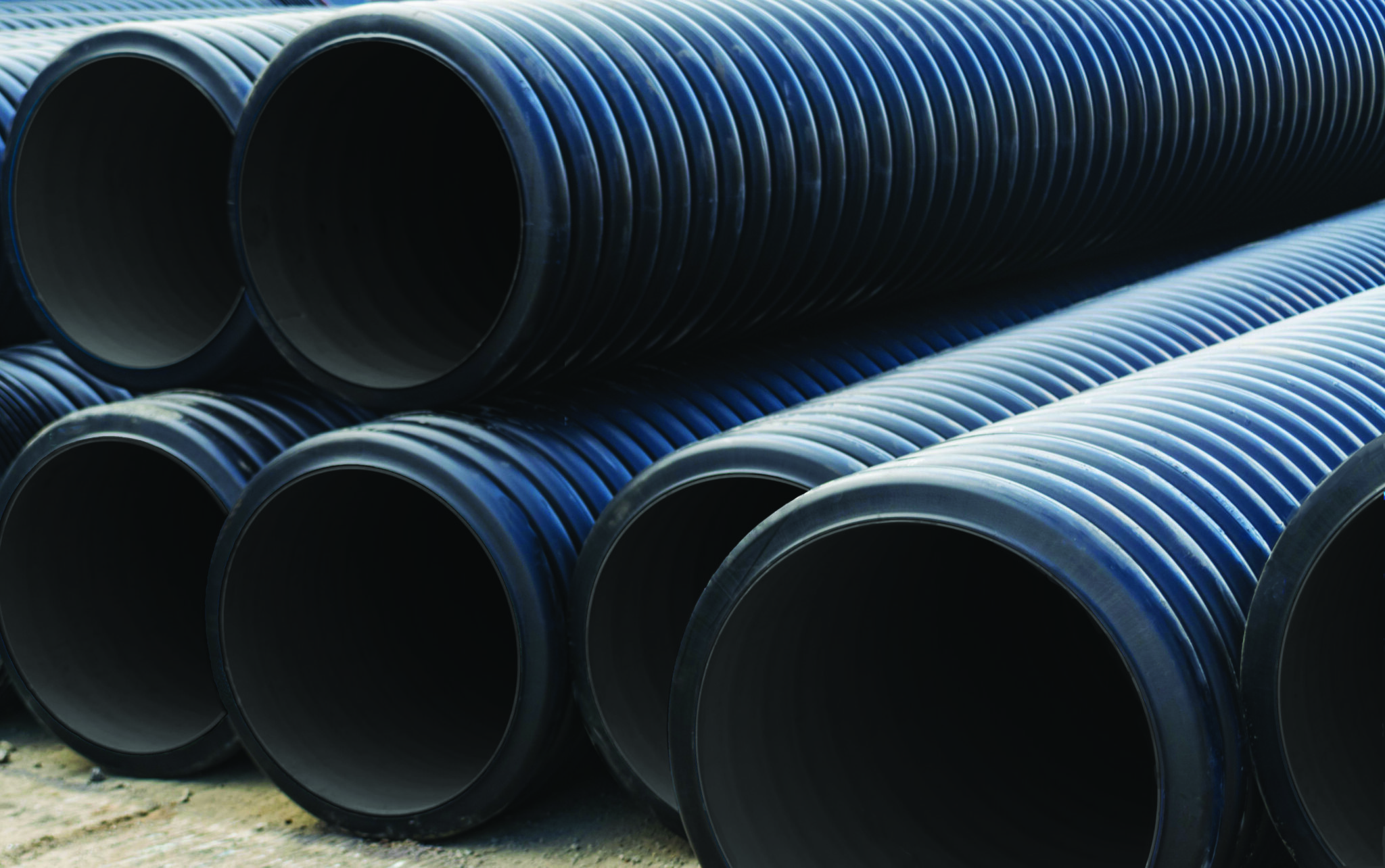
- High-Density Polyethylene (HDPE): Offers excellent corrosion resistance and is often used for underground applications.
- Fiberglass Reinforced Polymer (FRP): Lightweight and corrosion-resistant.
- Insulation:
- Polyurethane Foam: Offers excellent thermal insulation properties and is commonly used in pre-insulated piping systems.
- Mineral Wool: Provides good thermal insulation and fire resistance.
- Calcium Silicate: High-temperature insulation with good compressive strength.
- Aerogel: Offers exceptional thermal performance but is typically more expensive.
The selection of appropriate materials is critical to the longevity and performance of the double wall insulated pipe system.
How Does Leak Detection Work in a Double Wall Insulated Pipe System?
Answer: Leak detection is a crucial feature of double wall insulated pipe. Several methods are employed:
- Pressure Monitoring: The space between the carrier and jacket pipe is pressurized. A drop in pressure indicates a leak in either pipe. This method is relatively simple and can provide early warning of a leak.
- Vacuum Monitoring: Similar to pressure monitoring, but a vacuum is maintained in the interstitial space. An increase in pressure indicates a leak.
- Electronic Leak Detection: Sensors are placed in the interstitial space to detect the presence of the fluid being transported. These sensors can be highly sensitive and provide precise location of the leak.
- Visual Inspection: While less sophisticated, regular visual inspection of the outer pipe can sometimes reveal signs of a leak, such as staining or corrosion.
- Tracer Fluids: Adding a special non-reactive dye/fluid between the two pipes; that is easily detectable when a leak occurs.
The choice of leak detection method depends on the application, the type of fluid being transported, and the desired level of sensitivity.
Is Double Wall Insulated Pipe More Expensive Than Traditional Piping?
Answer: Yes, the initial cost of double wall insulated pipe is generally higher than traditional single-wall piping. This is due to the additional materials and manufacturing processes involved. However, it's important to consider the long-term benefits:
- Reduced Energy Costs: Significant savings on energy bills due to reduced heat loss or gain.
- Lower Maintenance Costs: Fewer repairs and replacements due to corrosion prevention and leak detection.
- Environmental Protection: Reduced risk of environmental contamination and associated cleanup costs.
- Increased Lifespan: Double wall insulated pipe systems often have a longer lifespan than traditional piping systems, reducing the need for frequent replacements.
- Safety Improvements: Decreased risk of injury to workers due to exposure to hazardous material leaks.
A life cycle cost analysis can help determine the overall cost-effectiveness of double wall insulated pipe compared to traditional piping for a specific application.
How Do I Choose the Right Double Wall Insulated Pipe System for My Needs?
Answer: Selecting the appropriate double wall insulated pipe system requires careful consideration of several factors:
- Fluid Type: The chemical properties of the fluid being transported will influence the choice of materials for the carrier pipe and jacket pipe.
- Operating Temperature: The temperature range of the fluid will determine the type and thickness of insulation required.
- Operating Pressure: The pressure of the fluid will affect the wall thickness of the carrier pipe.
- Environmental Conditions: The surrounding environment, including soil conditions and exposure to weather, will influence the choice of materials for the jacket pipe and the need for corrosion protection.
- Leak Detection Requirements: The level of sensitivity and reliability required for leak detection will determine the type of leak detection system needed.
- Budget: The available budget will influence the choice of materials and features.
- Regulatory Requirements: Compliance with relevant industry standards and regulations is essential.
Consulting with a qualified piping system engineer is highly recommended to ensure that the selected double wall insulated pipe system meets the specific requirements of your application and complies with all applicable regulations.