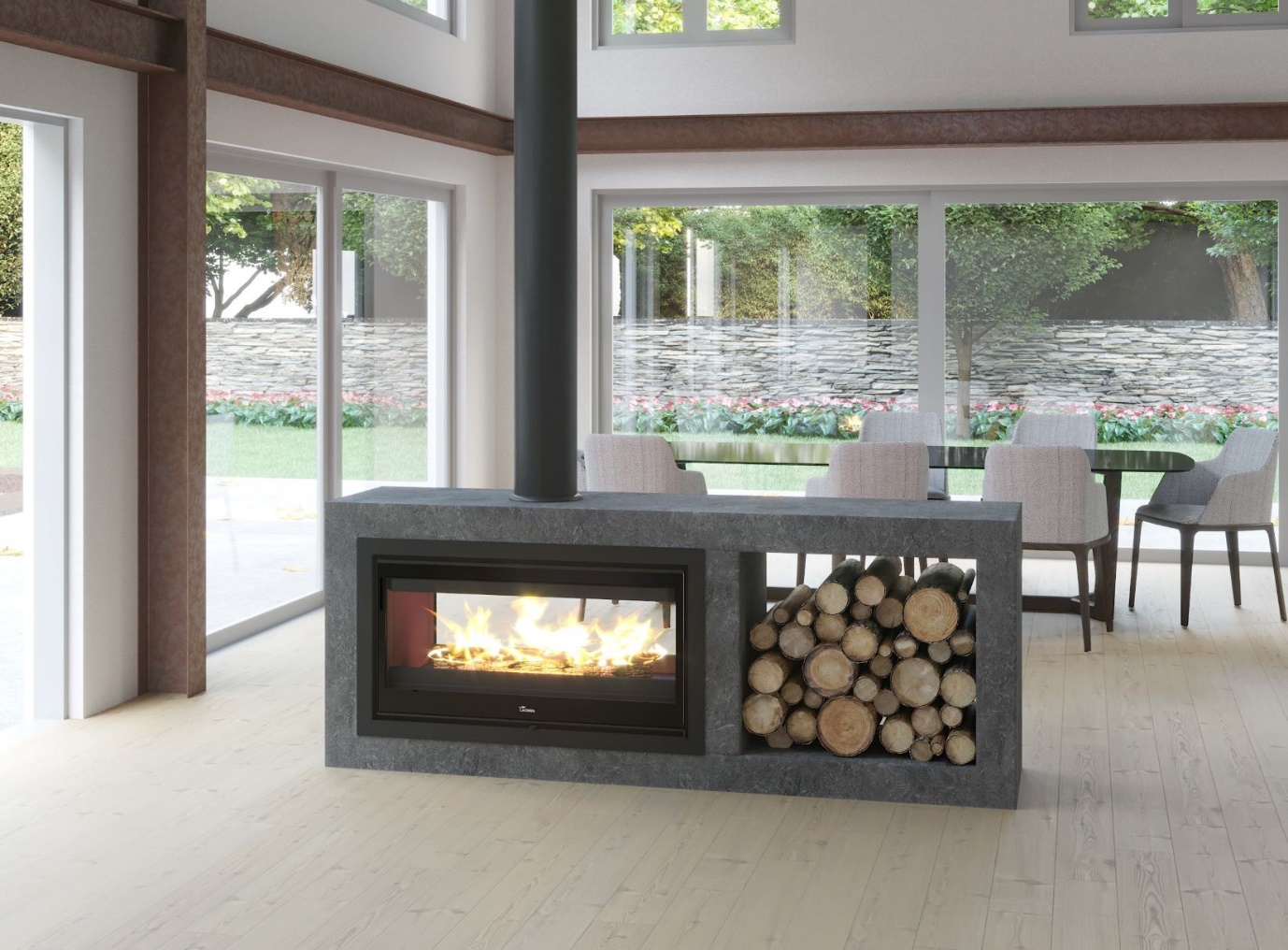
Double Wood Burning Fireplace
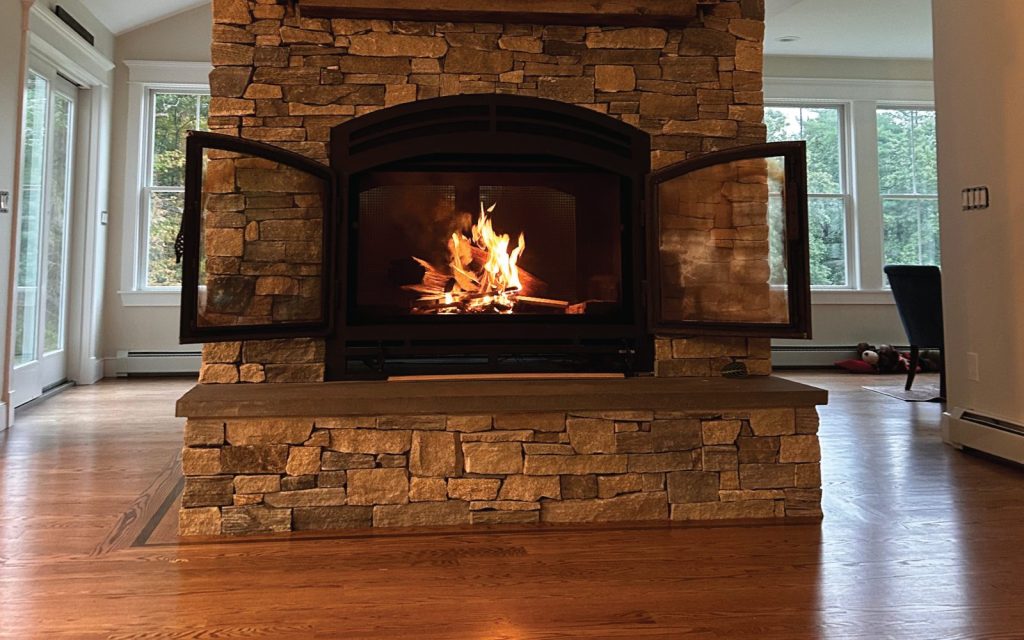
Is your double wood-burning fireplace more of a decorative piece than a reliable heat source? Many homeowners with these fireplaces experience a frustrating issue: uneven heating. One room might be toasty warm, while the other struggles to reach a comfortable temperature. This often stems from inefficiencies in the fireplace system, incorrect operation, or even structural issues. Let's troubleshoot this problem systematically, empowering you to regain control of your home's comfort.
Diagnosing the Uneven Heating Problem
Before you call in a professional, let's try to pinpoint the cause of the uneven heating. Follow these steps in order, starting with the easiest checks:
Step 1: Observe and Document
Careful observation is key. Without any tools, note the following:
- Which room is colder? Is it always the same room, or does it vary?
- How long does it take for the colder room to feel the effects of the fire, compared to the warmer room?
- Is there a noticeable draft in the colder room, even when the fireplace isn't in use?
- What type of wood are you burning? Is it properly seasoned (dry)?
- How is the wood stacked in the fireplace?
- Are both sides of the fireplace burning equally well? Observe the flames and smoke on both sides.
Document these observations. This information will be invaluable if you eventually need to call a professional.
Step 2: Check the Damper Operation
The damper is a crucial component. It's a metal plate that opens and closes the flue, controlling airflow.
Without tools:
- Ensure that both dampers are fully open before lighting a fire. A partially closed damper restricts airflow, causing poor combustion and reduced heat output.
- After the fire is completely extinguished, ensure both dampers close completely to prevent heat loss and drafts when the fireplace is not in use.
- Feel for air leaking around the damper when it's closed. If you feel a draft, the damper may not be sealing properly.
With a flashlight:
- Shine a flashlight up the flue to visually inspect the damper. Look for obstructions, rust, or damage that could prevent it from sealing properly.
Step 3: Inspect for Air Leaks (Without Tools)
Air leaks can significantly impact the efficiency of your fireplace.
- Check around the fireplace surround (the decorative frame) for any gaps or cracks.
- Feel around the base of the fireplace where it meets the floor or wall.
- Pay close attention to areas where pipes or wires enter the fireplace structure.
Even small gaps can allow cold air to enter the room and disrupt the natural airflow, causing uneven heating. Mark any suspected leaks for later sealing.
Step 4: Evaluate Wood Quality and Stacking (Without Tools)
The type and condition of wood you burn significantly impacts the fireplace's heat output.
- Seasoned Wood: Use only seasoned wood that has been properly dried for at least six months. Wet or green wood contains excessive moisture, which reduces heat output and creates more smoke. Seasoned wood should sound hollow when struck and have cracks in the end grain.
- Wood Type: Hardwoods like oak, maple, and ash burn hotter and longer than softwoods like pine.
- Stacking: Stack the wood loosely to allow for good airflow. A tightly packed fire can smother itself and produce less heat. Use a grate to elevate the wood slightly, allowing air to circulate underneath.
Step 5: Assess Chimney Draft (Simple Test, No Tools)
A strong chimney draft is essential for proper combustion and efficient heat transfer. A weak draft can lead to smoke backing up into the room and reduced heat output.
- The Smoke Test: Light a small piece of newspaper and hold it near the fireplace opening with the damper open. Observe the smoke. Does it rise quickly and smoothly up the chimney, or does it linger or drift back into the room? If the smoke lingers or drifts back, you have a weak draft.
Step 6: Check for Obstructions in the Fireplace Opening (Without Tools)
Ensure that the airflow around the fireplace opening isn’t being obstructed.
- Remove any decorative items placed too close to the fireplace opening.
- Make sure furniture isn’t blocking the airflow from the fireplace into the room that is not heating well.
- Ensure no rugs or carpets are blocking airflow vents near the fireplace in either room.
Step 7: Using Basic Tools for Further Investigation
These checks require minimal equipment but can provide more detailed insights.
You'll need: Flashlight, Screwdriver, Level, Tape Measure, Safety Glasses, Gloves
- Damper Inspection (Detailed): Using a flashlight, carefully inspect the damper mechanism. Check for broken hinges, loose connections, or damage to the sealing surface. A screwdriver may be needed to tighten loose screws or adjust the damper position slightly. Wear safety glasses to protect your eyes from debris.
- Air Leak Detection (More Precise): Light a candle or incense stick and slowly move it along the edges of the fireplace surround, base, and any suspected leak areas. If the flame flickers or the smoke wavers, it indicates an air leak. Mark these areas for sealing.
- Chimney Visual Inspection (Limited): If possible, and only if it's safe and you're comfortable, use a ladder to visually inspect the top of the chimney. Look for obstructions like bird nests, leaves, or debris that could be blocking the flue. Do not attempt to clean the chimney yourself unless you have the proper equipment and experience.
- Measure the Fireplace Opening and Hearth Extension: Ensure that the fireplace opening and hearth extension meet local building codes and manufacturer specifications. An undersized hearth extension can be a safety hazard and can also affect airflow around the fireplace.
DIY Solutions: Addressing the Problem Yourself
Based on your diagnosis, here are some simple DIY actions you can take:
- Seal Air Leaks: Use heat-resistant caulk or fireplace mortar to seal any gaps or cracks around the fireplace surround and base. For larger gaps, use expanding foam insulation.
- Improve Wood Storage: Store firewood in a dry, well-ventilated area to promote proper seasoning. Cover the woodpile to protect it from rain and snow.
- Adjust Wood Stacking: Experiment with different wood stacking techniques to optimize airflow. Try building a log cabin-style fire or using a grate to elevate the wood.
- Clean the Firebox: Regularly remove ashes from the firebox to improve airflow and combustion. Use a metal shovel and container to dispose of the ashes properly.
- Damper Adjustment: If the damper is slightly misaligned, you might be able to adjust it carefully using a screwdriver. However, do not force it. If it's severely damaged or stuck, it's best to call a professional.
- Install a Fireplace Screen: A fireplace screen can help to distribute heat more evenly and prevent sparks from escaping.
- Strategic Fan Placement: Use fans to circulate air in both rooms. Place a fan near the fireplace in the warmer room to push warm air towards the colder room. You can also place a fan in the doorway between the two rooms to help distribute heat.
When to Call a Professional: Recognizing the Limits of DIY
While many issues can be resolved with simple DIY fixes, some problems require the expertise of a qualified HVAC technician or chimney sweep. Call a professional if:
- You suspect a major chimney obstruction, such as a large bird nest or collapsed flue liner. Removing these obstructions can be dangerous and requires specialized equipment.
- The damper is severely damaged or stuck, and you cannot repair it yourself. A faulty damper can lead to significant heat loss and potential safety hazards.
- You suspect a carbon monoxide leak. Carbon monoxide is a colorless, odorless gas that can be deadly. If you experience symptoms such as headache, dizziness, or nausea, evacuate the house immediately and call 911. Install carbon monoxide detectors on every level of your home.
- You have difficulty lighting or maintaining a fire, despite following all the recommended steps. This could indicate a more serious problem with the fireplace or chimney.
- You notice excessive smoke backing up into the room, even with the damper open. This could indicate a blocked chimney or a problem with the fireplace design.
- You suspect a structural issue with the chimney or fireplace. Cracks, leaks, or other signs of damage could indicate a serious safety hazard.
- You are uncomfortable or unsure about performing any of the DIY tasks. Safety should always be your top priority.
- You have a gas-assisted wood-burning fireplace. These units have complex controls and safety features that should only be serviced by a qualified technician.
Remember: working with fire involves inherent risks. If you are unsure about anything, it's always best to err on the side of caution and call a professional.
By following these troubleshooting steps and taking appropriate action, you can reclaim control of your double wood-burning fireplace and enjoy a warm and comfortable home.