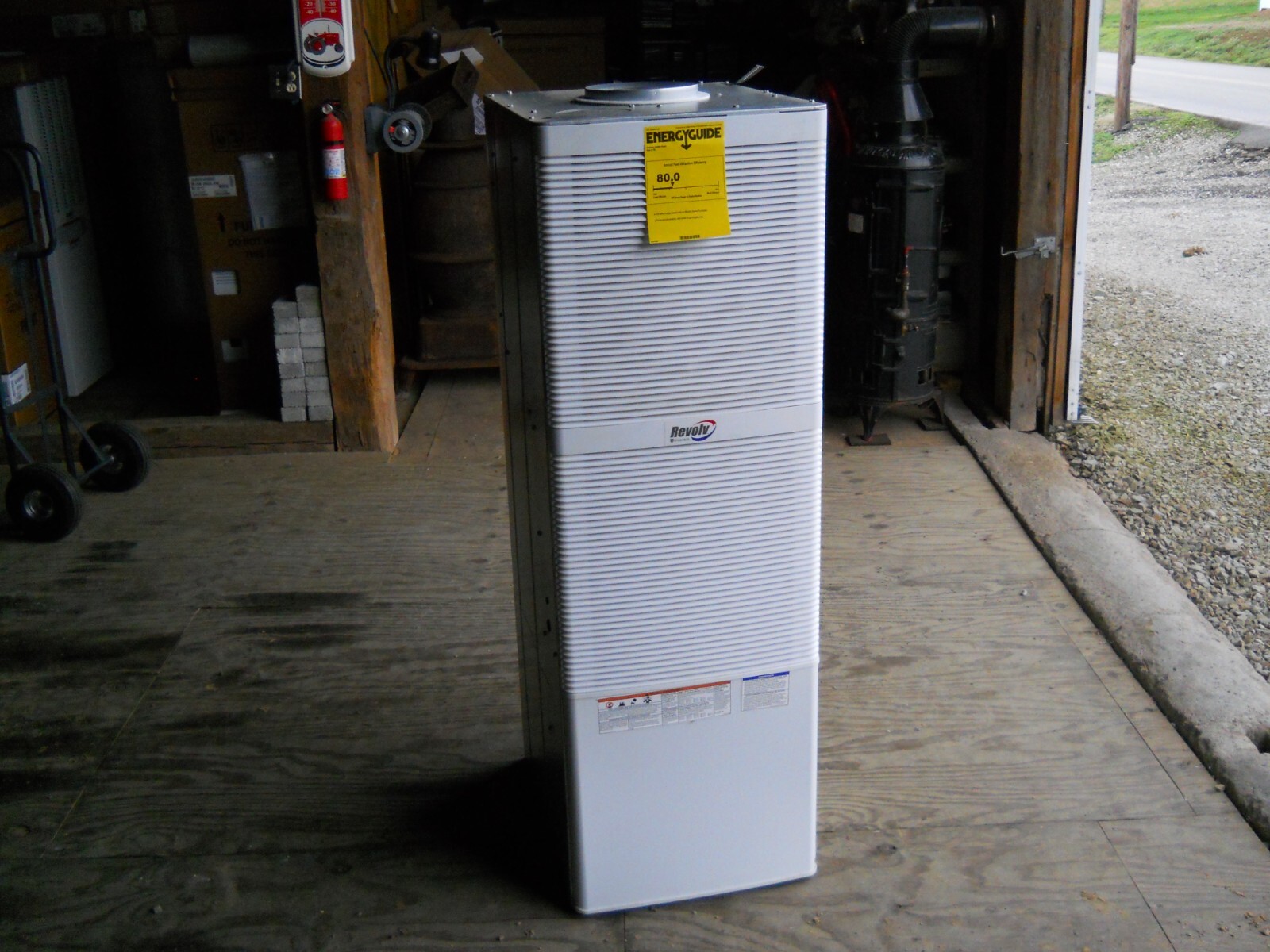
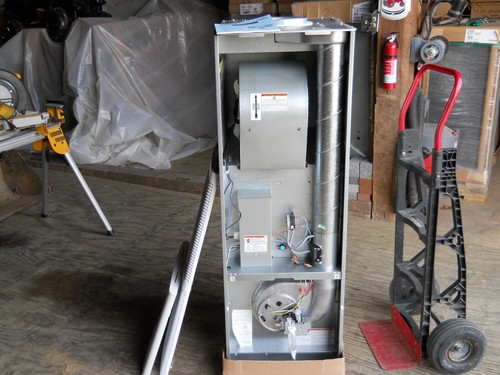
Downflow Gas Furnace For Mobile Home

Mobile homes offer affordable and convenient living, but maintaining a comfortable temperature can sometimes present challenges. One common complaint from mobile homeowners is a furnace that runs but doesn't produce enough heat, or worse, no heat at all. This guide provides a practical, step-by-step troubleshooting process for your downflow gas furnace, empowering you to identify and potentially resolve common issues before calling a professional. Remember, safety is paramount. If you are uncomfortable with any step, or suspect a gas leak, immediately contact a qualified HVAC technician.
Understanding Your Downflow Gas Furnace
Before diving into troubleshooting, let's briefly understand how your downflow gas furnace in a mobile home works. Unlike traditional furnaces, downflow furnaces are designed to blow heated air downwards, which is efficient for distributing warmth in the typically smaller, single-level layout of a mobile home. These furnaces typically have the air intake at the top and the heated air vents at the bottom.
The Problem: Weak or No Heat
The most frequent complaint is a furnace that turns on – you might hear the blower motor running – but the air coming out of the vents is lukewarm or cold. Alternatively, the furnace might not turn on at all.
Troubleshooting: A Step-by-Step Approach
We'll tackle this problem systematically. Start with the easiest checks, and progress to more complex ones. Always remember to turn off the furnace power at the breaker box before performing any internal checks.
Step 1: Basic Checks (No Tools Required)
These are the easiest and safest things you can check without any tools.
- Thermostat Setting: This seems obvious, but it's often the culprit! Ensure your thermostat is set to HEAT, and that the temperature is set at least 5 degrees higher than the current room temperature. Also, check the thermostat batteries and replace them if necessary. Some digital thermostats may malfunction with low batteries.
- Air Filter: A dirty air filter is the number one cause of furnace problems. A clogged filter restricts airflow, causing the furnace to overheat and potentially shut down. Locate your air filter (typically near the furnace itself or in a return air vent) and inspect it. If it's visibly dirty (dusty or clogged), replace it immediately with a new filter of the correct size. Do NOT operate the furnace without a filter in place.
- Return Air Vents: Make sure your return air vents are not blocked by furniture, rugs, or other objects. The furnace needs unrestricted airflow to operate efficiently.
- Supply Air Vents: Ensure your supply air vents are open and not blocked. Closing too many vents can restrict airflow and cause the furnace to overheat.
- Pilot Light (If Applicable): Older furnaces might have a pilot light. Check if the pilot light is lit. If it's out, follow the furnace manufacturer's instructions to relight it. If the pilot light repeatedly goes out, there may be a problem with the gas valve or thermocouple, requiring professional attention. Modern furnaces usually have electronic ignition and do not have a pilot light.
- Breaker Box: Check the circuit breaker for the furnace in your electrical panel. A tripped breaker will cut off power to the furnace. If the breaker has tripped, reset it. If it trips again immediately or soon after, there's likely a short circuit or overload, and you should call an electrician or HVAC technician.
- Emergency Shut-Off Switch: Many mobile homes have an emergency shut-off switch for the furnace, often located near the furnace or a doorway. Ensure this switch is in the "ON" position.
Step 2: More Detailed Checks (Basic Tools Required)
These checks require a few basic tools, like a screwdriver and a multimeter. Remember to turn off the power at the breaker box before proceeding.
- Flame Sensor: (For furnaces with electronic ignition). The flame sensor is a small metal rod located near the burner. Its job is to detect the presence of a flame and allow the gas valve to stay open. If the flame sensor is dirty, it may not detect the flame, causing the furnace to shut down.
- How to Check: Turn off the power to the furnace. Locate the flame sensor. It's usually held in place by a single screw. Carefully remove the screw and pull out the flame sensor. Clean the rod with a piece of fine steel wool or emery cloth to remove any carbon buildup. Reinstall the flame sensor and screw. Turn the power back on and test the furnace.
- Blower Motor:
- Checking Operation: After the furnace ignites, the blower motor should turn on to circulate the heated air. If the blower motor is not running, listen for any unusual noises (humming, squealing). A humming noise might indicate a seized motor.
- Checking the Capacitor: The blower motor has a capacitor that helps it start. A faulty capacitor can prevent the motor from running. A bulging or leaking capacitor is a sign it needs to be replaced. *This requires careful handling as capacitors can hold a charge even when the power is off. It is best to have an HVAC professional handle this task if you are not comfortable.*
- Gas Valve: (Exercise extreme caution!)
- Gas Supply: Ensure the gas supply valve to the furnace is fully open.
- Smell Test: If you smell gas, immediately evacuate the area and call your gas company from a safe location.
- Pilot Orifice: If equipped, the pilot orifice can become clogged. Inspect and carefully clean. Turn off the gas before cleaning and be very careful not to damage the orifice.
- Limit Switch: This safety device shuts down the furnace if it overheats. It's usually located near the burner or blower motor. A tripped limit switch can indicate a problem with airflow or a faulty blower motor.
- Resetting the Limit Switch: Some limit switches have a reset button. Press the button to reset the switch. If the switch trips again immediately, there's an underlying problem that needs to be addressed.
Step 3: Checks Requiring Advanced Knowledge and Tools (Call a Professional)
The following checks require specialized tools and a deeper understanding of furnace operation. Attempting these without proper knowledge and training could be dangerous and may damage your furnace. It's best to call a qualified HVAC technician.
- Gas Pressure: Checking and adjusting the gas pressure requires a manometer and knowledge of proper gas pressure settings. Incorrect gas pressure can lead to inefficient burning and potential safety hazards.
- Combustion Analysis: This involves analyzing the exhaust gases to ensure the furnace is burning fuel efficiently and safely. This requires specialized equipment and expertise.
- Heat Exchanger: Inspecting the heat exchanger for cracks or leaks is crucial for safety. A cracked heat exchanger can leak dangerous carbon monoxide into your home. This requires specialized tools and a trained eye.
- Control Board: Diagnosing problems with the furnace control board requires a multimeter and a good understanding of electrical circuits.
- Gas Valve Malfunctions: Gas valves are complex components. Problems with the gas valve often require replacement by a qualified technician.
When to Call a Professional
You should call a qualified HVAC technician in the following situations:
- You smell gas. Evacuate immediately and call your gas company from a safe location.
- You are uncomfortable working with electricity or gas.
- You suspect a cracked heat exchanger.
- The furnace makes unusual noises (banging, grinding, or loud humming).
- The problem persists after performing the basic troubleshooting steps.
- You are not comfortable working on gas appliances.
- You suspect carbon monoxide poisoning (headache, dizziness, nausea). Carbon Monoxide detectors are vital in every home with gas appliances.
- The furnace requires specialized repairs, such as gas valve replacement or control board repair.
Safety First!
Working with gas and electricity can be dangerous. Always prioritize safety. If you are unsure about any step, or if you smell gas, do not proceed and call a qualified professional.
Preventive Maintenance
Regular maintenance can help prevent furnace problems and extend the life of your furnace. Consider the following:
- Change your air filter regularly (every 1-3 months).
- Have your furnace professionally inspected and serviced annually.
- Keep the area around your furnace clean and free of clutter.
- Ensure proper ventilation around the furnace.
By following these troubleshooting steps and practicing preventative maintenance, you can keep your mobile home warm and comfortable throughout the winter. And remember, when in doubt, always consult a qualified HVAC technician.