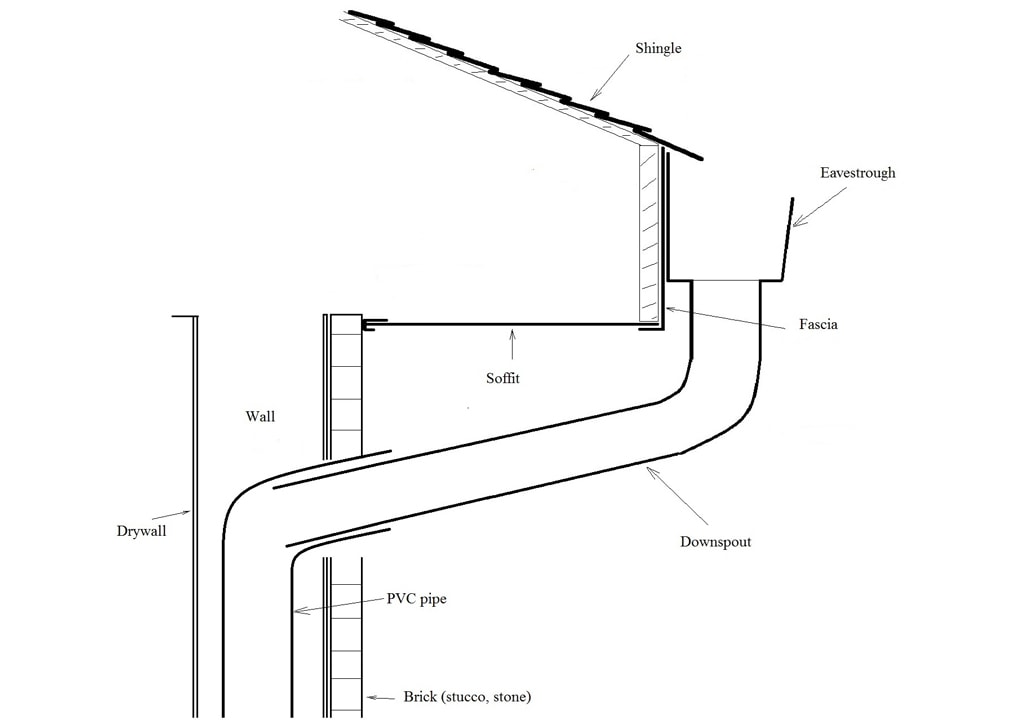
Downspout Height From Ground

One of the most overlooked aspects of home maintenance, often falling under the radar amidst the excitement of new HVAC systems, is proper water management. And a crucial component of this management is the humble downspout. While it may seem insignificant, the height of your downspout from the ground plays a vital role in protecting your foundation, preventing water damage, and maintaining the overall health of your property.
Why Downspout Height Matters
Downspouts are designed to channel rainwater away from your roof and, crucially, away from your foundation. Improper downspout height can negate this function, leading to a host of problems. Here's why getting it right is essential:
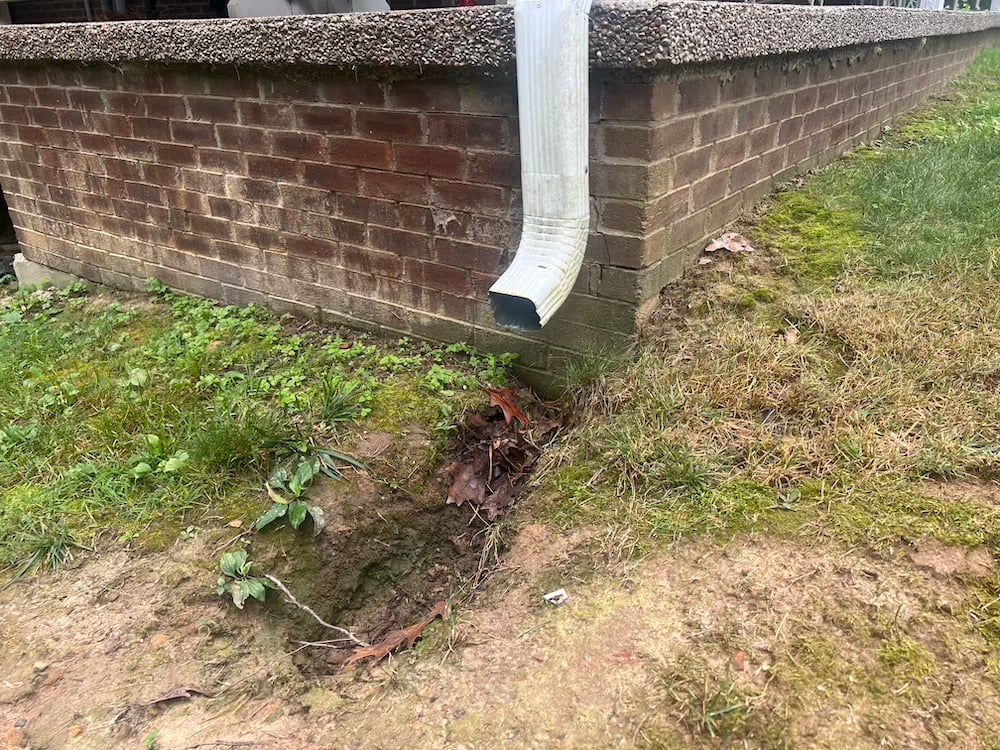
- Foundation Protection: Water pooling near your foundation can seep into cracks, leading to costly structural damage. This can include foundation settling, cracks in walls, and even basement flooding.
- Soil Erosion: Water cascading directly onto the ground from a low downspout can erode the soil around your foundation, weakening its support and potentially damaging landscaping.
- Basement Flooding: Excess water near the foundation increases the risk of water seeping into your basement, causing damage to belongings, promoting mold growth, and creating an unhealthy living environment.
- Ice Dams: In colder climates, improperly directed water can contribute to the formation of ice dams, which can damage your roof and gutters.
- Pest Control: Standing water attracts pests like mosquitoes, creating a breeding ground and increasing the risk of disease transmission.
Recommended Downspout Height: Finding the Sweet Spot
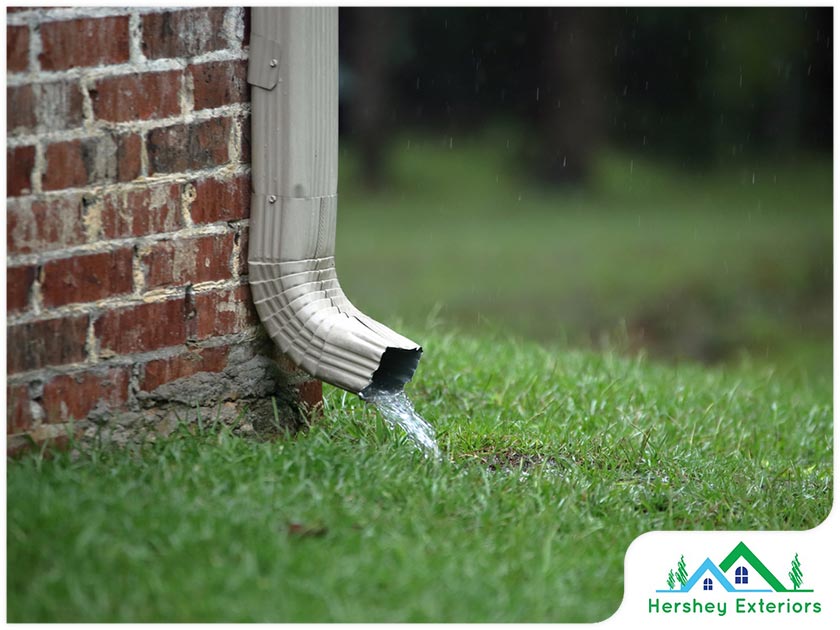
The generally accepted recommendation for downspout height is to ensure the bottom of the downspout is at least 12 inches above the ground. However, this is just a starting point. Several factors influence the ideal height, including:
- Ground Slope: If your yard slopes away from your house, you may be able to get away with a slightly lower downspout. However, if the ground slopes towards your house, you'll need a higher downspout and potentially consider extensions or drainage solutions.
- Soil Type: Sandy soil drains more quickly than clay soil. If you have clay soil, you'll need to ensure water is directed further away from the foundation to prevent pooling.
- Rainfall Intensity: Areas with heavy rainfall require more robust water management solutions, including higher downspouts and potentially underground drainage systems.
- Landscaping: Consider the location of landscaping beds and plants near your foundation. Directing water towards these areas can damage plants and contribute to soil erosion.
Ideally, the downspout should discharge water into a properly graded area that slopes away from the foundation. Consider using downspout extensions or splash blocks to further channel water away from your home.
Downspout Extensions: A Practical Solution
Downspout extensions are a simple and cost-effective way to extend the reach of your downspouts and direct water further away from your foundation. They come in various materials, including plastic, metal, and even flexible options. Here are a few types:
- Rigid Extensions: These are typically made of metal or plastic and provide a fixed extension to the downspout.
- Flexible Extensions: These are made of corrugated plastic and can be bent to follow the contours of your yard.
- Roll-Out Extensions: These extensions are hidden when not in use and automatically unroll when it rains.
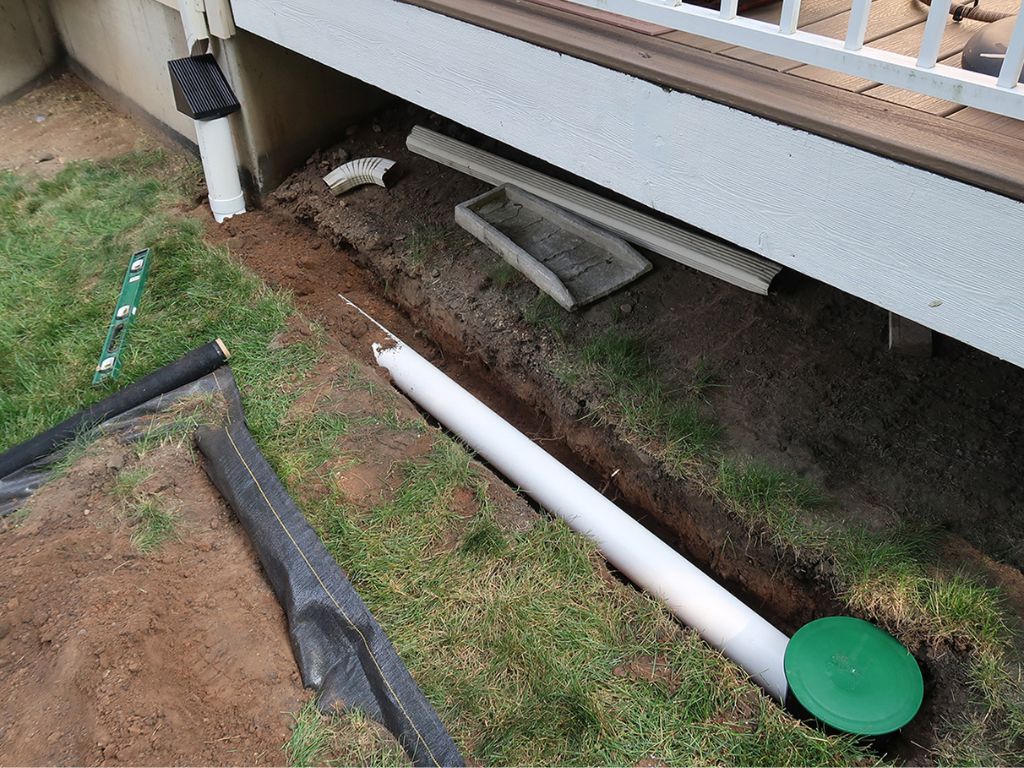
- Underground Extensions: These extensions channel water underground to a designated drainage area, providing a discreet and effective solution.
When choosing a downspout extension, consider the length required, the material durability, and the aesthetic appeal. Ensure the extension is securely attached to the downspout to prevent it from becoming dislodged during heavy rain.
Alternatives to Downspout Extensions
While downspout extensions are a common solution, other options are available for managing rainwater runoff:
- Splash Blocks: These simple blocks sit at the base of the downspout and help to disperse water and prevent soil erosion.
- Rain Barrels: Rain barrels collect rainwater from downspouts, allowing you to use it for watering plants and gardens. This reduces water consumption and helps to manage runoff.
- French Drains: These underground drainage systems consist of a perforated pipe surrounded by gravel, which helps to collect and redirect water away from the foundation.
- Dry Wells: Dry wells are underground storage tanks that collect rainwater and allow it to slowly percolate into the soil.
- Grading: Properly grading your yard to slope away from your foundation is a crucial step in preventing water damage.
Downspout Maintenance: Keeping Things Flowing
Regular downspout maintenance is essential to ensure proper water management. Here are some tips:
- Clean Gutters Regularly: Clogged gutters prevent water from flowing to the downspouts, leading to overflow and potential water damage. Clean your gutters at least twice a year, or more often if you have trees near your house.
- Inspect Downspouts for Damage: Check downspouts for cracks, dents, and loose connections. Repair or replace damaged sections as needed.
- Ensure Proper Drainage: Make sure water is flowing freely away from your foundation. Remove any debris that may be blocking the flow.
- Monitor for Pooling Water: Keep an eye out for water pooling near your foundation. If you notice pooling, investigate the cause and take corrective action.
HVAC and Water Management: An Interconnected System
While seemingly unrelated, your HVAC system and water management are interconnected. A well-maintained HVAC system can help to control humidity levels in your home, reducing the risk of mold growth caused by water damage. Furthermore, proper water management can prevent water from entering your basement and damaging your HVAC equipment.
When considering a new HVAC system, it's wise to assess your home's overall water management strategy. Here's how they connect:
- Humidity Control: Modern HVAC systems, such as those from Carrier or Trane, often include advanced dehumidification features. These help maintain optimal humidity levels, preventing mold growth that can be exacerbated by water intrusion from poor drainage. Look for models with good SEER (Seasonal Energy Efficiency Ratio) ratings, such as the Carrier Infinity 26 (up to 26 SEER), or the Trane XV20i (up to 20 SEER), which also offer precise humidity control.
- Basement HVAC: If your HVAC system is located in the basement, ensure adequate waterproofing and proper drainage. Consider investing in a dehumidifier specifically for the basement to combat moisture. Goodman and Amana offer reliable and cost-effective HVAC systems for basements, but be sure to prioritize moisture control.
- Condensate Drains: Ensure your HVAC system's condensate drain is properly functioning and draining away from the foundation. A clogged condensate drain can lead to water damage and mold growth.
- Outdoor Unit Placement: Place your outdoor HVAC unit on a level surface away from areas prone to flooding or water accumulation.
Choosing the Right HVAC System for a Water-Managed Home
When selecting an HVAC system, consider these factors related to your home's water management:
- High-Efficiency Systems: Systems with high AFUE (Annual Fuel Utilization Efficiency) ratings (for furnaces) and SEER/HSPF (Heating Seasonal Performance Factor) ratings (for heat pumps) are generally more expensive upfront but save money on energy bills in the long run. They also often come with better warranties. For example, the Lennox SLP98V gas furnace boasts up to 98.7% AFUE.
- Variable-Speed Systems: Variable-speed blowers provide more consistent temperature and humidity control, further reducing the risk of mold growth.
- Smart Thermostats: Smart thermostats allow you to remotely monitor and adjust your home's temperature and humidity levels, providing greater control over your indoor environment. Nest and Ecobee are popular options.
- Warranty Considerations: Always review the warranty details of your chosen HVAC system. Look for warranties that cover parts and labor for an extended period. Brands like Rheem and Ruud are known for solid warranties.
Cost Considerations for Downspout Height Adjustment and HVAC Systems
The cost of adjusting downspout height or installing extensions is relatively minimal. Basic extensions can cost as little as $10-$20, while more elaborate underground drainage systems can range from $500 to $2000 or more. Professional installation will add to the cost.
HVAC system costs vary widely depending on the type of system, brand, size, and installation complexity. Here's a general overview:
- Central Air Conditioners: $3,000 - $7,000 installed
- Furnaces: $2,500 - $6,000 installed
- Heat Pumps: $4,000 - $8,000 installed
- Ductless Mini-Splits: $3,000 - $5,000 per zone installed
Remember to factor in the long-term energy savings and potential repair costs when comparing different HVAC systems. Investing in a high-quality, energy-efficient system can save you money in the long run.
Professional Advice: When to Call a Specialist
While some downspout adjustments can be done DIY, it's best to consult a professional for more complex drainage issues or when dealing with foundation problems. Similarly, HVAC system installation and repair should always be handled by qualified technicians. A professional can assess your home's specific needs and recommend the best solutions for water management and climate control.
Conclusion
Don't underestimate the importance of proper downspout height and overall water management. It's a crucial aspect of home maintenance that can protect your foundation, prevent water damage, and ensure the longevity of your HVAC system. By following the recommendations outlined in this guide and consulting with professionals when needed, you can create a healthy and comfortable living environment for years to come. Remember that consistent care is paramount; even the best Bryant or York system needs protection from water damage to perform efficiently.