Dry Bulb And Wet Bulb Temperature
Are you noticing that your home isn't as comfortable as it should be, even with the AC or heater running? Perhaps it feels consistently humid, or your energy bills are inexplicably high. One often-overlooked factor that significantly impacts your HVAC system's performance and your indoor comfort is the relationship between dry bulb and wet bulb temperature.
This article will guide you through understanding these temperatures, how they affect your home's comfort, and provide a practical, step-by-step troubleshooting process. We'll cover DIY checks you can perform and, importantly, when to call in the professionals.
Understanding Dry Bulb and Wet Bulb Temperature
Before we dive into troubleshooting, let’s clarify what dry bulb and wet bulb temperatures are:
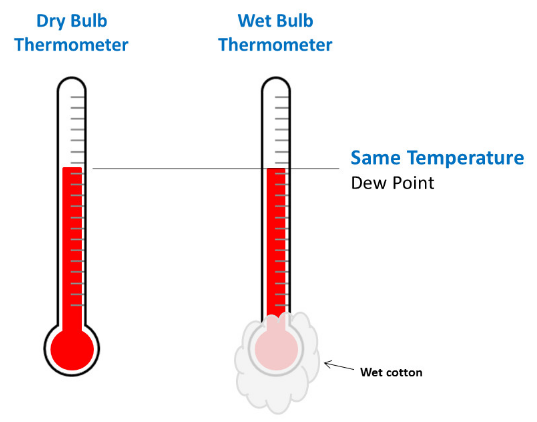
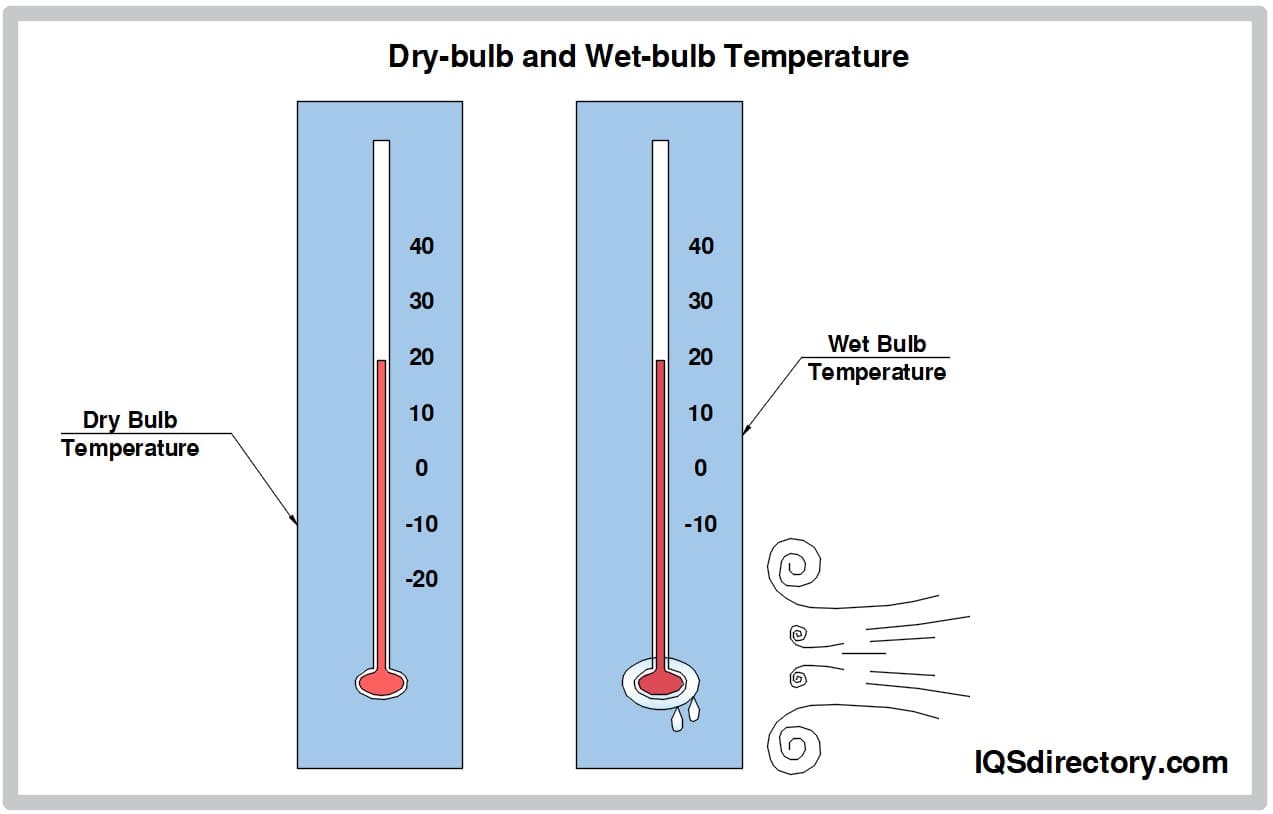
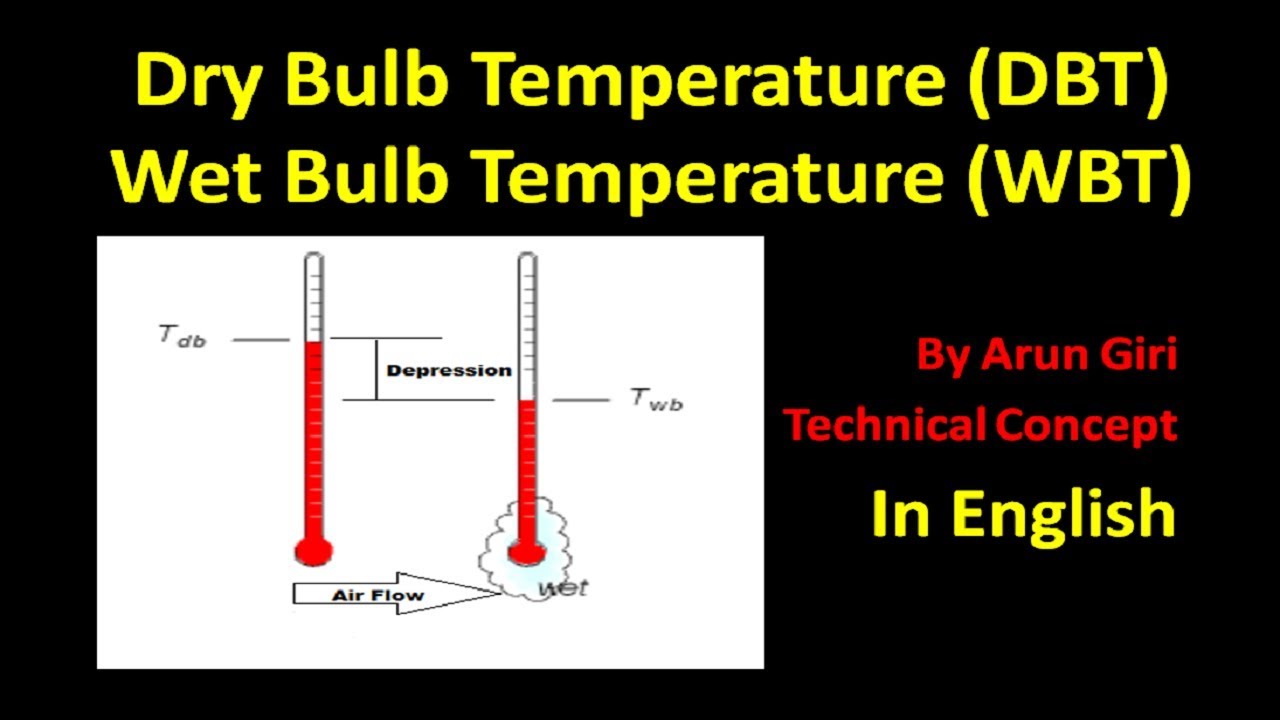
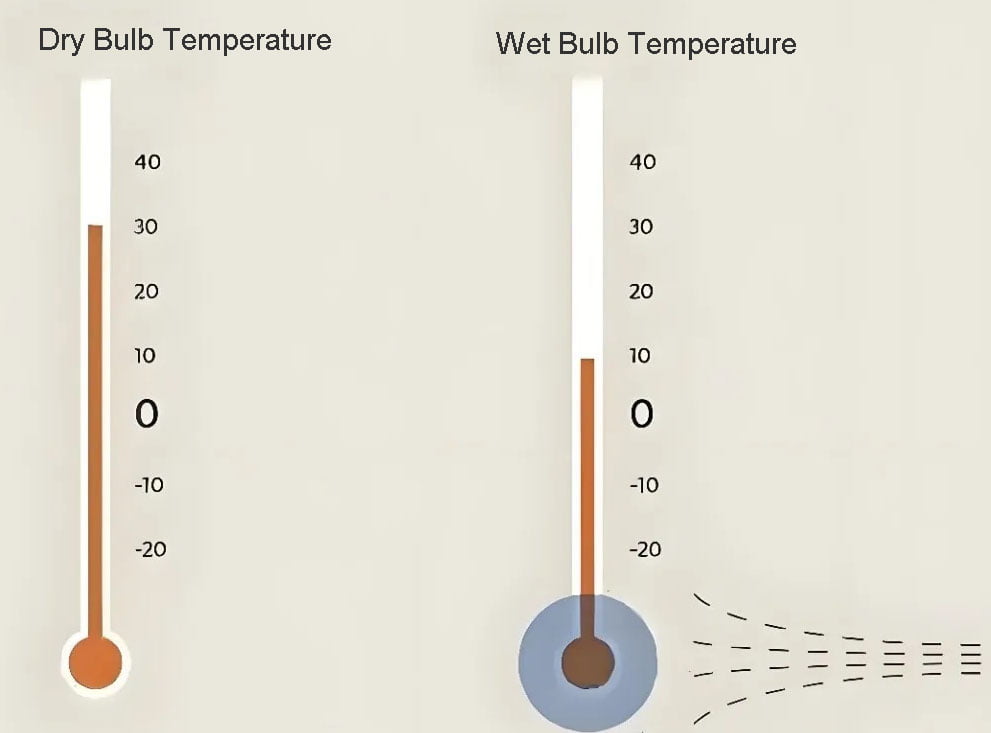
Dry Bulb Temperature: This is the air temperature you usually see on a standard thermometer. It’s simply the temperature of the air, measured without considering humidity.
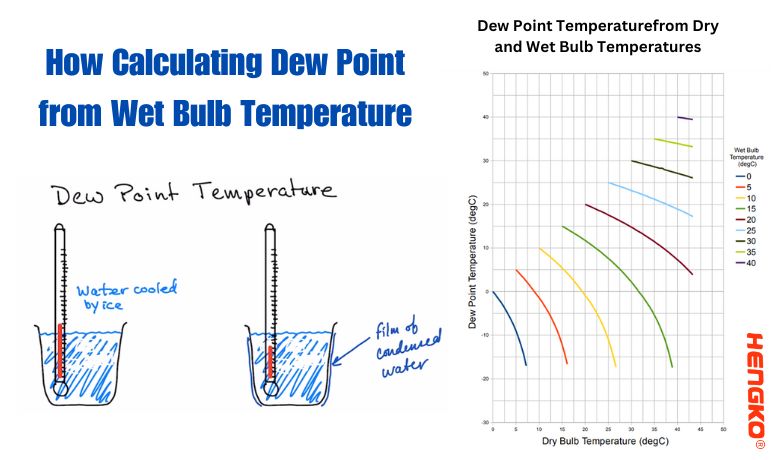
Wet Bulb Temperature: This is the temperature a parcel of air would have if it were cooled to saturation (100% relative humidity) by the evaporation of water into it, with the latent heat being supplied by the parcel of air. Think of it as the temperature you'd feel if you were constantly sweating. Lower wet bulb temperatures indicate drier air, because more sweat can evaporate and cool you down. Higher wet bulb temperatures mean the air is already saturated, so less sweat can evaporate, and you feel hotter.
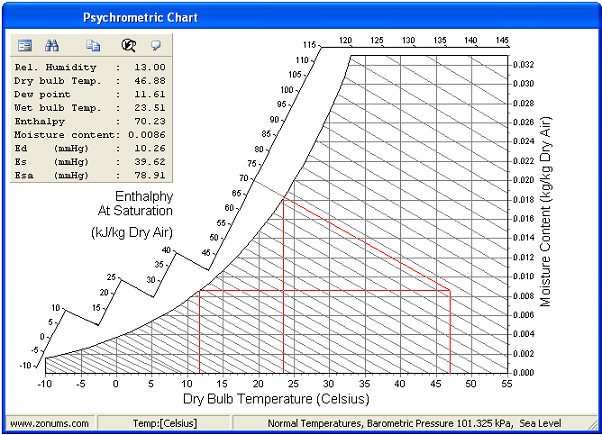
The difference between these two temperatures is key. This difference, along with the dry bulb temperature, allows you to calculate the relative humidity of the air.
Think of it this way: Dry bulb temperature tells you how hot the air is. Wet bulb temperature tells you how much moisture the air can still hold before becoming saturated.
The Problem: Inconsistent Home Comfort and High Energy Bills
Many homeowners experience issues like:
- Uneven Cooling or Heating: Some rooms are too hot or too cold.
- High Humidity: A persistent feeling of dampness, even with the AC running.
- Dry Air: Especially during winter, leading to dry skin and respiratory irritation.
- High Energy Bills: Despite normal thermostat settings, your bills are unusually high.
These problems can often be linked to an imbalance between dry bulb and wet bulb temperatures, leading to inefficient HVAC operation.
Step-by-Step Troubleshooting: A Practical Guide
Here’s a methodical approach to diagnosing potential issues related to dry and wet bulb temperatures in your home.
Step 1: Gather Basic Information (No Tools Required)
Before you start any measurements, collect some fundamental information:
- Current Thermostat Settings: Note your current thermostat settings for both heating and cooling.
- Recent Energy Bills: Compare your recent energy bills to previous months and years. Look for unusual spikes.
- Home Observations: Document areas with temperature inconsistencies, humidity issues (e.g., condensation on windows), or drafts. Pay attention to any unusual smells.
- HVAC System Details: Know the age and model of your HVAC system. Have you had any recent maintenance or repairs?
This initial assessment provides a baseline for your troubleshooting efforts.
Step 2: Measuring Dry and Wet Bulb Temperatures (Requires Basic Equipment)
To accurately assess the situation, you'll need to measure both dry and wet bulb temperatures. You can use a sling psychrometer, a digital psychrometer, or even a DIY method.
Using a Sling Psychrometer:
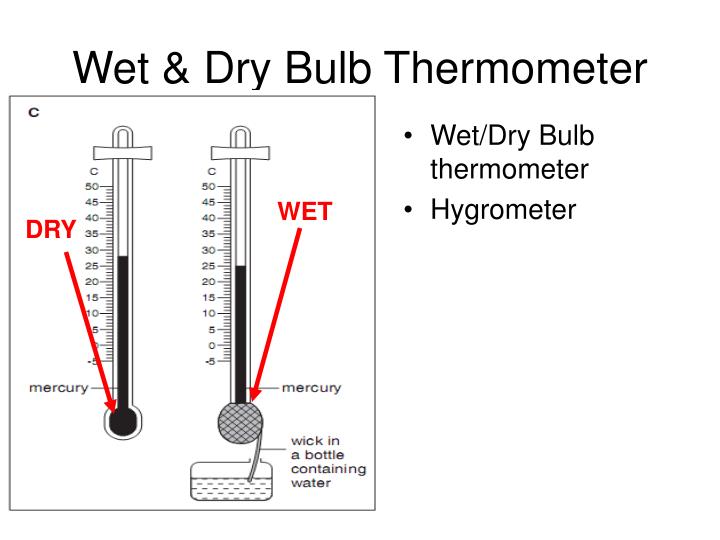
- Prepare the Psychrometer: The sling psychrometer has two thermometers. One is dry bulb, and the other is wet bulb. Moisten the wick covering the bulb of the wet bulb thermometer with distilled water.
- Sling the Psychrometer: Whirl the psychrometer in the air for 1-2 minutes. The evaporation of water from the wet bulb will cool it down.
- Read the Temperatures: Quickly read both thermometers immediately after whirling.
- Repeat the Process: Repeat steps 2 and 3 until the wet bulb temperature stabilizes (doesn't decrease further).
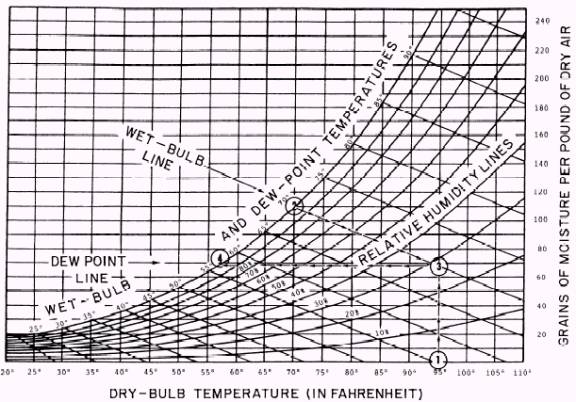
- Calculate Relative Humidity: Use a psychrometric chart or online calculator to determine the relative humidity based on the dry and wet bulb temperatures.
Using a Digital Psychrometer:
- Turn on the Psychrometer: Allow the instrument to stabilize for a few minutes.
- Take Readings: The digital psychrometer will display both dry bulb and wet bulb temperatures, often along with relative humidity.
- Record Readings: Note the readings in different areas of your home.
DIY Method (Less Accurate, but Useful for Estimations):
- Two Thermometers: Use two identical thermometers.
- Wet Bulb Setup: Wrap a piece of cotton cloth around the bulb of one thermometer and moisten it with water.
- Airflow: Ensure both thermometers are exposed to airflow (e.g., from a fan).
- Wait and Read: After a few minutes, read both thermometers. The one with the wet cloth will show the wet bulb temperature.
Where to Take Measurements:
- Inside Your Home: Take readings in different rooms, especially those that feel unusually hot, cold, humid, or dry.
- Near HVAC Vents: Measure the temperature and humidity of the air coming out of your supply vents.
- Outside Your Home: Record the ambient temperature and humidity.
Important Note: Ensure accurate readings by avoiding direct sunlight and drafts during measurement.
Step 3: Analyzing Your Readings
Once you have your dry bulb and wet bulb temperatures, you need to analyze them. Here's what to look for:
- Relative Humidity: Calculate or obtain the relative humidity for each location. Ideal relative humidity levels are generally between 30% and 60%.
- Significant Differences: Are there large temperature or humidity differences between rooms? This indicates uneven HVAC performance.
- Extreme Values: Are the temperatures or humidity levels excessively high or low compared to the outdoor conditions and your thermostat settings?
- HVAC Vent Readings: Compare the temperature and humidity of the air coming from your supply vents to the room conditions. Ideally, the air from AC vents should be cooler and drier than the room air. Air from heating vents should be warmer and potentially slightly drier.
Here are some typical issues and their potential interpretations:
- High Humidity (Above 60%): This can indicate poor ventilation, a malfunctioning dehumidifier, or an AC system that's not properly removing moisture.
- Low Humidity (Below 30%): Common in winter, can lead to dry skin and respiratory problems. May indicate a need for a humidifier.
- Large Temperature Differences Between Rooms: Could be due to blocked vents, poor insulation, or ductwork leaks.
Step 4: DIY Checks and Simple Solutions (Proceed with Caution)
Based on your analysis, here are some DIY checks and solutions you can try. Always turn off the power to your HVAC system before performing any maintenance.
Checks Without Tools:
- Air Filter: A dirty air filter restricts airflow, impacting both heating and cooling efficiency. Check the filter regularly and replace it when dirty. This is one of the simplest and most important maintenance tasks.
- Vent Obstructions: Make sure furniture, rugs, or curtains aren't blocking vents. Clear any obstructions to ensure proper airflow.
- Registers: Verify that registers are open in rooms that need heating or cooling and closed in unused rooms. Adjust registers to balance airflow.
- Return Air Grilles: Ensure return air grilles are not blocked by furniture or debris. Clear any obstructions to maintain proper air circulation.
- Outdoor Unit: Check the outdoor unit (condenser) for debris like leaves, grass clippings, or snow. Clear away any obstructions to ensure proper airflow.
- Check for Drafts: Feel around windows and doors for drafts. Seal any gaps with weatherstripping or caulk. This helps to improve energy efficiency and comfort.
Checks Requiring Basic Tools (Screwdriver, Multimeter - *Use with Caution*):
- Ductwork Leaks (Visual Inspection): Inspect visible ductwork for obvious leaks or damage. Seal small leaks with duct tape (for a temporary fix) or mastic sealant (for a more permanent solution). Note: Sealing ductwork effectively often requires professional expertise, especially for ducts located in inaccessible areas.
- Condensate Drain Line: A clogged condensate drain line can cause high humidity and water damage. Locate the drain line (usually near the indoor unit) and check for clogs. You can try clearing it with a wet/dry vacuum or by pouring a cup of diluted bleach down the drain (use gloves and eye protection). If the clog is severe or inaccessible, call a professional.
- Capacitor (For Advanced Users ONLY - EXTREME CAUTION!): *This requires knowledge of electrical safety and proper testing procedures.* If you're comfortable and knowledgeable, you can check the capacitor on your outdoor unit. A bulging or leaking capacitor is a sign of failure and needs replacement. *However, capacitors store a significant electrical charge even when the unit is off. Improper handling can result in severe electric shock. If you are not absolutely confident, DO NOT attempt this step. Call a professional.*
Step 5: When to Call a Professional
There are several situations where DIY troubleshooting is not recommended, and you should contact a qualified HVAC technician.
- Refrigerant Leaks: If you suspect a refrigerant leak (e.g., hissing sound, ice buildup on the refrigerant lines), DO NOT attempt to fix it yourself. Refrigerants are harmful to the environment and require specialized equipment to handle.
- Electrical Issues: Any electrical problems beyond simple checks (e.g., blown fuses, tripped breakers) should be handled by a qualified electrician or HVAC technician.
- Major Component Failures: If you suspect a major component failure, such as a faulty compressor, heat exchanger, or blower motor, it's best to call a professional for diagnosis and repair.
- Complex Ductwork Issues: Diagnosing and repairing ductwork problems within walls or in attics typically requires specialized equipment and expertise.
- Uncertainty: If you're unsure about any step or uncomfortable working with your HVAC system, err on the side of caution and call a professional.
- Old Systems: Older systems often benefit from a professional inspection to identify inefficiencies and potential problems before they become major issues.
Preventative Maintenance: Keeping Your System Running Smoothly
The best way to avoid comfort issues and high energy bills is to perform regular preventative maintenance on your HVAC system.
- Regular Air Filter Changes: Change your air filter every 1-3 months, or more frequently if you have pets or allergies.
- Annual Professional Maintenance: Schedule an annual checkup with a qualified HVAC technician. They can inspect and clean your system, check refrigerant levels, and identify potential problems early on.
- Clean Outdoor Unit: Regularly clean the outdoor unit to remove debris and ensure proper airflow.
- Keep Vents and Registers Clear: Ensure vents and registers are free from obstructions.
- Monitor Performance: Pay attention to your system's performance and any changes in comfort levels or energy bills.
Conclusion
Understanding dry bulb and wet bulb temperatures can empower you to troubleshoot common HVAC problems and improve your home's comfort and energy efficiency. By following the steps outlined in this article, you can identify potential issues, perform simple DIY checks, and know when to call in the professionals. Remember to prioritize safety and always err on the side of caution when working with your HVAC system. With regular maintenance and a proactive approach, you can keep your system running smoothly and enjoy a comfortable home year-round.