Dual Fuel Heat Pump Package Unit

The HVAC industry is constantly evolving, offering homeowners, technicians, and facility managers increasingly efficient and adaptable solutions for heating and cooling. Among these innovations, the dual fuel heat pump package unit stands out as a versatile option, combining the benefits of both heat pump and furnace technologies. This article will delve into the workings, advantages, disadvantages, and applications of dual fuel heat pump package units, offering valuable insights for anyone considering or working with these systems.
What is a Dual Fuel Heat Pump Package Unit?
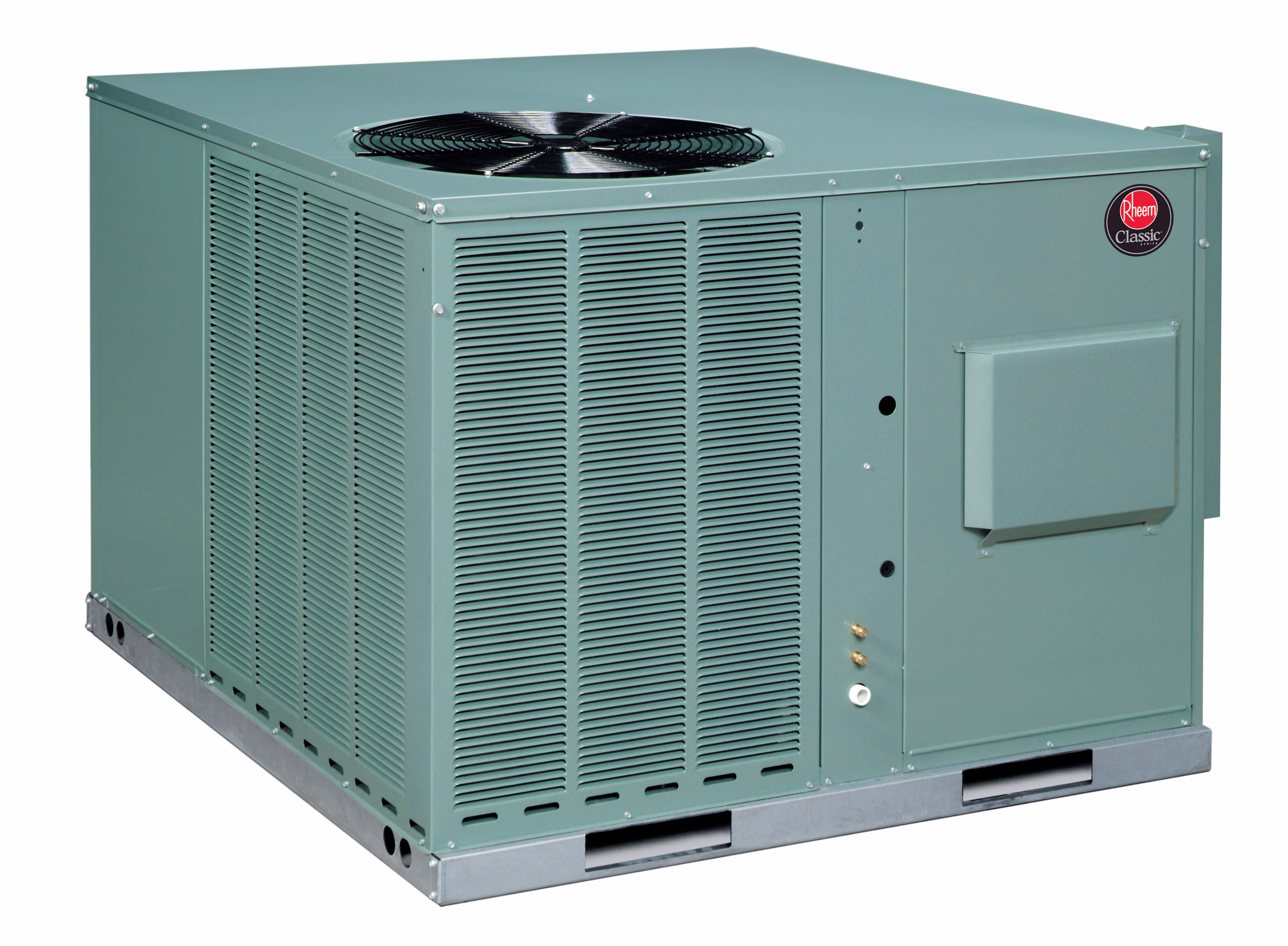
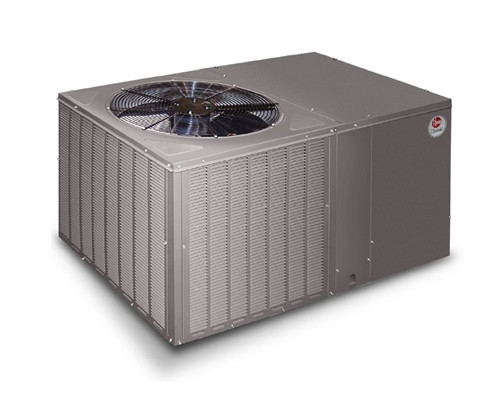
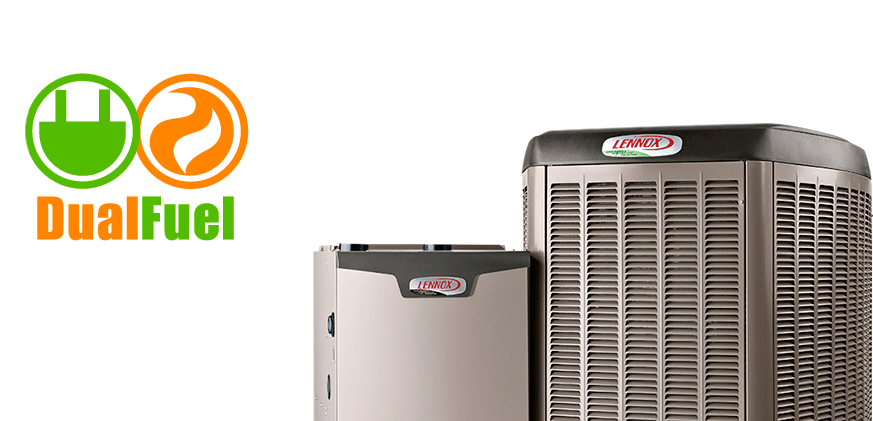
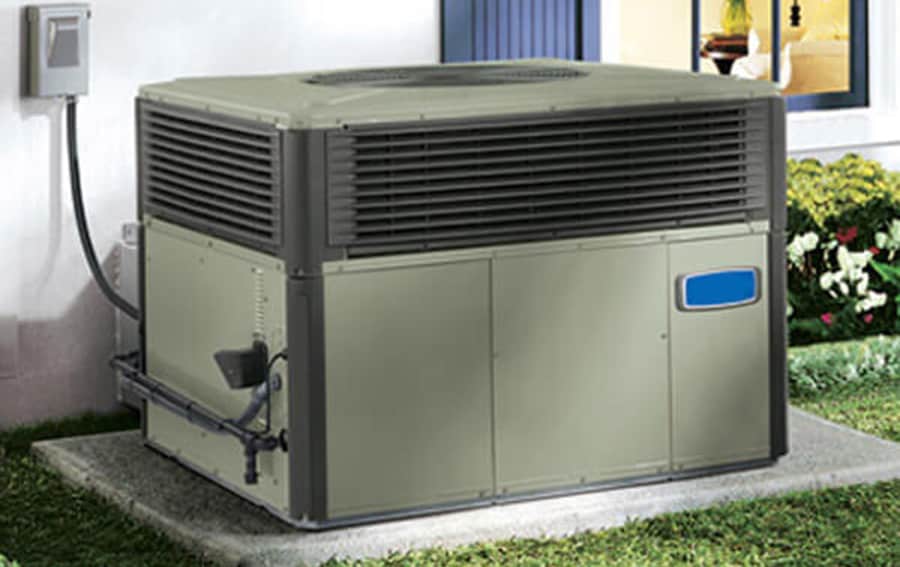
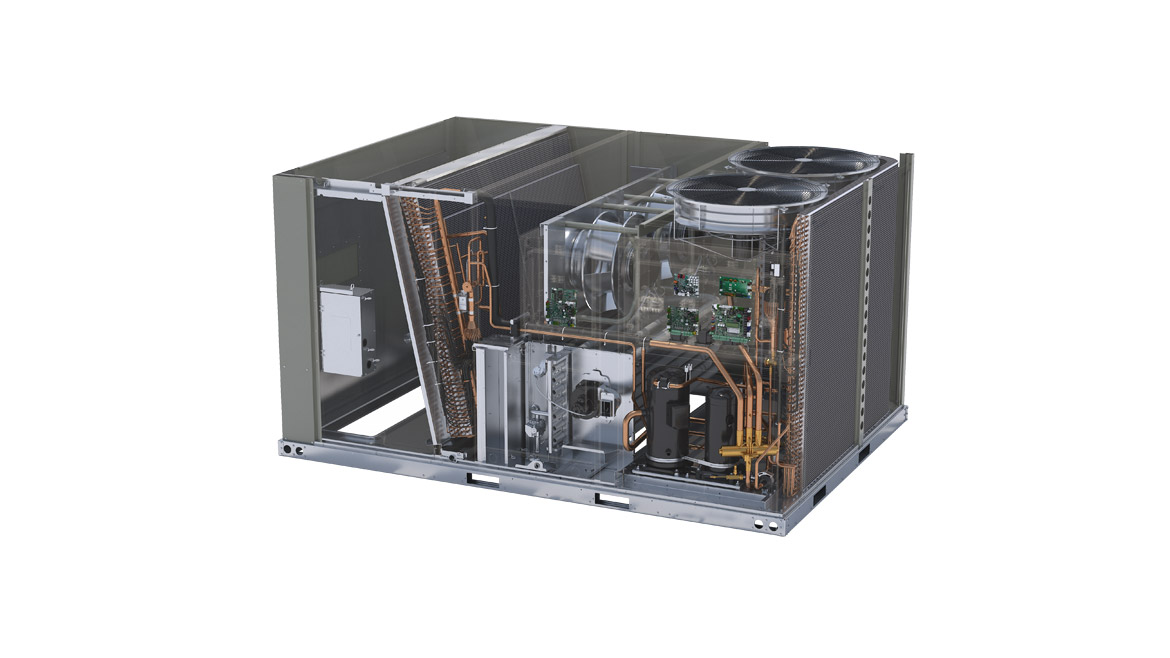
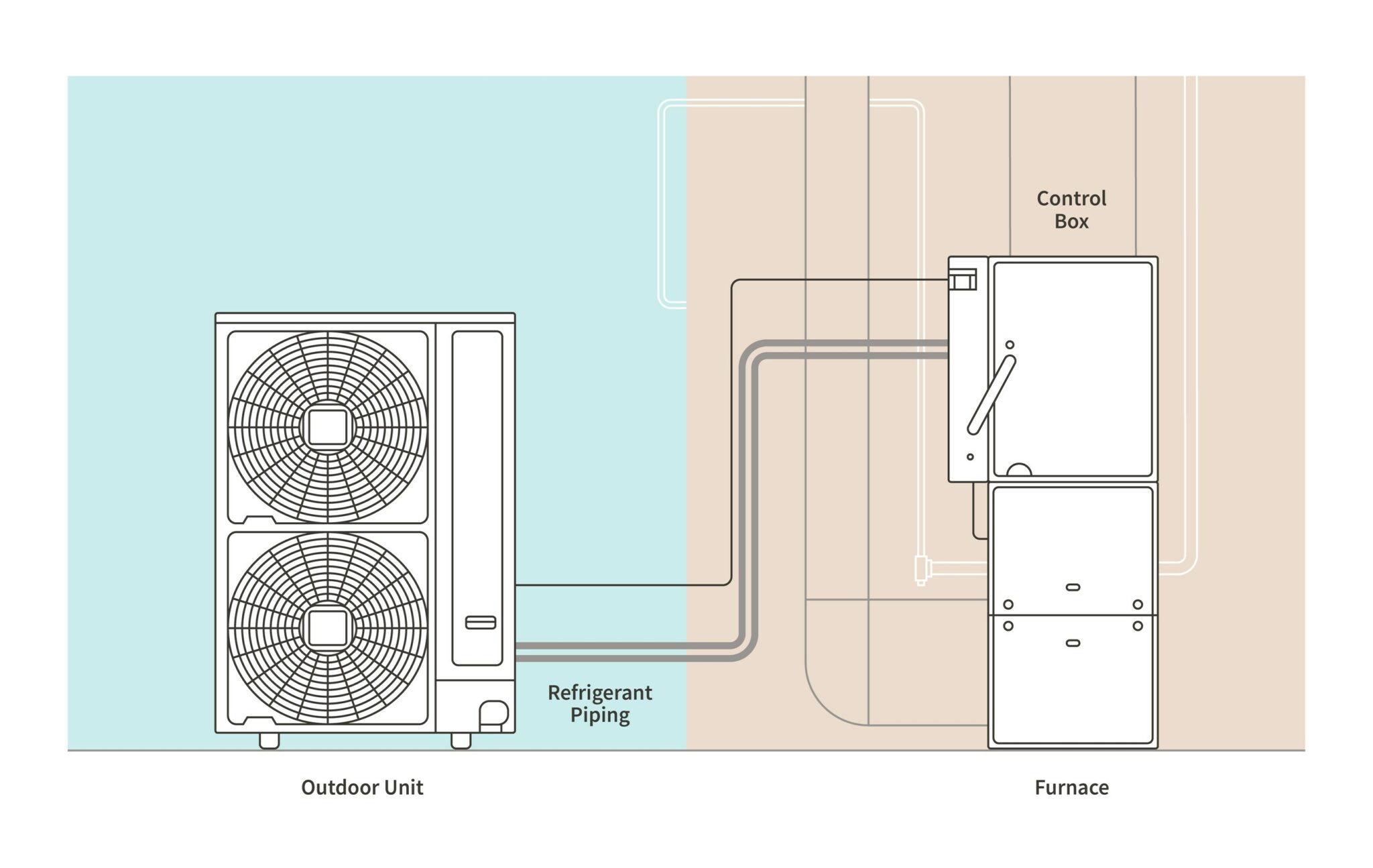
A dual fuel heat pump package unit is essentially a hybrid heating and cooling system contained within a single outdoor unit. Unlike a traditional split system where the air handler is inside the building and the condensing unit outside, a package unit houses all the components – evaporator coil, condenser coil, compressor, and either a gas furnace or electric resistance heating – in one cabinet. The "dual fuel" aspect refers to the system's ability to utilize both electricity (for the heat pump) and a fossil fuel, such as natural gas or propane (for the furnace), to provide heating. It intelligently selects the most cost-effective and efficient fuel source based on outdoor temperature and energy prices.
How it Works
During warmer months, the system operates as a standard air conditioner, using the refrigerant cycle to extract heat from the indoor air and release it outside. In milder heating seasons, the heat pump efficiently transfers heat from the outside air into the building. However, when outdoor temperatures drop below a certain threshold (the balance point, typically around 30-40°F or -1 to 4°C), the heat pump's efficiency diminishes significantly. At this point, the system automatically switches to the gas furnace or electric resistance heating. This ensures that the building is heated effectively and economically, even in very cold weather. The system's control board monitors temperature sensors and fuel prices to optimize fuel usage. This smart control is what makes dual-fuel systems both efficient and attractive.
Advantages of Dual Fuel Heat Pump Package Units
- Energy Efficiency: Dual fuel systems maximize energy efficiency by using the heat pump for heating when it's most efficient and switching to the furnace when necessary. This optimizes fuel consumption and lowers utility bills.
- Cost Savings: By utilizing the most cost-effective fuel source, dual fuel systems can lead to significant savings on heating costs, especially in regions with fluctuating energy prices. For example, if natural gas prices are low compared to electricity, the furnace will be prioritized.
- Comfort: Dual fuel systems provide consistent and comfortable heating throughout the year, regardless of outdoor temperature. The furnace ensures reliable heating even in extremely cold conditions.
- Environmental Friendliness: By utilizing the highly efficient heat pump when possible and strategically using the more sustainable fuel source available (natural gas tends to produce less CO2 than propane or oil), dual fuel systems reduce overall carbon emissions.
- Space Saving: As a package unit, all components are housed in a single outdoor unit, freeing up indoor space. This can be particularly beneficial in commercial buildings or homes with limited square footage.
- Simplified Installation: While still requiring professional installation, package units generally have simpler ductwork connections compared to split systems, potentially reducing installation costs.
Disadvantages of Dual Fuel Heat Pump Package Units
- Higher Upfront Cost: Dual fuel systems typically have a higher initial purchase price than traditional heat pumps or furnaces. The added complexity of the system and the integration of two heating technologies contribute to the higher cost.
- Complex Maintenance: Servicing a dual fuel system requires expertise in both heat pump and furnace technologies. It's crucial to hire a qualified HVAC technician with experience in these systems.
- Potential for Component Failure: With more components, there's a slightly higher risk of component failure compared to simpler systems. Regular maintenance is crucial to prevent breakdowns.
- Reliance on Fuel Availability: The system relies on the availability of the secondary fuel source (e.g., natural gas or propane). If the fuel supply is interrupted, the system may not be able to provide adequate heating.
- Noise: Package units are located outside and the operational noise of both the heat pump and the furnace can be a concern, depending on placement relative to windows, patios, or neighboring properties.
Efficiency Ratings and Lifespan
The efficiency of a dual fuel heat pump package unit is measured using several key ratings: SEER (Seasonal Energy Efficiency Ratio) for cooling, HSPF (Heating Seasonal Performance Factor) for heat pump heating, and AFUE (Annual Fuel Utilization Efficiency) for the furnace. A higher SEER and HSPF indicate greater cooling and heating efficiency, respectively. A higher AFUE indicates a more efficient furnace. Modern dual fuel systems often boast SEER ratings of 16 or higher, HSPF ratings of 8.5 or higher, and AFUE ratings of 80% to 98%. Remember to check local regulations, as minimum efficiency requirements can vary. The lifespan of a well-maintained dual fuel heat pump package unit is typically 15-20 years. Proper maintenance, including regular filter changes, coil cleaning, and professional inspections, can extend the system's lifespan and maintain its efficiency.
Cost Considerations
The total cost of a dual fuel heat pump package unit includes the purchase price, installation costs, and ongoing operating expenses. The purchase price can range from $5,000 to $12,000 or more, depending on the size, features, and efficiency of the system. Installation costs can vary depending on the complexity of the project and local labor rates. Operating costs will depend on energy prices and usage patterns. While the upfront cost is higher than a traditional system, the potential long-term savings on energy bills can offset the initial investment. Government rebates and tax incentives may also be available to help offset the cost of energy-efficient HVAC systems. Always obtain multiple quotes from qualified contractors to compare prices and services.
Applications of Dual Fuel Heat Pump Package Units
Dual fuel heat pump package units are well-suited for a variety of applications, including:
- Residential Homes: Ideal for homes in regions with moderate to cold winters, where the heat pump can provide efficient heating during milder temperatures and the furnace can take over during extreme cold.
- Commercial Buildings: Suitable for small to medium-sized commercial buildings where space is limited and energy efficiency is a priority.
- New Construction: An excellent choice for new construction projects, as the system can be easily integrated into the building design.
- Retrofit Projects: Can be used to replace existing HVAC systems, offering a more energy-efficient and cost-effective solution.
- Buildings with Limited Space: The compact design of package units makes them a good option for buildings with limited indoor space.
Installation Considerations
Proper installation is critical to ensure the optimal performance and longevity of a dual fuel heat pump package unit. It is essential to hire a qualified HVAC contractor with experience in installing and servicing these systems. The installation process typically involves the following steps:
- Site Assessment: The contractor will assess the building's heating and cooling needs, as well as the existing ductwork and electrical infrastructure.
- Unit Selection: The contractor will recommend a unit that is appropriately sized for the building's heating and cooling load.
- Ductwork Modifications: If necessary, the ductwork will be modified to ensure proper airflow and distribution of heated or cooled air.
- Electrical Connections: The unit will be connected to the building's electrical system by a licensed electrician.
- Gas Line Connections: If the system uses a gas furnace, a qualified gas fitter will connect the unit to the gas line.
- System Testing and Commissioning: The contractor will test the system to ensure that it is operating correctly and efficiently.
- Homeowner Education: The contractor will provide the homeowner with instructions on how to operate and maintain the system.
Maintenance Tips
Regular maintenance is crucial to keep a dual fuel heat pump package unit operating efficiently and reliably. Here are some essential maintenance tips:
- Change Air Filters Regularly: Replace air filters every 1-3 months, depending on usage and air quality.
- Clean Coils: Clean the condenser and evaporator coils at least once a year.
- Inspect Ductwork: Inspect the ductwork for leaks or damage and repair as needed.
- Check Gas Connections: Have a qualified gas fitter inspect the gas connections annually to ensure there are no leaks.
- Schedule Professional Maintenance: Schedule a professional HVAC inspection and tune-up at least once a year. This will help identify and address any potential problems before they become major issues.
Conclusion
The dual fuel heat pump package unit offers a compelling combination of energy efficiency, cost savings, and comfort for homeowners, technicians, and facility managers. By intelligently utilizing both heat pump and furnace technologies, these systems can provide reliable and economical heating and cooling throughout the year. While the upfront cost may be higher than traditional systems, the potential long-term savings and environmental benefits make dual fuel heat pump package units a worthwhile investment. As with any HVAC system, proper installation and regular maintenance are essential to ensure optimal performance and longevity. When considering a new or replacement HVAC system, carefully evaluate the benefits of dual fuel technology to determine if it's the right choice for your specific needs and circumstances.