Ductboard Duct Sections Are Fabricated From Which Material
In the world of HVAC (Heating, Ventilation, and Air Conditioning), the unseen network of ductwork plays a critical role in delivering conditioned air to our homes and businesses. Understanding the materials used to construct these ducts is fundamental for HVAC professionals, from entry-level technicians to seasoned engineers. This article delves into the specific material used in ductboard duct sections, its properties, advantages, and its place within the broader HVAC landscape.
The Composition of Ductboard
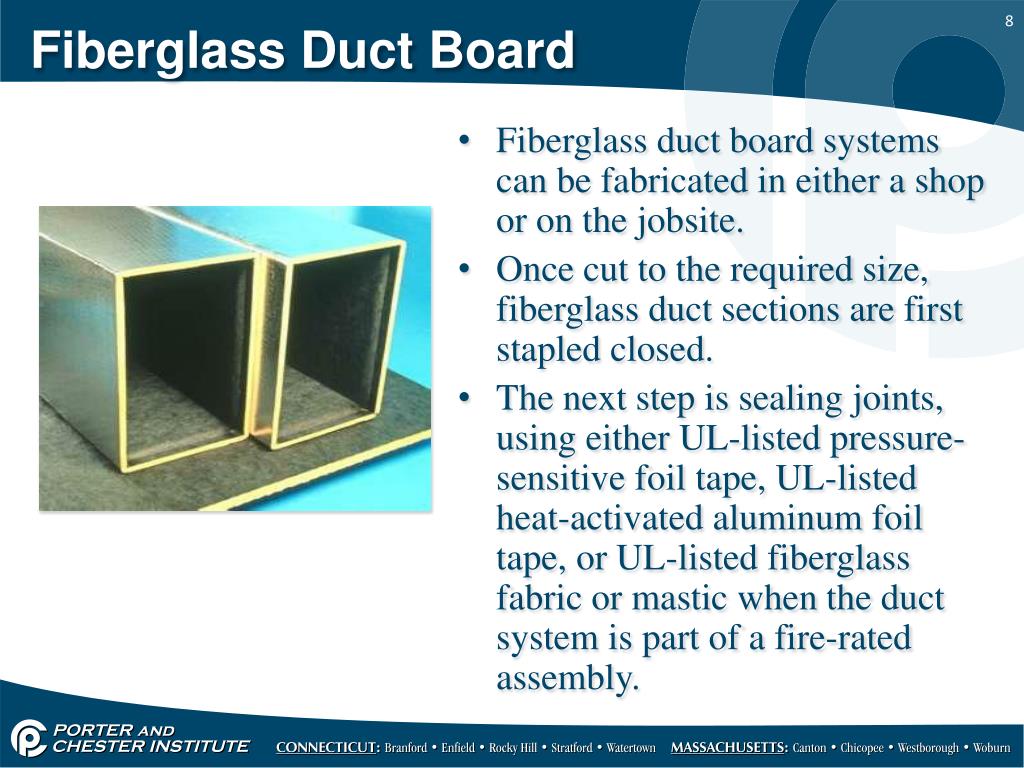
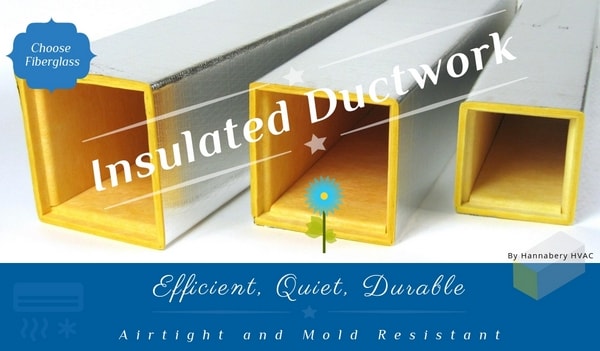
The answer to the question "Ductboard duct sections are fabricated from which material?" is fiberglass. Specifically, ductboard is a rigid insulation board made from compressed fiberglass fibers bonded together with a resin. The exterior surface is then coated with a foil-scrim-kraft (FSK) facing, which provides a vapor barrier and a surface for sealing joints.
Fiberglass: The Core Component
Fiberglass itself is created by melting glass and then spinning it into fine fibers. These fibers are then combined with a binder and formed into the desired shape – in this case, rigid boards designed for ductwork.
FSK Facing: Sealing the Deal
The FSK facing isn't just for aesthetics. It’s crucial for several reasons:
- Vapor Barrier: Prevents moisture from condensing on the duct surface, which can lead to mold growth and reduced insulation effectiveness.
- Air Leakage: When properly sealed with specialized tapes and mastic, the FSK facing helps create an airtight duct system, minimizing energy loss.
- Surface for Sealing: The smooth surface allows for effective adhesion of sealing materials.
Advantages of Using Ductboard
Ductboard offers several benefits that have contributed to its widespread use in residential and light commercial HVAC systems:
- Insulation: Ductboard inherently provides thermal insulation, reducing heat loss or gain as air travels through the ductwork. This is a significant advantage over uninsulated metal ducts.
- Sound Attenuation: The fiberglass material helps to absorb sound, reducing noise from the HVAC system.
- Lightweight: Ductboard is lighter than sheet metal, making it easier to handle and install, especially in tight spaces.
- Cost-Effective: In many applications, ductboard can be more economical than insulated sheet metal ductwork, especially when considering labor costs.
- Ease of Fabrication: Technicians can easily cut, shape, and assemble ductboard on-site using specialized tools.
Disadvantages of Ductboard
Despite its advantages, ductboard also has some limitations:
- Durability: Ductboard is more susceptible to damage than sheet metal, especially in high-traffic areas or when exposed to physical impact.
- Air Quality Concerns: If not properly installed and maintained, fiberglass particles can potentially enter the airstream. However, this is generally a concern with older or poorly maintained systems.
- Limited Applications: Ductboard is generally not suitable for high-velocity or high-pressure systems.
- Moisture Sensitivity: While the FSK facing provides a vapor barrier, prolonged exposure to moisture can damage the ductboard.
- Sealing Requirements: Proper sealing is crucial to prevent air leaks. Poorly sealed ductboard systems can negate many of the advantages.
Ductboard vs. Sheet Metal: A Comparison
The choice between ductboard and sheet metal depends on the specific application and project requirements. Here's a comparison:
| Feature | Ductboard | Sheet Metal |
|---|---|---|
| Cost | Generally lower material cost, potentially lower labor cost | Higher material cost, potentially higher labor cost |
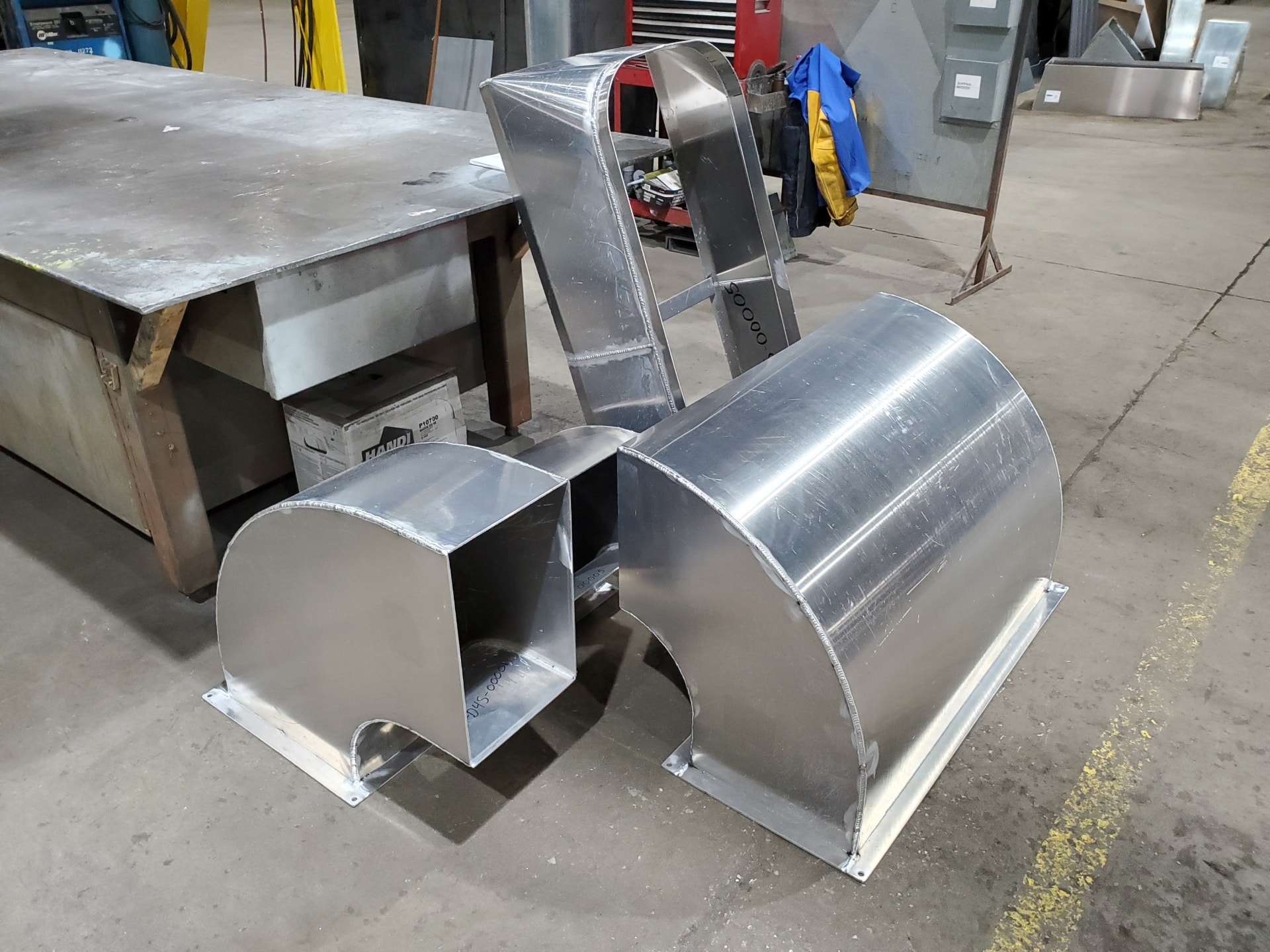
| Insulation | Inherent insulation | Requires separate insulation |
| Sound Attenuation | Good | Poor (requires insulation for sound dampening) |
| Durability | Lower | Higher |
| Applications | Residential and light commercial | Residential, commercial, and industrial |
| Air Velocity/Pressure | Lower | Higher |
The Role of Ductboard in the HVAC Industry
Ductboard continues to be a widely used material in residential HVAC systems, particularly in new construction and renovation projects. Its ease of installation and inherent insulation make it an attractive option for many contractors and homeowners. However, proper installation techniques are crucial to ensure optimal performance and air quality.
HVAC Career Paths and the Importance of Ductwork Knowledge
Understanding ductwork, including ductboard fabrication and installation, is essential for various HVAC career paths:
HVAC Technicians and Installers
These professionals are responsible for installing, maintaining, and repairing HVAC systems, including ductwork. They need to be proficient in cutting, shaping, and sealing ductboard, as well as diagnosing and resolving issues related to ductwork leaks and airflow problems. The U.S. Bureau of Labor Statistics projects a 6% growth for HVAC mechanics and installers from 2022 to 2032, about as fast as the average for all occupations. The median annual wage for HVAC mechanics and installers was $51,900 in May 2022.
HVAC Service Technicians
These technicians specialize in troubleshooting and repairing existing HVAC systems. Knowledge of ductwork is crucial for identifying and addressing issues such as air leaks, blockages, and inadequate insulation. They often earn certifications like NATE (North American Technician Excellence) to demonstrate their expertise.
HVAC System Designers and Engineers
These professionals design HVAC systems for new buildings and renovations. They need to understand the properties of different ductwork materials, including ductboard, to ensure optimal system performance and energy efficiency. Their designs need to comply with building codes and regulations. Often, these roles require a bachelor's degree in mechanical engineering or a related field. Salaries can range from $70,000 to $120,000+ depending on experience and location.
HVAC Sales and Project Managers
These professionals work with clients to determine their HVAC needs and manage the installation process. A good understanding of ductwork is essential for accurately estimating project costs and ensuring that the system is properly installed. Project managers may also pursue certifications like PMP (Project Management Professional).
Certifications and Training
Several certifications and training programs can enhance your knowledge and skills related to ductwork and HVAC systems:
- EPA Section 608 Certification: Required for technicians who handle refrigerants. This certification covers the proper handling, recovery, and disposal of refrigerants.
- NATE Certification: A voluntary certification that demonstrates a technician's competency in specific areas of HVAC, such as installation and service.
- HVAC Excellence Certification: Another voluntary certification that assesses a technician's knowledge and skills in various HVAC disciplines.
- Manufacturer-Specific Training: Many manufacturers offer training programs on their specific products, including ductboard and HVAC systems.
- Vocational Schools and Apprenticeships: These programs provide hands-on training and classroom instruction in HVAC fundamentals, including ductwork fabrication and installation.
Tools for Working with Ductboard
Working with ductboard requires specialized tools to ensure accurate cuts and proper sealing:
- Ductboard Knives: Used for making clean, precise cuts in the ductboard.
- Staple Guns: Used to secure the FSK facing to the fiberglass core.
- Sealing Tape: Specialized tape designed for sealing ductboard joints and seams.
- Mastic: A paste-like sealant used to reinforce joints and create an airtight seal.
- Measuring Tools: Tape measures, squares, and levels are essential for accurate measurements and alignment.
Trends in the HVAC Industry and Ductwork
The HVAC industry is constantly evolving, with new technologies and materials emerging. Here are some trends related to ductwork:
- Energy Efficiency: Increasing focus on energy-efficient HVAC systems, including ductwork designed to minimize air leaks and heat loss/gain.
- Smart HVAC Systems: Integration of smart thermostats and sensors to optimize HVAC system performance and energy consumption.
- Improved Air Quality: Growing awareness of indoor air quality and the importance of properly sealed and maintained ductwork.
- Sustainable Materials: Exploration of more sustainable materials for ductwork, including recycled content and bio-based materials.
- Prefabricated Ductwork: Increased use of prefabricated ductwork sections to reduce on-site labor and improve installation quality.
Conclusion
Understanding the materials used in ductwork, particularly ductboard, is crucial for success in the HVAC industry. Ductboard, fabricated from fiberglass and coated with an FSK facing, offers advantages in terms of insulation, sound attenuation, and cost-effectiveness. However, proper installation and maintenance are essential to ensure optimal performance and air quality. By pursuing relevant certifications and training, HVAC professionals can enhance their skills and knowledge and advance their careers in this dynamic and growing field.
The HVAC industry provides numerous career opportunities, from entry-level technician positions to advanced engineering and management roles. With a strong understanding of ductwork and other HVAC fundamentals, you can build a rewarding and successful career in this essential industry. Furthermore, according to a recent report by IBISWorld, the HVAC market size in the US has grown 3.5% per year on average between 2018 and 2023. This growth provides increasing opportunities for skilled HVAC professionals.