Ductile Iron Pipe Vs Cast Iron
Ductile Iron vs. Cast Iron: An HVAC Professional's Guide for Homeowners
When it comes to piping in your HVAC system, understanding the materials used is crucial for longevity, efficiency, and overall performance. Two common materials you'll encounter are ductile iron and cast iron. While both are iron-based, their properties and applications within an HVAC system differ significantly. This guide will break down the pros, cons, features, and pricing of each, enabling you to make informed decisions about your home's heating and cooling infrastructure.
What is Cast Iron?
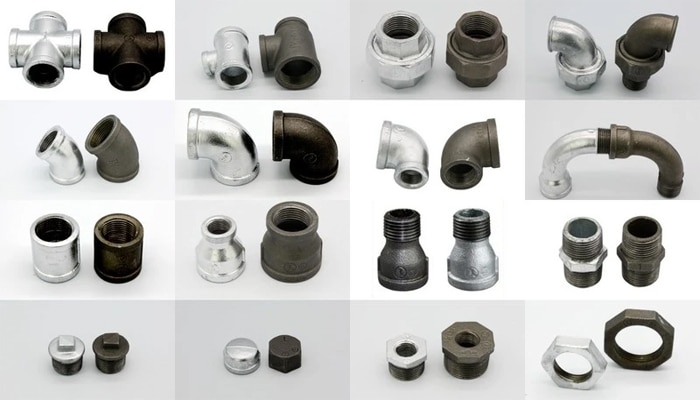
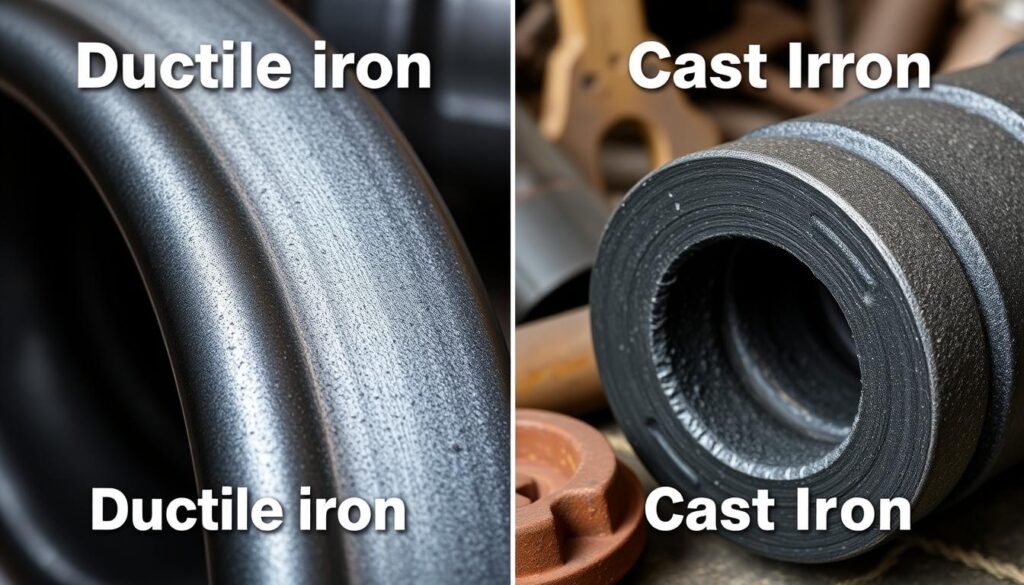
Cast iron, the older of the two materials, is created by melting iron and pouring it into a mold. It's known for its high compressive strength and resistance to corrosion in specific environments. However, its low tensile strength and brittleness make it susceptible to cracking under stress or impact. Traditionally, it was widely used for drain pipes and occasionally in older radiant heating systems.
What is Ductile Iron?
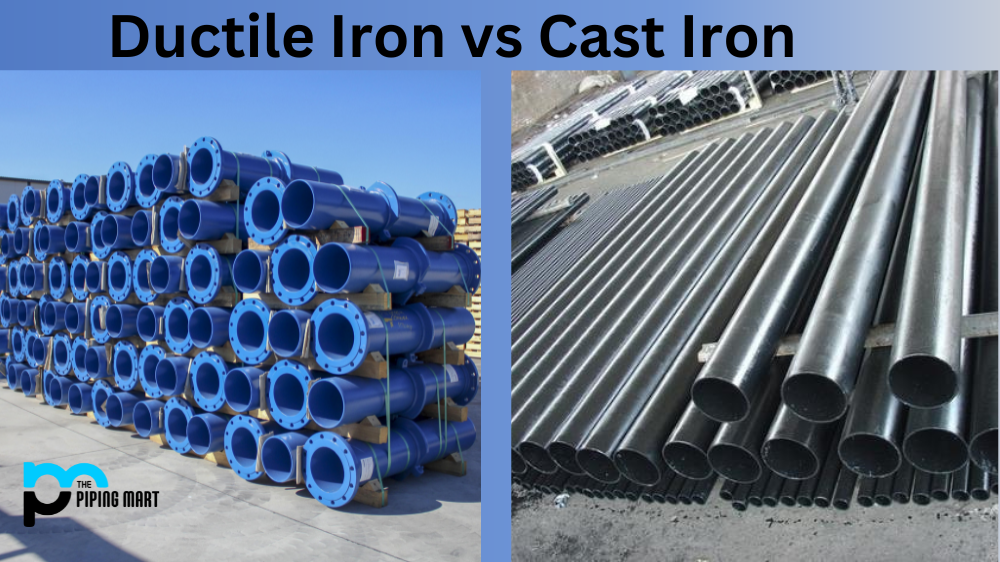
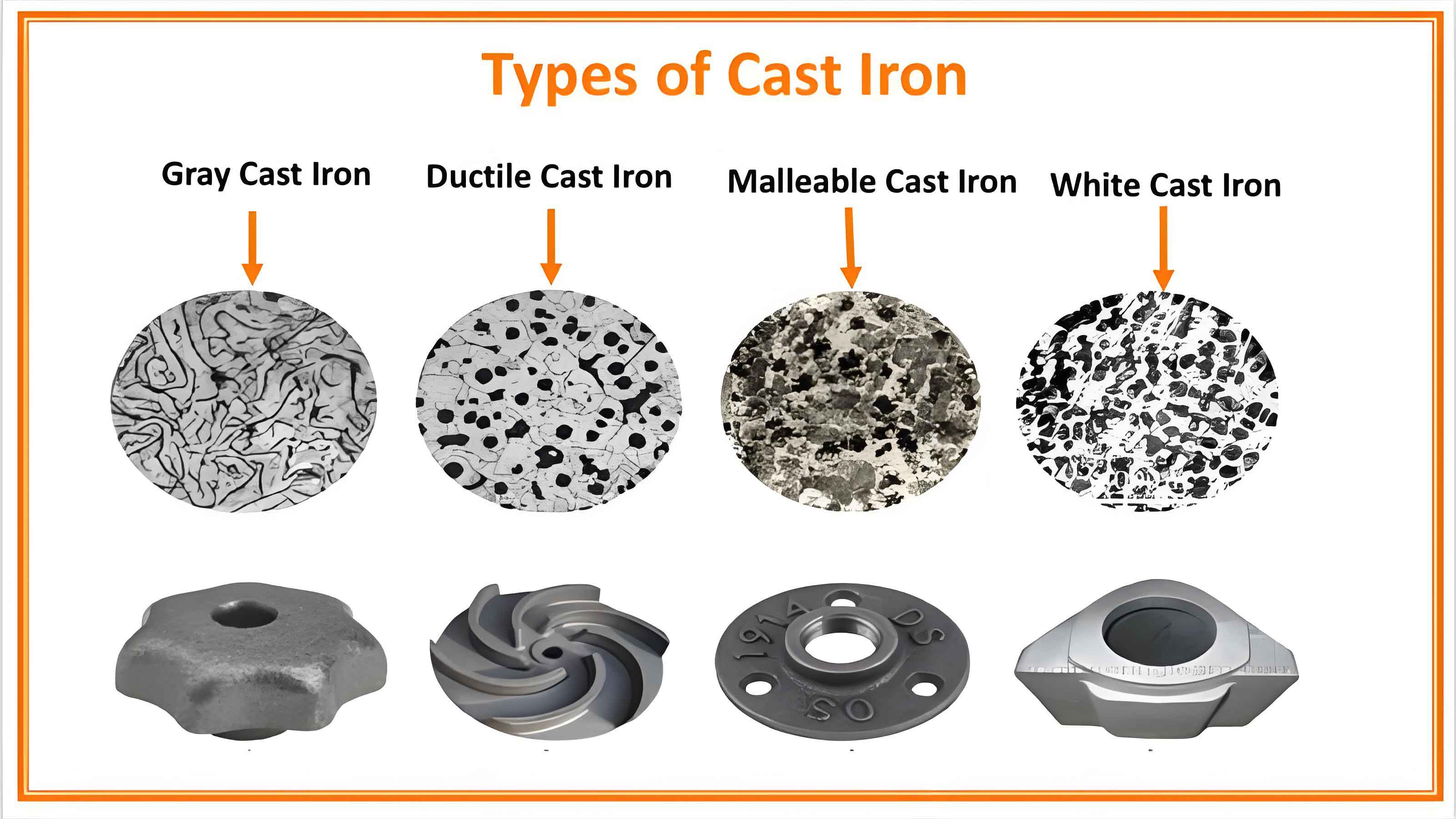
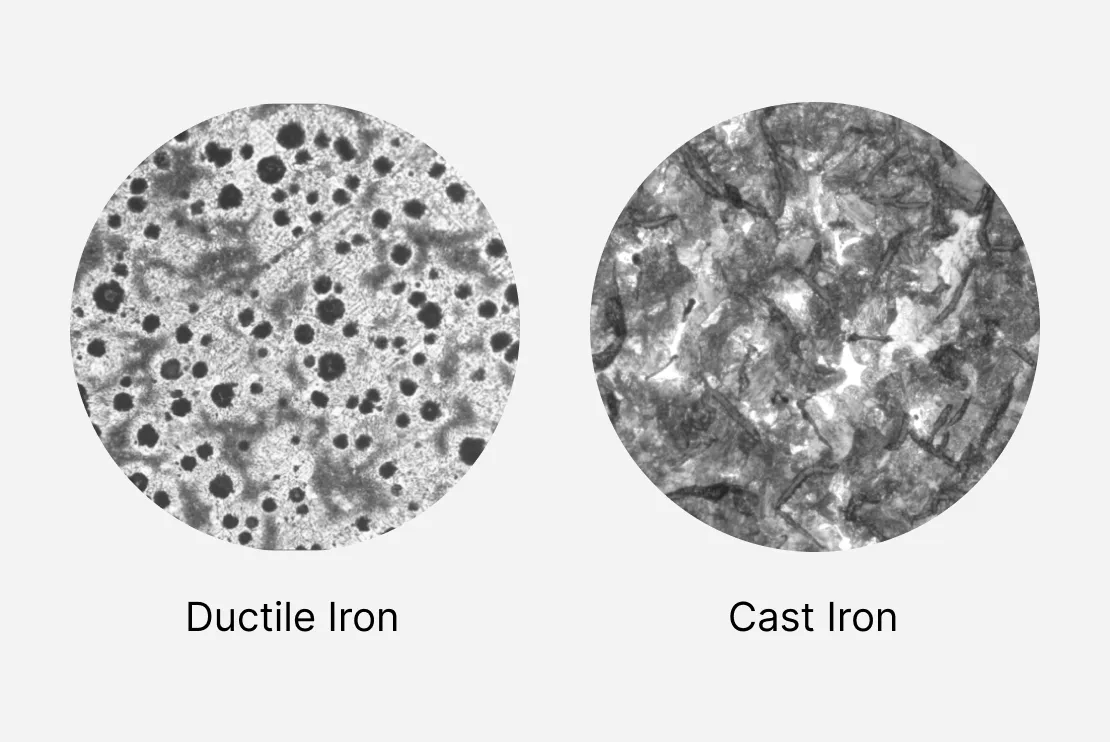
Ductile iron, also known as nodular cast iron, is a modified version of cast iron. The key difference lies in the addition of magnesium during the manufacturing process. This addition alters the graphite structure within the iron, changing it from flakes (in cast iron) to spheroids (in ductile iron). This seemingly small change drastically improves the iron's ductility (hence the name), tensile strength, and impact resistance. Ductile iron can bend or deform under stress without fracturing, making it a more versatile and reliable material.
Key Differences & HVAC Applications
While both materials have their place, their suitability for HVAC applications varies significantly. Here's a breakdown:
Strength and Durability
Ductile Iron: Significantly stronger and more durable than cast iron. Its higher tensile strength and ductility mean it can withstand higher pressures and stresses, making it suitable for high-pressure steam lines and other demanding applications. It also handles ground movement and seismic activity better.
Cast Iron: While strong in compression, cast iron is brittle and prone to cracking. This limits its use in applications where it might experience significant stress or impact. Its rigidity can be a disadvantage in areas prone to ground movement.
Corrosion Resistance
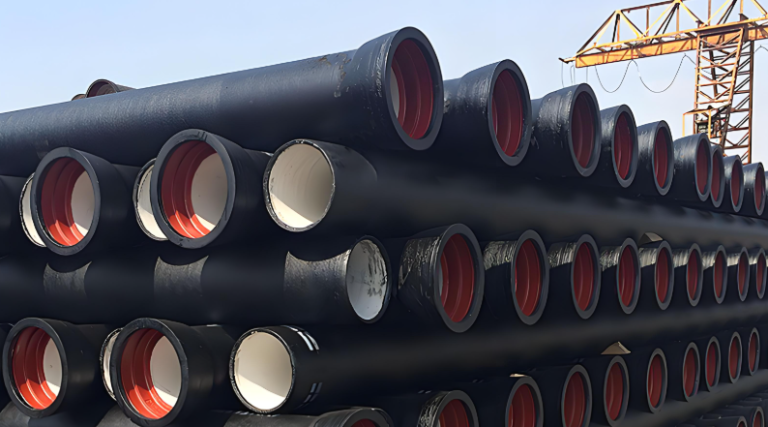
Ductile Iron: Offers good corrosion resistance, especially when properly coated. Coatings like epoxy or polyurethane can further enhance its resistance to various chemicals and soil conditions, making it suitable for underground applications.
Cast Iron: Can offer excellent corrosion resistance in certain specific environments, particularly when exposed to mildly alkaline conditions. However, it is vulnerable to rust in the presence of oxygen and moisture if not properly protected.
Weight and Installation
Ductile Iron: Generally lighter than cast iron for a given pipe size and pressure rating. This can simplify handling and installation, reducing labor costs.
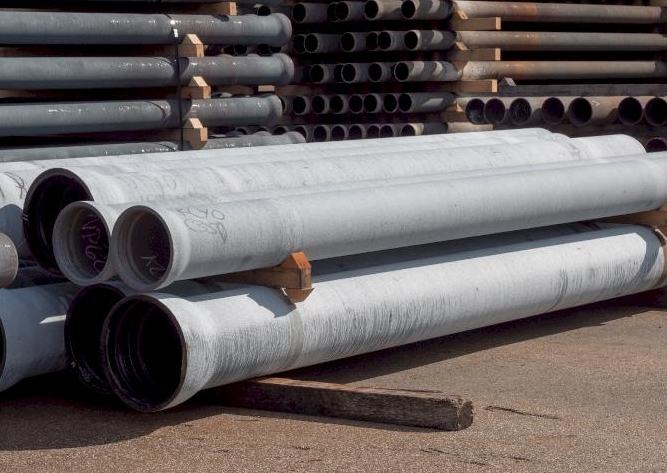
Cast Iron: Heavier and more difficult to handle than ductile iron. This often requires specialized equipment and more labor during installation.
Cost
Ductile Iron: Typically more expensive upfront than cast iron due to the more complex manufacturing process and the addition of magnesium.
Cast Iron: Generally less expensive to purchase than ductile iron. However, the lower cost can be offset by higher installation costs due to its weight and brittleness, as well as potential for more frequent repairs or replacements over the lifespan of the system.
HVAC Applications: Where Each Material Shines (or Doesn't)
- High-Pressure Steam Lines: Ductile iron is the preferred choice due to its superior strength and ability to withstand high temperatures and pressures.
- Chilled Water Systems: Both ductile and cast iron can be used, but ductile iron offers greater peace of mind due to its increased durability and resistance to cracking.
- Radiant Heating Systems (Older Homes): Older homes may still have cast iron components in their radiant heating systems. These should be inspected regularly for corrosion and leaks. Replacement with modern materials like PEX is often recommended.
- Drainage Systems: While PVC is now the most common material for drain lines, cast iron was historically used. In some older buildings, it may still be present. Ductile iron is rarely used for drain lines in residential applications.
- Geothermal Systems: Ductile iron can be used for certain components of geothermal systems, particularly for underground piping where its strength and corrosion resistance are beneficial.
Factors to Consider When Choosing
When deciding between ductile iron and cast iron (or whether to replace existing iron pipes with other materials like copper or PEX), consider the following factors:
- Application: What type of fluid or gas will the pipe be carrying? What are the operating pressures and temperatures?
- Budget: Consider the total cost of ownership, including material costs, installation costs, and potential maintenance costs.
- Environmental Conditions: Will the pipe be exposed to corrosive soils or other harsh conditions?
- Local Codes: Ensure that your choice complies with all local building codes and regulations.
- Longevity: How long do you expect the system to last? Ductile iron typically offers a longer lifespan.
Common HVAC Brands and Models (and Piping Considerations)
While HVAC brands don't directly *manufacture* iron pipes, the piping materials used in conjunction with their units are crucial. Here are some popular brands and how piping choices relate to their systems:
- Carrier/Bryant/Payne: These brands offer a wide range of furnaces, air conditioners, and heat pumps. When installing these systems, consider the piping requirements for refrigerant lines (typically copper) and condensate drains (typically PVC). If you're installing a steam heating system (less common now), ductile iron would be required for the high-pressure steam lines.
- Trane/American Standard: Similar to Carrier, Trane and American Standard offer comprehensive HVAC solutions. Their high-efficiency furnaces often require specialized venting, and piping materials must be compatible with the flue gases produced. Ductile iron isn't typically used directly with these units except in very specific circumstances (like industrial applications).
- Lennox: Lennox offers a range of energy-efficient systems. When upgrading to a high-efficiency condensing furnace, ensure the condensate drain line is properly sized and made of a corrosion-resistant material like PVC. Check local codes.
AFUE, SEER, and HSPF Ratings: These ratings primarily concern the efficiency of the HVAC unit itself, not the piping materials. However, proper piping ensures that the unit can operate at its designed efficiency. Leaky or corroded pipes can lead to energy losses and reduced system performance, negating the benefits of a high-efficiency unit.
Important Note: When replacing or upgrading an HVAC system, a qualified HVAC contractor should assess the existing piping and recommend appropriate materials based on the specific requirements of the system and local codes. They can also advise on whether to replace older cast iron pipes with more modern and efficient materials.
Warranties and Maintenance
Piping materials themselves typically don't have specific warranties like HVAC units do (AFUE, SEER, and HSPF ratings). However, the *installation* of the piping might be covered under the contractor's warranty. It's crucial to ask your contractor about their warranty terms and conditions.
Maintenance: Regular inspection of all piping is essential to prevent leaks, corrosion, and other problems. This includes checking for signs of rust, cracks, or water damage. Properly insulating pipes can also help prevent condensation and energy loss. If you have an older system with cast iron piping, consider having it professionally inspected for signs of deterioration. Small leaks can be repaired, but severely corroded or damaged pipes should be replaced.
Conclusion: Choosing the Right Material for Your HVAC System
While cast iron has its place in history and some specific applications, ductile iron offers superior strength, durability, and versatility for most modern HVAC systems, especially those involving high-pressure steam. However, given the prevalence of other materials like copper and PEX in modern HVAC systems, it's best to consult with a qualified HVAC professional to determine the best piping material for your specific needs and budget. They can assess your existing system, recommend the most appropriate materials, and ensure that the installation is done correctly and safely.