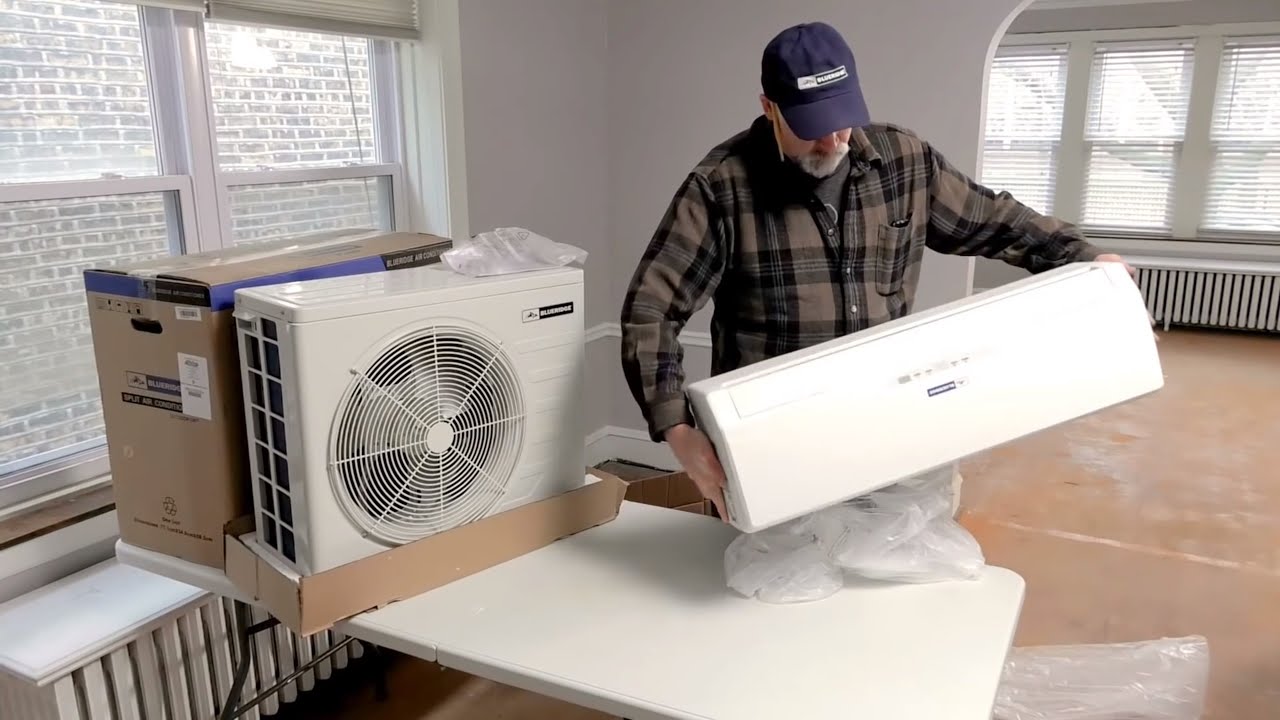
Ductless Air Conditioner And Heater Cost And Installation

Frequently Asked Questions About Ductless Air Conditioner and Heater Costs & Installation
Ductless mini-split systems offer a flexible and efficient way to heat and cool individual rooms or zones in your home or business. But what are the costs involved, and what's the installation process like? This FAQ addresses common questions to help you make an informed decision.
Q1: What is a Ductless Mini-Split System and Why Choose One?
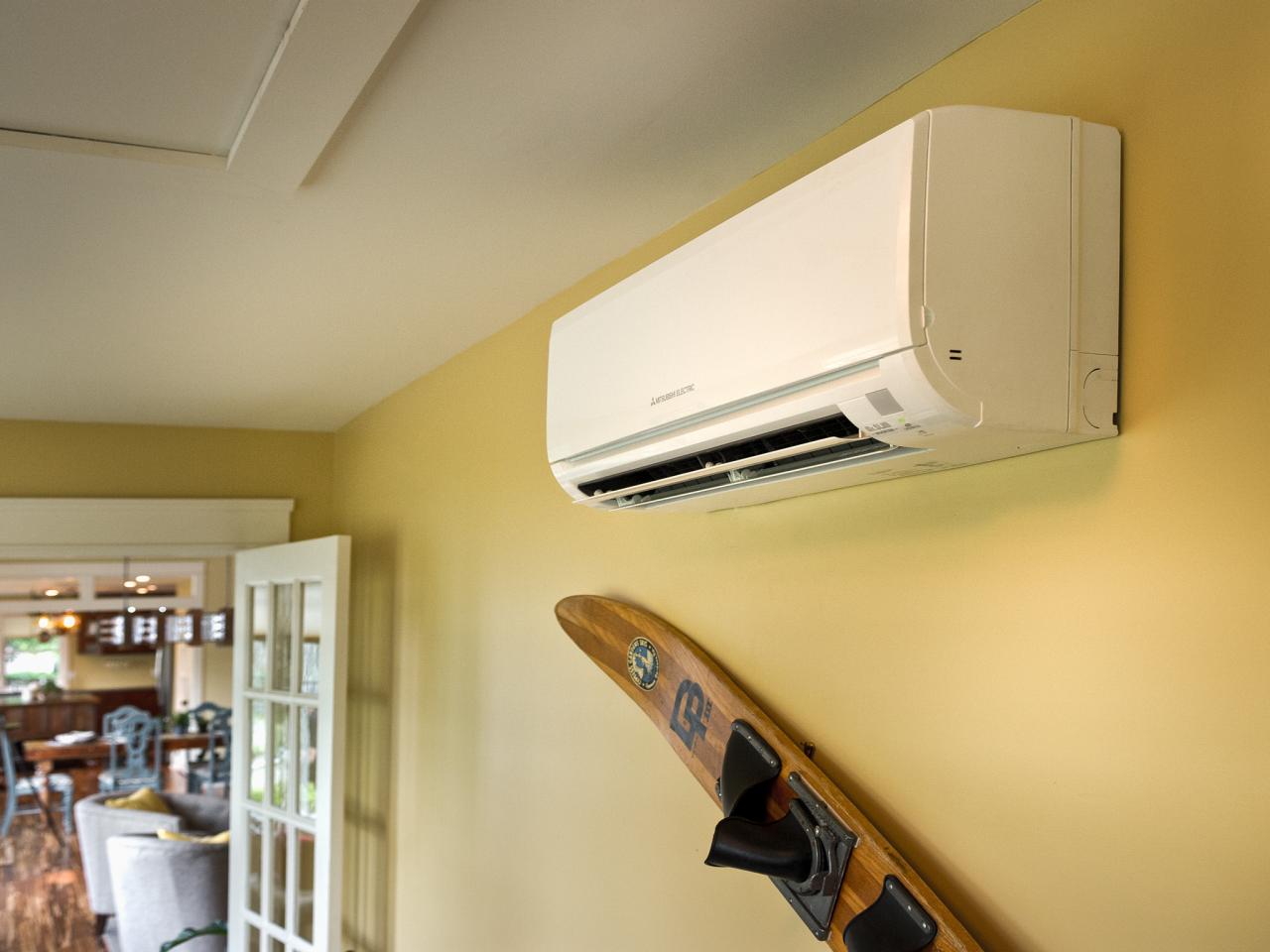
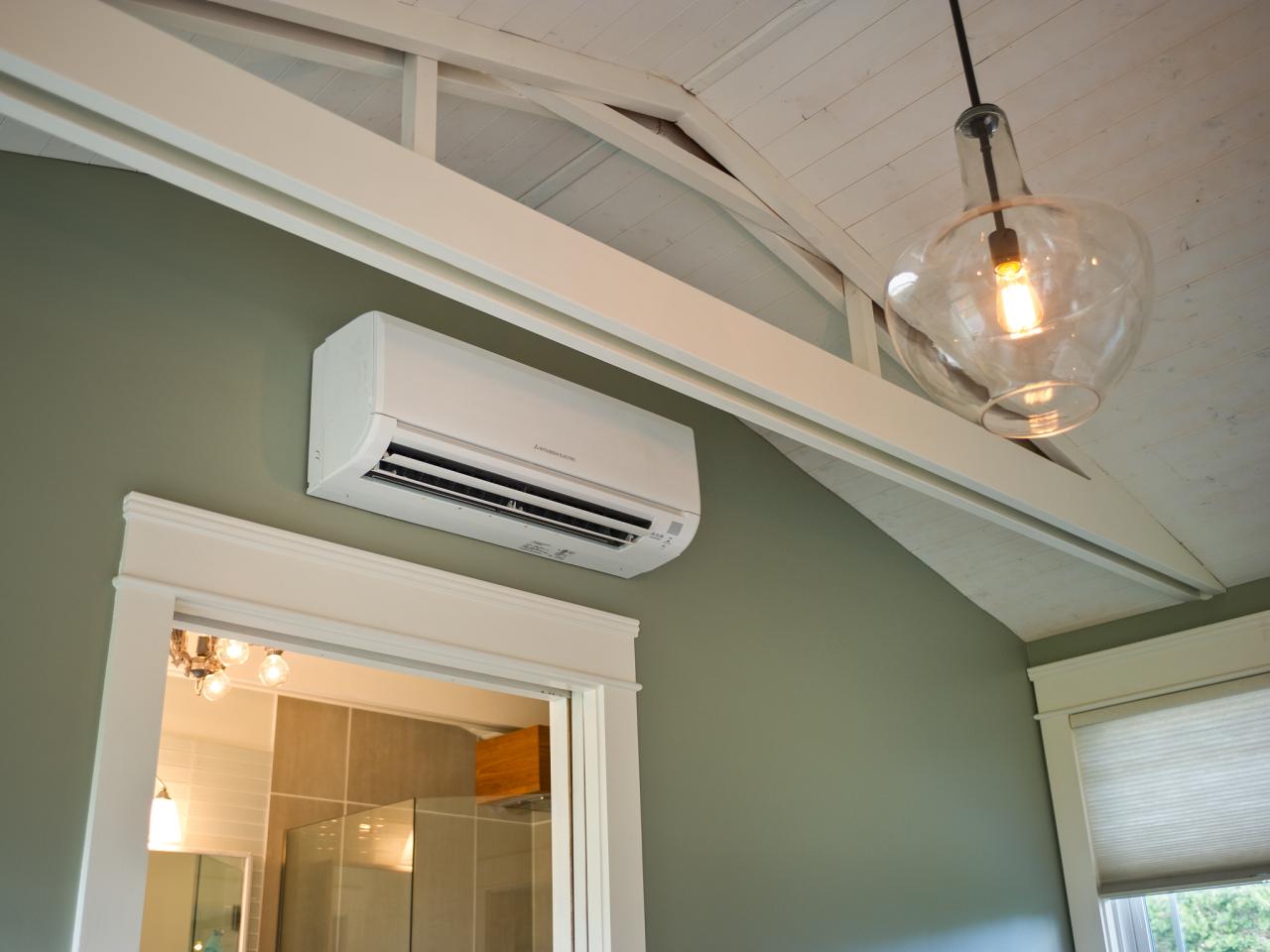
A ductless mini-split system is a heating and cooling solution that doesn't require traditional ductwork. It consists of two main components: an outdoor compressor/condenser unit and one or more indoor air-handling units (evaporators). Refrigerant lines connect these units, circulating refrigerant to provide cooling or heating.
Why choose a ductless system?
- Zoned Comfort: Allows you to control the temperature in individual rooms or zones, saving energy by only heating or cooling occupied spaces.
- Energy Efficiency: Ductless systems are often more energy-efficient than traditional systems because they eliminate duct losses. Look for models with high SEER (Seasonal Energy Efficiency Ratio) and HSPF (Heating Seasonal Performance Factor) ratings.
- Easy Installation: Generally simpler and less disruptive to install than ducted systems, especially in homes without existing ductwork.
- Flexibility: Suitable for additions, renovations, or homes where installing ductwork is challenging or impossible.
- Improved Air Quality: Some models offer advanced filtration systems, improving indoor air quality.
Q2: How much does a Ductless Mini-Split System Cost to Purchase?
The cost of a ductless mini-split system varies significantly depending on several factors:
- Number of Zones (Indoor Units): A single-zone system (one outdoor unit and one indoor unit) will be less expensive than a multi-zone system (one outdoor unit and multiple indoor units).
- BTU (British Thermal Units) Capacity: The BTU capacity determines the heating and cooling power of the system. Higher BTU capacity is needed for larger rooms and will increase the cost.
- Brand and Model: Different brands and models offer varying features, efficiency ratings, and price points. Established brands with higher SEER/HSPF ratings often cost more upfront but can save money in the long run.
- Features: Features like smart controls, advanced filtration, and inverter technology can add to the cost.
General Price Ranges (Installation Not Included):
- Single-Zone Systems: $1,500 - $5,000
- Multi-Zone Systems: $4,000 - $15,000+
Important Note: These are just estimates. Getting quotes from multiple qualified HVAC contractors is essential for accurate pricing.
Q3: What are the Installation Costs Associated with Ductless Mini-Splits?
Installation costs are a significant part of the overall expense. Factors influencing installation costs include:
- Number of Indoor Units: Each additional indoor unit increases labor and materials costs.
- Accessibility: Difficult-to-access locations for the outdoor unit or indoor units can increase labor time and therefore the installation cost.
- Distance Between Units: Longer distances between the indoor and outdoor units require more refrigerant line and may increase labor costs.
- Electrical Work: You may need to upgrade your electrical panel or add a dedicated circuit for the outdoor unit, which will add to the cost.
- Wall Construction: Drilling through concrete or brick walls is more challenging and time-consuming than drilling through drywall.
- Permits: Depending on your location, you may need permits for the installation, adding to the overall expense.
General Installation Cost Ranges:
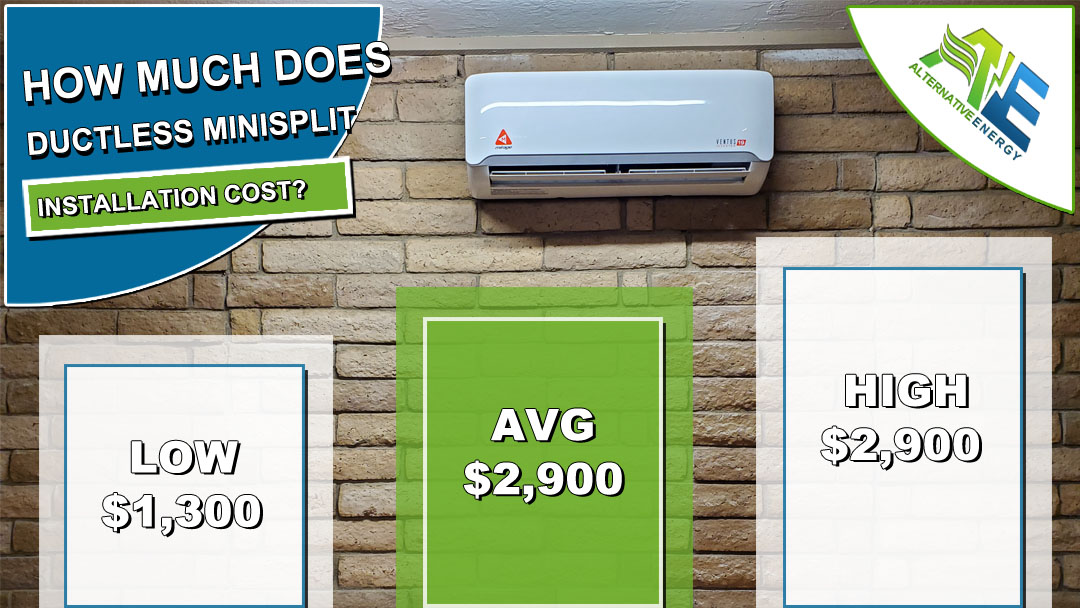
- Single-Zone Systems: $800 - $3,000
- Multi-Zone Systems: $2,000 - $8,000+
Breakdown of Installation Tasks:
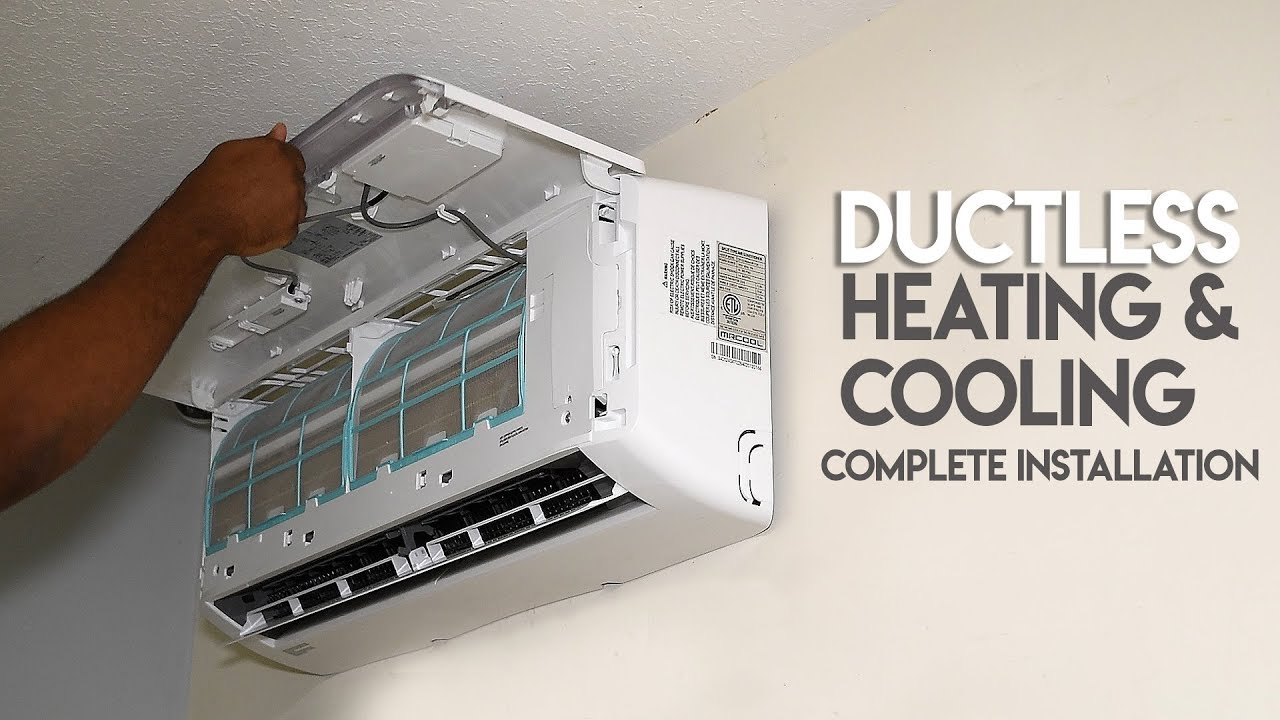
- Mounting the outdoor unit on a concrete pad or wall bracket.
- Mounting the indoor unit(s) on the wall.
- Drilling a hole through the wall for refrigerant lines, drain lines, and electrical wiring.
- Connecting the refrigerant lines and electrical wiring between the indoor and outdoor units.
- Vacuuming and charging the refrigerant lines.
- Testing the system to ensure proper operation.
Always get written estimates from licensed and insured HVAC professionals.
Q4: Are there any Rebates or Tax Credits Available for Ductless Mini-Split Systems?
Yes, there are often rebates and tax credits available for energy-efficient ductless mini-split systems, which can significantly reduce the overall cost.
- Federal Tax Credits: Check the ENERGY STAR website (energystar.gov) for current federal tax credits for energy-efficient HVAC systems. These credits can provide a percentage of the cost back to you.
- State and Local Rebates: Many states and local utility companies offer rebates for installing energy-efficient appliances, including ductless mini-splits. Check with your local utility provider and state energy office for available programs.
- Manufacturer Rebates: Some manufacturers offer rebates on specific models of ductless mini-split systems. Check the manufacturer's website or ask your HVAC contractor about available rebates.
Be sure to inquire about available rebates and tax credits when getting quotes from HVAC contractors. They can often help you navigate the application process.
Q5: How Do I Choose the Right Size Ductless Mini-Split for My Needs?
Choosing the right size (BTU capacity) for your ductless mini-split system is crucial for optimal performance and energy efficiency. An undersized system won't be able to adequately heat or cool the space, while an oversized system can cycle on and off frequently, leading to energy waste and discomfort.
Factors to Consider:
- Room Size (Square Footage): This is the most important factor. A larger room requires a higher BTU capacity.
- Climate: Colder climates require higher BTU capacity for heating, while hotter climates require higher BTU capacity for cooling.
- Insulation: Poorly insulated rooms require higher BTU capacity.
- Windows: Rooms with many windows or large windows require higher BTU capacity, especially if the windows are not energy-efficient.
- Sun Exposure: Rooms with direct sunlight require higher BTU capacity.
- Number of Occupants: Rooms with more occupants require higher BTU capacity.
- Heat-Generating Appliances: Rooms with appliances that generate heat (e.g., computers, stoves) require higher BTU capacity.
General Guidelines:
- Small Room (100-250 sq ft): 5,000 - 9,000 BTU
- Medium Room (250-500 sq ft): 9,000 - 12,000 BTU
- Large Room (500-750 sq ft): 12,000 - 18,000 BTU
It's best to consult with an HVAC professional to determine the appropriate BTU capacity for your specific needs. They can perform a load calculation to accurately assess your heating and cooling requirements.
Q6: How Long Does Ductless Mini-Split Installation Take?
The installation time for a ductless mini-split system depends on the complexity of the project.
- Single-Zone System: Installation can typically be completed in 4-8 hours.
- Multi-Zone System: Installation can take 1-3 days, depending on the number of indoor units and the complexity of the installation.
Factors Affecting Installation Time:
- Accessibility: Difficult-to-access locations can increase installation time.
- Wall Construction: Drilling through concrete or brick walls takes longer than drilling through drywall.
- Electrical Work: Upgrading the electrical panel or adding a dedicated circuit can add to the installation time.
- Permits: Obtaining permits can add time to the overall project.
Your HVAC contractor should be able to provide you with a realistic estimate of the installation time before starting the project.
Q7: What Maintenance is Required for a Ductless Mini-Split System?
Regular maintenance is essential to keep your ductless mini-split system operating efficiently and reliably. Neglecting maintenance can lead to reduced performance, higher energy bills, and premature failure.
Recommended Maintenance Tasks:
- Clean Air Filters: Clean the air filters in the indoor units every month or two, depending on usage and air quality. Dirty filters restrict airflow and reduce efficiency.
- Clean Indoor Unit Coils: Clean the indoor unit coils annually to remove dust and debris. You can use a fin comb and a soft brush.
- Clean Outdoor Unit Coils: Clean the outdoor unit coils annually to remove dirt, leaves, and other debris. You can use a garden hose (low pressure) to rinse the coils.
- Check Refrigerant Lines: Inspect the refrigerant lines for leaks or damage. If you suspect a leak, contact an HVAC professional.
- Inspect Electrical Connections: Inspect the electrical connections for loose wires or corrosion. If you find any issues, contact an HVAC professional.
- Professional Maintenance: Schedule a professional maintenance checkup every 1-2 years. An HVAC technician can inspect the system, clean the coils, check refrigerant levels, and identify any potential problems.
By following these maintenance tips, you can extend the life of your ductless mini-split system and ensure optimal performance.